Solution 3-Step System
OG Acne System
 Verified reviewer
Pros & cons.
- +2.5% benzoyl peroxide is clinically proven to match higher concentrations with less irritation
- +Three-step system provides a complete acne routine in one purchase
- +Dual BP delivery — wash-off and leave-on — targets bacteria at two touchpoints
- +Glycolic acid toner adds exfoliation for pore clearing and mark fading
- +Over 30 years of market validation with millions of satisfied users
- +FSA/HSA eligible as an OTC acne treatment
- +Available in 30-day and 90-day supplies with subscription options
- −Every product contains added fragrance — cumulative exposure across three steps is concerning
- −Parabens and formaldehyde-releasing preservatives (imidazolidinyl/diazolidinyl urea) in all steps
- −Step 2 toner contains denatured alcohol and menthol — unnecessarily harsh
- −Benzoyl peroxide bleaches towels, pillowcases, and colored fabrics on contact
- −Formulas have not been meaningfully modernized despite decades of skincare advances
- −Subscription model has drawn consumer complaints about cancellation difficulty
The full review.
Proactiv likely democratized acne treatment more than any other brand. Before 1995, acne sufferers had two choices: drugstore products or dermatologist appointments involving long waits and monitored prescriptions. Stanford-trained dermatologists Dr. Katie Rodan and Dr. Kathy Fields filled this gap. They built a dermatologist-designed treatment system users could order from home.
Necessity drove the infomercial strategy. Since no retailer would stock the system, the founders sold direct to consumer. Celebrity endorsers like Jessica Simpson, Adam Levine, and Katy Perry gave the brand cultural currency. The three-step system provided a simple routine: wash, tone, treat. Within a decade, Proactiv generated over a billion dollars annually. It remains one of the most commercially successful skincare products ever.
About Proactiv
The clinical foundation is sound. The system uses 2.5% benzoyl peroxide in both the cleanser (Step 1) and the repairing treatment (Step 3), with a glycolic acid exfoliating toner (Step 2) in between. Benzoyl peroxide kills Cutibacterium acnes by generating free oxygen radicals, which disrupts the anaerobic environment acne bacteria need. A 1986 study by Mills et al. shows 2.5% benzoyl peroxide reduces acne lesions as effectively as 5% and 10% concentrations but with less irritation. This finding forms the backbone of the Proactiv system. It was ahead of its time, as most OTC acne products then used maximum-strength concentrations.
The Step 2 glycolic acid toner complements the benzoyl peroxide by promoting desquamation—the shedding of dead cells. This prevents the buildup that clogs pores and feeds breakouts. It also addresses post-acne dark marks. Combining antibacterial BP and keratolytic glycolic acid is a logical clinical approach to acne pathogenesis.
Works for
The system works in practice. Millions of users have cleared acne with Proactiv, and results have remained consistent across three decades. For mild to moderate comedonal and inflammatory acne, consistent use of BP + glycolic acid + BP is effective. Research and real-world data both confirm this.
Common Complaints
The formulas surrounding the active ingredients have not aged well. Every product in the 3-Step System contains added fragrance. The cleanser contains methylparaben, propylparaben, and imidazolidinyl urea, a formaldehyde-releasing preservative. The treatment lotion contains diazolidinyl urea, methylparaben, and propylparaben. The toner contains denatured alcohol and menthol.
Using all three steps twice daily exposes skin to benzoyl peroxide, glycolic acid, denatured alcohol, menthol, fragrance, parabens, and formaldehyde-releasing preservatives twelve times a week. This cumulative irritation load is concerning for acne-prone skin. Acne-prone skin is often already inflamed, compromised, and more permeable than healthy skin. The actives provide necessary therapeutic irritation, but the fragrance, menthol, alcohol, and dated preservatives add unnecessary damage.
Conflicts With
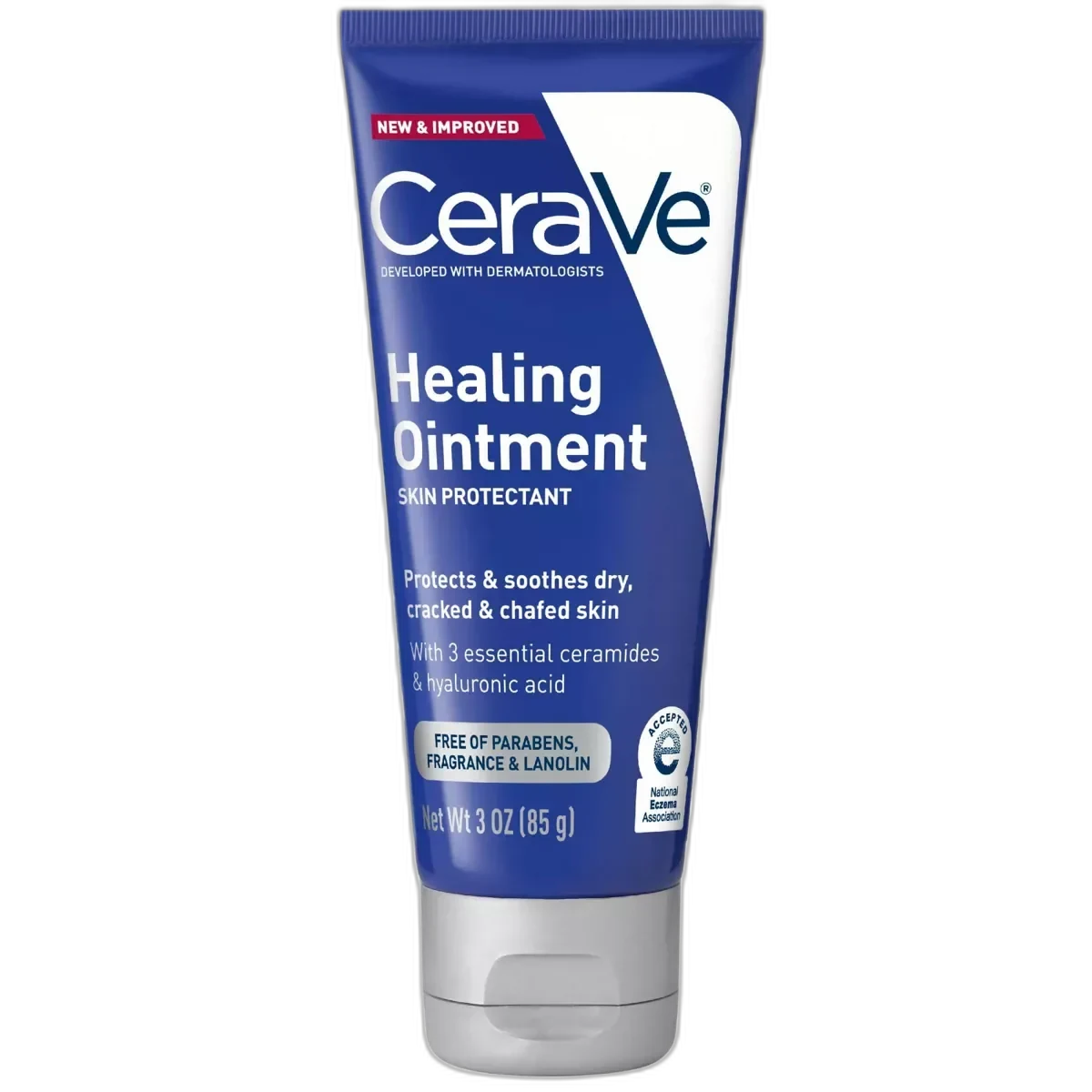
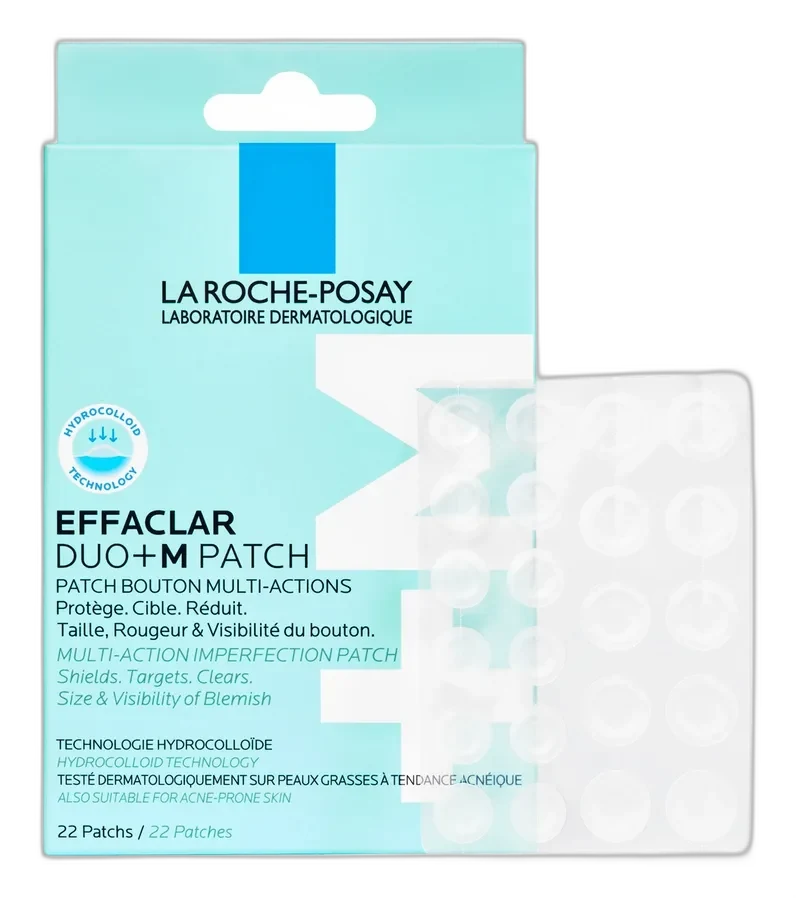
The industry has moved past this formulation approach. CeraVe’s acne line delivers benzoyl peroxide with ceramides and hyaluronic acid in fragrance-free, paraben-free formulas. La Roche-Posay’s Effaclar line uses similar actives in thermal spring water bases with prebiotic technology. Even Proactiv’s newer lines, ProactivMD and Proactiv+, have improved these formulas. The original 3-Step System is a 1995 time capsule that has been tweaked but not truly reformulated.
Subscription
The subscription model shapes the user experience. Proactiv built its business on auto-ship subscriptions to ensure users have consistent daily supply. However, users report difficulty canceling and being charged for unwanted shipments. This is a business model issue rather than a formulation one, but it affects the brand experience.
Formula
The 2.5% benzoyl peroxide concentration is the system’s best feature. It was an evidence-based choice in 1995 and remains one in 2026. The dual-delivery approach—BP in the cleanser for brief wash-off exposure and BP in the treatment for sustained leave-on action—is clinically intelligent. If Proactiv made the supporting ingredients fragrance-free, paraben-free, alcohol-free, and removed formaldehyde releasers, this would be an excellent acne system. Currently, the actives deserve an A, but the vehicles deserve a C.
Ingredient analysis.
Full INCI list
Step 1 Renewing Cleanser — Active: Benzoyl Peroxide 2.5%. Inactive: Water, Magnesium Aluminum Silicate, Glyceryl Stearate, PEG-100 Stearate, Sorbitol, Dimethyl Isosorbide, Disodium PEG-12 Dimethicone Sulfosuccinate, Tridecyl Stearate, Neopentyl Glycol Dicaprylate/Dicaprate, Paraffin, Cetyl Esters, Anthemis Nobilis Flower Extract, Tridecyl Trimellitate, Trisodium Sulfosuccinate, PEG-12 Dimethicone, Sodium Sulfate, Sodium Hyaluronate, Propylene Glycol, Sodium PCA, Xanthan Gum, Phenoxyethanol, Imidazolidinyl Urea, Methylparaben, Propylparaben, Fragrance. \| Step 2 Revitalizing Toner — Glycolic Acid, Water, Hamamelis Virginiana (Witch Hazel) Water, Alcohol Denat., Aloe Barbadensis Leaf Juice, Panthenol, Sodium PCA, Allantoin, Sodium Hyaluronate, PEG-12 Dimethicone, Menthol, Fragrance. \| Step 3 Repairing Treatment — Active: Benzoyl Peroxide 2.5%. Inactive: Water, Ethoxydiglycol, Cyclopentasiloxane, Propylene Glycol, Cetearyl Alcohol, Glyceryl Stearate, PEG-100 Stearate, Dimethicone, Ceteareth-20, Diazolidinyl Urea, Carbomer, Fragrance, Methylparaben, Xanthan Gum, Panthenol, Allantoin, Sodium Hydroxide, Propylparaben.
Skin match.
The science.
The Science
The Proactiv Solution 3-Step System uses benzoyl peroxide's proven antimicrobial mechanism. Benzoyl peroxide creates reactive oxygen species in the pilosebaceous unit. This oxidative environment kills Cutibacterium acnes, the anaerobic bacterium that drives inflammatory acne pathogenesis. A 1986 study by Mills et al. in the Journal of the American Academy of Dermatology compared 2.5%, 5%, and 10% benzoyl peroxide formulations. All concentrations reduced acne lesion counts with equivalent efficacy, but 2.5% caused significantly less erythema, peeling, and subjective irritation. This study shaped Proactiv's formulation strategy.
The glycolic acid in Step 2 adds keratolytic activity. Glycolic acid disrupts the desmosomes binding corneocytes in the stratum corneum, which speeds cell turnover and stops the hyperkeratinization that forms comedones. A 2009 review in the Journal of Cosmetic Dermatology confirmed that cosmetic concentrations of glycolic acid improve acne by normalizing follicular keratinization and reducing pore-occluding cellular buildup.
Combining benzoyl peroxide with glycolic acid works because they target different acne pathogenesis pathways: BP hits the bacteria while glycolic acid hits keratinization. This multi-pathway approach follows current dermatological guidelines, which recommend combination therapy over monotherapy for most acne.
The supporting formulation ingredients need scrutiny. Denatured alcohol in the toner disrupts the stratum corneum lipid barrier, increases transepidermal water loss, and may worsen the drying effects of the actives. Menthol triggers TRPM8 cold receptors but has no therapeutic benefit for acne. Imidazolidinyl urea and diazolidinyl urea are formaldehyde-releasing preservatives linked to contact sensitization in predisposed individuals.
References
- Short contact benzoyl peroxide therapy for acne vulgaris — Journal of the American Academy of Dermatology (1986)
Dermatologist Perspective
Dermatologists recognize benzoyl peroxide as a first-line acne treatment. The 2.5% concentration in the Proactiv Solution 3-Step System matches evidence showing it is as effective as higher concentrations. Pairing antibacterial BP with keratolytic glycolic acid is a sound multi-target strategy. However, board-certified dermatologists often worry about the supporting formulas—specifically the use of fragrance, denatured alcohol, menthol, and formaldehyde-releasing preservatives in products for acne-prone skin. Modern dermatological recommendations favor barrier-supportive formulations (ceramides, niacinamide, fragrance-free bases) with acne actives to lower irritation. The Proactiv Solution 3-Step System puts effective actives in outdated vehicles.
Where it fits in your routine.
Use all three steps twice daily, in order. Step 1: Apply the Renewing Cleanser to wet skin, massage for 1-2 minutes, and rinse. Step 2: Swipe the Revitalizing Toner across the face using a cotton pad; avoid the eye area. Let it dry. Step 3: Apply a thin layer of the Repairing Treatment to the entire face. Use a separate moisturizer if skin feels dry, and use sunscreen in the morning. Use once daily for the first week, then increase to twice daily as tolerated. An adjustment period lasts 1-2 weeks.
The 30-day supply costs about $35 and the 90-day supply costs about $75, placing this system in the moderate price range for a three-product acne routine. Buying a benzoyl peroxide cleanser, a glycolic acid toner, and a benzoyl peroxide treatment from individual pharmacy brands costs $25-40 and offers better formulations. Proactiv offers convenience (one purchase, complete system) and brand trust instead of ingredient superiority. The subscription model adds convenience but faces criticism for cancellation friction. FSA/HSA eligibility benefits U.S. consumers.
Best for people with mild to moderate acne — mainly comedonal (blackheads, whiteheads) and mild inflammatory acne — who want a complete, prescriptive system to remove guesswork. It works well for acne treatment beginners who feel overwhelmed building a routine from individual products.
Skip this if you have dry, sensitive, or barrier-compromised skin. The combined irritation from three products containing fragrance, alcohol, menthol, and dual BP is too high. Skip this if you prefer modern, clean formulations without parabens and formaldehyde releasers. People with severe cystic acne should consult a dermatologist for prescription-grade treatments.
Product details.
Step 1 is a white, creamy cleanser containing micro-beads. Step 2 is a watery liquid toner. Step 3 is a white, lightweight lotion.
All three steps have added fragrance. The scent is a clean, slightly medicinal floral that stays consistent across the system.
Three separate bottles come packaged together. Choose between 30-day and 90-day supplies. The 90-day supply has better per-unit value. Subscription is also available.
The first week is hard. The benzoyl peroxide in Steps 1 and 3 and the glycolic acid in Step 2 cause drying and peeling. A temporary purging phase—where existing clogged pores surface as new breakouts—happens in weeks 1-2. The toner's alcohol and menthol sting when applied. Skin usually adjusts by week 3-4.
30 or 90 days depending on the supply purchased
12 months
All Year
The backstory.
When dermatologists Katie Rodan and Kathy Fields launched Proactiv in 1995, they could not get retailers to stock it — so they turned to infomercials. The strategy worked spectacularly: Proactiv became a cultural phenomenon, generating over $1 billion in annual sales at its peak and making acne treatment a mainstream consumer conversation rather than a prescription-only experience. The original 3-Step System has been the foundation of the brand for over three decades.
About Proactiv
Legacy Brand (20+ years)Stanford-trained dermatologists Dr. Katie Rodan and Dr. Kathy Fields co-founded Proactiv in 1995. The original 3-Step System became a top-selling acne treatment, earning billions via direct-to-consumer marketing. The brand has over three decades of market presence.
Common myths.
Proactiv works only when you use all three steps together; the formulas are interdependent.
Each product contains independent active ingredients. The cleanser and treatment both use 2.5% benzoyl peroxide, while the toner uses glycolic acid. You can use these steps individually or substitute them with other products. The 'system' approach is a marketing and usage simplification strategy, not a chemical dependency.
Benzoyl peroxide at 5% or 10% works better than Proactiv's 2.5%.
A landmark study by Mills et al. shows 2.5% benzoyl peroxide reduces acne lesions as well as 5% and 10% concentrations, but with less irritation. The founders chose 2.5% based on evidence; this remains one of the smartest decisions in the system's formulation.
FAQ.
How long does it take for Proactiv to clear acne?
Most users see initial improvement in 2-4 weeks. Consistent twice-daily use shows significant clearing at 6-8 weeks. A purging period in weeks 1-2 is common; existing clogged pores surface as temporary breakouts before the system works fully. Consult a dermatologist if there is no improvement after 12 weeks.
Will Proactiv bleach my towels and pillowcases?
Yes — benzoyl peroxide is a bleaching agent. It lightens colored towels, pillowcases, and clothing on contact. Use white towels and pillowcases while using this system, and let the treatment lotion dry fully before lying down. All benzoyl peroxide products have this limitation; it is not unique to Proactiv.
Is the Proactiv 3-Step System worth the price?
Proactiv costs about $35-75 depending on the supply size, making this three-product system moderately priced. You can build a comparable routine using individual pharmacy-brand products (CeraVe benzoyl peroxide cleanser + glycolic acid toner + benzoyl peroxide treatment) for less money and better supporting formulas. Proactiv offers convenience and brand trust.
Can I use Proactiv with retinol or tretinoin?
Don't add retinoids to the full 3-Step System. The combined irritation from benzoyl peroxide, glycolic acid, and retinoids damages the skin barrier. To use retinol, replace the glycolic acid toner (Step 2) with your retinol product. Use only the benzoyl peroxide cleanser and treatment.
Community
What the community says.
"Clears mild to moderate acne effectively when used consistently"
"Complete system eliminates guesswork about product selection"
"2.5% benzoyl peroxide concentration is effective with less irritation than 10%"
"Subscription model ensures you never run out of product"
"Three decades of market validation and millions of satisfied users"
"All three products contain fragrance — cumulative exposure is concerning"
"Parabens and formaldehyde-releasing preservatives in every step"
"Toner contains denatured alcohol and menthol — unnecessarily harsh"
"Benzoyl peroxide bleaches towels, pillowcases, and clothing"
"Subscription model can be difficult to cancel"
"Formulas have not been meaningfully updated despite industry advances"
People also looked at.