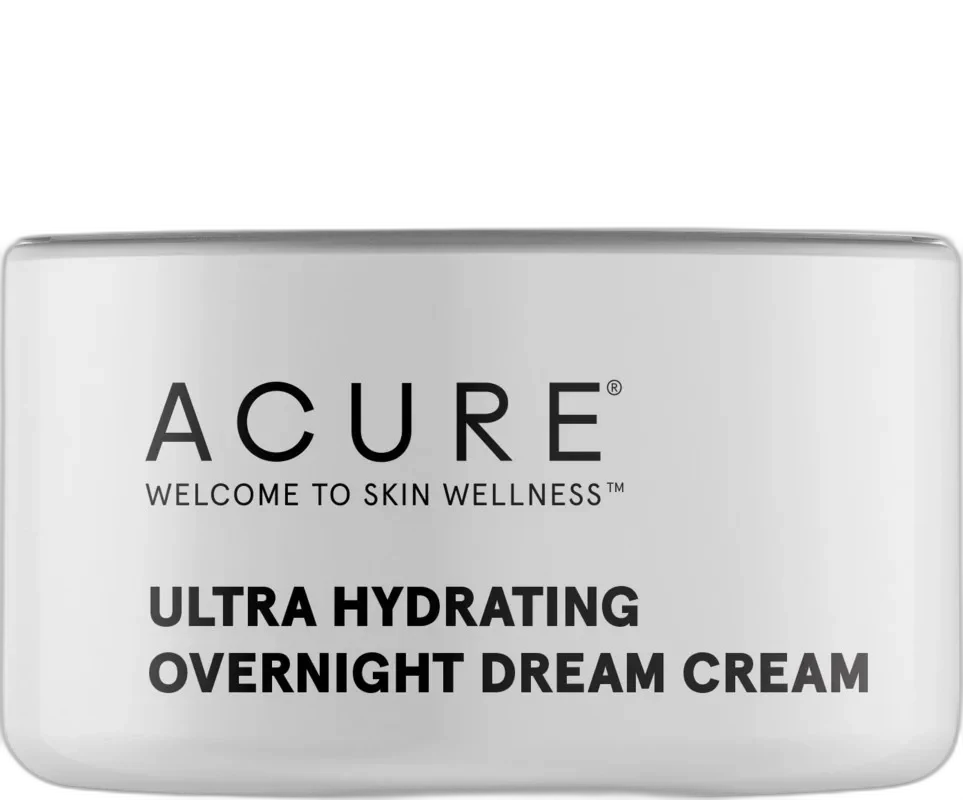
Ultra Hydrating Overnight Dream Cream
Clean-Beauty Comfort Cream
 Verified reviewer
Pros & cons.
- +Humectant-led ingredient order structured better than most clean-beauty night creams
- +Genuinely rich but non-greasy texture ideal for winter dryness
- +Completely fragrance-free, reducing risk for sensitive skin
- +Contains soothing panthenol and allantoin for added comfort
- +Affordable for a plant-based, vegan, Leaping Bunny-certified night cream
- +Pregnancy-safe and free of common synthetic concerns
- +Leaves skin plumped and soft by morning on dry skin types
- −Coconut oil placement makes it risky for acne-prone users
- −Not fungal-acne safe due to multiple fatty acid sources
- −Jar packaging compromises hygiene over time
- −Smaller 1.7 oz size gets used up quickly in winter
- −No significant anti-aging actives despite the 'dream' name
The full review.
Acure’s moisturizer lineup used to be unremarkable in the way that a lot of first-wave clean-beauty creams were unremarkable — a few plant butters, a seed oil, some botanical extracts, and a vague promise about ‘feeding your skin.’ The Dream Cream is what happened when the brand paid attention to what its customers were actually asking for: a richer nighttime option that behaved less like a face butter and more like a real moisturizer, without sacrificing the natural-leaning ingredient list that got people into Acure in the first place. The result is a jar that sits at Target for about twenty dollars and, against expectations, reads more like a sensibly structured formulation than a marketing exercise.
The reveal is in the INCI order. After water, the formula leads with glycerin — a workhorse humectant that does more for skin hydration than any of the botanicals further down the list — followed by a coco-caprylate/caprate ester for silky slip, cetearyl alcohol as a structural emulsifier, and then sodium hyaluronate before the list drops into the argan oil, shea butter, and seed oil territory you’d expect. That humectant-first structure matters. A lot of budget clean-beauty night creams make the mistake of treating plant oils as the main hydrators, which works if you interpret ‘moisturizing’ as ‘feels greasy,’ but doesn’t actually replenish water in the skin. Here, the glycerin and hyaluronic acid do the hydration lifting while the argan and shea handle the sealing step — which is how a well-designed moisturizer is supposed to work.
The texture lives up to the humectant-emollient promise. It’s rich enough to feel like a deliberate nighttime step — thicker than a day lotion, less greasy than a balm — and spreads with the cushiony slip of a well-emulsified cream. By morning, dry skin looks plumped and soft in the way that tells you something was retained overnight rather than absorbed and forgotten. There’s no fragrance, which is a genuine relief in the clean-beauty aisle where essential oils often sneak in through the back door. The absence of synthetic fragrance plus the inclusion of panthenol and allantoin keeps the overall irritation risk low, which is why plenty of sensitive-skin users report no issues, even though the formula isn’t specifically marketed to them.
The reservations are honest ones. Coconut oil sits in the middle of the ingredient list, and while coconut oil isn’t uniformly comedogenic — results vary by skin type and by formulation matrix — it’s enough to make this a patch-test situation for acne-prone users. Anyone dealing with fungal acne (Malassezia folliculitis) should skip it outright; the combination of coconut oil, shea, and other fatty acid sources is not what you want on a reactive scalp-line or forehead. The jar packaging is standard for this category but remains suboptimal from a hygiene standpoint, and the 1.7 oz size feels a little small for how quickly a rich night cream gets used up in winter.
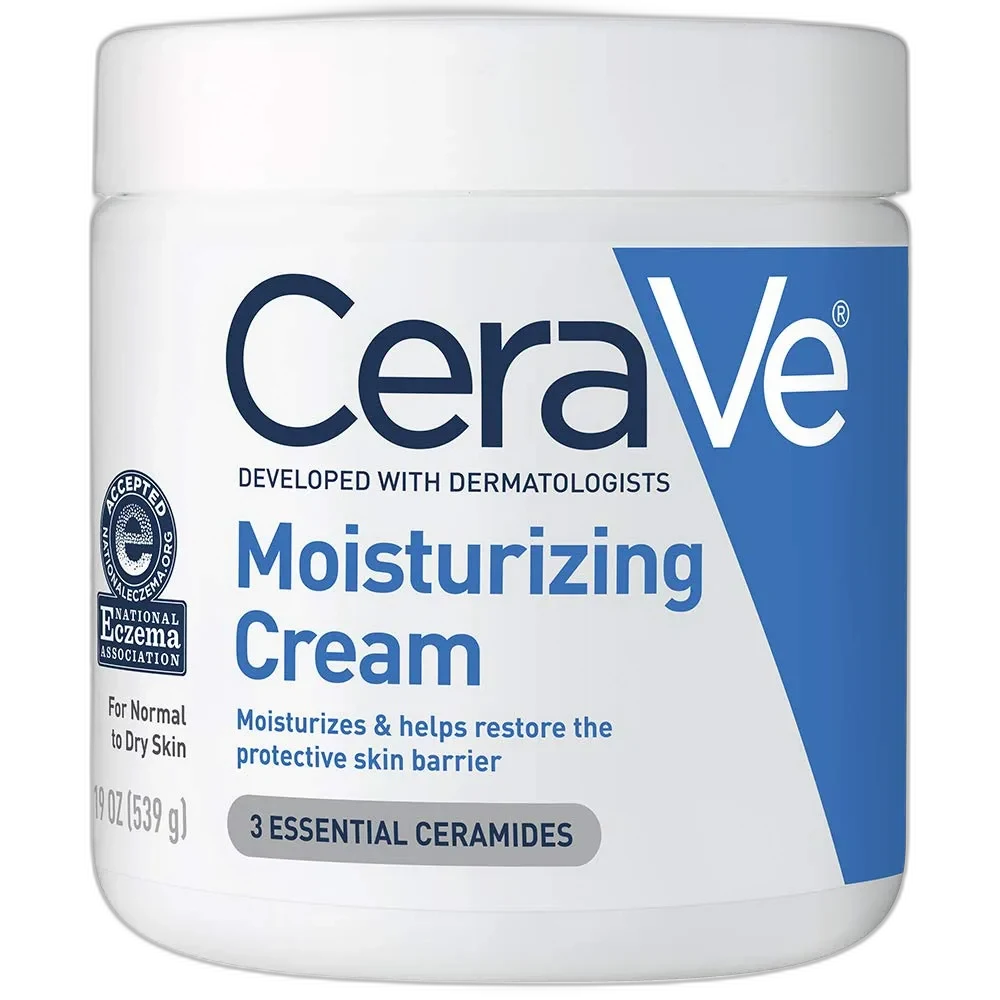
Performance compared to the usual suspects: this sits in a middle zone between the drugstore classics like CeraVe Moisturizing Cream and the mid-tier clean-beauty night creams at twice the price. CeraVe will deliver more clinical barrier repair thanks to the ceramide complex, but it’s a plain, functional formulation. Dream Cream feels more luxurious on the skin, smells pleasantly of nothing, and appeals to customers who want the ‘clean’ checkbox ticked. That’s a legitimate preference, not a silly one — plenty of people find jar creams with recognizable plant ingredients more psychologically satisfying, and if that’s the difference between using the product every night and forgetting about it, the psychological benefit is real.
Value-wise, the price-to-ingredient-quality ratio holds up. You’re not getting the cutting-edge peptide blends or multi-ceramide systems of higher-end brands, but you’re also not paying for them. What you’re paying for is a clean-beauty-approved night cream with a sensible skeleton, no fragrance, and enough richness to actually matter on dry winter skin. Compared to spending $35 on a formula that does roughly the same thing with fancier packaging, this is an easy recommendation for anyone whose priorities match what it delivers.
For dry and normal skin in the colder months, this is a comfortable, low-drama night cream that does exactly what it says on the jar. It’s not going to transform your skin with actives it doesn’t have, but it will keep you soft and plumped overnight and won’t irritate you while doing it. For everyone else, there are better-suited options — oily summer skin will want something lighter, acne-prone users will want something without coconut oil, and anyone looking for dramatic anti-aging results should pair this with a separate retinoid. Used within its lane, it earns its place in the routine.
Ingredient analysis.
Full INCI list
Water (Aqua), Glycerin, Coco-Caprylate/Caprate, Cetearyl Alcohol, Sodium Hyaluronate, Cetearyl Olivate, Sorbitan Olivate, Argania Spinosa (Argan) Kernel Oil\*, Butyrospermum Parkii (Shea) Butter\*, Helianthus Annuus (Sunflower) Seed Oil\*, Cocos Nucifera (Coconut) Oil\*, Persea Gratissima (Avocado) Oil\*, Aloe Barbadensis Leaf Juice\*, Camellia Sinensis (Green Tea) Leaf Extract\*, Tocopherol, Allantoin, Panthenol, Xanthan Gum, Sodium Stearoyl Lactylate, Potassium Sorbate, Sodium Benzoate, Citric Acid, Phenoxyethanol, Ethylhexylglycerin. \*Certified Organic Ingredient.
Skin match.
The science.
The Science
The formula's structural logic makes it more interesting than clean-beauty peers. Glycerin is a well-documented humectant in dermatology; it improves stratum corneum hydration at concentrations as low as 3%. Its second position on the list (after water) shows it does the primary hydrating work, not the botanicals listed later. Sodium hyaluronate adds humectant capacity at multiple molecular weights depending on sourcing, drawing water into the upper epidermis to be held by the emollient layer above.
Argan oil and shea butter form the emollient half of the formula, and both have evidence supporting their skin-conditioning effects. Argan oil contains oleic and linoleic acids, squalene, and tocopherols; small studies show regular use improves skin elasticity and hydration. Shea butter contains triterpenes and unsaponifiable lipids that support the barrier and feel smooth on the skin. Neither is a dramatic active, but together they create a credible emollient-occlusive layer that supports the skin's natural nighttime repair cycle, when transepidermal water loss typically peaks.
This formula is weaker than premium night creams because it lacks dedicated barrier-repair ingredients like ceramides, cholesterol, and fatty acids in defined ratios—the ingredients CeraVe or Dr. Jart+ lead with. Panthenol and allantoin act as gentle supporting players rather than primary barrier workers. The coconut oil in the mid-list is a minor concern for acne-prone users; coconut oil's comedogenic potential varies between individuals and formulations. Overall, the science isn't groundbreaking, but it is a reasonable humectant-emollient system that behaves predictably.
Dermatologist Perspective
Dermatologists generally view plant-oil-based night creams like this as acceptable for patients with non-acneic dry or normal skin who prefer clean-beauty formulations, though most recommend ceramide-dominant options for specific barrier concerns. Board-certified dermatologists often note that glycerin-led formulas perform more reliably than oil-led ones, giving this product a small technical edge over many clean-beauty peers. For acne-prone patients, dermatologists typically advise caution with any formula containing coconut oil, regardless of its position in the ingredient list. Dermatologists commonly prescribe this only as a comfort-layer option, not a primary treatment product—patients seeking anti-aging or pigmentation benefits should pair it with dedicated actives rather than expecting this cream to deliver them.
Where it fits in your routine.
Apply a pea-to-nickel-sized amount to clean skin after serums and treatment products. Warm the product between fingertips and press it into the face and neck, focusing on dry areas around the cheeks and jawline. For very dry winter skin, layer a facial oil on top as a second occlusive step. Use clean fingers or a small spatula to keep the jar hygienic, and store it away from direct sunlight and heat. This is not for daytime use under sunscreen; the formula works for a nighttime routine.
At $19.99 for 1.7 oz, this price competes with clean-beauty night creams that usually cost $28-$45. The humectant-first structure, panthenol, and allantoin provide more technical credibility than same-price competitors using only seed oils and botanicals. It lacks the ceramide-rich barrier repair of CeraVe's PM cream (which costs less) or the active-dense formulations of premium brands, but the value is solid for a comfort-focused night moisturizer with clean-beauty bona fides. Dry-skin users who finish the jar in two to three months will find the monthly cost fair for the comfort it delivers.
Dry, normal, and dry-leaning combination skin types want a clean, plant-based overnight cream that feels thick but not greasy. This works for sensitive-skin users who react to fragrance, those building a vegan or Leaping Bunny-certified routine, and customers seeking a Target-accessible alternative to pricier clean-beauty brands.
Oily, acne-prone, or fungal-acne-prone skin should avoid this because of the coconut oil and thick texture. Users wanting active anti-aging ingredients like retinol, peptides, or vitamin C should find other options — this is a moisturizing step, not a treatment product. Skip this if you prefer airless pump packaging for hygiene.
Product details.
It is unscented. Plant oils and butters provide a mild natural note, but there is no added fragrance.
The frosted glass jar has a screw-top lid and inner plastic insert. It feels weighty and attractive, but the jar format causes repeated finger contact over time.
The first application feels cushiony and slightly occlusive for 90 seconds, then settles into a soft satin finish. Skin shows visible plumping by morning after the first use. It causes no purging or tingling.
2-3 months with nightly application on the face and neck.
12 months
fall winter
The backstory.
The Dream Cream slots into Acure's expanded moisturizer lineup aimed at customers who want a richer nighttime option without jumping up to $40+ brands like Drunk Elephant or Tatcha. It was positioned specifically for the 'I want something heavier for winter but still clean' slot in the Target aisle.
About Acure
Established Brand (5–20 years)Acure launched in 2009 and sells at Target, Whole Foods, and Amazon in the affordable natural-leaning tier. Its products use plant-forward formulas instead of clinical benchmarks, so ingredient transparency provides credibility rather than published trials.
Common myths.
Thick night creams suffocate skin and stop it from breathing overnight.
Skin doesn't breathe through its surface; blood flow delivers oxygen. A thick cream reduces transepidermal water loss overnight, which supports barrier repair during the skin's natural nighttime cycle.
Clean-beauty night creams lack the efficacy of conventional formulas.
Efficacy depends on specific ingredients, not the 'clean' label. This formula's humectant-and-emollient structure moisturizes without silicones or synthetic polymers.
FAQ.
Is this too heavy for combination skin?
Most combination users tolerate it at night, but oilier zones may find it heavy in summer. If you have combination skin, apply a thinner layer to the t-zone and a fuller layer to drier areas.
Can I use this during the day under sunscreen?
You can, but this is an overnight cream and feels heavier than most daytime moisturizers. Acure makes lighter day options that layer better under SPF.
Is this safe for fungal acne (Malassezia) prone skin?
No — it contains coconut oil and other fatty acid sources that feed Malassezia. Users prone to fungal acne need a different night cream, ideally one without esters and fatty acids above C11.
Will this break me out?
For most users, no. But coconut oil appears in the middle of the ingredient list, so acne-prone users should patch test first. Skip this if coconut oil causes breakouts for you.
How does it compare to the Acure Seriously Soothing or Radically Rejuvenating moisturizers?
Dream Cream is the thickest of the three and works for nighttime comfort. Seriously Soothing is lighter for sensitive skin, while Radically Rejuvenating uses more antioxidants. Dry skin in winter prefers Dream Cream.
Is jar packaging a problem for the formula?
The active ingredients here are mostly stable (glycerin, hyaluronic acid, fatty acids) so the jar format isn't a dealbreaker. Using clean fingers or a small spatula helps preserve shelf life and hygiene.
Community
What the community says.
"Very moisturizing without feeling heavy in a jar sense"
"Skin feels soft and plump in the morning"
"No fragrance or scent sensitivity issues"
"Good value for a clean-beauty night cream"
"Breakouts for some acne-prone users"
"Jar packaging is less hygienic than a pump"
"Can feel too rich in warm weather"
"Some wish it came in a larger size"