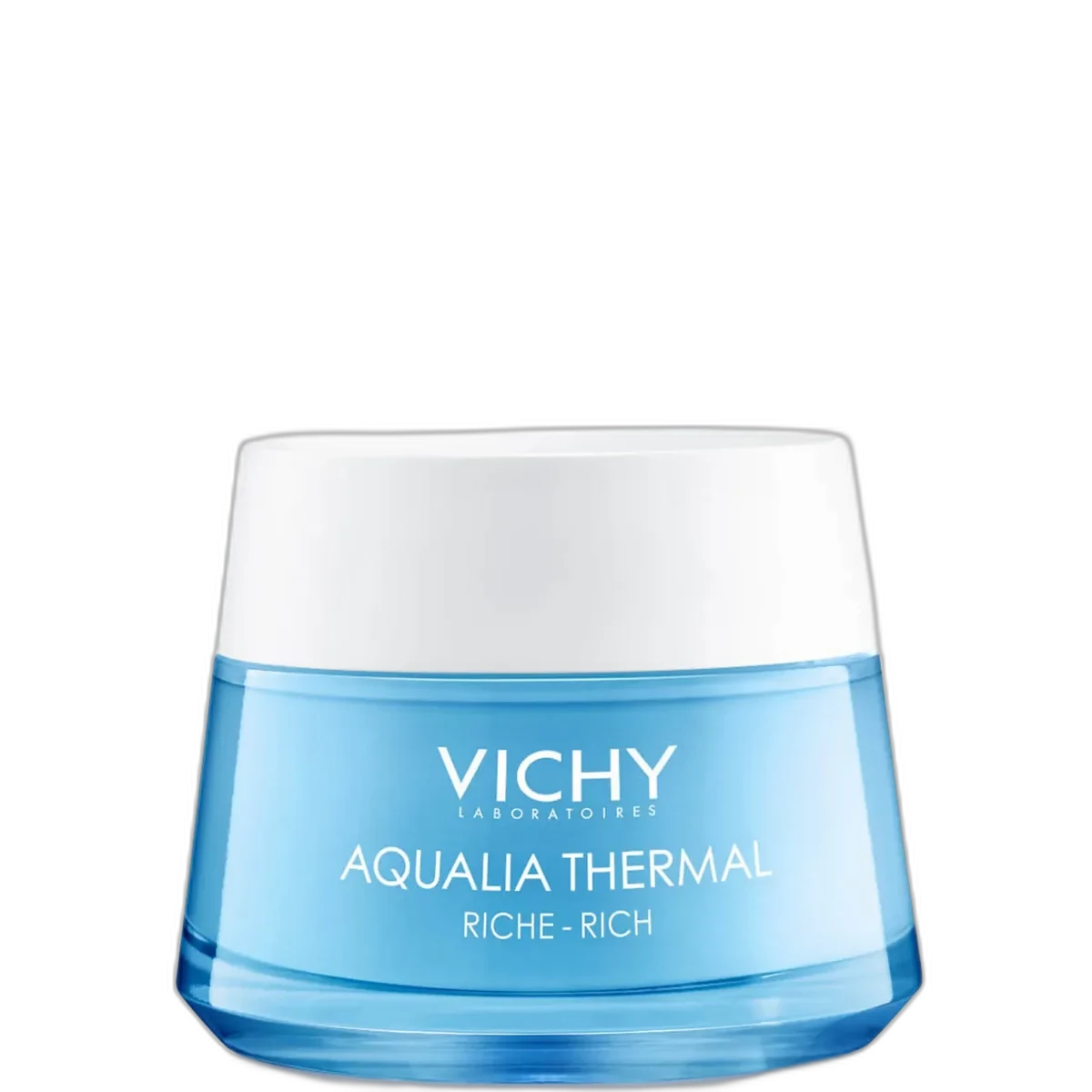
Aqualia Thermal Rich Cream
Winter Hydration Powerhouse
 Verified reviewer
Pros & cons.
- +Four-humectant system (HA, glycerin, mannose, sodium PCA) provides multi-level hydration
- +Dense shea butter emollient layer prevents moisture loss in cold, dry environments
- +Silicone-free 2018 reformulation with 97% natural-origin ingredients
- +Vichy volcanic thermal water backed by peer-reviewed clinical research
- +Absorbs without leaving a greasy film despite its rich, balm-like texture
- +Dermatologist-tested and allergy-tested with clinical validation
- −Contains fragrance despite positioning in the dermo-cosmetic space
- −Alcohol denat. as the sixth ingredient is a trade-off for texture
- −Jar packaging requires finger-dipping — less hygienic than pump or tube
- −Too heavy for daytime use in warm or humid climates
- −Contains comedogenic ingredients (isocetyl stearate, cetearyl alcohol)
- −Fragrance-free version sold separately rather than being the default
The full review.
The Aqualia Thermal shelf usually holds two jars: the Light Cream in a slimmer jar and the Rich Cream in a denser one. Customers buy the Light in April and switch to the Rich in October. This seasonal pattern is so common in French pharmacy culture that pharmacists reportedly reorder stock ratios twice a year to match it.
The Rich Cream uses the same DNA as the Light — a four-humectant hydration architecture that makes the Aqualia Thermal line interesting. Hyaluronic acid draws moisture from the environment. Glycerin, listed second after water, provides immediate surface hydration. Mannose, the plant sugar Vichy uses as a differentiator, adds water-binding capacity through a different biochemical pathway. Sodium PCA supplements the skin’s natural moisturizing factor. This quartet attacks dehydration from four angles, which is more thoughtful than using a single humectant.
The Rich Cream diverges from the Light above the humectant layer. Shea butter has a higher concentration, plus isocetyl stearate and cetyl esters, to create a dense emollient matrix absent in the Light Cream. This engineering choice matters for dry skin: the best humectant system fails if moisture evaporates into low-humidity environments. The Rich Cream’s occlusive layer acts as a lid, preventing transepidermal water loss through physical coverage.
The texture reflects this. The Light Cream is a gel-cream that absorbs in thirty seconds, but the Rich Cream is a balm. It is dense in the jar, needs warming between fingers, and takes one to two minutes to melt into the skin. The finish is satin-to-dewy — not greasy, but more present on the skin than the Light Cream. You feel the cream working, which reassures dry-skin sufferers.
The 2018 reformulation maintains this thick texture while removing all silicones. The previous version used dimethicone and synthetic wax; the current version uses shea butter and plant-derived esters. The formula has 97% natural-origin ingredients and feels as nourishing as the original without the silicone slip.
Clinical data for Vichy volcanic mineralizing thermal water has grown. A 2022 study in the Journal of the European Academy of Dermatology and Venereology found Vichy volcanic water stimulated tight junction protein synthesis and keratinocyte differentiation markers, accelerated cell turnover, and showed superior antioxidant marker stimulation compared to competitor thermal waters. A 2021 study in the Journal of Cosmetic Dermatology showed significant improvements in skin hydration, erythema, and barrier function in 47 participants using a Vichy mineralizing water and hyaluronic acid formulation over four weeks.
The same criticism for the Light Cream applies here: the presence of Parfum/Fragrance and Alcohol Denat. in a cream for sensitive dry skin is an inconsistency. The fragrance is light and dissipates quickly, and the Alcohol Denat. helps the dense cream absorb. However, pharmacy-brand competitors — notably CeraVe and La Roche-Posay — make rich, effective moisturizers without either ingredient. Vichy offers a separate Fragrance-Free Rehydrating Cream, but making fragrance-free the default would strengthen the line.
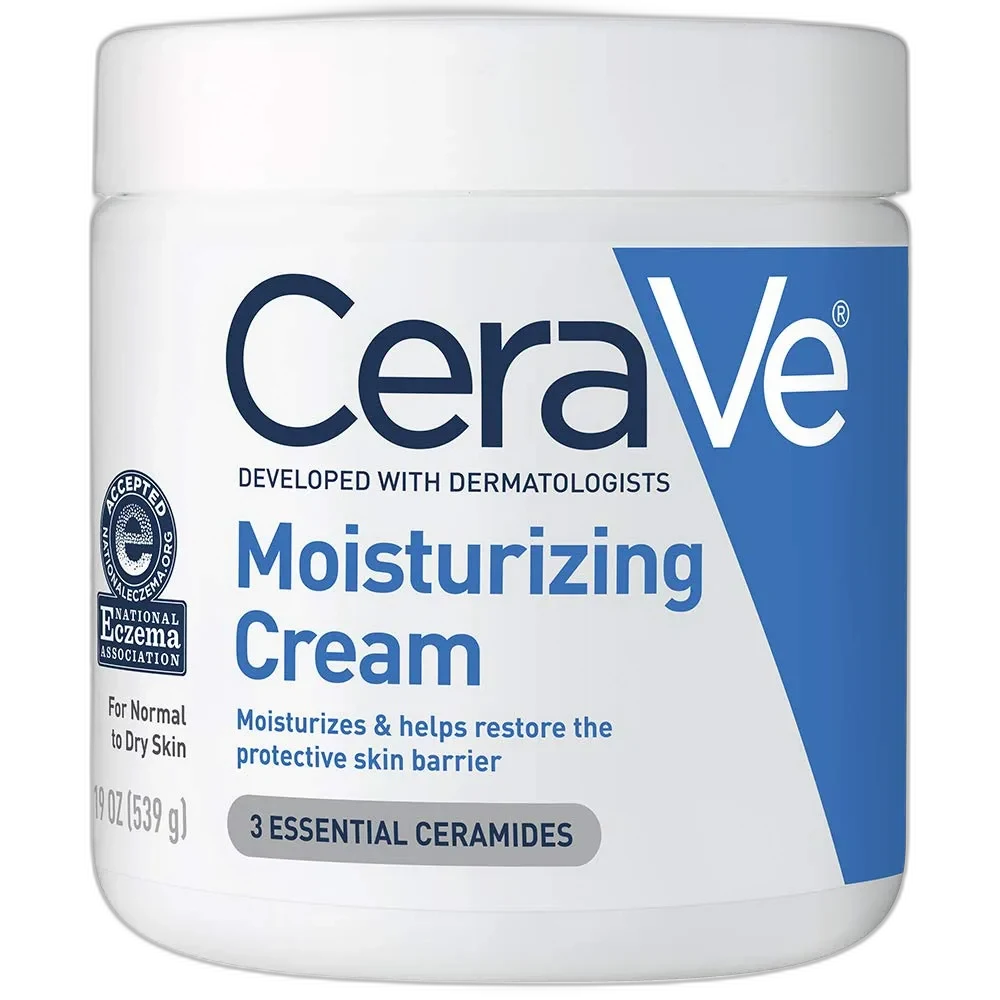
At around thirty dollars for fifty milliliters, the price is competitive in the European pharmacy moisturizer category. It costs more per ounce than CeraVe Moisturizing Cream but much less than luxury alternatives with similar ingredients. The glass jar with a screw-top lid is elegant but impractical, as it requires finger contact with the product every use.
Vichy Aqualia Thermal Rich Cream works best in bad weather. Cold wind, low humidity, and indoor heating cause dry skin barriers to fail when lightweight moisturizers fail. The four-humectant system provides hydration, and the shea butter matrix prevents its escape. It is not perfect — the fragrance and alcohol are unnecessary — but for dry skin in winter, this cream delivers overnight repair that makes the morning mirror look better.
Ingredient analysis.
Full INCI list
Aqua/Water/Eau, Glycerin, Isocetyl Stearate, Propanediol, Cetearyl Alcohol, Alcohol Denat., Cetyl Esters, Butyrospermum Parkii Butter/Shea Butter, Pentylene Glycol, Polyglyceryl-3 Methylglucose Distearate, Mannose, Sodium Polyacrylate, Sodium PCA, Salicylic Acid, Sodium Hyaluronate, Caprylyl Glycol, Citric Acid, Parfum/Fragrance
Skin match.
The science.
The Science
The Aqualia Thermal Rich Cream uses Vichy's volcanic mineralizing thermal water, backed by clinical research. A 2022 study in the Journal of the European Academy of Dermatology and Venereology shows Vichy volcanic water stimulates tight junction proteins (claudin-1, occludin) and keratinocyte differentiation markers, speeds epidermal cell turnover, and provides better antioxidant marker stimulation than competitor thermal waters. This means the thermal water strengthens the barrier beyond simple mineral supplementation.
A 2021 study in the Journal of Cosmetic Dermatology tested a formulation with 89% Vichy mineralizing water and hyaluronic acid on 47 participants with dry skin-related inflammatory dermatoses. After four weeks, the study found complete resolution of erythema (27.6%), desquamation (29.8%), irritation (32%), and dehydration (35.8%). A 2020 study in the same journal found dryness scores dropped by 62.1%, with 74.1% of subjects reporting sufficient hydration.
The cream's humectant system combines these thermal water benefits with proven hydration ingredients. Hyaluronic acid's moisture-binding capacity is well-documented. The high concentration of Glycerin in this formula improves stratum corneum hydration and barrier function via mechanisms like aquaporin-mediated water transport. Mannose has fewer studies than HA or glycerin, but its multiple hydroxyl groups bind water and improve skin biomechanical properties.
References
- Vichy volcanic mineralizing water has unique properties to strengthen the skin barrier and skin defenses against exposome aggressions — Journal of the European Academy of Dermatology and Venereology (2022)
- 89% Vichy mineralizing water with hyaluronic acid is a well-tolerated adjunct treatment that helps restore skin barrier function — Journal of Cosmetic Dermatology (2021)
- Vichy mineralizing water with hyaluronic acid is effective and well tolerated as an adjunct to the management of various dermatoses — Journal of Cosmetic Dermatology (2020)
Dermatologist Perspective
Dermatologists differentiate dehydration (lack of water) from dryness (lack of oil). The Rich Cream treats both: the humectant quartet provides water, while the shea butter matrix provides lipids. Board-certified dermatologists recommend this humectant-plus-occlusive approach for dry skin patients. They note humectants alone can worsen dehydration in low-humidity environments by pulling water from deeper skin layers into the air. The Rich Cream's emollient layer stops this reverse-osmosis effect. Dermatologists view the silicone-free reformulation as a plus for patients avoiding silicones, but they flag the fragrance and alcohol denat. as unnecessary for patients with compromised barriers.
Where it fits in your routine.
Warm a small amount between fingertips and press it into a cleansed face and neck. Apply after toner, serum, or essence. Use it in the evening as a final skincare step, or in the morning in cold, dry climates before sunscreen. For extra hydration, layer it over a hyaluronic acid serum on damp skin. In warmer months, use the Aqualia Thermal Light Cream for daytime and use this at night.
At about thirty dollars for fifty milliliters, this sits in the mid-range for pharmacy moisturizers. The per-ounce price exceeds CeraVe Moisturizing Cream or Vanicream Moisturizing Skin Cream, but it uses a more sophisticated humectant system with clinically studied thermal water. It costs a fraction of luxury moisturizers from brands like Drunk Elephant or Tatcha that have similar ingredient profiles. One jar lasts two to three months using it twice daily on the face. This makes the monthly cost twelve to fifteen dollars — reasonable for this formulation quality.
Dry-to-very-dry skin types need substantial overnight hydration and barrier protection, especially in cold weather. This works well for dehydration from retinoid use, post-procedure dryness, or exposure to cold, wind, or indoor heating. European pharmacy skincare enthusiasts seeking a silicone-free thick cream will like the reformulated formula.
Oily skin types will find this too heavy and pore-clogging. People with fragrance or alcohol sensitivities should use the Fragrance-Free Rehydrating Cream instead. Those prone to fungal acne should note the cetearyl alcohol and fatty esters in the formula. In warm, humid climates, the Light version works better for daily use.
Product details.
Vichy products use a light floral-aquatic fragrance. It is noticeable when applied but not overpowering; it dissipates within a few minutes. It is not fragrance-free.
Glass jar (50 mL) has a screw-top lid. Aqua-blue branding matches the Aqualia Thermal line. No pump dispenser means users must dip fingers in, the main packaging complaint. Finish satindewynon-greasy
The cream feels thick and nourishing when warmed between fingers. It melts onto the skin with a light floral scent and absorbs in one to two minutes. Skin feels immediately cocooned and hydrated — a different sensation from the Light version's quick, weightless absorption. Most users feel no stinging or tingling.
2-3 months with twice-daily facial application
12 months
fall winter
The backstory.
The Aqualia Thermal Rich Cream is the heavy-duty member of Vichy's hydration-focused line, designed for the dry-skin patients who found the original Light Cream insufficient. The 2018 reformulation was significant — removing the dimethicone and synthetic wax that provided the previous version's richness and replacing them with shea butter, cetyl esters, and plant-derived emollients. The result maintained the cream's signature dense, nourishing character while aligning with the growing demand for silicone-free formulations.
About Vichy
Legacy Brand (20+ years)Vichy launched in 1931 in Vichy, France and joined L'Oréal's Active Cosmetics Division in 1980. The brand uses its proprietary volcanic mineralizing thermal water in its formulations. Peer-reviewed journals have studied this water for its antioxidant and barrier-strengthening properties. Vichy products are dermatologist-tested, allergy-tested, and sold in pharmacies across Europe.
Common myths.
Rich creams are too heavy for anything but nighttime use.
Cold, dry, or windy climates often require a thick cream during the day to stop transepidermal water loss that lighter moisturizers cannot fully address. You must adjust moisturizer weight to your environment. In Minneapolis in January, this is a daytime product. In Miami in July, it is a nighttime one.
Alcohol denat. in a moisturizer negates its hydrating benefits.
In this formula, alcohol denat. is the sixth ingredient. It modifies the texture so the dense cream absorbs instead of sitting on the skin. The four humectants (glycerin, HA, mannose, sodium PCA) and the shea butter occlusive layer outweigh any transient drying effect. People with severely compromised barriers may prefer the fragrance-free version, which may also omit alcohol denat.
FAQ.
What is the difference between Vichy Aqualia Thermal Rich and Light?
Both use the same four-humectant hydration system — hyaluronic acid, glycerin, mannose, and sodium PCA — plus Vichy's volcanic thermal water. The Rich version has a thick, balm-like texture with more shea butter and stronger occlusive properties for dry-to-very-dry skin. The Light version is a gel-cream that absorbs fast and works better for normal-to-combination skin. Many users switch between them seasonally.
Is Vichy Aqualia Thermal Rich Cream good for winter skin?
Yes — this formula targets conditions requiring extra protection for dry skin. The thick emollient layer uses shea butter and cetyl esters to create a substantial occlusive barrier against cold, wind, and low humidity. Many reviewers choose the Rich version over the Light version for winter weather.
Does Vichy Aqualia Thermal Rich Cream contain fragrance?
Yes — Parfum/Fragrance is in the ingredients. The scent is a light floral-aquatic fragrance that fades within minutes. Vichy offers a separate Fragrance-Free Rehydrating Cream in the Aqualia Thermal line for those who must avoid fragrance entirely.
Is Vichy Aqualia Thermal Rich Cream silicone-free?
Yes — the 2018 reformulation removed all silicones, including dimethicone. The cream uses shea butter, cetyl esters, and plant-derived emollients to create its thick texture. The formula has 97% natural-origin ingredients.
Can I use Vichy Aqualia Thermal Rich Cream during the day?
Yes, but its thick texture works best at night in temperate or warm climates. In cold, dry, or harsh winter environments, use it as a daytime moisturizer under sunscreen. In warmer conditions, use the Light version during the day and the Rich version at night.
Is Vichy Aqualia Thermal Rich Cream safe during pregnancy?
Yes — the formula has no retinoids or treatment-level actives of concern during pregnancy. The salicylic acid is at preservative concentration, not at the exfoliating levels that require caution. As always, consult your healthcare provider for specific concerns about your skincare routine during pregnancy.
What the community says.
"Deeply hydrating without feeling greasy or heavy"
"Skin feels plumped and smooth by morning after overnight use"
"Excellent for winter weather and harsh dry climates"
"Non-irritating for most sensitive skin types"
"Good value compared to luxury moisturizers with similar ingredients"
"Contains fragrance despite sensitive-skin positioning"
"Contains alcohol denat. which seems contradictory for a hydrating cream"
"Jar packaging is less hygienic than a pump or tube"
"Too heavy for daytime use in warm weather or humid climates"
"Fragrance-free version requires purchasing a separate product"