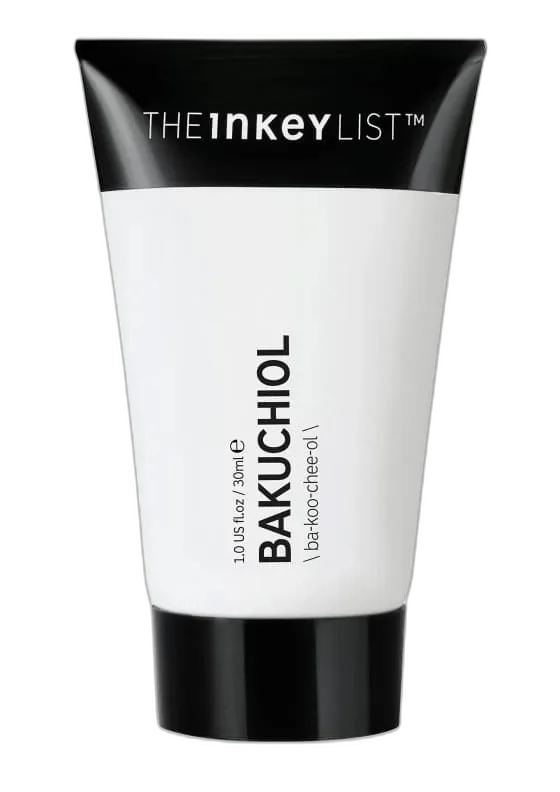
Bakuchiol Moisturizer
Budget Retinol Alternative MVP
 Verified reviewer
Pros & cons.
- +Bakuchiol at 1% exceeds the concentration proven effective in clinical trials
- +Remarkably gentle — no irritation, no purging, no photosensitivity
- +Pregnancy and breastfeeding safe retinol alternative with clinical backing
- +Minimalist 19-ingredient formula with no fragrance, silicone, or filler
- +Exceptional value at 5 for a clinically backed anti-aging moisturizer
- +Layers well under other products and makeup without pilling
- +Leaping Bunny certified cruelty-free and fully vegan
- −Small 30 ml tube lasts only 2-3 months with recommended twice-daily use
- −Natural bakuchiol scent may be off-putting — herbal and minty
- −Anti-aging results require 8-12 weeks of consistent use to become visible
- −Emollient texture may feel too rich for oily skin types in the morning
- −Tube packaging makes it frustrating to extract the last portion of product
- −Not fungal-acne-safe due to sacha inchi oil and sorbitan isostearate
The full review.
The skincare industry reacted when a 2019 British Journal of Dermatology double-blind study showed bakuchiol reduces wrinkles and hyperpigmentation as effectively as retinol, but with less irritation. Bakuchiol products soon appeared at every price point from luxury to drugstore. The INKEY List’s version is no-nonsense: one active ingredient at a clinically relevant dose in a functional moisturizer base, priced at fifteen dollars.
The formula is restrained. It has nineteen ingredients. There is no fragrance, no silicone, no unnecessary botanical extracts, and no vitamin C or niacinamide for label appeal. It uses one percent bakuchiol—double the concentration in the landmark BJD study—in a squalane and glycerin base with sacha inchi oil for omega-3 support. If The Ordinary made ingredients transparent and affordable, The INKEY List applied that philosophy to an ingredient most brands market as premium.
Bakuchiol is a meroterpene from Psoralea corylifolia seeds, a plant used in traditional Ayurvedic and Chinese medicine. It is not a retinoid and is chemically unrelated to vitamin A, despite being marketed as a retinol alternative. It shares a functional outcome with retinol: gene expression profiling shows it upregulates type I and type III collagen through retinol-like signaling pathways. A 2014 study in the International Journal of Cosmetic Science by Chaudhuri and Bojanowski showed this mechanism, and the 2019 BJD clinical trial by Dhaliwal et al. provided the human evidence.
In that twelve-week study of forty-four patients, half-percent bakuchiol applied twice daily produced wrinkle surface area and hyperpigmentation improvements statistically comparable to half-percent retinol applied once daily. The difference was tolerability: retinol users had significantly more scaling and stinging. This finding matters for anyone who stopped using retinol due to flaking or peeling skin.
The INKEY List’s formula uses one percent bakuchiol—double the study dose—which is therapeutically relevant. The three percent squalane base provides an emollient matrix that mimics skin lipids with a lightweight texture for daily use. Sacha inchi oil at one and a half percent adds omega-3 fatty acids to support the anti-inflammatory environment bakuchiol needs. Glycerin acts as the humectant. Tocopherol stabilizes the formula. That is the entire story.
The texture is creamy but lightweight, absorbing without a film. It layers well under serums and sunscreen and does not pill under makeup. Without silicone, it lacks a primer-like slip. On the skin, it feels soft with a subtle satin finish, avoiding the grease of oil-heavy creams or the matte tightness of gels.
The scent is worth noting. Bakuchiol has a natural herbal-minty aroma that the brand does not mask with fragrance. Some users like it; others do not. It dissipates in seconds, but the initial application may be strong for those with scent sensitivity or during pregnancy.
Results follow clinical timelines. Smoothness and texture improve within two to four weeks. Anti-aging effects—reduced fine lines, brighter skin tone, and fewer dark spots—emerge around eight to twelve weeks. This is not the instant peeling of retinol. It is the steady approach of an ingredient working at the gene expression level without disrupting the surface.
The limitations are clear. The thirty-milliliter tube is small; two to three months of twice-daily use is optimistic if you cover your face and neck. At fifteen dollars, the per-use cost is excellent, but you will rebuy often. The emollient formula may feel too rich for oily skin in the morning. Also, the packaging makes extracting the last third of the product difficult.
For those allergic to retinol, pregnant or breastfeeding, or seeking a gentle anti-aging entry point, this is a straightforward recommendation. The ingredient works. The concentration matches or exceeds clinical doses. The formula is minimal. The price removes financial barriers. The INKEY List did not reinvent skincare; they made a proven ingredient accessible.
Ingredient analysis.
Full INCI list
Aqua (Water), Squalane, Glycerin, Propanediol, Plukenetia Volubilis Seed Oil, Dicaprylyl Carbonate, Bakuchiol, Phenoxyethanol, Sodium Caproyl Prolinate, Hydroxyethyl Acrylate/Sodium Acryloyldimethyl Taurate Copolymer, Carbomer, Sodium Hydroxide, Ethylhexylglycerin, Sodium Stearoyl Glutamate, Polysorbate 60, Phytic Acid, Glyceryl Polyacrylate, Sorbitan Isostearate, Tocopherol
Skin match.
The science.
The Science
Clinical research supports bakuchiol. The 2019 Dhaliwal et al. study in the British Journal of Dermatology used a prospective, randomized, double-blind trial of 44 patients. It compared 0.5% bakuchiol (applied twice daily) to 0.5% retinol (applied once daily) over 12 weeks. Both groups had statistically significant decreases in wrinkle surface area and hyperpigmentation, with no significant difference between the two treatments. The retinol group reported significantly more facial skin scaling and stinging, which shows bakuchiol is a gentler alternative with comparable efficacy.
Chaudhuri and Bojanowski explained the mechanism in a 2014 study in the International Journal of Cosmetic Science. Gene expression profiling shows bakuchiol modulates retinol-like pathways, including upregulation of types I and III collagen, type IV collagen, and aquaporin-3. This retinol-like functional activity uses a different molecular mechanism — bakuchiol is a meroterpene, not a retinoid, and does not bind retinoid receptors directly.
A 2022 systematic review by Puyana et al. in the Journal of Cosmetic Dermatology examined 30 articles and confirmed benefits for photoaging, acne, and post-inflammatory hyperpigmentation. A 2024 systematic review by Fanning et al. in the Journal of Drugs in Dermatology analyzed 15 human clinical trials and found promising results, though many trials were open-label without control groups, requiring more rigorous methodology. The 1% concentration in this INKEY List formula is higher than the 0.5% dose in the BJD trial.
References
- Prospective, randomized, double-blind assessment of topical bakuchiol and retinol for facial photoageing — British Journal of Dermatology (2019)
- Bakuchiol: a retinol-like functional compound revealed by gene expression profiling and clinically proven to have anti-aging effects — International Journal of Cosmetic Science (2014)
- Applications of bakuchiol in dermatology: Systematic review of the literature — Journal of Cosmetic Dermatology (2022)
- Human Clinical Trials Using Topical Bakuchiol Formulations for the Treatment of Skin Disorders: A Systematic Review — Journal of Drugs in Dermatology (2024)
Dermatologist Perspective
Dermatologists use bakuchiol as an alternative for patients who cannot tolerate retinoids due to sensitivity, rosacea, eczema, or pregnancy. Board-certified dermatologists note that while the evidence base is still maturing compared to retinol's decades of research, the 2019 BJD study provides clinical validation. Dermatologists value the lack of photosensitivity, which allows twice-daily use without the PM-only restriction of retinoids. For pregnant and breastfeeding patients seeking anti-aging benefits, dermatologists often recommend bakuchiol as the most evidence-backed plant-derived option available.
Where it fits in your routine.
Apply a pea-sized amount to clean skin every morning and evening. Bakuchiol does not cause photosensitivity, so use it during the day with your normal SPF. Apply it directly after water-based serums. Unlike retinol, you do not need to build tolerance; start with twice-daily application immediately. Pat gently into the skin and let it absorb before you apply sunscreen or makeup.
At 5 for 30 ml, this is among the most affordable clinically backed anti-aging products available — roughly /bin/bash.50 per ml versus -5 per ml for luxury bakuchiol formulations. Only one size exists, requiring frequent repurchasing, but buying four tubes per year costs 0 — less than one luxury eye cream. The INKEY List has been an emerging brand since 2018, so it has less historical validation than established brands, but the transparent formulation with disclosed concentrations makes up for it. The science supports outstanding value here.
This works for anyone wanting gentle, proven anti-aging without retinol side effects. It suits sensitive skin, pregnant or breastfeeding individuals, retinol-intolerant skin, and budget-conscious shoppers seeking clinical backing at a drugstore price.
Skip this if you have very oily skin and want a lightweight or matte moisturizer. People with fungal acne should avoid the sacha inchi oil. If you tolerate retinol well and want maximum anti-aging potency, retinol or retinaldehyde delivers faster, stronger results.
Product details.
This lightweight white cream spreads easily and absorbs well. The squalane and sacha inchi oil base makes the texture creamy and emollient without feeling heavy. It does not pill or ball up under other products.
Fragrance-free with no added parfum. The natural bakuchiol ingredient has a mild herbal-minty scent that some users notice when applying. The scent fades within seconds to minutes.
The INKEY List uses a minimalist design: a white plastic squeeze tube with a black screw-top cap. The recyclable plastic tube works well, but users often cut it open to reach the last bit of cream.
The cream feels lightweight and absorbs fast on first use. It causes no tingling, burning, or irritation, unlike retinol products. Skin feels soft and moisturized immediately. The mild herbal scent of bakuchiol shows on first application but fades fast. No adjustment period or purging occurs.
2-3 months with twice-daily use of a pea-sized amount
12 months
All Year
The backstory.
The INKEY List launched this product as part of its founding philosophy: identify a clinically studied ingredient, formulate it at an effective concentration, and sell it at an accessible price. Bakuchiol gained mainstream attention after the 2019 British Journal of Dermatology study showed comparable results to retinol without the side effects, and The INKEY List was among the first affordable brands to capitalize on this research with a dedicated bakuchiol moisturizer.
About The INKEY List
Emerging Brand (2–5 years)Colette Laxton and Mark Curry founded The INKEY List in 2018 to make effective skincare affordable and transparent. The brand sells ingredient-focused formulations at Sephora and Ulta and has a large following, but lacks the clinical heritage of dermatologist-developed brands.
Common myths.
Bakuchiol is just a weaker version of retinol
Bakuchiol and retinol are chemically unrelated; bakuchiol is a meroterpene, not a retinoid. A 2019 study in the British Journal of Dermatology shows 0.5% bakuchiol and 0.5% retinol reduce wrinkles and hyperpigmentation similarly over 12 weeks. Bakuchiol uses a different mechanism to achieve similar gene expression modulation.
Build tolerance to bakuchiol just as you do with retinol.
Bakuchiol does not cause the retinization process (peeling, dryness, purging) seen with retinol, so it does not require gradual introduction. Most users can apply it twice daily immediately. The ingredient does not increase photosensitivity; no sun precautions beyond normal SPF use are needed.
FAQ.
How does bakuchiol compare to retinol for anti-aging?
A 2019 study in the British Journal of Dermatology shows 0.5% bakuchiol applied twice daily improves wrinkles and hyperpigmentation as much as 0.5% retinol applied once daily over 12 weeks. The bakuchiol group had less scaling and stinging. This moisturizer contains 1% bakuchiol — double the study concentration.
Can I use The INKEY List Bakuchiol Moisturizer in the morning?
Yes — bakuchiol does not cause photosensitivity like retinol does. You can use it morning and evening. In the morning, follow with sunscreen as part of your normal routine. However, people with oily skin may find the emollient texture too thick for daytime use.
How long does it take to see results from bakuchiol?
Most users see smoother skin and better texture within 2-4 weeks. Clinical study timelines show more significant anti-aging results — reduced fine lines and more even skin tone — at 8-12 weeks with consistent twice-daily use.
Why does The INKEY List Bakuchiol Moisturizer smell weird?
The formula is fragrance-free, but bakuchiol has a natural herbal-minty scent that some users find unexpected. This scent comes from the raw ingredient, not an added fragrance. The scent dissipates seconds after application and does not linger on the skin.
Can I layer The INKEY List Bakuchiol with other actives?
Yes — bakuchiol works with almost all other skincare ingredients. Unlike retinol, it does not conflict with vitamin C, AHAs, BHAs, or niacinamide. Apply it as your moisturizer after water-based serums and before sunscreen in the morning.
Is 1% bakuchiol a high enough concentration to be effective?
Yes — the landmark clinical study used only 0.5% bakuchiol and found results comparable to 0.5% retinol. At 1%, this moisturizer contains double the studied concentration, which is well within the effective range based on published research.
What the community says.
"Gentle and non-irritating — perfect for sensitive skin and retinol-intolerant individuals"
"Noticeable improvement in skin smoothness and texture within a month"
"Affordable price point makes anti-aging accessible at just 5"
"Pregnancy-safe retinol alternative backed by clinical research"
"Lightweight enough to layer well under other products and makeup"
"Minimalist 19-ingredient formula with no unnecessary filler"
"Small 30 ml tube runs out in about 2-3 months with twice-daily use"
"Natural bakuchiol scent can smell minty or herbal — off-putting for some"
"Anti-aging results take 8-12 weeks of consistent use to become visible"
"Too emollient for oily skin types especially when used in the morning"
"Tube packaging makes it difficult to extract the last portion of product"
"Some users report mild breakouts during initial adjustment period"