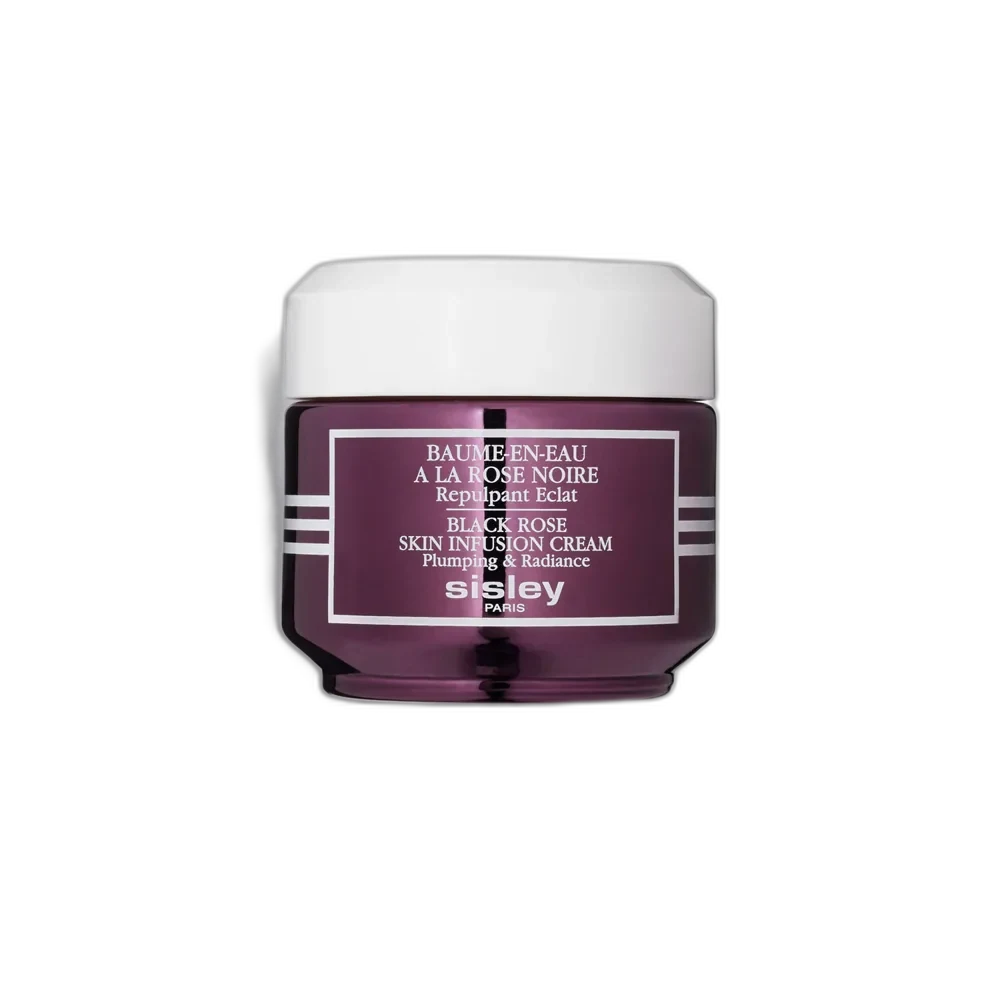
Black Rose Skin Infusion Cream
Luxury Radiance Cream
 Verified reviewer
Pros & cons.
- +Rich, cushioned cream texture that layers beautifully under makeup
- +Real immediate hydration and radiance effect from humectants and shea butter
- +Pleasant, well-balanced sensorial experience
- +Suitable as a daily moisturizer for dry, normal, and combination skin
- +Panthenol and allantoin supporting cast provides genuine barrier care
- +Good buffer layer for retinol users with dry skin
- −$245 is not justified by the measurable formulation benefits
- −Rose callus culture extract has limited clinical evidence beyond general plant extract activity
- −Strong rose fragrance limits use for reactive or fragrance-sensitive skin
- −Shea butter base is too rich for oily or acne-prone skin
- −50ml jar is relatively small for daily use at this price point
The full review.
If a luxury skincare brand has a highly successful weekly cream mask, the logical move is to bottle that ritual as a daily version. Sisley did this in 2018 by launching the Black Rose Skin Infusion Cream as a daily moisturizer companion to the Black Rose Cream Mask. It uses the same fragrance profile, the same rose callus culture hero active, and the same glossy silver jar. It follows the same philosophy: skincare is a sensorial ritual first and a clinical intervention second. The cream targets customers who loved the weekly mask and want to use it every morning and evening without finishing a $175 jar in ten days. This expansion makes sense strategically, but as an objective skincare purchase, it is more complicated.
The formula is well-assembled. The base uses glycerin, propanediol, caprylic/capric triglyceride, dimethicone, and shea butter to create a cream matrix that provides immediate hydration and a silky, cushioned texture. Panthenol, allantoin, sodium hyaluronate, and vitamin E handle barrier-care and soothing. The hero ingredient and marketing focus is Damascena rose callus culture extract—a biotechnology-derived rose ‘stem cell’ ingredient used across the Black Rose line. The language around plant stem cell skincare often oversells the science.
A plant callus culture extract is not a living stem cell. It is a concentrated cocktail of plant metabolites—polyphenols, flavonoids, and other phytochemicals—from undifferentiated plant cells grown in culture. On the skin, these extracts provide antioxidant and soothing activity based on their concentration and metabolite profile. They do not activate skin stem cells, they do not deliver living cellular machinery, and evidence for anti-aging effects beyond standard plant extracts is limited. This evidence gap exists across the entire plant stem cell skincare category. Knowing this changes how you evaluate the purchase.
The cream performs well in standard ways: it produces immediate plumping and radiance on dehydrated or tired skin. Glycerin and hyaluronic acid pull water into the upper epidermis, while shea butter and dimethicone seal it in. Ten minutes after application, skin looks more luminous and feels softer. This effect is real and cumulative; consistent use over several weeks improves overall hydration and dehydration-related dullness. However, these effects are not unique to Sisley. They are the baseline performance of any well-built humectant-and-occlusive cream available at many price points.
The experience is lovely. The cream is thick without being heavy, melts onto skin with a cushioned glide, leaves a satin finish with a glow, and layers well under sunscreen and makeup. The rose fragrance is prominent and unmistakably Sisley, which is likely the biggest selling point for fans. For fragrance-reactive skin or fragrance-free routines, the scent is disqualifying; the rose note is central to the experience. The packaging is elegant, the jar feels substantial, and the application ritual is what Sisley customers pay for. This provides real value, even if it is not clinical value.
The price is the difficult part. At $245 for 50ml, this top-tier luxury daily moisturizer costs roughly $100 per month for face and neck use. The formulation is competent, the experience is luxurious, and the hydration effects are real, but they are not meaningfully different from a $40-80 well-built cream from a cheaper brand. Whether the Sisley experience justifies the premium depends on if you value the ritual more than the chemistry. For loyal customers, it is an easy yes. For others, a vitamin C serum and a mid-range hydrating cream would likely deliver better visible improvements for the same total spend. Both answers are correct; they simply address different goals for skincare.
Formula
Ingredient analysis.
Full INCI list
Aqua, Glycerin, Caprylic/Capric Triglyceride, Propanediol, Dimethicone, Butyrospermum Parkii (Shea) Butter, Cetearyl Alcohol, Rosa Damascena Flower Extract, Rosa Damascena Flower Wax, Rosa Damascena Callus Culture Extract, Camellia Sinensis Leaf Extract, Padina Pavonica Thallus Extract, Glycyrrhiza Glabra Root Extract, Vitis Vinifera Fruit Extract, Panthenol, Tocopheryl Acetate, Sodium Hyaluronate, Allantoin, Glyceryl Stearate, Phenoxyethanol, Parfum, BHT
Skin match.
The science.
The Science
This cream's hydration and barrier-support effects are well-established and not brand-specific. Glycerin, positioned near the top of the INCI, is a highly validated humectant. Research in the International Journal of Cosmetic Science shows that 5-10% glycerin improves stratum corneum hydration. Sodium hyaluronate adds water-binding capacity, while shea butter, caprylic/capric triglyceride, and dimethicone create the occlusion needed to retain humectant-bound water.
Panthenol (provitamin B5) has strong clinical evidence for improving skin hydration, reducing transepidermal water loss, and supporting minor barrier repair. Allantoin provides mild keratolytic and soothing effects. These ingredients deliver the cream's measurable clinical benefits.
The rose-related hero ingredients — Damascena rose extract, rose wax, and rose callus culture extract — drive the brand narrative rather than the primary active mechanism. Plant callus culture extracts are biotechnology-derived ingredients that provide concentrated phytochemicals from the parent plant. Research on Damascena rose phytochemistry identifies polyphenols, flavonoids, and terpenes with antioxidant and mild anti-inflammatory properties, but clinical evidence for uniquely powerful cosmetic effects from these specific extracts — beyond general plant antioxidants — is limited. Marketing language around 'stem cell skincare' overstates the biological mechanism; topical plant callus extracts do not interact with human skin stem cells and do not provide cellular regenerative activity.
The supporting botanicals — padina pavonica, camellia sinensis, vitis vinifera, glycyrrhiza glabra — are sensible inclusions with documented antioxidant, soothing, or mild brightening activity in other cosmetics. Together, they form a supporting cast without offering unique innovation.
Dermatologist Perspective
Dermatologists view luxury radiance creams like they view luxury SPF products: they are not clinically problematic and often feel pleasant, but they rarely deliver results proportional to their price compared to mid-market alternatives. This Sisley cream is a well-formulated daily moisturizer with competent hydration and soothing performance. However, dermatologists note that the hero rose callus culture ingredient is an emerging rather than established active. Patients seeking measurable anti-aging outcomes would be better served by a retinoid, a vitamin C serum, or a well-formulated mid-range moisturizer paired with consistent sunscreen use. Board-certified dermatologists note that for dry-skin patients who value the ritual and sensorial experience of luxury skincare, a cream like this works as a pleasant daily moisturizer — but not as a replacement for evidence-based actives.
Where it fits in your routine.
Apply to clean skin after serums as the final moisturizing step, morning and evening. Warm a small amount between your fingers and press it onto your face and neck. Wait one to two minutes for the cream to settle before applying sunscreen or makeup in the morning. If you use retinol, apply retinol first to dry skin, wait a few minutes, then apply this cream as a buffer.
At $245 for 50ml, the value comes from the brand, not the formulation. Other luxury-tier daily moisturizers with similar supporting ingredients cost $100-150. Mid-market options with the same core humectant and occlusive structure cost $40-80. Daily face and neck use lasts two to three months, costing $80-120 per month. This is a high ongoing cost for a product with measurable clinical benefits not substantially greater than cheaper options. The value depends on how much the consumer values the Sisley brand, fragrance, texture, and ritual. The math works for loyal Sisley customers; it does not for anyone evaluating the cream on objective grounds.
Sisley loyalists, luxury skincare enthusiasts who value the sensorial ritual of premium moisturizers, and customers who love the Black Rose Cream Mask and want a daily-use version. It suits dry, normal, or combination skin for those with the budget to skip comparison shopping.
If you buy skincare based on ingredient quality per dollar, mid-market options offer better value. The shea butter base is too thick for oily or acne-prone skin. Avoid the strong rose scent if you have fragrance-sensitive skin. Instead of spending $245 on a moisturizer, users seeking evidence-based anti-aging actives should add a retinoid or vitamin C serum to their routine.
Product details.
Rich, cushiony cream with a silky spread
Prominent Damascena rose fragrance
Heavy glass jar with rose-and-silver detailing
The thick texture feels cushioned. It plumps skin immediately and shows a glow within minutes. The rose fragrance is strong and immediate. Normal skin feels no stinging or irritation.
Approximately 2-3 months with daily face and neck use
12 months
All Year
The backstory.
Launched in 2018, the Skin Infusion Cream was built as a daily-use companion to the bestselling Black Rose Cream Mask. It was positioned around the idea of 'infusing' the benefits of the mask into a cream suitable for morning and evening use, bringing the rose callus culture extract into a more routine-friendly format.
About Sisley
Sisley Paris has nearly five decades of presence in luxury skincare and built its reputation around plant-based 'phytocosmetology.' Its Black Rose line is one of the brand's most commercially successful sub-collections, though independent clinical studies specific to this cream are limited.
Common myths.
Plant stem cell extracts work like stem cells in the skin.
Topical plant callus culture extracts are concentrated plant metabolites, not living stem cells. Marketing for "stem cell skincare" overstates the biological mechanism. These ingredients deliver only the phytochemicals the parent plant produces.
FAQ.
How is this different from the Black Rose Cream Mask?
The Skin Infusion Cream is designed for daily morning and evening use as a moisturizer, while the Cream Mask is a more intensive weekly treatment. They share similar botanical hero ingredients but differ in texture and intended use case.
Is this worth the $245 price tag?
For most buyers, no—based on ingredient quality per dollar, comparable luxury creams exist at lower prices and mid-range creams provide equivalent hydration. You pay for the Sisley brand experience, fragrance, and texture.
Does it really use stem cells?
It contains a rose callus culture extract, which is a biotechnology-derived plant extract from cultured rose cells. Topical plant 'stem cell' extracts deliver the phytochemicals from the plant, not living stem cell activity in your skin.
Can I use it with retinol?
Yes — the thick, cushioned cream base buffers retinol for users with dry or sensitive skin. Apply retinol first, wait a few minutes, then apply this cream.
Is it suitable for daytime wear under makeup?
Yes — the cream absorbs to a satin finish and layers well under sunscreen and foundation.
What the community says.
"Rich cream that produces immediate radiance"
"Layers well under makeup"
"Signature rose fragrance is widely loved among Sisley fans"
"Very expensive for the measurable benefit"
"Fragrance may be too strong for sensitive skin"
"Similar to the brand's other Black Rose products in effect"