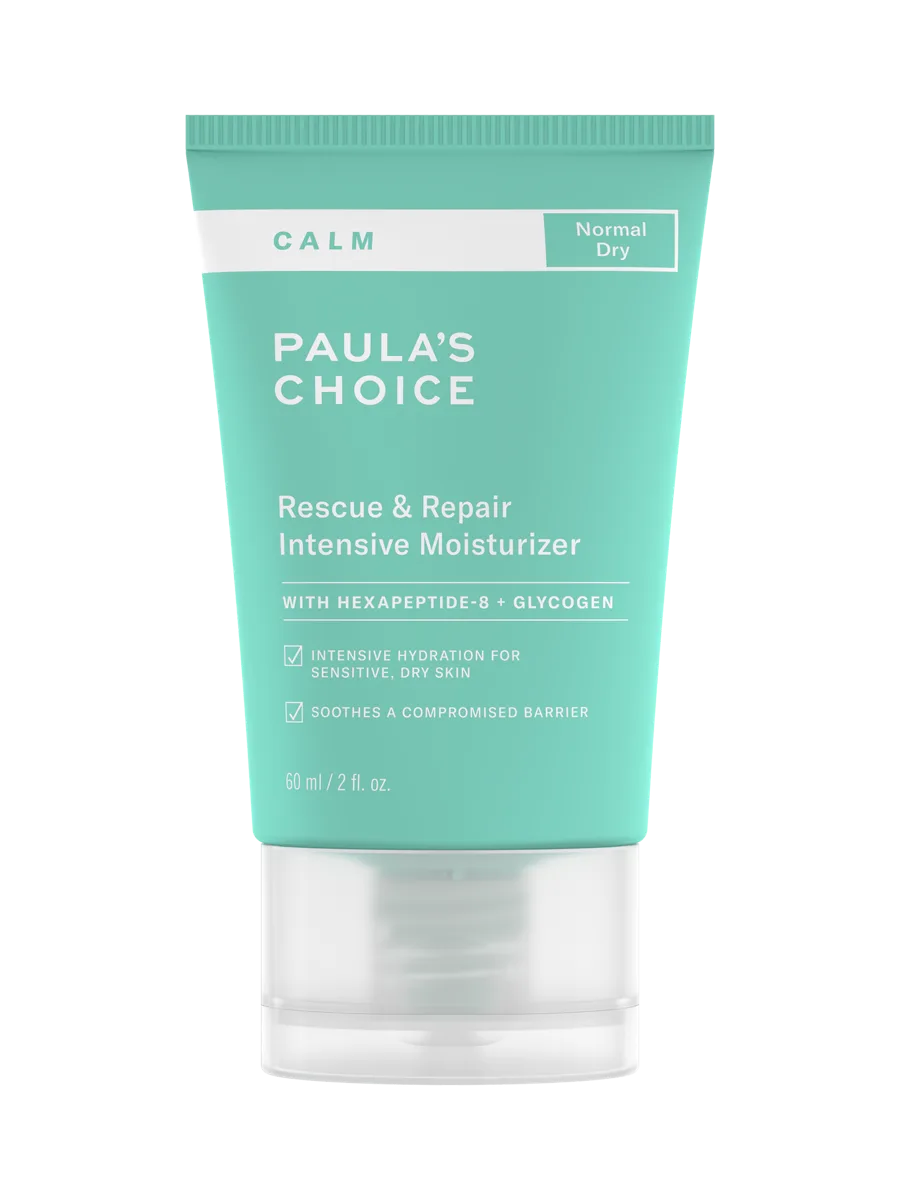
Calm Redness Relief Moisturizer
Sensitive Skin Safe Haven
 Verified reviewer
Pros & cons.
- +Ceramide-cholesterol-fatty acid trio provides clinically-informed barrier repair for compromised skin
- +Completely fragrance-free with zero common irritants — genuinely safe for rosacea-prone skin
- +Includes gentle anti-aging actives that reactive skin can tolerate
- +Oat extract provides documented anti-inflammatory and redness-calming benefits
- +Comfortable cream texture absorbs well without excessive heaviness
- +Reasonable price at $33 for 2 oz in protective tube packaging
- +Pregnancy-safe with no retinoids or concerning ingredients
- −Too rich for oily or acne-prone skin types
- −Contains petrolatum which some consumers prefer to avoid
- −Anti-aging actives are modest — won't deliver dramatic wrinkle results
- −Not a rosacea treatment — provides supportive care only
- −May be too heavy for daytime use in humid climates
The full review.
There’s a frustrating catch-22 in sensitive skincare: the skin that needs the most help is the skin that can tolerate the least. Most brands resolve this by creating products that are essentially expensive water with a touch of glycerin — soothing enough, sure, but leaving reactive skin exactly where it started. Paula’s Choice took a more ambitious approach with the Calm Redness Relief Moisturizer, and the result manages to be both genuinely gentle and genuinely effective.
The ingredient strategy here is worth understanding because it explains why this works differently than the average ‘sensitive skin’ cream. At its core, this is a barrier repair formula built around a ceramide-cholesterol-fatty acid complex. Ceramide NP replenishes the lipids between skin cells that are often depleted in rosacea and reactive skin conditions. Cholesterol fills the gaps in the lipid matrix. Linoleic and linolenic acids provide essential fatty acids the skin can’t produce on its own. Dermatologists have understood the importance of this lipid trio for decades, but it’s surprisingly uncommon in products specifically marketed for redness-prone skin.
Layered around this barrier framework, you get squalane for lightweight emolliency, jojoba seed oil that mimics the skin’s natural sebum composition, and petrolatum for the final occlusive seal. The petrolatum will raise eyebrows in some circles — the clean beauty movement has worked hard to vilify it — but dermatologically, it’s one of the most effective and safest occlusive agents available, with a comedogenicity rating of zero. In a formula for skin that can’t afford to lose moisture, it earns its place.
What separates this from the soothing-and-nothing-else approach is the inclusion of actives that sensitive skin typically gets denied. Magnesium ascorbyl phosphate — a gentle, stable vitamin C form — provides antioxidant protection and mild brightening without the acidic pH that makes L-ascorbic acid intolerable for reactive skin. Decarboxy carnosine HCl, an anti-glycation peptide, addresses the aging concern that sensitive skin types are often forced to ignore because standard anti-aging ingredients are too irritating. Sodium hyaluronate draws moisture into the skin. These are modest actives at modest concentrations, but for skin that can’t tolerate much, modest is exactly right.
The oat kernel extract handles the ‘redness relief’ promise. Oat’s avenanthramides are among the best-documented botanical anti-inflammatories, and in a formula designed for rosacea-prone skin, they work to calm the baseline inflammatory activity that keeps reactive skin perpetually pink. This isn’t a dramatic overnight transformation — it’s a gradual reduction in daily redness that compounds over weeks of consistent use.
The texture lands in a comfortable middle ground — richer than a lotion, lighter than a traditional night cream. It spreads easily, absorbs without leaving a heavy film, and provides the kind of immediate comfort that reactive skin craves: no tingling, no burning, no warmth, just a quiet sense of relief. Under mineral sunscreen, it sits well without pilling. At night, it provides enough occlusion to lock in moisture without suffocating the skin.
The zero-fragrance formulation is non-negotiable for this skin type, and Paula’s Choice delivers it without compromise. No masking fragrances, no essential oils, no botanical extracts chosen for scent rather than function. Every ingredient serves a purpose: hydration, barrier repair, soothing, or gentle anti-aging.
At $33 for 2 ounces, the value is reasonable — not the cheapest sensitive skin moisturizer available, but significantly less expensive than many competing products with less sophisticated barrier-repair technology. The tube packaging protects the ceramides and vitamin C from air and light degradation.
The honest limitations: this is too rich for oily skin, full stop. The jojoba oil, petrolatum, and cream texture will feel heavy on anyone who doesn’t need the emolliency. In humid climates, even normal-to-dry skin types may find it more comfortable as an evening-only product. And for rosacea patients with moderate to severe symptoms, this is a supportive moisturizer, not a treatment — prescription medications address the disease; this addresses the skin environment.
But for the person with perpetually reactive skin who’s tired of moisturizers that are either too gentle to do anything or too active to tolerate — this fills the gap elegantly. It’s not the most exciting product Paula’s Choice makes. It doesn’t have a catchy marketing hook. It just works, consistently and quietly, which is exactly what sensitive skin needs.
Formula
Texture
The texture lands in a comfortable middle ground — richer than a lotion, lighter than a traditional night cream. It spreads easily, absorbs without leaving a heavy film, and provides the kind of immediate comfort that reactive skin craves: no tingling, no burning, no warmth, just a quiet sense of relief. Under mineral sunscreen, it sits well without pilling. At night, it provides enough occlusion to lock in moisture without suffocating the skin.
Scent
The zero-fragrance formulation is non-negotiable for this skin type, and Paula’s Choice delivers it without compromise. No masking fragrances, no essential oils, no botanical extracts chosen for scent rather than function. Every ingredient serves a purpose: hydration, barrier repair, soothing, or gentle anti-aging.
Packaging
At $33 for 2 ounces, the value is reasonable — not the cheapest sensitive skin moisturizer available, but significantly less expensive than many competing products with less sophisticated barrier-repair technology. The tube packaging protects the ceramides and vitamin C from air and light degradation.
Not ideal for
The honest limitations: this is too rich for oily skin, full stop. The jojoba oil, petrolatum, and cream texture will feel heavy on anyone who doesn’t need the emolliency. In humid climates, even normal-to-dry skin types may find it more comfortable as an evening-only product. And for rosacea patients with moderate to severe symptoms, this is a supportive moisturizer, not a treatment — prescription medications address the disease; this addresses the skin environment.
Works for
But for the person with perpetually reactive skin who’s tired of moisturizers that are either too gentle to do anything or too active to tolerate — this fills the gap elegantly. It’s not the most exciting product Paula’s Choice makes. It doesn’t have a catchy marketing hook. It just works, consistently and quietly, which is exactly what sensitive skin needs.
Ingredient analysis.
Full INCI list
Aqua, Ethylhexyl Stearate, Simmondsia Chinensis (Jojoba) Seed Oil, Butylene Glycol, Glycerin, Petrolatum, Cetearyl Alcohol, Dipentaerythrityl Hexacaprylate/Hexacaprate, Tridecyl Trimellitate, Phenyl Trimethicone, Sodium Hyaluronate, Ceramide NP, Cholesterol, Tocopherol, Squalane, Magnesium Ascorbyl Phosphate, Dimethicone, Polysorbate 60, Hydrolyzed Jojoba Protein, Avena Sativa (Oat) Kernel Extract, Hydrogenated Lecithin, Whey Protein, Tridecyl Stearate, Neopentyl Glycol Dicaprylate/Dicaprate, Myristyl Myristate, Linoleic Acid, Linolenic Acid, Decarboxy Carnosine HCl, Hydroxyethyl Acrylate/Sodium Acryloyldimethyl Taurate Copolymer, Acrylates/C10-30 Alkyl Acrylate Crosspolymer, Cetearyl Glucoside, Cetyl Alcohol, Polyglyceryl-3 Beeswax, Aminomethyl Propanol, Disodium EDTA, Phenoxyethanol, Benzoic Acid, Chlorphenesin, Sorbic Acid
Skin match.
The science.
The Science
This formula uses a barrier-repair approach based on the lipid replacement model for sensitive and rosacea-prone skin. Research shows rosacea-affected skin has lower ceramide levels and a compromised barrier, which increases transepidermal water loss (TEWL) and sensitivity to environmental triggers. Clinical studies show that replenishing ceramides, cholesterol, and free fatty acids in proportions near the skin's natural ratio improves barrier function and reduces sensitivity.
The oat kernel extract contains avenanthramides, polyphenolic compounds studied for anti-inflammatory activity. Research in the Archives of Dermatological Research shows that colloidal oatmeal and its avenanthramide compounds inhibit NF-kB activation and reduce pro-inflammatory cytokine production—mechanisms that address the chronic low-grade inflammation driving rosacea redness.
Magnesium ascorbyl phosphate, the vitamin C derivative used here, shows antioxidant activity and inhibits melanin synthesis while staying stable at neutral pH. This is a critical advantage for sensitive skin formulations, as the low pH required by L-ascorbic acid is intolerable.
Petrolatum is one of the most well-documented occlusive agents in dermatology. Studies consistently show petrolatum reduces TEWL by more than 98%, making it the gold standard for occlusion. Its comedogenicity rating of zero in standard testing makes it appropriate for breakout-prone skin in a well-formulated product.
Dermatologist Perspective
Dermatologists often say moisturizer selection is a vital decision for rosacea-prone skin—the wrong product triggers flares, while the right one improves barrier function and reduces trigger sensitivity. Board-certified dermatologists note this formula's ceramide-based approach aligns with current evidence for rosacea barrier repair. The absence of fragrance, alcohol, and common irritants makes it appropriate for the most reactive skin. Dermatologists also value the gentle anti-aging and antioxidant ingredients, noting that sensitive skin patients need age-prevention options that maintain stability.
Where it fits in your routine.
Apply a nickel-sized amount to clean skin every morning and evening as your final skincare step (before sunscreen in the morning). Layer it over a hydrating serum during extra-dry periods. You can apply it over prescription rosacea treatments — wait a few minutes after applying medication before layering. Pat the skin gently instead of rubbing to minimize friction on reactive skin.
At $33 for 2 fl oz, this costs mid-range for specialized sensitive skin moisturizers. The ceramide-cholesterol-fatty acid barrier repair complex, squalane, jojoba oil, and hyaluronic acid make this formulation more sophisticated than most drugstore sensitive skin creams at similar or lower price points. The tube packaging extends shelf life and protects the formula. This offers strong value for rosacea-prone and reactive skin types.
This works for sensitive, rosacea-prone, or reactive skin needing barrier repair and redness reduction alongside anti-aging benefits. It is useful for people who reacted poorly to multiple moisturizers.
Oily and acne-prone skin types will find this too thick. This formula lacks transformative actives for aggressive anti-aging treatment; the ingredients are gentle and supportive. If your skin isn't reactive, a lighter moisturizer with stronger actives works better.
Product details.
Thick, creamy texture feels emollient on application but absorbs to a comfortable finish — thicker than a lotion but not as thick as an ointment
No added fragrance — neutral cream scent only
Tube packaging uses a controlled dispensing opening. This design is hygienic and travel-friendly, protecting ceramides and vitamin C derivative from air and light degradation.
The product provides immediate comfort and hydration on first use. It has no stinging, no tingling, and no adjustment period. Reactive skin types see visible reduction in baseline redness within the first few days of consistent use.
2-3 months with twice-daily facial application
12 months
All Year
The backstory.
Paula's Choice developed the Calm collection after recognizing that sensitive and rosacea-prone skin was underserved — most 'sensitive skin' products simply removed irritants without adding beneficial actives. This moisturizer was designed to do both: zero fragrance, zero irritants, but still packed with ceramides, antioxidants, and barrier-repair ingredients that help reactive skin get stronger, not just less irritated.
About Paula's Choice
Established Brand (5–20 years)Paula Begoun, a cosmetics industry critic, founded Paula's Choice in 1995. She built the brand on ingredient transparency and evidence-based formulation. The Calm collection targets sensitive and rosacea-prone skin. These formulations are fragrance-free, irritant-free, and based on ingredient research.
Common myths.
Sensitive skin reacts poorly to active ingredients like vitamin C.
The form matters. This formula uses magnesium ascorbyl phosphate, a stable, non-acidic vitamin C derivative. It provides antioxidant and brightening benefits without the low pH irritation of L-ascorbic acid. Thoughtful formulations allow sensitive skin to use actives.
Petrolatum clogs pores and is bad for skin.
Petrolatum is a top occlusive agent in dermatology and has a comedogenicity rating of zero. Dermatologists recommend it for barrier repair. In this formula, it seals the ceramide and squalane layers to lock in hydration without clogging pores.
FAQ.
Can I use this with prescription rosacea treatments?
Yes — this fragrance-free, gentle formula works with prescription rosacea medications like metronidazole, azelaic acid, or ivermectin. Apply your prescription treatment first, let it absorb, then layer this moisturizer. It adds hydration and barrier support that many prescription treatments lack alone.
Is this too heavy for combination skin?
The cream texture suits normal-to-dry and sensitive skin. Combination skin types may find it comfortable at night but too thick for daytime in warm weather. Use this at night and a lighter moisturizer in the morning if you have combination-sensitive skin.
Does this contain any anti-aging ingredients?
Yes — most sensitive skin moisturizers only soothe, but this includes magnesium ascorbyl phosphate (vitamin C derivative) for antioxidant protection, decarboxy carnosine HCl for anti-glycation benefits, and hyaluronic acid for plumping — all are gentle enough for reactive skin.
Is the Paula's Choice Calm Redness Relief Moisturizer pregnancy safe?
Yes — this formula has no retinoids, no salicylic acid, and no ingredients flagged for pregnancy concerns. This gentle, barrier-focused formula works well during pregnancy when skin often becomes more reactive.
What the community says.
"Genuinely calms redness and reduces skin reactivity over time"
"Rich cream texture absorbs without feeling heavy"
"No fragrance, no irritation — safe for the most reactive skin"
"Ceramide and squalane combination effectively repairs the barrier"
"Works well under mineral sunscreen without pilling"
"Too rich for oily or acne-prone skin types"
"Contains petrolatum which some consumers prefer to avoid"
"Some find it insufficient for very dry climates without additional layers"