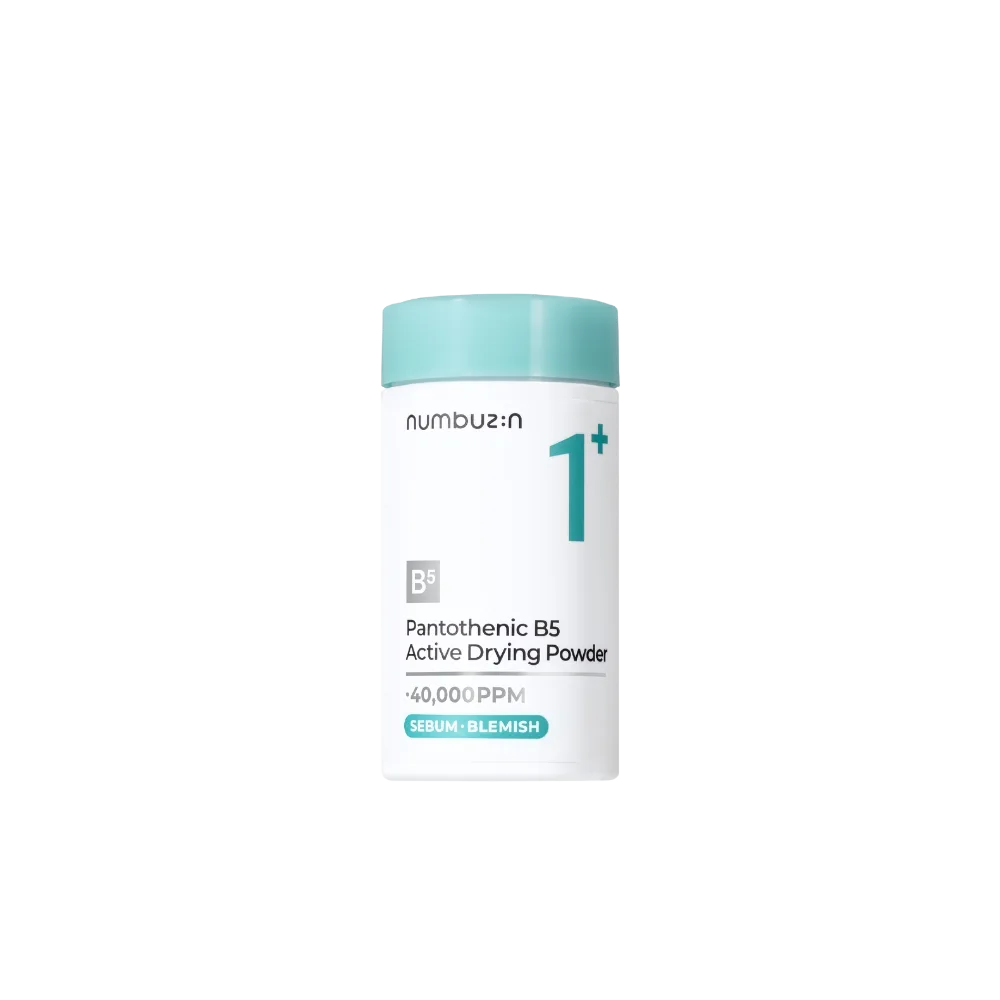
No. 1 Pantothenic B5 Active Drying Powder
Innovative K-Beauty Spot Treatment
 Verified reviewer
Pros & cons.
- +Completely fragrance-free, alcohol-free, and irritant-free ingredient list
- +Innovative dual-mechanism approach: physical oil absorption plus biochemical blemish treatment
- +Pantothenic acid at 4% targets sebum production through a novel metabolic pathway
- +Versatile three-way usage: spot treatment, skincare mixer, and mattifying touch-up
- +Gentle enough for sensitive, acne-prone skin without stinging or burning
- +Centella derivatives and licorice root actively calm inflammation while treating
- +Passed skin irritation testing for sensitive skin types
- −Small 7g jar is premium-priced at $11 relative to the amount of product
- −Loose powder format requires cotton swabs and careful handling to avoid spills
- −Too gentle for severe cystic acne that requires prescription-strength treatment
- −Limited long-term data as a 2024 launch from an emerging brand
- −Not widely available at US brick-and-mortar retailers
- −Learning curve for application technique compared to simpler tube or patch formats
The full review.
Western acne treatments often act like flamethrowers: maximum strength benzoyl peroxide, alcohol-soaked pads, or smelly sulfur masks. These work, but they damage surrounding skin, causing dryness, peeling, and post-inflammatory hyperpigmentation. Numbuzin’s Pantothenic B5 Active Drying Powder uses a different philosophy—treating blemishes by calming them rather than conquering them.
The format is unique. This is a loose powder in a tiny glass jar, not a cream, gel, or patch. You dip a cotton swab in, tap off the excess, and apply it to the blemish. It feels like a precise treatment. The powder sits on the skin invisibly—matte, weightless, and undetectable—using a dual physical and biochemical mechanism.
Physically, distarch phosphate, silica, and zinc oxide absorb excess oil and moisture from the blemish. This creates a drier environment that discourages bacterial proliferation and helps the blemish resolve faster. It works like a sophisticated calamine lotion, but without the pink residue.
Biochemically, the headline ingredient is 4% (40,000ppm) pantothenic acid. Evidence suggests vitamin B5 regulates sebum through the coenzyme A pathway. Unlike panthenol—the alcohol form of B5 used for hydration—pure pantothenic acid targets the metabolic processes that control oil production. Numbuzin uses this less common, more targeted form.
Niacinamide adds anti-inflammatory and sebum-regulating properties. Zinc oxide provides mild antimicrobial activity. Madecassoside and asiaticoside from centella asiatica promote wound healing and reduce inflammation. Dipotassium glycyrrhizate from licorice root calms redness. Allantoin soothes, and willow bark extract provides natural salicylates. The formula uses calming, blemish-addressing ingredients without common irritants.
The formula lacks several ingredients: no fragrance, no alcohol, no essential oils, no benzoyl peroxide, no high-concentration acids, and no sulfur. This acne treatment won’t bleach pillowcases, sting on application, or leave skin raw. This restraint helps acne sufferers with sensitive skin.
Results are steady rather than dramatic. Applied overnight, active blemishes—especially whiteheads and cystic bumps—look flatter and less inflamed by morning. It does not obliterate blemishes overnight like concentrated benzoyl peroxide, but it avoids the resulting peeling, redness, and barrier damage. For long-term acne management, this gentler approach works well.
The powder is versatile. Beyond spot treatment, mix it into serums or moisturizers at a 0.2:1 ratio for sebum control on the T-zone or face. You can also use it as a mattifying touch-up over makeup to absorb midday shine. These three usage modes justify the premium pricing.
The price is premium. Eleven dollars for seven grams of powder is not cheap. However, the concentrated format and targeted application mean the jar lasts two to three months with spot-treatment-only use. Daily mixing into other products will deplete it faster.
The format has a learning curve. Loose powder and cotton swabs are less convenient than tubes or patches. The jar requires careful handling to prevent spills. This gentle approach will not replace prescription treatments or potent OTC options for severe, widespread acne.
For consumers wanting effective acne management without scorched-earth side effects, this powder is a thoughtful alternative. It will not replace a dermatologist or cure cystic acne overnight. Instead, it calmly helps blemishes resolve while protecting the surrounding skin. In long-term skin health, this matters more than the instant gratification of burning treatments.
Formula
Formula
Ingredient analysis.
Full INCI list
Distarch Phosphate, Silica, Zinc Oxide, Niacinamide, Pantothenic Acid, Maltodextrin, Allantoin, Pueraria Lobata Root Extract, Dipotassium Glycyrrhizate, Piper Methysticum Root Extract, Madecassoside, Asiaticoside, Hydroxypropyl Cyclodextrin, Salix Alba (Willow) Bark Extract, Punica Granatum Pericarp Extract, Water, Dextrin
Skin match.
The science.
The Science
This formula centers on 40,000ppm of pantothenic acid (vitamin B5). A randomized, double-blind, placebo-controlled trial in Dermatology and Therapy (2014) by Yang et al. shows that pantothenic acid supplementation reduces total facial acne lesions after 12 weeks. This works by increasing coenzyme A activity, which improves fat metabolism and lowers sebaceous gland output. That study tested oral supplementation, but this powder uses a topical approach to target the same pathway locally.
Zinc oxide does more than absorb light. A 2014 review in Dermatology Research and Practice documented zinc's anti-inflammatory and antibacterial effects against Cutibacterium acnes (formerly P. acnes), the bacterium linked to inflammatory acne. In this powder, zinc oxide creates a localized antimicrobial and oil-absorbing environment on the blemish.
Madecassoside and asiaticoside are triterpene glycosides from centella asiatica studied for wound healing. A 2012 study in the International Journal of Molecular Sciences shows madecassoside inhibits NF-kB-mediated inflammation and promotes collagen synthesis—key for blemish resolution and preventing post-acne scars. These ingredients work strategically: they address the blemish aftermath while other actives target the cause.
Salix alba (willow) bark extract provides natural salicin, a salicylic acid precursor. The concentration is likely too low for major exfoliation, but it adds mild keratolytic activity that complements the powder base's physical absorption.
References
- A Randomized, Double-blind, Placebo-controlled Study of a Novel Pantothenic Acid-based Dietary Supplement in Subjects with Mild to Moderate Facial Acne — Dermatology and Therapy (2014)
- Zinc Therapy in Dermatology: A Review — Dermatology Research and Practice (2014)
Dermatologist Perspective
Dermatologists see pantothenic acid-based acne treatments as an emerging approach, though evidence lags behind established treatments like benzoyl peroxide and retinoids. Board-certified dermatologists note the clean formulation—fragrance-free, alcohol-free, and without common irritants—makes this a reasonable supplementary spot treatment for patients who cannot tolerate harsher options. Dermatologists emphasize that gentle spot treatments should not delay prescription treatment for moderate to severe acne. This powder works best as part of a broader acne management routine, not a standalone solution.
Where it fits in your routine.
For spot treatment: Finish your evening skincare routine, then dip a clean cotton swab into the powder and tap off excess. Apply a thin, even layer onto active blemishes. Leave it overnight and rinse in the morning. For sebum control: Mix a small amount of powder (approximately 0.2 parts) into your serum or moisturizer and apply to oily areas. Pat gently until absorbed. For midday touch-ups: Dab powder onto shiny or oily areas over makeup using a cotton swab or clean fingertip.
At $11 for 7g, this spot treatment costs a premium. But the concentrated powder format requires very little per application — just a cotton swab tip per blemish. Using it only as a spot treatment lasts 2-3 months per jar, making the effective daily cost less than $0.15. Three usage modes (spot treatment, mixer, touch-up) add versatility that justifies the price. Numbuzin is an emerging K-beauty brand without decades of clinical backing, but the ingredient quality is genuine — the brand does not charge for marketing over substance.
Acne-prone people with sensitive skin who cannot tolerate benzoyl peroxide or high-concentration salicylic acid. This works for those seeking a gentle, non-irritating spot treatment that calms blemishes without the burning, peeling, or dryness of traditional Western acne treatments. K-beauty enthusiasts interested in innovative formats will like the unique powder approach.
People with severe, widespread cystic acne needing prescription-strength treatment should not use this as their primary acne solution. Users preferring simple, no-fuss application formats (tubes, patches) may find the loose powder cumbersome. Very dry skin types may find the oil-absorbing properties unnecessary or drying on non-blemish areas.
Product details.
Ultra-fine, lightweight loose powder has a silky, matte finish. Use a cotton swab for smooth spot application or mix it into liquid skincare products without clumping.
Unscented — has no fragrance, essential oils, or detectable chemical odor.
A compact glass jar uses a screw-top lid for controlled cotton swab dispensing. The 7g size is travel-friendly.
The first application feels pleasant for an acne treatment — no stinging or burning, just a soft powder that sits comfortably on blemishes. As a spot treatment before bed, the powder absorbs excess moisture and oil overnight. By morning, active blemishes usually look flatter and less inflamed. The learning curve involves application technique — getting the right amount on a cotton swab takes a few tries.
2-3 months using only as a spot treatment; 3-4 weeks if mixed into products daily
12 months
All Year
The backstory.
Numbuzin developed this product to address a gap in the acne treatment market: most spot treatments are either harsh (benzoyl peroxide, high-concentration salicylic acid) or purely cosmetic (hydrocolloid patches). This powder takes a middle path, using the sebum-regulating properties of pantothenic acid in a format that physically absorbs oil while calming inflammation through centella derivatives and niacinamide.
About Numbuzin
Emerging Brand (2–5 years)Numbuzin launched in 2019 via Korean beauty startup Benow. The brand grew fast through Olive Young and social media using its numbered product system. This drying powder is Korea's first acne drying powder with pantothenic acid.
Common myths.
Drying powders work by dehydrating pimples.
This powder does more than desiccate blemishes. The distarch phosphate and silica absorb surface oil, but pantothenic acid and niacinamide regulate sebum production and reduce inflammation at the cellular level. The 'drying' effect comes from oil absorption, not skin dehydration.
Powder-based acne treatments lack the strength to treat cystic acne.
This powder does not replace prescription treatments for severe cystic acne. However, zinc oxide's antimicrobial action, pantothenic acid's sebum regulation, and madecassoside's wound healing flatten and calm cystic blemishes when used consistently as a spot treatment. Early user reports show visible overnight improvement.
FAQ.
How do you use Numbuzin Drying Powder as a spot treatment?
Finish your skincare routine, then dip a clean cotton swab into the powder jar and tap off excess. Apply a thin, even layer onto active blemishes — whiteheads, cystic bumps, or inflamed spots. Leave it on overnight. The powder absorbs oil while the actives (pantothenic acid, niacinamide, zinc oxide) calm inflammation and reduce blemish size.
Can I mix Numbuzin Drying Powder into my moisturizer?
Yes, this is an intended use. Mix a small amount of powder (roughly 0.2 parts powder to 1 part skincare product) into your serum or moisturizer to control oil. Apply to oily areas like the T-zone and pat gently until absorbed. This method regulates sebum broadly instead of acting as a targeted spot treatment.
Is Numbuzin Drying Powder safe for sensitive skin?
This formula is fragrance-free, alcohol-free, and contains soothing ingredients like allantoin, madecassoside, and dipotassium glycyrrhizate. It passed skin irritation testing. The powder format avoids the burning or stinging common in conventional acne spot treatments, so it works for sensitive, acne-prone skin.
How does pantothenic acid help with acne?
This formula uses 4% Pantothenic acid (vitamin B5) to regulate sebum production and support skin barrier repair. Research shows B5 supplementation and topical application reduce facial acne lesions by modulating the coenzyme A pathway in fat metabolism, which controls skin oil production.
Can I wear makeup over Numbuzin Drying Powder?
Yes, you can use the ultra-fine powder as a spot treatment under or over makeup. For use under makeup, apply the powder to blemishes and let it set before applying base products. For daytime touch-ups, dab powder over makeup on oily spots to mattify and continue treatment.
What the community says.
"Visibly flattens cystic acne and whiteheads overnight when used as spot treatment"
"Clean, minimal ingredient list without fragrance, alcohol, or common irritants"
"Versatile usage — works as spot treatment, sebum mixer, or mattifying touch-up"
"Gentle enough for sensitive, acne-prone skin without stinging or burning"
"Innovative powder format is unique and fun to use"
"Passed skin irritation testing for sensitive skin"
"Small 7g jar runs out quickly for those using it daily on multiple areas"
"Powder format takes some getting used to — can be messy during application"
"Limited availability outside of K-beauty online retailers"
"Not a standalone acne solution — works best as supplementary spot care"
People also looked at.