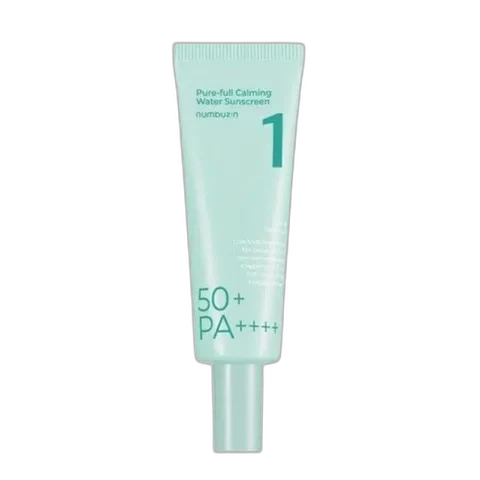
No. 1 Clear Filter Sun Essence SPF 50+
K-Beauty Sunscreen Star
 Verified reviewer
Pros & cons.
- +Nearly 50% botanical extract base provides genuine calming and anti-inflammatory benefits
- +Modern five-filter UV system with excellent photostability and PA++++ UVA protection
- +Feather-light essence texture absorbs in seconds with absolutely no white cast
- +Fragrance-free and alcohol-free, suitable for even reactive sensitive skin
- +Eight-type hyaluronic acid complex provides layered hydration throughout the day
- +Dewy, glass-skin finish that enhances rather than masks the complexion
- +Layers seamlessly under makeup without pilling when properly set
- −50 ml tube lasts only 4-6 weeks with proper daily application amounts
- −May pill if applied over heavy serums or oils without adequate absorption time
- −Not moisturizing enough for very dry skin in cold weather as a standalone step
- −Emerging brand with limited independent clinical validation of this specific formula
- −Not widely available at US brick-and-mortar retailers, primarily online K-beauty shops
- −Higher per-milliliter cost compared to drugstore sunscreen options
The full review.
The idea is deceptively simple: if a sunscreen’s base is mostly water anyway, why not replace that water with something that actually does something for the skin? Numbuzin’s No. 1 Clear Filter Sun Essence takes this premise and runs with it, using 20.55% licorice root water, 15% centella asiatica extract, and 14.25% houttuynia cordata extract as the foundational liquid base. That is nearly fifty percent of the formula dedicated to calming, anti-inflammatory botanicals before you even get to the UV filters.
This is not merely a marketing gimmick. These are three of the most well-studied anti-inflammatory plant extracts in Asian skincare science, each with documented mechanisms of action. Licorice root provides glabridin, a tyrosinase inhibitor that addresses hyperpigmentation. Centella asiatica delivers madecassoside and asiaticoside, compounds shown to promote collagen synthesis and reduce redness. Houttuynia cordata, sometimes called heartleaf, offers antioxidant and anti-inflammatory properties that Korean dermatology has valued for decades. Together, they create a base that actively works to calm and protect the skin rather than simply holding the UV filters in suspension.
The UV filter system itself is thoroughly modern. Ethylhexyl Triazone, Terephthalylidene Dicamphor Sulfonic Acid (Mexoryl SX), Diethylamino Hydroxybenzoyl Hexyl Benzoate (DHHB), Bis-Ethylhexyloxyphenol Methoxyphenyl Triazine (Tinosorb S), and Polysilicone-15 — this is a five-filter cocktail that covers both UVA and UVB with excellent photostability. Unlike formulas built around avobenzone, which degrades under UV exposure and needs to be stabilized, these newer-generation filters maintain their protective capacity throughout the day. The PA++++ rating, the highest possible under the Japanese/Korean system, confirms robust UVA protection.
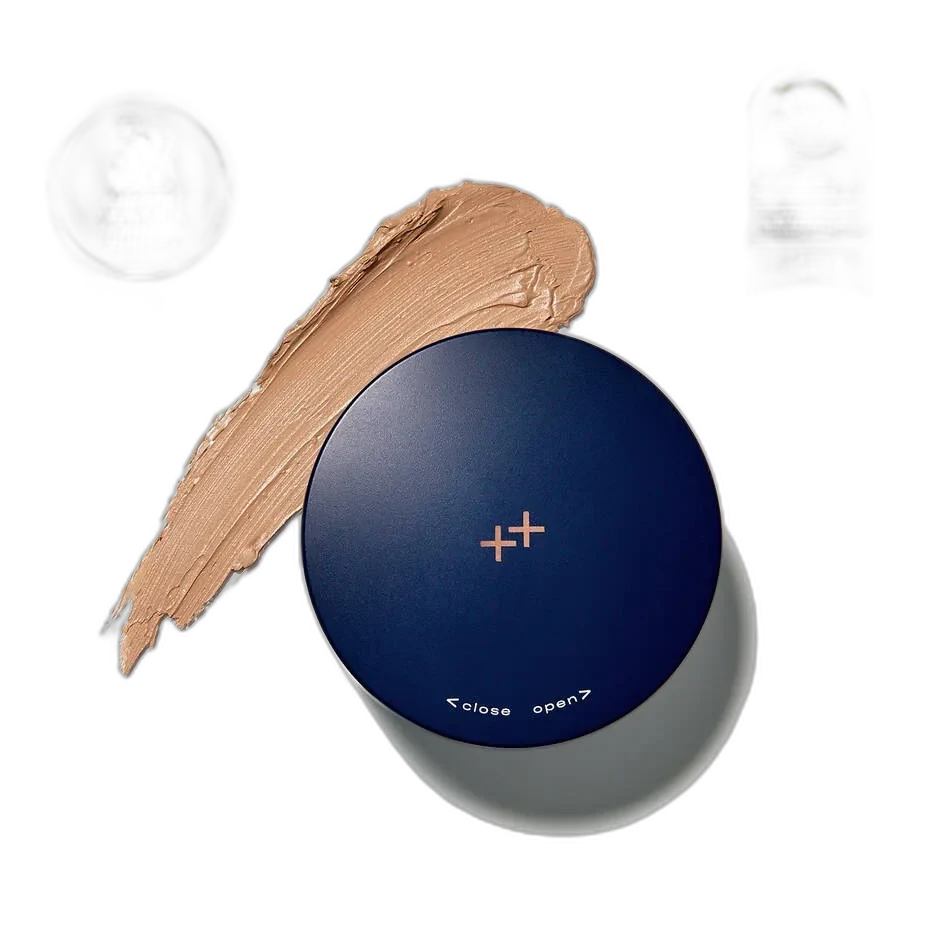
The texture is where this sunscreen earns its devoted following. It is genuinely essence-like — watery, almost weightless, with a slight greenish tint that vanishes on contact with skin. There is no drag during application, no white cast afterward, no greasy residue that announces to the world that you are wearing sunscreen. Within seconds of application, the finish settles into a natural, dewy glow that looks like good skin rather than a protective layer. For anyone who has struggled to find a sunscreen that does not compromise the look and feel of their morning skincare routine, this is a revelation.
Niacinamide makes an appearance mid-formula, adding brightening and barrier-supporting properties that complement the botanical base. An eight-type hyaluronic acid complex provides layered hydration at different molecular weights — standard sodium hyaluronate for surface moisture, hydrolyzed forms for deeper penetration, and a crosspolymer that creates a sustained-release moisture depot. For a sunscreen, this is an unusually generous hydration system.
Under makeup, the performance is excellent. The essence absorbs cleanly without leaving a tacky layer, so primers and foundations apply smoothly on top. Users report no pilling or separation throughout the day, though there is a caveat — applying the sunscreen immediately over heavier serums or oils without allowing absorption time can cause some balling. The solution is simple: let your skincare settle for a minute or two before applying.
The limitations are practical rather than formulation-related. Fifty milliliters is not a lot of sunscreen, especially when you are applying the recommended two-finger-length amount daily. At roughly eighteen dollars, you are looking at a monthly repurchase, which adds up over time. This is typical of Korean sunscreens — elegant texture comes at the cost of smaller packaging — but it is worth factoring into the value calculation.
For very dry skin in winter, this sunscreen alone may not provide enough moisture. It layers well over a richer moisturizer, but by itself, it is better suited to combination, normal, and oily skin types that appreciate the lightweight feel. In warmer months, it is a perfect standalone option for all but the driest skin.
Numberzin is still a young brand — founded in 2019, with this product launching around 2023. There is no decades-long track record to point to, no body of independent clinical research on the specific formula. What exists is a smart, well-constructed product built with ingredients that are individually well-validated, packaged in a texture that makes daily sunscreen use feel like a pleasure rather than a chore. The formula itself speaks to a team that understands modern sunscreen chemistry and is not cutting corners on either the UV protection or the skincare components.
For anyone in the market for an elegant daily sunscreen that calms sensitive skin, leaves no white cast, plays nicely under makeup, and treats the UV protection step as an opportunity to deliver skincare benefits — this is one of the strongest options currently available in the K-beauty space.
Formula
 ### About BrandName

 _Numberzin is still a young brand — founded in 2019, with this product launching around 2023._

 ### Texture

 The texture is where this sunscreen earns its devoted following. It is genuinely essence-like — watery, almost weightless, with a slight greenish tint that vanishes on contact with skin. There is no drag during application, no white cast afterward, no greasy residue that announces to the world that you are wearing sunscreen. Within seconds of application, the finish settles into a natural, dewy glow that looks like good skin rather than a protective layer. For anyone who has struggled to find a sunscreen that does not compromise the look and feel of their morning skincare routine, this is a revelation.

 ### Scent

 _No mention of scent in the provided text._

 ### Packaging

 The limitations are practical rather than formulation-related. Fifty milliliters is not a lot of sunscreen, especially when you are applying the recommended two-finger-length amount daily. At roughly eighteen dollars, you are looking at a monthly repurchase, which adds up over time. This is typical of Korean sunscreens — elegant texture comes at the cost of smaller packaging — but it is worth factoring into the value calculation.

 ### Best for

 For anyone in the market for an elegant daily sunscreen that calms sensitive skin, leaves no white cast, plays nicely under makeup, and treats the UV protection step as an opportunity to deliver skincare benefits — this is one of the strongest options currently available in the K-beauty space.

 ### Works for

 For very dry skin in winter, this sunscreen alone may not provide enough moisture. It layers well over a richer moisturizer, but by itself, it is better suited to combination, normal, and oily skin types that appreciate the lightweight feel. In warmer months, it is a perfect standalone option for all but the driest skin.

 ### AM routine

 _No specific AM routine information in the provided text, but the text does mention that it "plays nicely under makeup."_

 ### PM routine

_No specific PM routine information in the provided text._Ingredient analysis.
Full INCI list
Glycyrrhiza Glabra (Licorice) Root Water, Centella Asiatica Extract, Houttuynia Cordata Extract, Water, Dibutyl Adipate, Propanediol, Butyloctyl Salicylate, Ethylhexyl Triazone, Terephthalylidene Dicamphor Sulfonic Acid, Polymethylsilsesquioxane, Niacinamide, Tromethamine, Polyglyceryl-3 Diisostearate, 1,2-Hexanediol, Pentylene Glycol, Diethylamino Hydroxybenzoyl Hexyl Benzoate, Cetearyl Alcohol, Caprylyl Methicone, Polysilicone-15, Melia Azadirachta Leaf Extract, Coccinia Indica Fruit Extract, Eclipta Prostrata Extract, Melia Azadirachta Flower Extract, Anastatica Hierochuntica Extract, Hyacinthus Orientalis Extract, Polygonatum Officinale Rhizome/Root Extract, Lycium Chinense Fruit Extract, Velvet Extract, Ophiopogon Japonicus Root Extract, Polygonum Multiflorum Root Extract, Astragalus Membranaceus Root Extract, Atractylodes Lancea Root Extract, Laminaria Japonica Extract, Ulmus Davidiana Root Extract, Aloe Barbadensis Leaf Extract, Viola Mandshurica Flower Extract, Dioscorea Japonica Root Extract, Sodium Hyaluronate, Glyceryl Stearate, Bis-Ethylhexyloxyphenol Methoxyphenyl Triazine, Potassium Cetyl Phosphate, Butylene Glycol, Methylpropanediol, Carbomer, Acrylate/C10-30 Alkyl Acrylate Crosspolymer, Glyceryl Stearate Citrate, Ethylhexylglycerin, Xanthan Gum, Adenosine, Polyether-1, Madecassoside, Biosaccharide Gum-1, Glycerin, Dimethylsilanol Hyaluronate, Hydrolyzed Sodium Hyaluronate, Hydrolyzed Hyaluronic Acid, Potassium Hyaluronate, Hyaluronic Acid, Sodium Hyaluronate Crosspolymer, Hydroxypropyltrimonium Hyaluronate, Sodium Hyaluronate Dimethylsilanol, Sodium Acetylated Hyaluronate
Skin match.
The science.
The Science
This sunscreen uses a botanical base backed by research. Centella asiatica at 15% contains madecassoside and asiaticoside, triterpenoid saponins studied for wound-healing and anti-inflammatory effects. A 2012 study in the International Journal of Molecular Sciences shows madecassoside inhibits the NF-kB inflammatory pathway and promotes type I collagen synthesis—helping calm irritation and protect against UV-induced collagen degradation.
Glycyrrhiza glabra (licorice) root water at 20.55% provides glabridin, which inhibits tyrosinase activity and melanin transfer. Research in the Journal of Agricultural and Food Chemistry (2003) confirmed glabridin inhibits UVB-induced pigmentation in vivo at concentrations as low as 0.1%. This makes it an appropriate ingredient for sunscreens targeting UV-induced hyperpigmentation prevention.
The UV filter system uses five modern organic filters. Tinosorb S (Bis-Ethylhexyloxyphenol Methoxyphenyl Triazine) is a broad-spectrum filter that absorbs UVA and UVB and stabilizes other less photostable filters in the system. DHHB (Diethylamino Hydroxybenzoyl Hexyl Benzoate) provides UVA I protection (340-400nm), the wavelength range most responsible for photoaging. A 2007 study in Photochemical & Photobiological Sciences shows Tinosorb S works synergistically with complementary filters to achieve higher SPF than each filter alone.
The eight-type hyaluronic acid complex uses different molecular weights to target different skin layers. Hydrolyzed hyaluronic acid (low MW, <10 kDa) penetrates deeper into the epidermis, while sodium hyaluronate crosspolymer forms a sustained-release reservoir on the surface.
References
- Madecassoside inhibits inflammatory response and triggers collagen synthesis — International Journal of Molecular Sciences (2012)
- Glabridin inhibits UVB-induced melanogenesis — Journal of Agricultural and Food Chemistry (2003)
Dermatologist Perspective
Dermatologists know sunscreen compliance depends on cosmetic elegance as much as SPF numbers; patients use sunscreens they enjoy wearing daily. Board-certified dermatologists note this formulation addresses the two main reasons patients skip sunscreen: discomfort (white cast, heaviness, stinging) and irritation on sensitive skin. The modern UV filter system is photostable and well-tolerated, the calming botanical base suits redness-prone and post-procedure skin, and the fragrance-free formulation reduces sensitization risk. Dermatologists note that PA++++ ratings come from controlled laboratory conditions; real-world protection depends on application amount and reapplication frequency.
Where it fits in your routine.
Apply generously as the last step in your morning skincare routine, after moisturizer and before makeup. Use about two finger-lengths of product for the face, neck, and ears. Let the sunscreen set for 5-10 minutes before applying makeup or going outside. Reapply every 2 hours during extended outdoor sun exposure, or after swimming or heavy perspiration. For office days with minimal sun exposure, one morning application and a midday touch-up before going outside works.
At about $18 for 50 ml, this sunscreen costs roughly $10.60 per fluid ounce. This price exceeds drugstore options but stays competitive in the K-beauty premium sunscreen category. High botanical extract concentrations, a modern UV filter system, and an eight-type HA complex show real formulation investment. However, the 50 ml size requires monthly repurchasing for proper application, so daily use costs $200+ annually. The value is strong for users who want elegant texture and skin-calming benefits. Users seeking only adequate UV protection can find cheaper options in larger formats.
This sunscreen works for people who want a daily formula that doesn't feel like sunscreen. It suits sensitive, redness-prone, or combination skin that reacts to white cast, heaviness, or irritation in other formulas. It is ideal for K-beauty enthusiasts who treat sun protection as skincare, makeup wearers needing a smooth base, and anyone with hyperpigmentation concerns wanting treatment and protection in one product.
The 50 ml format makes this expensive for body application or frequent reapplication during outdoor activities, which limits budget-conscious users needing high-volume daily sunscreen. It suits those who prefer mineral/physical sunscreens for philosophical or regulatory reasons. Users in extreme heat and humidity who need a fully matte, sweat-resistant sport sunscreen also use this.
Product details.
This ultra-lightweight, watery essence has a faint greenish tint that disappears on application. It spreads easily and absorbs within seconds, leaving no visible residue or cast.
Virtually unscented. It has no detectable fragrance or chemical sunscreen smell, even with nearly 50% botanical extracts.
Slim squeeze tube with flip-cap allows controlled dispensing. It fits easily in purses and travel kits.
The first application impresses immediately. The watery essence glides on without drag, absorbs in seconds, and leaves a dewy, healthy-looking glow. Botanical extracts provide a subtle cooling effect. It leaves no white cast, no pilling, and no eye stinging. Skin looks like it has a good skincare routine instead of wearing sunscreen.
1-1.5 months with daily face application at recommended amount
12 months
All Year
Common myths.
Chemical sunscreens always irritate sensitive skin.
Modern chemical filters like Tinosorb S and DHHB are well-tolerated and cause less irritation than older filters like oxybenzone. This formula reduces irritation by embedding those filters in a base of centella, licorice root, and houttuynia cordata extracts.
The light texture means this sunscreen provides less protection than thicker formulas.
SPF uses a standardized application density (2mg/cm²) regardless of texture. This essence-type sunscreen provides SPF 50+ PA++++ protection at the recommended amount. Application amount determines protection, not a thicker texture.
FAQ.
Does Numbuzin No. 1 Sun Essence leave a white cast?
This is a purely chemical (organic) sunscreen. It has no mineral filters like zinc oxide or titanium dioxide, so it leaves no white cast. The formula has a faint greenish tint that disappears when applied, leaving a natural dewy finish for all skin tones.
Is Numbuzin sunscreen good for sensitive skin?
This formula targets sensitive skin. Botanical extracts make up nearly 50% of the base: 20.55% licorice root water, 15% centella asiatica, and 14.25% houttuynia cordata. These anti-inflammatory ingredients buffer the chemical UV filters. The formula is fragrance-free and alcohol-free.
Can I wear makeup over Numbuzin No. 1 Sun Essence?
The lightweight essence texture layers well under makeup. Wait 5-10 minutes for the sunscreen to set before you apply primer or foundation. Users report no pilling or separation when layered correctly, but pilling occurs if you apply it directly over certain heavy serums.
How often should I reapply Numbuzin sunscreen?
Reapply this sunscreen every 2 hours during continuous sun exposure, or right after swimming or heavy sweating. For indoor office days with minimal sun exposure, one morning application plus touch-ups before extended outdoor time works.
What UV filters does Numbuzin No. 1 Sun Essence use?
This sunscreen uses a modern photostable filter system: Ethylhexyl Triazone (Uvinul T 150), Terephthalylidene Dicamphor Sulfonic Acid (Mexoryl SX), Diethylamino Hydroxybenzoyl Hexyl Benzoate (DHHB/Uvinul A Plus), Bis-Ethylhexyloxyphenol Methoxyphenyl Triazine (Tinosorb S), and Polysilicone-15 (Parsol SLX). These newer-generation filters show superior photostability compared to older filters like avobenzone.
Community
What the community says.
"Feather-light texture absorbs instantly without any greasy or heavy feeling"
"Zero white cast makes it suitable for all skin tones"
"Calming botanical base soothes redness-prone and sensitive skin"
"Wears beautifully under makeup without pilling or separating"
"No stinging around the eye area unlike many chemical sunscreens"
"Dewy, glass-skin finish that looks like skincare rather than sunscreen"
"May pill if applied directly over certain serums without allowing absorption time"
"50 ml size runs out quickly with proper two-finger-length application"
"Not moisturizing enough for very dry skin in winter without a richer base layer"
"Relatively new brand with limited long-term track record"
Featured in.
People also looked at.