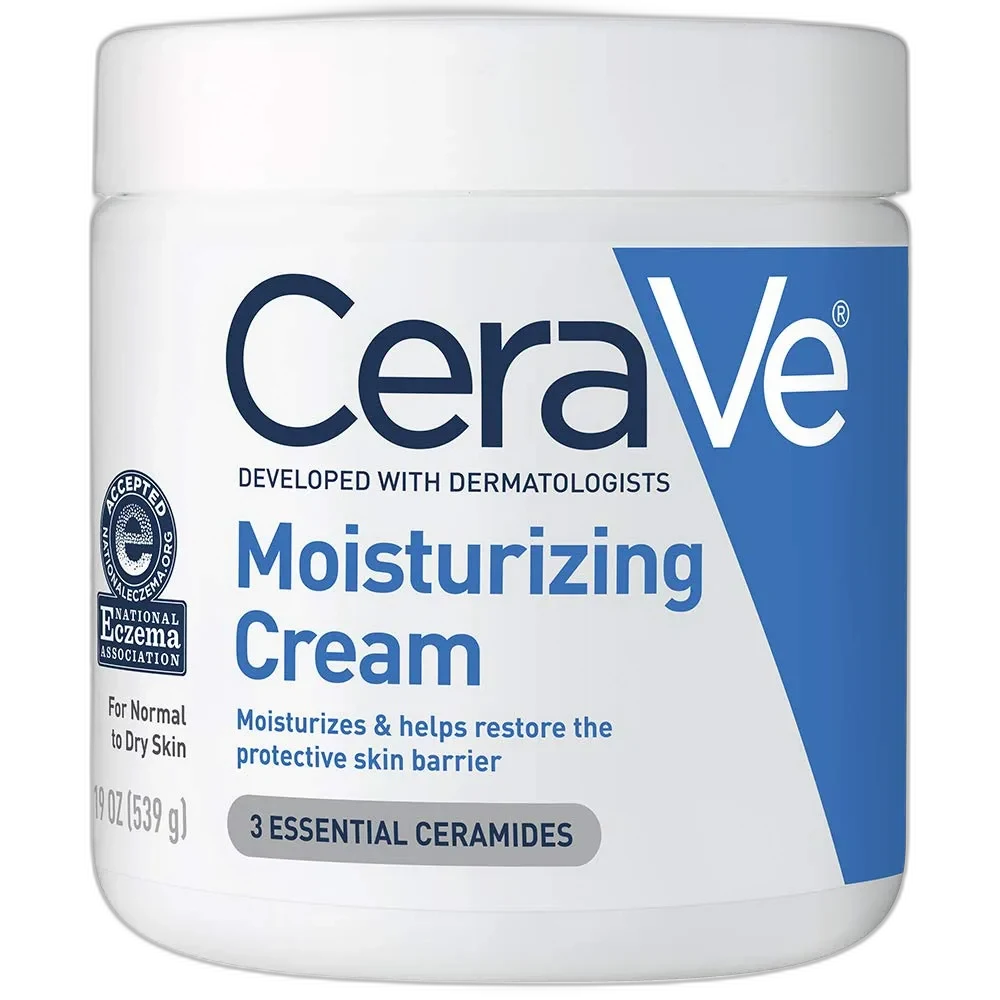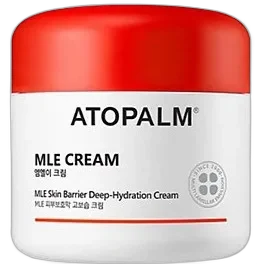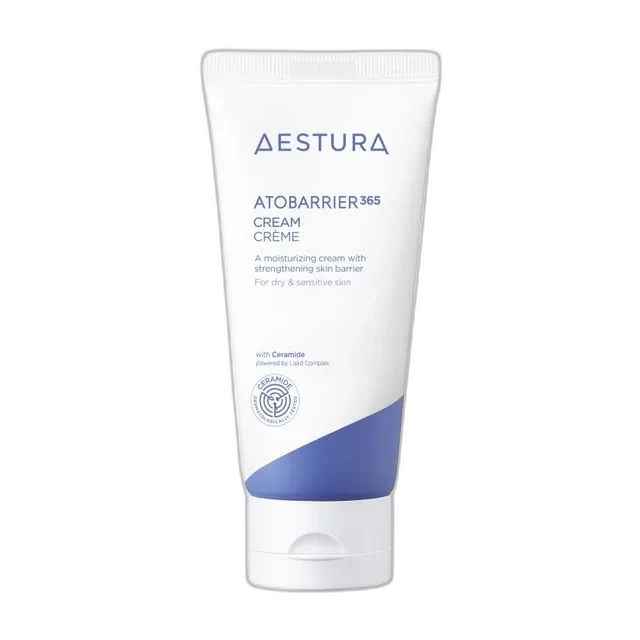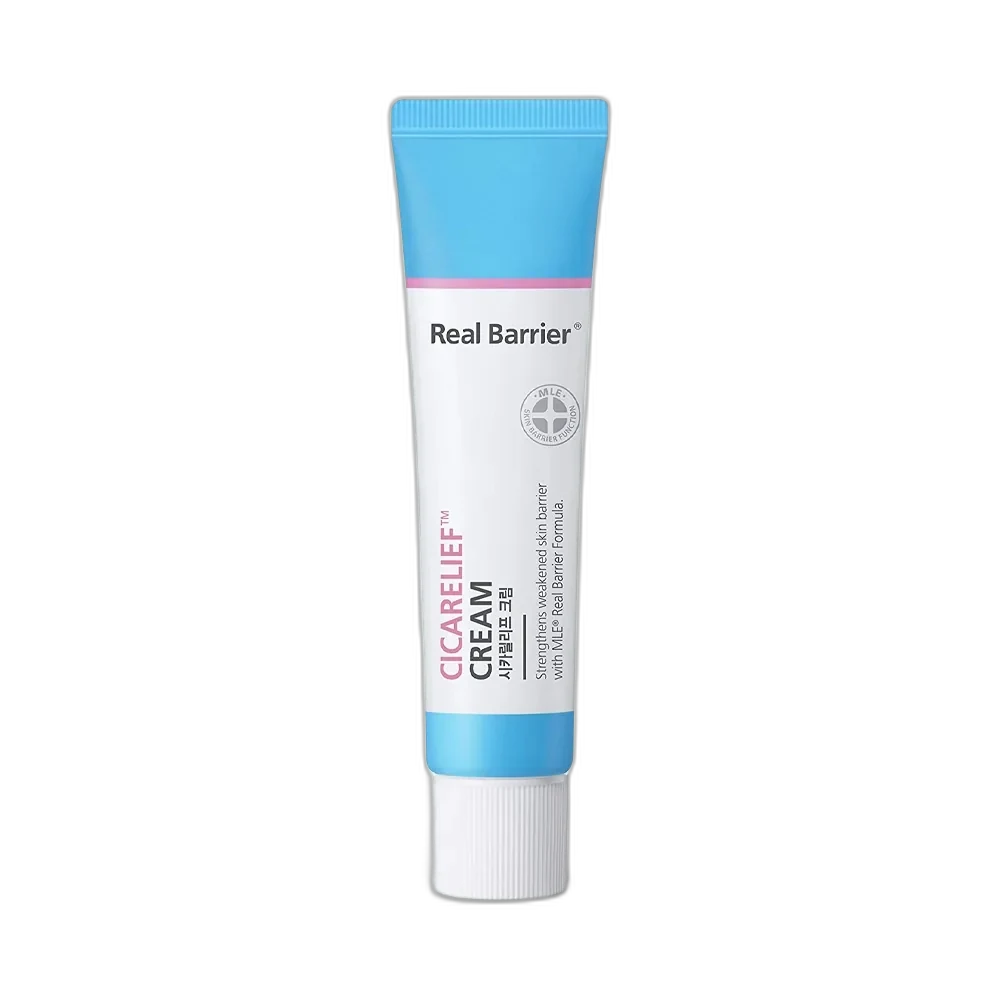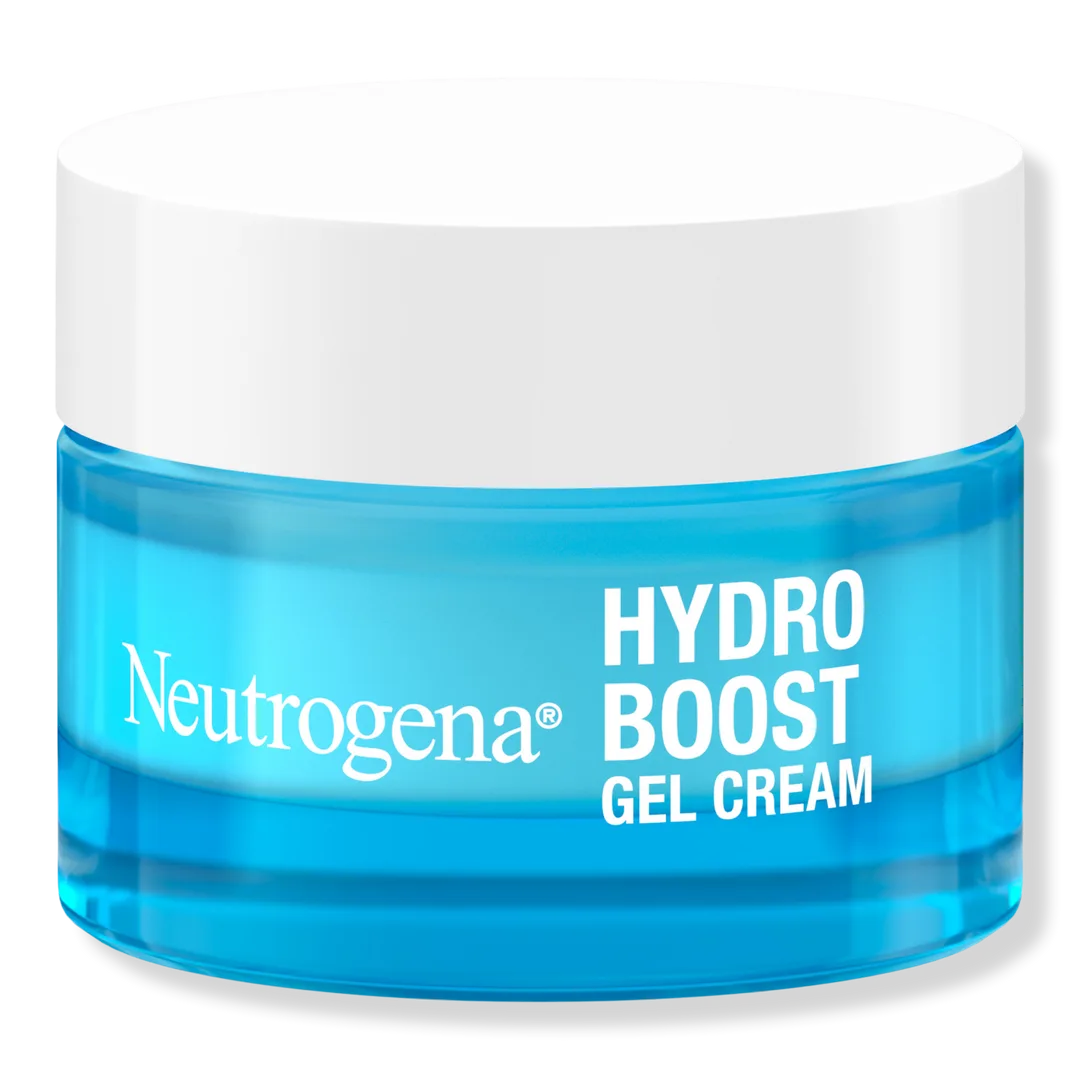
Hydro Boost Gel-Cream
Drugstore Hydration Hero
 Verified reviewer
Pros & cons.
- +Hyaluronic acid + glycerin dual-humectant system delivers immediate and lasting hydration
- +Dimethicone and synthetic beeswax occlusives lock in moisture — engineered to work in any climate
- +Completely fragrance-free and dye-free for maximum tolerability on reactive skin
- +National Eczema Association Seal of Acceptance for eczema-prone skin
- +Olive-derived Olivem 1000 emulsifier mimics skin's lipid structure for better compatibility
- +Lightweight gel-cream texture absorbs in minutes without heaviness or greasiness
- +Pregnancy safe with no flagged ingredients
- +Over 60,000 reviews with a 4.6-star average — one of the most validated drugstore moisturizers
- −Jar packaging is unhygienic — no pump or airless dispenser to prevent contamination
- −Not fungal acne safe due to olive-derived cetearyl olivate and sorbitan olivate emulsifiers
- −May feel insufficient for severely dry skin in harsh winter or arid climates
- −Silicone-heavy formula may cause pilling under certain sunscreens depending on layering
- −Price has increased from original launch — now $20-25 at most retailers
The full review.
Before 2015, the American drugstore moisturizer aisle was a binary choice. You could buy a heavy cream that felt like spackling paste and took twenty minutes to absorb, or you could buy a lightweight lotion that felt like nothing and moisturized like nothing. The idea that a gel-textured product could deliver real hydration to dry skin was a concept largely confined to Korean beauty aisles and prestige department store counters where hyaluronic acid serums sold for sixty dollars an ounce.
Neutrogena changed that calculation with Hydro Boost. The original Water Gel went viral, but it was the Gel-Cream for Extra-Dry Skin that quietly became the more important product — the version that actually solved the harder problem.
The Water Gel is a fine moisturizer for normal-to-oily skin. But it contains fragrance and blue dye, and its lighter formulation leaves dry skin wanting. The Gel-Cream strips out both the fragrance and the dye, adds synthetic beeswax as an additional moisture-sealing layer, and uses an olive-derived emulsifier system that mimics the liquid-crystal structure of skin’s own lipids. It is the version a dermatologist would recommend. It is the version that carries the National Eczema Association Seal of Acceptance. And it is the version that has quietly accumulated over sixty thousand reviews across major retailers with a 4.6-star average.
The formulation architecture follows the humectant-plus-occlusive strategy that dermatologists consider the gold standard for moisturization. Sodium hyaluronate — the smaller, more penetrative salt form of hyaluronic acid — draws water into the upper layers of skin. Glycerin, positioned third on the ingredient list at a meaningful concentration, provides a second layer of humectant support. Then dimethicone, second on the list at an estimated six to nine percent, creates a breathable silicone barrier that prevents all that drawn-in water from escaping through transepidermal water loss. The synthetic beeswax adds a secondary occlusive layer that the Water Gel lacks — the extra insurance policy that dry skin needs.
The texture delivers the experience that made Hydro Boost famous. It looks like a cream in the jar — rich, opaque, substantial. But as you spread it on skin, it transforms into something lighter, almost watery, absorbing within a minute or two and leaving behind a dewy, plumped finish that feels like nothing at all. This textural magic trick is the product’s greatest achievement. Dry skin gets the moisture it needs; the wearer gets the lightweight feel they want. The compromise that previously required choosing between hydration and comfort is dissolved.
The fragrance-free formulation is a genuine advantage that extends the product’s reach to populations the Water Gel cannot serve. Eczema-prone skin. Post-procedure skin. Skin that reacts to everything. Rosacea patients. Pregnant women looking for safe hydration. The absence of fragrance is not a minor detail — it is the difference between a product that most people can use and a product that nearly everyone can use.
The olive-derived emulsifier system, marketed as Olivem 1000, is an understated formulation choice that contributes more than it gets credit for. Conventional emulsifiers force oil and water together without regard for how the resulting mixture interacts with skin. Olivem 1000 forms liquid-crystal structures that mirror the organization of skin’s own lipid layers, which improves ingredient delivery and reduces the likelihood of the formula feeling foreign on the skin. It is why the Gel-Cream feels remarkably skin-like despite containing significant amounts of silicone.
The honest limitation is the packaging. A jar. In an era when airless pumps are available at every price point, this product comes in an open jar where you dip your fingers into the product twice daily, introducing bacteria and exposing the contents to air and light. The 2024 reformulation upgraded to recyclable glass, which is environmentally commendable but does nothing to solve the hygiene problem. Use a clean spatula if this bothers you.
The other practical consideration is climate and skin severity. For dry skin in moderate humidity, this gel-cream is genuinely sufficient as a standalone moisturizer. For severely dry skin in arid or harsh winter climates, it may need reinforcement — a heavier occlusive like Vaseline on top at night, or a richer cream for the worst months. The product does not pretend to be a thick barrier balm, and its lightweight texture means it cannot fully replace one for the most extreme dryness.
Some users report pilling when layering specific sunscreens over the Gel-Cream. This is a silicone compatibility issue rather than a product flaw — dimethicone-heavy moisturizers can interact with certain sunscreen bases. The fix is usually giving the moisturizer a full two minutes to absorb before applying sunscreen, or switching to a sunscreen with a compatible base.
The value proposition has shifted over the years. When Hydro Boost launched around fifteen dollars, it was an unequivocal drugstore bargain. Current pricing around twenty to twenty-five dollars puts it in the upper range of drugstore moisturizers, though still well below prestige alternatives with similar ingredient profiles. At two to three months per jar with twice-daily use, the daily cost remains under thirty cents — reasonable for a product that genuinely works.
What makes the Hydro Boost Gel-Cream remarkable is not any single ingredient innovation. Hyaluronic acid existed long before this product. Dimethicone has been in moisturizers for decades. Glycerin is ancient. The achievement is in the execution — the right humectants at the right concentrations, sealed by the right occlusives, in a texture that people actually enjoy using, at a price that does not require justification. Sixty thousand people did not leave five-star reviews because the marketing was clever. They left them because their skin felt better.
Formula
 ### Texture

 The texture delivers the experience that made Hydro Boost famous. It looks like a cream in the jar — rich, opaque, substantial. But as you spread it on skin, it transforms into something lighter, almost watery, absorbing within a minute or two and leaving behind a dewy, plumped finish that feels like nothing at all. This textural magic trick is the product's greatest achievement. Dry skin gets the moisture it needs; the wearer gets the lightweight feel they want. The compromise that previously required choosing between hydration and comfort is dissolved.

 ### Scent

 The fragrance-free formulation is a genuine advantage that extends the product's reach to populations the Water Gel cannot serve. Eczema-prone skin. Post-procedure skin. Skin that reacts to everything. Rosacea patients. Pregnant women looking for safe hydration. The absence of fragrance is not a minor detail — it is the difference between a product that most people can use and a product that nearly everyone can use.

 ### Packaging

 The honest limitation is the packaging. A jar. In an era when airless pumps are available at every price point, this product comes in an open jar where you dip your fingers into the product twice daily, introducing bacteria and exposing the contents to air and light. The 2024 reformulation upgraded to recyclable glass, which is environmentally commendable but does nothing to solve the hygiene problem. Use a clean spatula if this bothers you.

 ### Best for

 For dry skin in moderate humidity, this gel-cream is genuinely sufficient as a standalone moisturizer. For severely dry skin in arid or harsh winter climates, it may need reinforcement — a heavier occlusive like Vaseline on top at night, or a richer cream for the worst months. The product does not pretend to be a thick barrier balm, and its lightweight texture means it cannot fully replace one for the most extreme dryness.

 ### Conflicts With

Some users report pilling when layering specific sunscreens over the Gel-Cream. This is a silicone compatibility issue rather than a product flaw — dimethicone-heavy moisturizers can interact with certain sunscreen bases. The fix is usually giving the moisturizer a full two minutes to absorb before applying sunscreen, or switching to a sunscreen with a compatible base.Ingredient analysis.
Full INCI list
Water, Dimethicone, Glycerin, Cetearyl Olivate, Polyacrylamide, Sorbitan Olivate, Phenoxyethanol, Dimethicone/Vinyl Dimethicone Crosspolymer, Synthetic Beeswax, C13-14 Isoparaffin, Dimethiconol, Carbomer, Dimethicone Crosspolymer, Chlorphenesin, Laureth-7, Sodium Hyaluronate, Ethylhexylglycerin, C12-14 Pareth-12, Sodium Hydroxide
Skin match.
The science.
The Science
The Neutrogena Hydro Boost Gel-Cream uses a humectant-occlusive strategy, which dermatological literature identifies as the most effective way to treat dry skin.
Sodium hyaluronate, the lower-molecular-weight salt form of hyaluronic acid, acts as the primary humectant. A review in Dermatologic Therapy (Bravo et al., 2022) confirmed topical hyaluronic acid binds up to 1000 times its weight in water; randomized controlled trials showed it improves skin hydration and reduces transepidermal water loss. A study in Dermatology and Therapy (Draelos et al., 2021) showed a 134% boost in skin hydration immediately after topical HA application, with a 55% increase remaining at six weeks.
Clinical data supports the dual-humectant approach of pairing hyaluronic acid with glycerin. A randomized, assessor-blinded study in Clinical, Cosmetic and Investigational Dermatology (Milani and Sparavigna, 2017) found a hyaluronic acid plus glycerin combination increased skin hydration by 59% after one hour, 48% after eight hours, and 29% after twenty-four hours, while reducing transepidermal water loss. This time-course data validates the sustained hydration architecture of this product.
Dimethicone serves as the primary occlusive component. The StatPearls reference on moisturizers (NCBI Bookshelf) states that combining humectants with occlusives is the most effective way to prevent transepidermal water loss, because humectants alone can increase TEWL without an occlusive layer. Adding synthetic beeswax as a secondary occlusive differentiates this Gel-Cream from the lighter Water Gel and provides better moisture retention for dry skin types.
References
- Benefits of topical hyaluronic acid for skin quality and signs of skin aging: From literature review to clinical evidence — Dermatologic Therapy (2022)
- Efficacy Evaluation of a Topical Hyaluronic Acid Serum in Facial Photoaging — Dermatology and Therapy (2021)
- The 24-hour skin hydration and barrier function effects of a hyaluronic 1%, glycerin 5%, and Centella asiatica stem cells extract moisturizing fluid — Clinical, Cosmetic and Investigational Dermatology (2017)
Dermatologist Perspective
Dermatologists often recommend the Hydro Boost Gel-Cream as a first-line moisturizer for dry, sensitive skin patients who prefer lightweight textures over heavy creams. Board-certified dermatologists note the humectant-occlusive formulation architecture follows evidence-based moisturization principles, and the National Eczema Association Seal provides independent validation for compromised skin. The fragrance-free formula is a common recommendation for retinoid therapy, post-procedure recovery, and for patients with rosacea or eczema who need hydration without irritation triggers.
Where it fits in your routine.
Apply a pea-sized amount to clean, slightly damp skin every morning and evening. Damp skin helps the hyaluronic acid draw in more moisture. Spread it gently over the face and neck. In the AM, wait 1-2 minutes for full absorption before applying sunscreen to prevent pilling. At night, use it as the final moisturizing step, or follow with an occlusive like Vaseline for severely dry skin. Use a clean spatula instead of fingers to keep the jar packaging hygienic.
At $20-25 for 1.7 ounces — lasting 2-3 months with twice-daily use — the Hydro Boost Gel-Cream costs more than most drugstore items but less than prestige hyaluronic acid formulations. A 0.5 oz travel size lets users test the product first. The price is higher than at the original launch, which frustrates some long-term users, but the daily cost stays under 30 cents. For a clinically validated moisturizer with 60,000+ positive reviews, this is a reasonable investment in daily skin hydration.
Dry, extra-dry, or sensitive skin types seeking lightweight hydration without heaviness. It works for people who dislike thick creams, want a fragrance-free option, or need a moisturizer for eczema, retinoid therapy, or post-procedure care. It also works as a daily moisturizer for normal skin year-round.
Those with oily skin who need something even lighter — the Water Gel version is better suited. Skip if you deal with fungal acne, as the olive-derived emulsifiers are flagged as potential triggers. Also skip if you are strongly opposed to silicone-based skincare or if you need a very heavy barrier cream for extreme dryness.
Product details.
Completely fragrance-free and unscented — no detectable smell whatsoever.
1. 7 oz jar (originally blue plastic; 2024 reformulation uses recyclable glass). The jar has a screw-top lid. It lacks a pump or airless dispenser, a common hygiene complaint. A 0.5 oz travel size exists. Finish dewynon-greasylightweight
The gel-cream feels cool and lightweight on first application, despite its creamy appearance. It spreads easily and absorbs within one to two minutes, leaving skin immediately plumper and smoother. Skin shows a visible dewy glow without greasiness. It causes no tingling, stinging, or adjustment period. The lack of scent works well for fragrance-averse users.
2-3 months with twice-daily face and neck application
12 months
All Year
The backstory.
Neutrogena launched the Hydro Boost line in 2015 as its answer to the K-beauty-influenced demand for lightweight, water-based hydration in the US drugstore market. The original Water Gel was the hero product, but users with dry or sensitive skin needed a fragrance-free option with more moisture retention. The Gel-Cream for Extra-Dry Skin was created to fill that gap. The line became one of Neutrogena's best-selling collections and was reformulated in 2023-2024 with amino acids, natural moisturizing factors, and recyclable glass packaging.
About Neutrogena
Legacy Brand (20+ years)Neutrogena launched in 1930 and is the number-one dermatologist-recommended skincare brand in the US. The Hydro Boost line is one of the brand's best-selling collections. It was reformulated in 2023-2024 with an upgraded ingredient list that includes amino acids and natural moisturizing factors.
Common myths.
Hyaluronic acid pulls moisture from your skin in dry climates, which increases dehydration.
In this formula, hyaluronic acid works with dimethicone and synthetic beeswax occlusives to seal in moisture. The humectant draws water from deeper skin layers to the surface, while the occlusives prevent transepidermal water loss. This design works even in low-humidity environments.
The Gel-Cream and Water Gel are the same product in different packaging.
They have meaningfully different formulations. The Gel-Cream adds synthetic beeswax for extra occlusion, uses a different emulsifier system, and is fragrance-free and dye-free — making it better suited for dry and sensitive skin types that the Water Gel does not adequately serve.
Silicone-based moisturizers clog pores and stop skin from breathing.
Dimethicone is non-comedogenic and forms a breathable barrier that reduces water loss without blocking pores. Extensive testing justifies why this product is marketed as non-comedogenic. The silicone film is permeable and does not suffocate skin.
FAQ.
What's the difference between Neutrogena Hydro Boost Gel-Cream and Water Gel?
The Gel-Cream is a thicker, fragrance-free version for extra-dry and sensitive skin. It uses synthetic beeswax to seal in moisture and an olive-derived emulsifier system. The Water Gel is lighter, has fragrance and blue dye, and works better for normal-to-oily skin. The Gel-Cream is the better choice for dry or sensitive skin.
Is Neutrogena Hydro Boost Gel-Cream good for eczema?
Yes — the Hydro Boost line has the National Eczema Association Seal of Acceptance. The fragrance-free, dye-free formula uses hyaluronic acid and glycerin to hydrate without common irritation triggers. For severe eczema, use a thicker barrier cream alongside this gel-cream.
Can I use Neutrogena Hydro Boost Gel-Cream with retinol?
This gel-cream works well with retinol or retinoid treatments. Hyaluronic acid and glycerin provide hydration to buffer retinoid dryness, while dimethicone acts as an occlusive to prevent excessive transepidermal water loss during the retinoid adjustment period. Apply your retinoid first, then layer the Gel-Cream on top.
Does Neutrogena Hydro Boost work in dry climates?
Yes — the formula uses hyaluronic acid (humectant) with dimethicone and synthetic beeswax (occlusives) to prevent moisture loss in any climate. The humectant draws water from deeper skin layers and the occlusives seal it in, so the formula works regardless of ambient humidity.
Is Neutrogena Hydro Boost Gel-Cream safe during pregnancy?
Yes — this product has no retinoids, salicylic acid, or ingredients flagged as concerns during pregnancy. The fragrance-free, minimal formula makes it a safe moisturizer choice for expecting mothers with dry or sensitive skin.
Is Neutrogena Hydro Boost Gel-Cream fungal acne safe?
No — the formula uses cetearyl olivate and sorbitan olivate (olive-derived emulsifiers), which are flagged as potential malassezia triggers. If you have fungal acne, choose a moisturizer without olive-derived or fatty acid-based emulsifiers.
What the community says.
"Lightweight yet genuinely hydrating — delivers moisture without heaviness"
"Fragrance-free and non-irritating for sensitive and reactive skin"
"Absorbs quickly and layers beautifully under makeup and sunscreen"
"Immediate plumping effect makes skin look and feel smoother"
"Oil-free formula that moisturizes without triggering breakouts"
"Accessible drugstore price for effective hyaluronic acid hydration"
"Jar packaging is unhygienic — no pump or airless dispenser"
"May feel insufficient for severely dry skin in harsh winter climates"
"Silicone-heavy formula bothers those who prefer silicone-free skincare"
"Can pill under certain sunscreens or makeup depending on layering order"
"Price has increased over the years from the original launch price"
"Not fungal acne safe due to olive-derived emulsifiers"