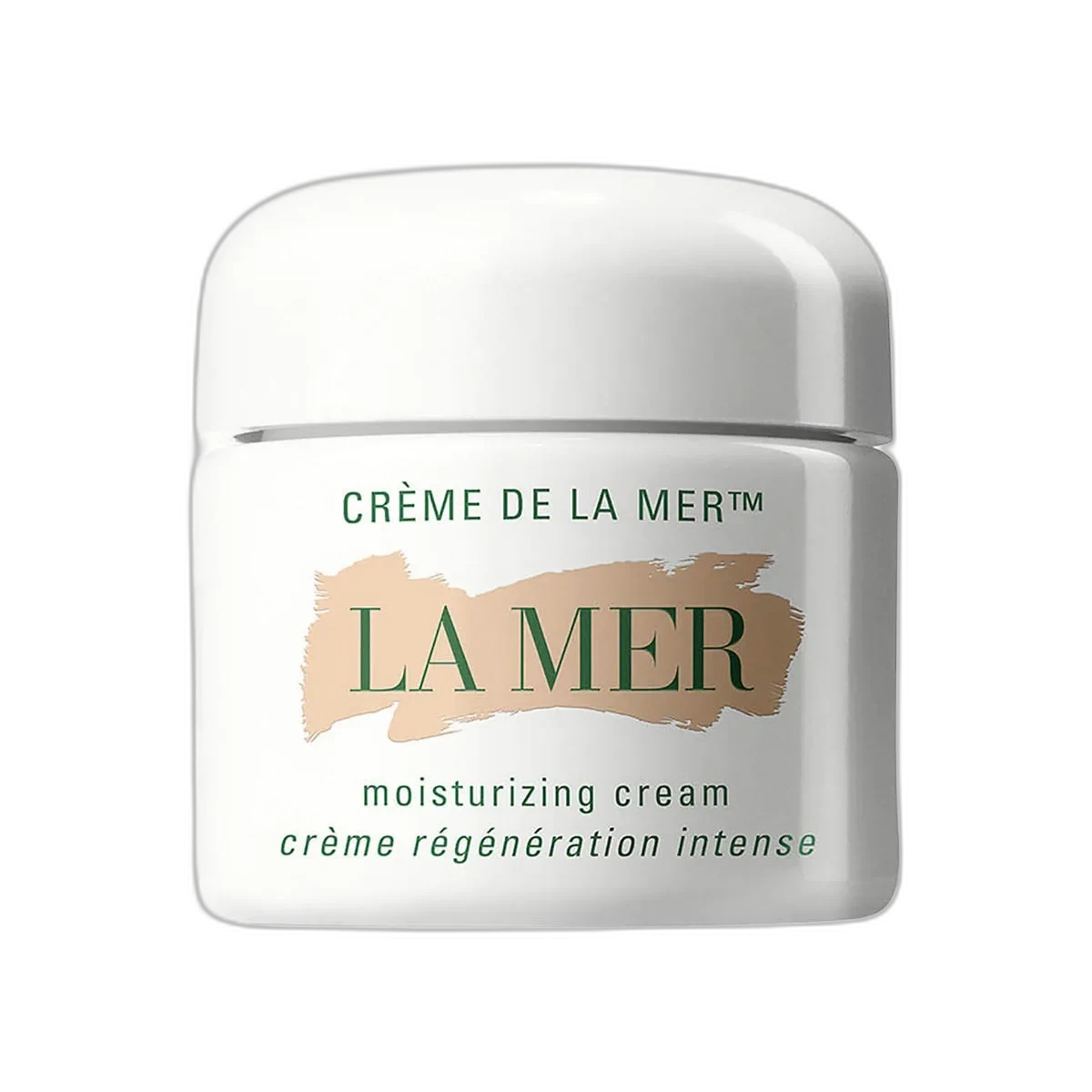
Crème de la Mer Moisturizing Cream
The Luxury Skincare Icon
 Verified reviewer
Pros & cons.
- +Exceptionally effective occlusive barrier for deeply dry and depleted skin
- +Immediate visible plumping and radiance from first application
- +A small amount goes a remarkably long way, extending jar life to months
- +Unique warming application ritual transforms texture from balm to liquid
- +Effective for post-procedure recovery and barrier-compromised skin
- +Iconic, weighty glass packaging with an unmistakable luxury presence
- +Over 60 years of consistent formulation with a loyal devoted following
- −Price-to-ingredient ratio is the most extreme in mainstream skincare
- −Contains fragrance and multiple identified allergens — unsuitable for sensitive skin
- −Too heavy and occlusive for oily or acne-prone complexions
- −Jar packaging is unhygienic compared to pump or tube alternatives
- −Miracle Broth lacks independent peer-reviewed clinical validation
- −Impractical for daytime use under makeup due to dewy, heavy finish
The full review.
About Crème de la Mer
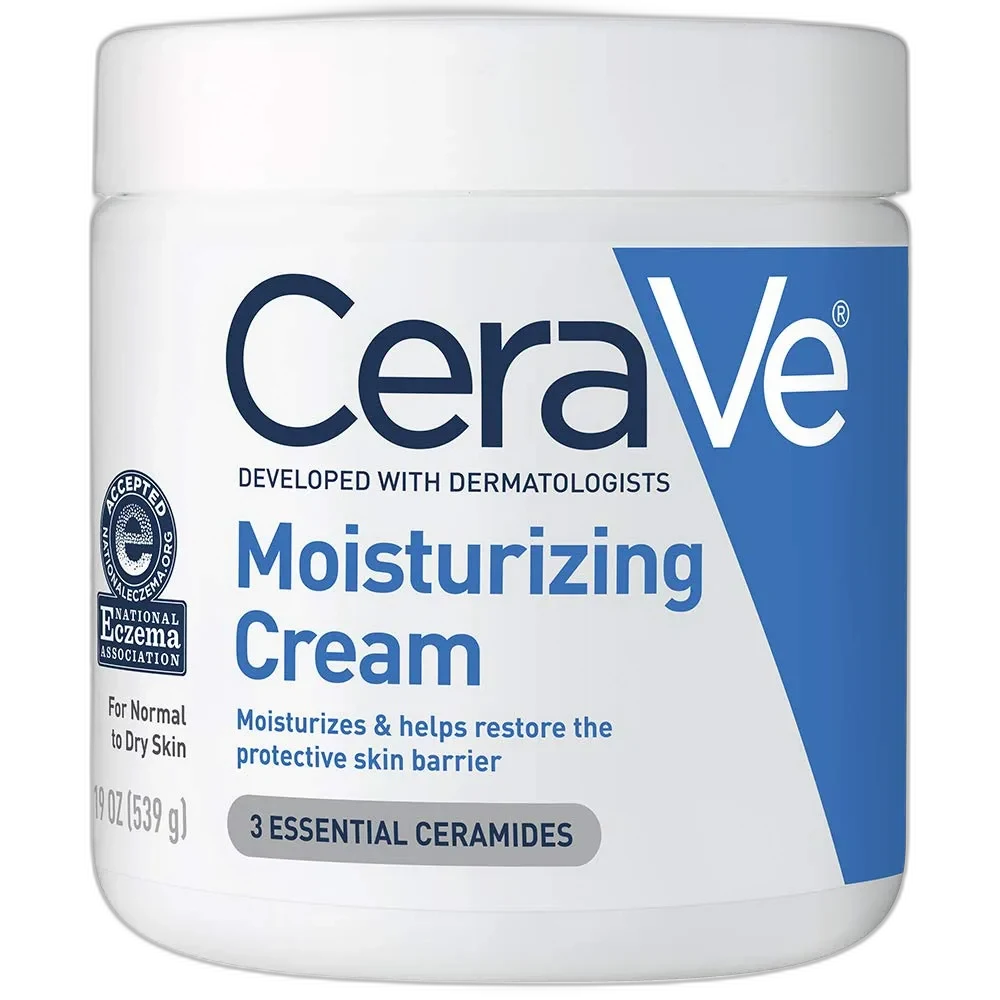
By modern formulation standards, the cream Huber created is almost comically straightforward. The first few ingredients on the jar tell the story: algae extract (the famous Miracle Broth), followed by mineral oil, petrolatum, and glycerin. These workhorse moisturizing agents also appear in Aquaphor, CeraVe Healing Ointment, and many products costing less than your morning coffee. The formula lacks ceramides, peptides, retinoids, or the actives that dominate contemporary skincare. It is a well-made occlusive cream with a fermented seaweed twist.
Reality
Crème de la Mer genuinely works. It does not work like a retinol, which drives visible cellular turnover and measurable collagen stimulation. It works like a perfectly engineered barrier cream: it seals moisture into the skin so thoroughly that dehydrated, wind-chapped, or barrier-compromised skin heals. The petrolatum and mineral oil form a near-impenetrable shield. The glycerin beneath them draws and holds water. The Miracle Broth delivers a payload of minerals, vitamins, and amino acids from the fermented kelp that provides antioxidant support.
How to Use
The texture is unique in skincare. Straight from the jar, it is a dense, slightly waxy, soft solid that resists the finger. La Mer’s recommended application method is not marketing theater: you must warm a small amount between your fingertips until it turns from an opaque paste to a translucent liquid. Skipping this step leaves a greasy film on your skin. If you do it properly, the cream melts into skin within ninety seconds, leaving a dewy, plumped finish.
Scent
Opinions fracture on the scent. There is actual Fragrance (Parfum) and a full roster of identified allergens: Limonene, Geraniol, Linalool, Hydroxycitronellal, Citronellol, Benzyl Salicylate, and Citral. The smell opens briny and marine, shifts to something warm and creamy, and settles into a faint waxy musk. Some find it luxurious; others describe it as a grandmother’s vanity table. If you are fragrance-sensitive, this cream is a hard no—there is no fragrance-free version.
Best for
Crème de la Mer excels for deeply dry, depleted, or barrier-damaged skin needing serious occlusive protection. In this context, it performs beautifully. Skin feels immediately plumper, fine lines appear softened, and well-hydrated skin reflects light evenly. This effect compounds with weeks of consistent use. The cream also works post-procedure—after laser treatments or aggressive retinol use—because the heavy occlusive barrier provides the protected environment traumatized skin needs to recover.
Not ideal for
The cream has clear limitations. It is too heavy for oily skin. The mineral oil, petrolatum, and lanolin alcohol combination triggers breakouts in acne-prone complexions. The jar packaging requires dipping fingers into the product every application—not ideal for a $390 cream containing no preservative system beyond sodium benzoate. For daytime use under makeup, the dewy finish and heavy texture are impractical if you do not want to look freshly glazed by noon.
Common Complaints
Value is the main issue—especially for the 16.5 oz jar. La Mer has not published independent, peer-reviewed clinical trials showing the Miracle Broth fermentation process delivers measurable benefits beyond standard algae extract. Multiple dermatologists have compared the formula’s core function to Aquaphor. The mineral gluconate complex (copper, calcium, magnesium, zinc) is a point of interest, and the bio-fermentation process may produce bioactive compounds not present in unfermented kelp. But “may” is a heavy word at this price point.
Who Should Buy
You are paying for the experience: the glass jar, the ritual of warming the cream, the scent, the origin story, and the fact that sixty years of devotees—including many dermatologists’ patients—report skin that looks and feels better. Whether that experience is worth $390 or if you can get the same hydration for under $20 is a question for your bank account.
Works for
Creme de la Mer is not a scam or snake oil. It is an effective occlusive moisturizer with a backstory, a divisive fragrance, and a price tag reflecting brand mythology more than ingredient innovation. If you have very dry skin, disposable income, and enjoy the ritual, it will make your skin look fantastic. If you want the most effective moisturizer per dollar spent, you passed that point about $370 ago.
Ingredient analysis.
Full INCI list
Algae (Seaweed) Extract, Mineral Oil/Paraffinum Liquidum/Huile Minerale, Petrolatum, Glycerin, Isohexadecane, Microcrystalline Wax/Cera Microcristallina/Cire Microcristalline, Lanolin Alcohol, Citrus Aurantifolia (Lime) Extract, Sesamum Indicum (Sesame) Seed Oil, Eucalyptus Globulus (Eucalyptus) Leaf Oil, Sesamum Indicum (Sesame) Seed Powder, Medicago Sativa (Alfalfa) Seed Powder, Helianthus Annuus (Sunflower) Seedcake, Prunus Amygdalus Dulcis (Sweet Almond) Seed Meal, Sodium Gluconate, Copper Gluconate, Calcium Gluconate, Magnesium Gluconate, Zinc Gluconate, Magnesium Sulfate, Paraffin, Tocopheryl Succinate, Niacin, Water/Aqua/Eau, Beta-Carotene, Decyl Oleate, Aluminum Distearate, Octyldodecanol, Citric Acid, Cyanocobalamin, Magnesium Stearate, Panthenol, Limonene, Geraniol, Linalool, Hydroxycitronellal, Citronellol, Benzyl Salicylate, Citral, Sodium Benzoate, Alcohol Denat, Fragrance (Parfum)
Skin match.
The science.
The Science
Scientific debate over Crème de la Mer asks one question: does the Miracle Broth fermentation process produce bioactive compounds that outperform standard algae extract? The answer is unclear. Sea kelp (Macrocystis pyrifera, the giant kelp La Mer harvests from Pacific waters) contains polysaccharides, minerals, vitamins, and antioxidants. A 2011 review in Marine Drugs examined brown algae compounds and noted antioxidant activity from fucoidans and phlorotannins (Wijesekara et al., Marine Drugs, 2011). This research applies to algae generally, not specifically to La Mer's fermentation process.
The cream's proven mechanism is simpler: occlusion. Petrolatum is one of the most studied and effective occlusive agents in dermatology. A foundational study showed that petrolatum reduces transepidermal water loss (TEWL) by over 98% (Ghadially et al., Journal of Clinical Investigation, 1992). Mineral oil is lighter than petrolatum but provides extra occlusive and emollient benefits. Together, they form a barrier that prevents moisture loss.
Glycerin, the fourth ingredient, is a humectant. Decades of evidence show it attracts and retains water in the stratum corneum. Placing a humectant layer beneath heavy occlusives is a sound dermatological strategy for treating xerosis and compromised barriers.
The mineral gluconate complex — copper, calcium, magnesium, and zinc — is the most scientifically interesting part beyond the base. Copper peptides have documented roles in wound healing and collagen synthesis (Pickart et al., BioMed Research International, 2015), but it is uncertain if copper gluconate at unknown concentrations in a cosmetic cream replicates these effects. Zinc gluconate provides anti-inflammatory and antimicrobial properties. La Mer has not used independent research to show if these minerals survive fermentation in bioavailable forms or sufficient concentrations.
References
- Bioactive Compounds Derived from Brown Seaweeds — Marine Drugs (2011)
- Effects of Petrolatum on Stratum Corneum Structure and Function — Journal of Clinical Investigation (1992)
- GHK Peptide as a Natural Modulator of Multiple Cellular Pathways in Skin Regeneration — BioMed Research International (2015)
Dermatologist Perspective
Dermatologist opinion on Crème de la Mer is split. Board-certified dermatologists agree the formula's core mechanism — petrolatum and mineral oil creating an occlusive barrier over glycerin — is sound dermatology that treats dry, compromised skin. Several dermatologists note the ingredient list mirrors much cheaper barrier creams. However, dermatologists treating high-end clientele report that patients using Crème de la Mer have well-hydrated, healthy-looking skin. This suggests the compliance factor — people who spend heavily on a product tend to use it regularly — contributes to results. Dermatologists caution against using this product on acne-prone skin because mineral oil and lanolin alcohol have comedogenic potential. The fragrance also makes it unsuitable for patients with contact allergies or sensitive skin conditions like rosacea.
Where it fits in your routine.
Use clean, dry fingertips to scoop a pea-sized amount from the jar. Press and rub the cream between your palms for 10-15 seconds until the dense, opaque paste becomes a translucent, almost liquid consistency. Press the cream onto your cheeks, forehead, chin, and neck with an open-palm motion. Do not rub, drag, or spread the product. Apply after serums and treatments in the morning and night. For daytime use, wait 2-3 minutes for absorption before applying sunscreen. Use less in warmer months and more in winter or after barrier-disrupting treatments.
Crème de la Mer is not a good value. At $390 for 2 oz, the price is $195 per ounce for a formula using mineral oil, petrolatum, and glycerin — ingredients that cost pennies per ounce raw. The brand claims the proprietary Miracle Broth fermentation adds value, but without independent clinical data showing it beats standard algae extract, the premium is a brand tax. Sizes range from $100 (0.5 oz) to $2,950 (16.5 oz), and larger sizes have better per-ounce value. Because the cream is thick, a small amount covers the whole face. A 2 oz jar lasts 3-6 months, making the daily cost roughly $2-4. If you have legacy-brand loyalty, disposable income, and dry skin, the experience may justify the cost. For others, effective occlusive moisturizers exist for under $20.
People with dry, depleted, or barrier-compromised skin who want a thick occlusive moisturizer and have the budget. If you view skincare as a ritual and enjoy luxury products, Crème de la Mer provides an unmatched sensory experience and real hydration results.
The heavy occlusive formula likely clogs pores for oily, combination, or acne-prone skin. People with fragrance sensitivities or contact allergies should avoid the identified allergens. The formula lacks cutting-edge active ingredients like retinoids, peptides, or vitamin C, making it basic for the price.
Product details.
This thick, dense, paste-like cream resembles cold butter. Warm it between fingertips until translucent before pressing into skin. The cream melts on contact and absorbs within about 90 seconds.
The fragrance has complex layers: it starts briny and ozonic with a sea-salt top note, moves to a creamy, slightly sweet warmth with fermented undertones, and ends as a faint waxy musk. It is polarizing—some call it sophisticated, while others call it dated.
Thick frosted glass jar with a solid brushed aluminum lid, packaged in a matte navy blue box. The sea-green tinted jar is a recognized luxury skincare design. Jar format only — no pump or tube option.
The first application provides an immediate plumping and dewy effect. The warming ritual takes practice — you must transform the cream from solid to liquid between your fingers before pressing it into skin. The texture is thick and slightly greasy, but this subsides within minutes. There is no adjustment period, though oilier skin types may find the heaviness lasts all day.
Apply to the face twice daily for 3-6 months, depending on application amount. A 2 oz jar lasts 4+ months for many users.
12 months
fall winter
The backstory.
In 1953, aerospace physicist Dr. Max Huber suffered severe chemical burns in a lab accident. Over the next 12 years, he conducted roughly 6,000 experiments fermenting giant sea kelp, ultimately creating Crème de la Mer in 1965 as a treatment for his own scars. After his death, Estée Lauder acquired the brand in 1995 and transformed it into the pinnacle of luxury skincare, though the formula remains remarkably close to Huber's original.
About La Mer
Legacy Brand (20+ years)Aerospace physicist Dr. Max Huber created La Mer in 1965 after 12 years of experimentation. Estée Lauder acquired the brand in 1995. La Mer sets the benchmark for ultra-luxury skincare, but the proprietary Miracle Broth fermentation process lacks independent peer-reviewed validation.
Common myths.
Crème de la Mer uses rare, exotic ingredients to justify its price
The INCI list shows mineral oil, petrolatum, and glycerin are the main moisturizing agents — ingredients used in drugstore products. The proprietary algae fermentation process differentiates it, not rare raw materials.
The Miracle Broth is clinically proven to regenerate skin
La Mer has not published independent peer-reviewed clinical trials to validate the Miracle Broth's specific efficacy claims. The fermented algae extract delivers antioxidants and minerals, but the measurable benefit of fermentation over standard algae extract is unconfirmed.
FAQ.
Can I use La Mer Crème de la Mer on oily or acne-prone skin?
This is generally not recommended. The heavy occlusive base of mineral oil, petrolatum, and lanolin alcohol traps sebum and worsens breakouts. Users with oily or acne-prone skin report clogged pores and whiteheads. La Mer's lighter formulas like The Moisturizing Soft Cream work better.
How do you apply Crème de la Mer properly?
Scoop a small amount with clean fingertips. Warm it between your palms until the dense balm becomes a translucent, almost liquid consistency. Press it gently into skin instead of rubbing. This warming step is essential; applying it cold leaves a heavy, greasy film that does not absorb properly.
Does La Mer Crème de la Mer contain fragrance?
The formula contains Fragrance (Parfum) and several identified fragrance allergens: Limonene, Geraniol, Linalool, Hydroxycitronellal, Citronellol, Benzyl Salicylate, and Citral. People with fragrance allergies or fragrance-sensitive skin should avoid it.
How long does a jar of La Mer Crème de la Mer last?
Warming a small amount between fingers until translucent makes a 2 oz jar last 3-6 months. Many users use it daily for 4+ months. This lowers the per-application cost compared to the sticker price, though the price remains in the luxury category.
What the community says.
"Exceptional deep moisturization for very dry skin"
"Visible improvement in fine lines and skin radiance over time"
"A small amount goes a long way — a jar lasts months"
"Luxurious sensory experience and elegant packaging"
"Skin looks plumper and more youthful with consistent use"
"Effective at soothing irritated or compromised skin"
"Extremely expensive relative to the ingredient list"
"Very thick and heavy texture that can feel greasy or tacky"
"Contains fragrance that some find overpowering or dated"
"Can cause breakouts on acne-prone or oily skin types"
"Jar packaging raises hygiene concerns"
"Too heavy for daytime use or under makeup for many users"