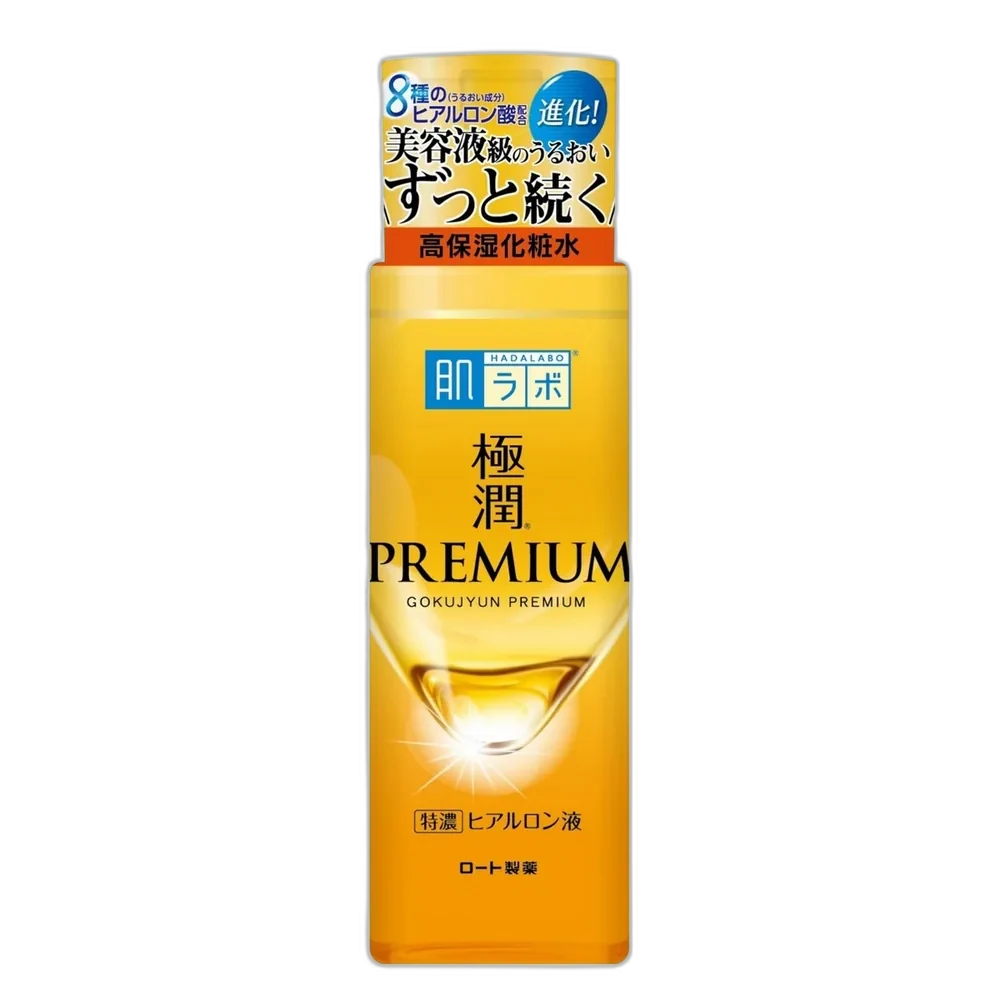
Gokujyun UV White Gel SPF 50+
J-Beauty All-in-One SPF
 Verified reviewer
Pros & cons.
- +Five-filter UV system with Tinosorb S and Uvinul A Plus delivers SPF 50+ PA++++ protection
- +Completely invisible finish with zero white cast on any skin tone
- +Lightweight gel texture that doubles as moisturizer and makeup base
- +Stable vitamin C derivative provides cumulative brightening treatment
- +Dual hyaluronic acid maintains hydration despite alcohol content
- +Generous 90g tube at ~$17 provides 2-3 months of daily protection
- +Fragrance-free formula
- −Contains denatured alcohol which may be drying for sensitive or dry skin types
- −Not water-resistant — unsuitable for swimming or intense outdoor activity
- −Contains octinoxate which some consumers avoid for environmental reasons
- −Contains methylparaben and iodopropynyl butylcarbamate preservatives
- −May not be moisturizing enough as a standalone for dry skin types
The full review.
Skincare enthusiasts worldwide gravitate toward Japanese sunscreens for a reason. It is not brand loyalty or aesthetics. Japanese formulators solved the sunscreen elegance problem decades ago, while the global market still sold thick, white, greasy products.
The Hada Labo Gokujyun UV White Gel shows this gap clearly. This transparent gel spreads like a lightweight moisturizer, sets to an invisible, non-greasy finish in seconds, and provides SPF 50+ PA++++ protection via a five-filter system covering the full UV spectrum. It hydrates with dual hyaluronic acid and brightens with a stable vitamin C derivative. It costs about seventeen dollars for 90 grams.
The UV filter system is the foundation. Tinosorb S provides photostable broad-spectrum coverage by absorbing both UVA and UVB wavelengths without degrading under sun exposure. Uvinul A Plus (DHHB) adds potent UVA protection to target photoaging, dark spots, and collagen breakdown. Octinoxate handles additional UVB absorption. Polysilicone-15 is a silicone-encapsulated UV filter that sits on the skin surface for consistent protection. Titanium dioxide adds mineral-based physical protection. This is a multilayered defense system designed by pharmaceutical chemists for different UV wavelengths.
The PA++++ rating is the highest in the Japanese UV protection grading system. It indicates excellent UVA protection, which matters for those concerned about hyperpigmentation and photoaging. Japanese UV testing standards are rigorous; this rating is not awarded casually.
This product also adds skincare treatment. Magnesium ascorbyl phosphate is a stable vitamin C derivative that gradually brightens skin and helps fade existing dark spots. While the concentration is lower than a dedicated vitamin C serum, daily application builds cumulative brightening effects. Hydrolyzed hyaluronic acid and sodium hyaluronate provide two forms of hydration to prevent the formula’s alcohol from drying the skin.
The alcohol content is worth noting. Denatured alcohol is the fifth ingredient, so it is present in meaningful amounts. It helps the gel formula spread evenly, absorb quickly, and set without tackiness. For oily and combination skin types, this helps create the matte, non-greasy finish that works as an excellent makeup base. For dry or sensitive skin, the alcohol may cause discomfort over time, especially in dry climates. The dual HA mitigates but does not eliminate this concern.
The all-in-one positioning is practical. For oily and normal skin types, this gel provides enough hydration to replace a morning moisturizer. The smooth, non-tacky finish functions as a primer. The vitamin C adds serum-level brightening. You can cleanse, tone, and apply this product as your entire morning routine to achieve protection, hydration, and brightening. It is efficient.
Japanese sunscreen engineering shines in the texture. This gel slides across the skin with zero drag. There is no white cast on any skin tone. It is invisible within thirty seconds. You cannot feel or see the sunscreen. You just have protected skin that looks and feels like skin. If you have never tried a Japanese sunscreen, realizing sun protection does not require compromise is transformative.
The 90-gram tube is generous for a facial sunscreen. Daily application on the face and neck lasts two to three months. At seventeen dollars, high-performance sun protection with skincare benefits costs roughly eight to nine dollars per month. The value is disruptive.
The product is not water-resistant. For beach days, swimming, or intense outdoor exercise, use a sport-grade sunscreen. This is designed for daily urban wear—commuting, office work, and routine outdoor exposure—where it excels.
Contains octinoxate, which some consumers avoid due to environmental concerns regarding coral reef impact. It also contains methylparaben and iodopropynyl butylcarbamate as preservatives. These are within standard regulatory safety limits but worth noting for those with specific avoidance preferences.
For the budget-conscious, UV-conscious, and elegance-demanding consumer, this product proves exceptional sun protection is neither expensive nor unpleasant. It reflects the Japanese approach to skincare: scientifically rigorous, practically efficient, and sensually refined.
Formula
PM routine
Ingredient analysis.
Full INCI list
Water, Ethylhexyl Methoxycinnamate, Isononyl Isononanoate, Dimethicone, Alcohol, Butylene Glycol, PEG-12 Dimethicone, Pentylene Glycol, Polysilicone-15, Glycol Dimethacrylate Crosspolymer, Bis-Ethylhexyloxyphenol Methoxyphenyl Triazine, Magnesium Ascorbyl Phosphate, Hydrolyzed Hyaluronic Acid, Sodium Hyaluronate, Diethylamino Hydroxybenzoyl Hexyl Benzoate, Polysilicone-13, Phenoxyethanol, Carbomer, Triethanolamine, Polystyrene, Polyvinyl Alcohol, Hydroxyethylcellulose, Disodium EDTA, Iodopropynyl Butylcarbamate, Acrylates/C10-30 Alkyl Acrylate Crosspolymer, Titanium Dioxide, Ammonium Acrylates Copolymer, Hydrated Silica, Aluminum Hydroxide, Hydrogen Dimethicone, Methylparaben
Skin match.
The science.
The Science
Photobiology research supports the UV filter combination in this product. Bis-Ethylhexyloxyphenol Methoxyphenyl Triazine (Tinosorb S) is a broad-spectrum filter that absorbs UVA and UVB. Research in Photochemical & Photobiological Sciences shows its high photostability; it does not degrade under UV exposure and maintains protection all day.
Diethylamino Hydroxybenzoyl Hexyl Benzoate (Uvinul A Plus/DHHB) is a highly effective UVA filter. Studies in the Journal of the American Academy of Dermatology show that sunscreens with multiple photostable filters provide more reliable broad-spectrum protection than single-filter formulas.
Magnesium ascorbyl phosphate (MAP) is a well-studied vitamin C derivative. Research in the Journal of Cosmetic Dermatology shows that 10% MAP concentration reduces melanin formation and skin darkening. This sunscreen likely uses a lower concentration, but daily use with UV protection manages hyperpigmentation synergistically—the vitamin C treats existing discoloration while the UV filters stop new melanin overproduction.
The PA++++ rating means a UVA protection factor (UVAPF) of 16 or higher per the Japanese standard (ISO 24442). This is the highest PA rating and shows excellent protection against UVA-induced immediate and persistent pigment darkening.
Dermatologist Perspective
Dermatologists recommend daily broad-spectrum sunscreen as the most effective anti-aging measure. Board-certified dermatologists note that this product's multi-filter approach—combining photostable chemical filters with mineral titanium dioxide—follows current best practice for UV protection. Adding vitamin C is a smart formulation choice because antioxidants help neutralize free radicals from residual UV penetration. Dermatologists caution that alcohol-containing sunscreens may increase dryness for patients with eczema, rosacea, or compromised barriers, and they recommend applying about 1/4 teaspoon for the face and neck to reach the stated SPF.
Where it fits in your routine.
Apply a nickel-sized amount to your face and neck as the final morning step, after toner and serum (or alone on oily skin). Spread it evenly and wait 1-2 minutes to set before applying makeup. Reapply every 2 hours during extended outdoor exposure. Remove thoroughly with an oil cleanser in the evening.
At about $17 for 90g, this is one of the best-value facial sunscreens globally, using modern UV filters and treatment actives. One tube lasts 2-3 months with daily application to face and neck, making the per-use cost about $0.20-0.28. The SPF 50+ PA++++ protection, dual HA, and vitamin C combination at this price is unmatched. Western brands with similar filter sophistication usually cost $25-45 for smaller volumes.
People wanting an affordable, cosmetically elegant daily sunscreen with treatment benefits. It works for oily and combination skin types seeking a non-greasy, all-in-one morning product. It suits those targeting hyperpigmentation with UV protection and brightening in one step. J-beauty enthusiasts and anyone tired of heavy, white-cast Western sunscreens will like it.
People with dry or sensitive skin who react to alcohol in skincare. Anyone needing water-resistant sun protection for sports or the beach. Consumers who avoid octinoxate or methylparaben. Those seeking a standalone moisturizing sunscreen for very dry climates.
Product details.
Lightweight, transparent gel spreads easily without a white cast. It sets to a smooth, non-greasy finish within seconds.
Fragrance-free — no added scent
White tube with a twist cap. Simple, clean design with Japanese labeling. The 90g size is large for a facial sunscreen.
The gel glides on without resistance and leaves a smooth, nearly invisible layer. It has no white cast, no greasiness, and no sunscreen smell. It feels like a lightweight moisturizer instead of a sunscreen. It sets quickly and works as a good base for makeup.
2-3 months with daily face and neck application
12 months
All Year
The backstory.
Japanese sunscreen technology has long led the world in cosmetic elegance, and this product exemplifies why. Developed by Rohto Pharmaceutical, the Gokujyun UV White Gel extends the brand's hyaluronic acid obsession into sun protection, adding vitamin C for a brightening dimension that addresses the dark spots and dullness that UV exposure causes. The 'all-in-one' concept reflects the Japanese approach to efficient, multi-step skincare simplification.
About Hada Labo
Established Brand (5–20 years)Rohto Pharmaceutical, a Japanese pharmaceutical company founded in 1899, created Hada Labo in 2004. Hada Labo sunscreen technology uses Rohto's deep UV protection research. Japanese sunscreens are widely known as some of the most cosmetically elegant in the world.
Common myths.
Japanese sunscreens provide less protection than Western ones.
Japanese sunscreens follow strict regulations. SPF 50+ with PA++++ (the highest UVA rating in the Japanese system) shows excellent broad-spectrum protection. The multi-filter system in this product — including Tinosorb S and Uvinul A Plus — uses some of the most advanced UV filters globally.
All-in-one SPF products compromise on protection.
This product's UV filter system uses five different filters to cover the full UV spectrum. The additional skincare benefits (HA, vitamin C) sit on top of the protection system rather than replacing it. Still, application amount is critical — use enough to get the full SPF 50+ coverage.
FAQ.
Does the Hada Labo UV White Gel leave a white cast?
No — this gel sunscreen is transparent and leaves no white cast on any skin tone. The titanium dioxide concentration and particle size are low enough to avoid visible residue, and the gel format ensures an invisible finish.
Can this sunscreen replace my moisturizer?
The dual hyaluronic acid and gel base hydrates oily and combination skin types well. Dry skin users need a separate moisturizer, as the alcohol content and lightweight texture lack enough moisture.
Is this sunscreen water-resistant?
No — this is not a water-resistant sunscreen. It works for daily urban use, not swimming or intense outdoor activity. Use a water-resistant formula for the beach or sports and reapply frequently.
Does the vitamin C in this sunscreen actually work for brightening?
Magnesium ascorbyl phosphate is a stable, well-studied vitamin C derivative that brightens skin over time. This sunscreen has a lower concentration than a dedicated vitamin C serum, but daily use provides cumulative brightening and UV protection to prevent new dark spots.
Why does this sunscreen contain alcohol?
Denatured alcohol helps the gel formula spread thinly and evenly. It sets quickly without tackiness and creates the lightweight, non-greasy finish typical of Japanese sunscreens. The dual hyaluronic acid in the formula offsets drying effects, but those with very dry or sensitive skin may prefer alcohol-free alternatives.
What the community says.
"Lightweight gel texture feels like a moisturizer, not a sunscreen"
"No white cast whatsoever"
"Excellent as a makeup base — smooth and non-greasy"
"All-in-one functionality replaces moisturizer for oily skin"
"Generous 90g size at a budget-friendly price"
"Contains alcohol which can be drying for some skin types"
"Not water-resistant — not suitable for swimming or heavy exercise"
"Contains octinoxate which some consumers prefer to avoid"
"May not be moisturizing enough for dry skin as a standalone"
People also looked at.