Priming Moisturizer Rich
Dry Skin's Best Friend
 Verified reviewer
Pros & cons.
- +Dual ceramides (NP and AP) provide genuine barrier-repair support
- +Fragrance-free, silicone-free, and vegan — the reformulation addressed all major concerns
- +Rich texture melts into skin faster than expected without feeling suffocating
- +Cross-linked hyaluronic acid provides longer-lasting hydration than standard HA
- +Squalane and fermented camellia oil deliver skin-compatible lipid replenishment
- +Leaping Bunny certified cruelty-free with solid ethical credentials
- +Good value at $35 for the ingredient quality in a vegan, indie formula
- −Too rich for oily or acne-prone skin — will likely cause congestion
- −Jar packaging exposes ceramides to air degradation and is unhygienic
- −Can pill under silicone-based primers and foundations
- −No mini or travel size available for trial before committing
- −Some original formula loyalists feel the reformulation lost the product's character
- −Not occlusive enough for severe eczema or extremely dry skin as a standalone
The full review.
About Glossier Priming Moisturizer Rich
The original Glossier Priming Moisturizer Rich launched in January 2017 with an identity crisis. It aimed to be a thick, nourishing cream for dry skin, but also used honey and lavender oil to follow natural trends. Dry-skinned users liked the texture, but fragrance-sensitive, vegan, and allergy-prone consumers had to avoid it. It functioned like a restaurant with great food but terrible acoustics—loyal customers tolerated the flaws, but a large audience was excluded.
The circa-2023 reformulation fixed this. Glossier removed the lavender oil, honey, dimethicone, and shea butter. It added dual ceramides (NP and AP), cross-linked hyaluronic acid, and fermented camellia seed oil, bringing K-beauty fermentation science to an American indie formula. The result is a different product under the same name, and these changes are almost entirely positive.
Reality
The ceramide addition is the main feature. Ceramide NP and Ceramide AP are two of the six ceramide types that maintain the skin’s lipid barrier—the microscopic mortar between skin cells that prevents water loss and irritant entry. This addition moves the Priming Moisturizer Rich from a “pleasant rich cream” to actual barrier repair. Combined with squalane, which mirrors skin lipids, the formula now has a lipid profile that supports barrier recovery instead of just surface hydration.
The texture remains the product’s most immediate appeal. It is thick in the jar—the kind of thickness that helps dry skin—but melts quickly on warm skin. Within a minute, the buttery density becomes a dewy, velvety layer that feels protective but not suffocating. This absorption is notable for anyone used to rich creams that sit on the skin like a waxy mask.
The cross-linked hyaluronic acid (sodium hyaluronate crosspolymer) is a smart upgrade over standard HA. The crosspolymer network lasts longer than standard HA molecules, creating a sustained moisture reservoir on the skin surface. It provides sustained-release hydration rather than a single drink of water, so you stay moisturized longer between applications.
The fermented camellia seed oil is the most exotic ingredient. The yeast Pseudozyma epicola ferments camellia japonica seed oil to produce a filtrate with higher bioavailability and extra metabolites. While it lacks extensive independent clinical data, the theory is sound: fermentation breaks large lipid molecules into smaller, more absorbable forms and generates extra skin-conditioning compounds. This is Glossier’s nod to Korean beauty fermentation science.
The fragrance-free reformulation is a major improvement. The original lavender oil was a poor choice for dry, sensitive skin; lavender essential oil contains linalool and linalyl acetate, which are documented sensitizers. Removing it was more than a vegan gesture; it improved the formulation. The current version has no scent, which is rare and welcome in the rich-cream category.
Removing silicone is a lateral move. Dimethicone provided the original formula’s priming smoothness; now, the formula uses olive-derived emulsifiers (cetearyl olivate, sorbitan olivate) for a priming base that feels more natural but less silky. Users who preferred the original’s smooth makeup application may notice this change.
Performance is excellent for dry skin. Daily use for two to three weeks produces visibly plumper, calmer, and less flaky skin. Ceramides work gradually—you won’t see barrier restoration overnight, but by the six-week mark, reactive and chronically dry skin feels more resilient. As a primer, it creates a dewy base for most non-silicone foundations. It may pill under silicone-heavy makeup because the water-based emulsion system does not always work with high-silicone primers or foundations.
The jar packaging is frustrating. This reformulation prioritized clean principles—removing irritants, going vegan, and eliminating fragrance—so the jar feels inconsistent. A pump or tube would protect the ceramides and fermented oils from air oxidation and keep fingers out of the product. The jar looks good on a shelf, but it is not the best container for a barrier-repair cream.
At thirty-five dollars for 1.7 ounces, the value is solid. A fragrance-free, silicone-free, vegan formula with dual ceramides, squalane, cross-linked HA, and fermented botanicals would cost more from a luxury brand and roughly the same from pharmacy brands, most of which are not vegan or cruelty-free. The Leaping Bunny certification adds value for ethical consumers.
The 3.8 average rating on Space NK reflects a double-edged sword: some original customers feel the product changed without their consent, while others—especially those who avoided the original lavender or honey—are rating the new version highly. The reformulation made the product objectively better as a skincare formula while changing its character. If you liked the lavender scent, it is gone. If you wanted ceramides and fragrance-free, you got it.
Ingredient analysis.
Full INCI list
Water/Aqua/Eau, Caprylic/Capric Triglyceride, Propanediol, Glycerin, Squalane, Orbignya Oleifera Seed Oil, Cetearyl Olivate, Sorbitan Olivate, Pentaerythrityl Tetraisostearate, Pseudozyma Epicola/Camellia Japonica Seed Oil Ferment Extract Filtrate, Sodium Hyaluronate Crosspolymer, Ceramide NP, Ceramide AP, Buddleja Officinalis Flower Extract, Lithothamnion Calcareum Extract, Hydroxyethyl Acrylate/Sodium Acryloyldimethyl Taurate Copolymer, Amylopectin, Acrylates/C10-30 Alkyl Acrylate Crosspolymer, Sodium Acrylate/Sodium Acryloyldimethyl Taurate Copolymer, Caprylyl/Capryl Glucoside, Glyceryl Stearate, Caprylyl Glycol, Cetearyl Alcohol, Pentylene Glycol, Sorbitan Isostearate, Xanthan Gum, 1,2-Hexanediol, Hydroxyacetophenone, Polyisobutene, Polysorbate 60, Lactic Acid, Potassium Sorbate, Sodium Benzoate, Potassium Hydroxide
Skin match.
The science.
The Science
The reformulated formula repairs the barrier using a dual ceramide system. Ceramide NP (N-stearoyl phytosphingosine) and Ceramide AP (alpha-hydroxy-N-stearoyl phytosphingosine) are two of the six ceramide subclasses that make up about 50% of the stratum corneum's intercellular lipid matrix. Depleting these ceramides characterizes barrier dysfunction in conditions ranging from atopic dermatitis to chronological aging. Supplementation studies show that topical ceramide application supports barrier recovery, reduces transepidermal water loss (TEWL), and decreases skin sensitivity.
The cross-linked sodium hyaluronate (sodium hyaluronate crosspolymer) is a technical upgrade over standard hyaluronic acid. Crosslinking builds a three-dimensional polymer network that resists enzymatic degradation by hyaluronidases and keeps its moisture-retaining structure on the skin surface longer. Studies comparing crosslinked and non-crosslinked HA formulations show the crosslinked form provides sustained hydration benefits over a longer period, so you reapply less often to maintain moisturization.
Squalane aids the barrier-repair strategy as a lightweight occlusive that mimics the skin's own sebum. Unlike petrolatum-based occlusives, squalane integrates into the lipid layer instead of sitting on top, creating a breathable moisture seal that supports the skin's natural barrier function rather than replacing it.
The fermented camellia seed oil (Pseudozyma epicola/Camellia japonica seed oil ferment extract filtrate) is an emerging ingredient class. Yeast fermentation of plant oils produces glycolipids and other metabolites that enhance skin compatibility and penetration of the parent oil's fatty acid content. While independent clinical data on this specific ferment is limited, preliminary studies show the broader category of yeast-fermented cosmetic ingredients has skin-conditioning, moisturizing, and mild antimicrobial properties.
Dermatologist Perspective
Dermatologists use ceramide-containing moisturizers as foundational tools to manage dry skin and compromised barriers. Board-certified dermatologists would favor this dual-ceramide, fragrance-free formulation — it matches the products routinely recommended for patients with dry skin, atopic tendencies, and retinoid-related irritation. Dermatologists would welcome the removal of lavender oil in the reformulation, as they consistently advise against essential oils in products for sensitive or barrier-compromised skin. Dermatologists would note that while two ceramides are better than none, the absence of cholesterol and free fatty acids in a structured ratio means this doesn't replicate the complete barrier lipid profile that some pharmacy brands provide.
Where it fits in your routine.
Use a spatula or clean fingers to scoop a pea-sized amount from the jar. Warm the product between fingertips and press it into clean skin every morning and evening as your last moisturizing step. Wait 1-2 minutes for full absorption before you apply sunscreen or makeup in the morning. At night, apply a thick layer over retinol or other treatment serums to seal in actives and support the barrier overnight. For combination skin, apply to drier areas and use less on the T-zone.
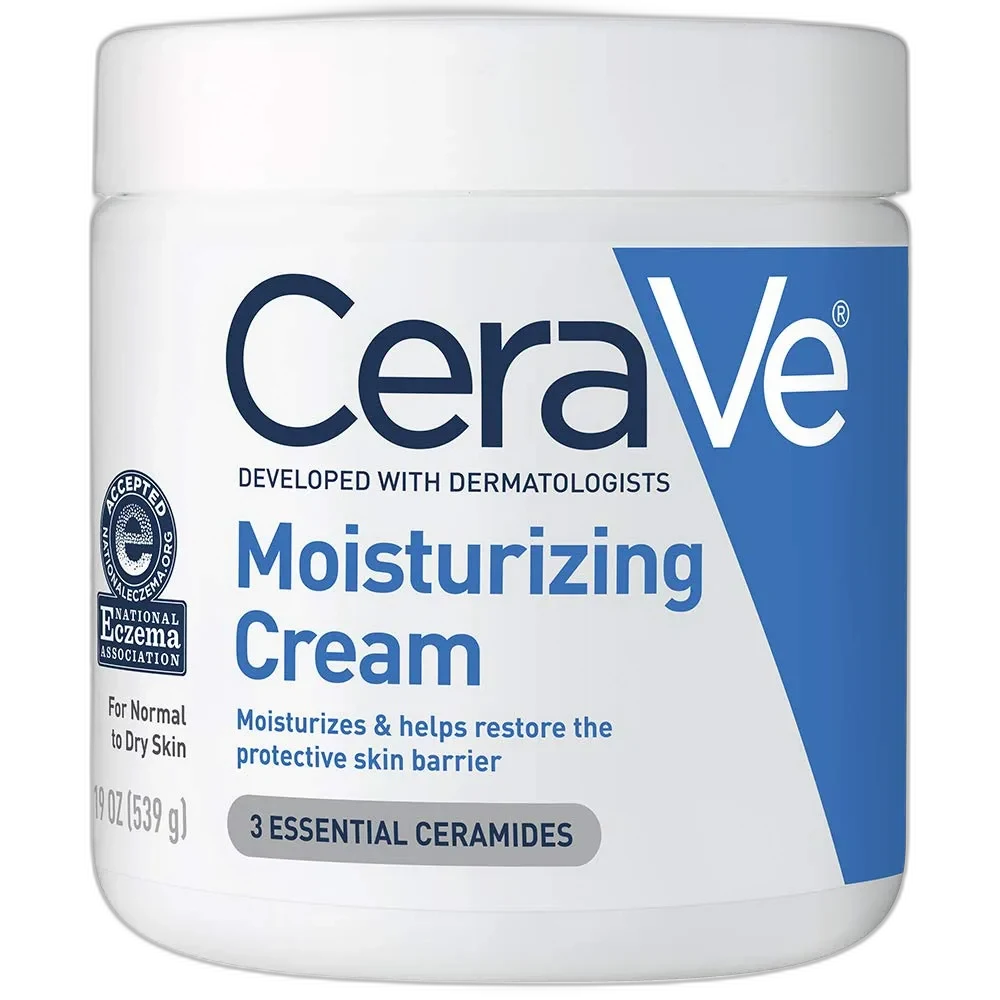
At $35 for 1.7 ounces ($20.60/oz), this fragrance-free, vegan thick cream is priced well. Pharmacy-brand ceramide moisturizers like CeraVe Moisturizing Cream cost much less per ounce but lack vegan or cruelty-free labels. Luxury ceramide creams from brands like Dr. Jart+ or Drunk Elephant cost more. A 10% subscription discount on Glossier.com lowers the price to $31.50, making it competitive for consumers who want efficacy plus ethical and clean-beauty credentials.
Dry and normal-to-dry skin types want a thick daily moisturizer with barrier-repair ingredients and clean-beauty credentials. This product suits consumers who want ceramides, fragrance-free formulation, vegan certification, and cruelty-free status in one formula—a combination that limits most options.
Oily and acne-prone skin types will find this too heavy and congesting. Those needing the absolute richest occlusive for severe eczema or extreme dryness may need a heavier ointment. If you dislike jar packaging, this format may frustrate you.
Product details.
The current reformulation is fragrance-free. It has no essential oils or masking fragrance. The original 2017 formula used lavender oil, but this is gone. ***
White jar with screw lid uses Glossier's minimalist design. It is recyclable. The jar format requires finger application, which is less hygienic than a pump or tube. No spatula is included.
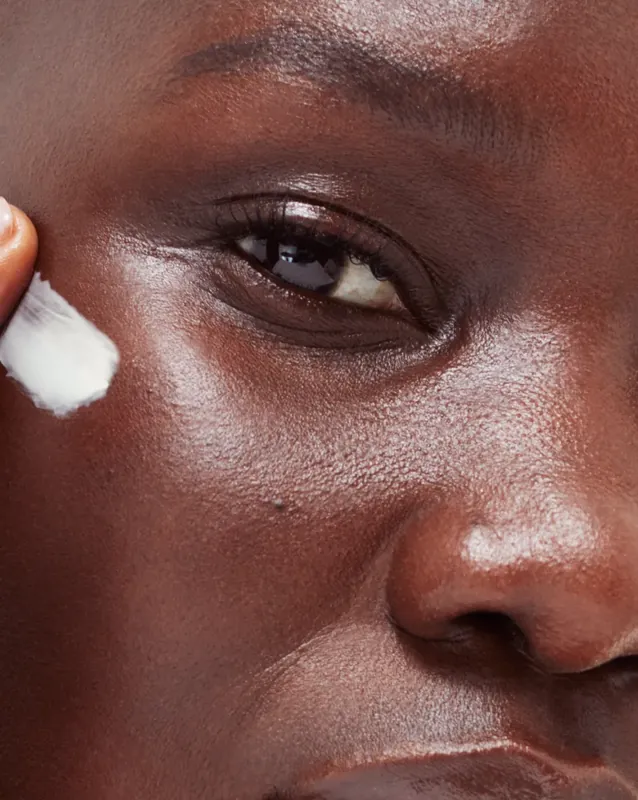
The first application relieves dry, tight skin immediately. The cream feels thick when scooped from the jar but melts quickly with body heat. It leaves a dewy, plump finish that makes dry patches look healthier right away. It causes no stinging or irritation. Skin feels protected and cocooned.
8-10 weeks with twice-daily face and neck application ***
12 months ***
fall winter ***
The backstory.
Priming Moisturizer Rich launched in January 2017 as the dry-skin counterpart to Glossier's original Priming Moisturizer. The original formula contained honey and lavender oil — ingredients that aligned with Glossier's natural aesthetic but limited its appeal to fragrance-sensitive and vegan consumers. The circa-2023 reformulation was a substantial rework that modernized the formula with ceramides and fermented botanicals while removing the problematic ingredients.
About Glossier
Established Brand (5–20 years)Emily Weiss founded Glossier in 2014, and the brand joined the Sephora retail network in 2023. Glossier has been Leaping Bunny certified cruelty-free since 2019. The Priming Moisturizer Rich underwent reformulation around 2023; it replaced lavender oil and honey with ceramides and fermented camellia oil.
Common myths.
Rich creams clog pores and cause breakouts on everyone.
Comedogenicity depends on specific ingredients, not just texture. The main emollients in this formula — squalane and caprylic/capric triglyceride — are non-comedogenic. The ceramides support barrier function. But babassu oil and certain esters may cause congestion in acne-prone skin, making the 'not for oily skin' caveat real.
Silicone-free creams can't create a good primer base.
glyceryl stearate, cetearyl olivate, and sorbitan olivate act as emulsifiers to prime the skin. These create a smooth, even base without traditional silicone slip. This produces a natural, dewy primer base instead of a silky-smooth one, which works better under certain foundation types.
FAQ.
Is the Glossier Priming Moisturizer Rich good for eczema?
The dual ceramides, squalane, and fragrance-free formula work for eczema-prone skin, but it lacks the National Eczema Association seal (Glossier's After Baume has it). Some eczema users use it for daily maintenance, while others need more occlusive options for active flares.
Has the Glossier Priming Moisturizer Rich been reformulated?
Yes — significantly. The current formula (circa 2023) lacks the lavender oil, dimethicone, honey, and shea butter found in the original 2017 version. It uses dual ceramides (NP and AP), cross-linked hyaluronic acid, and fermented camellia seed oil. This fragrance-free, silicone-free, vegan formula improves the experience for sensitive and ingredient-conscious consumers.
Can I use the Glossier Priming Moisturizer Rich under makeup?
Yes — the product is a primer-moisturizer hybrid. The thick texture creates a smooth, dewy base that works under most foundations. Wait 1-2 minutes for full absorption before applying SPF or makeup. Some users report pilling under silicone-heavy foundations, so test your specific makeup combination.
Is the Glossier Priming Moisturizer Rich fragrance-free?
The current reformulated version is fragrance-free. It has no essential oils, no parfum, and no masking fragrance. This differs from the original formula, which contained lavender oil. The current version removes the scent that some users found problematic in the original.
Is the Glossier Priming Moisturizer Rich too heavy for combination skin?
Most combination skin types can use it, especially in warmer months. The thick texture and babassu oil may feel heavy on the T-zone. Some combination-dry users use it as a winter moisturizer or apply it only to dry areas. Glossier's Priming Moisturizer Balance suits the oilier side of combination skin better.
What the community says.
"Deeply hydrating for dry skin without feeling suffocating"
"Skin looks plump and dewy after application"
"Absorbs faster than expected for such a rich cream"
"Reformulation removed lavender oil — now fragrance-free"
"Dual ceramides and squalane provide genuine barrier repair"
"Creates a smooth priming base for makeup application"
"Too heavy and greasy for oily or combination skin types"
"Jar packaging is unhygienic and exposes product to air"
"Can pill under silicone-based primers or foundations"
"Some users find it insufficient for very dry or eczema-prone skin overnight"
"Only one size with no travel or mini option"
"Mixed reviews since the reformulation — some preferred the original"