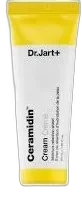
Ceramidin Cream
K-Beauty Barrier Hero
 Verified reviewer
Pros & cons.
- +Five distinct ceramide types replicate the skin's natural lipid barrier more completely than most competitors
- +Cholesterol and lecithin complete the barrier lipid triad for evidence-based repair
- +Cushiony texture absorbs remarkably well for such a rich, nourishing cream
- +Synbiotic system (bifida ferment + fructooligosaccharides) supports skin microbiome health
- +Excellent as a retinol buffer — reduces dryness and flaking from retinoid use
- +Panthenol provides anti-inflammatory soothing alongside structural barrier repair
- +Over a decade of market validation with consistently positive consumer feedback
- −Contains essential oils and fragrance allergens that may irritate very sensitive skin
- −Too rich for oily skin types, particularly in warm humid climates
- −Multiple reformulations have occasionally disappointed long-time users
- −Not fungal acne safe due to fatty acids and certain oil-based ingredients
- −Price has increased notably over the years for the same 50 mL size
The full review.
There is a particular irony in the story of Dr. Jart+ Ceramidin Cream. It launched in 2014, right at the peak of the K-beauty multi-step skincare craze — the era of 10-step routines, acid toners stacked on top of AHA serums, and double-masking Tuesdays. And almost immediately, it became the product people reached for when all that enthusiastic layering left their skin barrier in shambles. The cream that was born from the same K-beauty movement it would spend the next decade rescuing people from.
About Dr. Jart+
That rescue mission starts with ceramides — five of them. Most ceramide moisturizers include one or two types and call it a day. Dr. Jart+ went further, incorporating Ceramides NP, AP, AS, NS, and EOP, which together more closely mirror the lipid composition found in healthy human skin. Ceramides make up roughly 50% of the skin barrier’s lipid matrix, and different ceramide types serve different structural roles. Having five types rather than one isn’t marketing — it’s a more complete approach to mimicking what your skin barrier actually looks like when it’s functioning well.
Reality
But ceramides alone aren’t the whole story. The formula pairs them with cholesterol and hydrogenated lecithin — the other two lipids in the skin’s natural barrier triad. This ceramide-cholesterol-lecithin combination is based on decades of dermatological research into lipid barrier repair, and it’s what separates a genuinely restorative moisturizer from one that just slaps a ceramide on the label for shelf appeal.
How to Use
Layered on top of this structural foundation is a suite of supportive ingredients that address barrier health from multiple angles. Panthenol (provitamin B5) provides anti-inflammatory soothing and deep hydration. Sodium hyaluronate and hydrolyzed hyaluronic acid offer multi-depth moisture retention. A synbiotic system — bifida ferment lysate (probiotic) paired with fructooligosaccharides (prebiotic) — supports the skin microbiome, which plays a larger role in barrier integrity than most people realize. And quietly tucked in at the end of the ingredient list, palmitoyl pentapeptide-4 (Matrixyl) adds a collagen-stimulating dimension to what is primarily a repair product.
Texture
The texture is where this cream wins hearts. It’s dense in the tube — almost alarmingly so the first time you squeeze it out — but it transforms on application into something cushiony and melt-in. The K-beauty descriptor “chok chok” (bouncy, plump) fits perfectly. It absorbs without the heavy, sitting-on-top-of-your-skin feeling that many rich ceramide creams leave behind. By morning, skin looks calm, plumped, and noticeably healthier. The transformation is genuinely visible after even a single night of use on compromised skin.
Scent
The scent deserves honest discussion. Dr. Jart+ uses geranium, bergamot, sage, and patchouli essential oils, which produce a subtle herbal-floral fragrance. It’s not aggressively perfumed — it dissipates quickly — but the ingredient list includes limonene, citronellol, linalool, and geraniol, all recognized fragrance allergens. For a product marketed at damaged, sensitive skin, this is a notable inclusion. Most people won’t have issues, but if you’re dealing with contact dermatitis or known essential oil sensitivities, this is the kind of detail that matters.
Common Complaints
This cream has been reformulated several times since 2014, which has been a source of both improvement and mild controversy among long-time fans. Each version has refined the ceramide complex and texture, but some loyalists preferred earlier iterations. The current formula is arguably the most sophisticated version yet, with the synbiotic system and a more elegant base, but skincare devotees who hoarded tubes of the 2016 formulation might feel differently.
Best for
As a daily moisturizer for dry to normal skin, the Ceramidin Cream excels year-round but truly shines in fall and winter when environmental stress compounds existing barrier challenges. It has become a beloved retinol companion — many users apply it as a buffer layer after their retinoid to prevent the dryness, flaking, and irritation that retinol can cause, and the ceramide complex is ideally suited for this purpose.
Not ideal for
For oily skin types, this will likely feel too rich, particularly in warm, humid conditions. It’s not the cream for minimalists who want a weightless, water-gel texture. This is a proper, substantive moisturizer designed for skin that needs feeding — and it feeds generously.
Price
At 2 for 50 mL, the Ceramidin Cream sits in the mid-premium range. It’s considerably more expensive than drugstore ceramide options, but the five-ceramide complex, the synbiotic system, and the Matrixyl peptide represent genuine formulation sophistication that simpler alternatives don’t offer. Whether that sophistication justifies a 3-4x price premium over drugstore options depends on how much you value the complete package — the texture, the breadth of the ingredient list, and the decade of real-world validation behind it.
Dr. Jart+ Ceramidin Cream earned its reputation the old-fashioned way: by actually repairing the skin barriers that its customers had enthusiastically compromised. Over a decade later, it remains one of the most reliable ceramide moisturizers available — not because it invented the concept, but because it executes it with the kind of thoroughness that makes dermatologists nod approvingly.
Ingredient analysis.
Full INCI list
Aqua, Glycerin, Dipropylene Glycol, Cetearyl Alcohol, Caprylic/Capric Triglyceride, Hydrogenated Poly(C6-14 Olefin), Hydrogenated Polydecene, Methyl Trimethicone, 1,2-Hexanediol, Phenyl Trimethicone, Vegetable Oil, Butyrospermum Parkii Butter, Ceramide NP, Glyceryl Stearate, Cetearyl Olivate, Palmitic Acid, Hydrogenated Lecithin, Sorbitan Olivate, Behenyl Alcohol, C12-16 Alcohols, Stearic Acid, Cetearyl Glucoside, Microcrystalline Cellulose, Butylene Glycol, Algae Extract, Eclipta Prostrata Leaf Extract, Glyceryl Stearate SE, Methylpropanediol, Cholesterol, Ammonium Acryloyl Dimethyltaurate/Carboxyethyl Acrylate Crosspolymer, Malt Extract, Glyceryl Polymethacrylate, Citrus Aurantium Bergamia Fruit Extract, Cellulose Gum, Pelargonium Graveolens Flower Oil, Sodium Hyaluronate, Melia Azadirachta Flower Extract, Fructooligosaccharides, Beta Vulgaris Root Extract, Hydrolyzed Corn Starch, Melia Azadirachta Leaf Extract, Beta-Glucan, Bifida Ferment Lysate, Dextrin, Myristic Acid, Theobroma Cacao Seed Extract, Panthenol, Disodium EDTA, Glucose, Curcuma Longa Root Extract, Ocimum Sanctum Leaf Extract, Limonene, Citronellol, Polyquaternium-51, Amaranthus Caudatus Seed Extract, Ulmus Davidiana Root Extract, Avena Sativa Kernel Extract, Cynara Scolymus Leaf Extract, Pteris Multifida Extract, Raffinose, Linalool, Geraniol, Hydrolyzed Hyaluronic Acid, Pogostemon Cablin Leaf Oil, Salvia Officinalis Oil, Folic Acid, Corallina Officinalis Extract, Pyracantha Fortuneana Fruit Extract, Artemisia Vulgaris Extract, Tromethamine, Ceramide AP, Ceramide AS, Ceramide NS, Palmitoyl Pentapeptide-4, Ceramide EOP
Skin match.
The science.
The Science
Dr. Jart+ Ceramidin Cream uses decades of lipid barrier research. The stratum corneum acts as a brick-and-mortar structure: corneocytes are the bricks, while a lipid matrix of ceramides, cholesterol, and free fatty acids is the mortar. Over-cleansing, harsh actives, or environmental stress depletes this matrix, causing barrier failure and increased transepidermal water loss (TEWL), which leads to dryness, irritation, and sensitivity.
A 1991 Imokawa et al. study in the Journal of the Society of Cosmetic Chemists shows ceramides are the dominant lipid class in the stratum corneum, making up about 50% of total lipid content. Later research shows different ceramide subclasses (at least 12 types) have distinct structural roles. Dr. Jart+ Ceramidin Cream uses five ceramide types — NP, AP, AS, NS, and EOP — for a more biomimetic approach than single-ceramide formulas.
The ceramide-cholesterol-fatty acid ratio is vital for barrier repair. Mao-Qiang et al. (1996) published research in the Journal of Clinical Investigation showing that topical application of a single lipid class alone delayed barrier recovery, but the three-lipid combination (ceramides, cholesterol, and free fatty acids) accelerated it. This formula includes all three: ceramides, cholesterol, and multiple fatty acids (palmitic, stearic, myristic) from the cream base.
Panthenol (provitamin B5) converts to pantothenic acid in the skin to support lipid synthesis and provide anti-inflammatory effects. A 2002 study in the American Journal of Clinical Dermatology confirms dexpanthenol accelerates wound healing and reduces inflammation in compromised skin.
A 2005 study in the International Journal of Cosmetic Science shows palmitoyl pentapeptide-4 (Matrixyl) stimulates types I and III collagen synthesis and fibronectin production in human fibroblast cultures. While its concentration in this formula is likely modest (it is late in the ingredient list), it provides an anti-aging complement.
Bifida ferment lysate addresses the microbiome. Research shows ferment lysates strengthen the skin barrier by modulating immune responses and supporting antimicrobial peptide production. Combined with fructooligosaccharides — a prebiotic sugar that feeds beneficial skin bacteria — this creates a synbiotic approach to barrier health for both structural and biological components.
References
- Ceramides as Natural Components of the Stratum Corneum — Journal of the Society of Cosmetic Chemists (1991)
- Role of barrier lipids in skin repair — Journal of Clinical Investigation (1996)
- Dexpanthenol in wound healing — American Journal of Clinical Dermatology (2002)
- Palmitoyl pentapeptide-4 stimulates collagen synthesis — International Journal of Cosmetic Science (2005)
Dermatologist Perspective
Dermatologists widely endorse ceramide-based moisturizers for barrier repair, and Dr. Jart+ Ceramidin Cream is a frequent recommendation in clinical and online dermatological contexts. Board-certified dermatologists note the five-ceramide complex with cholesterol and lecithin follows the evidence for lipid barrier therapy — the same principles in prescription barrier repair creams. Doctors recommend the cream for retinoid-induced dryness, post-procedure sensitivity, and chronic barrier dysfunction. One consistent caveat is the essential oil content: a barrier-repair product containing known allergens that can trigger contact dermatitis in the skin types most likely to use it.
Where it fits in your routine.
Apply a nickel-sized amount to clean, slightly damp skin as your last moisturizing step. In the AM, use sunscreen after. In the PM, apply after all serums and treatments absorb. For retinol buffering, apply a thin layer over your retinoid product. Use twice daily. In cold, dry weather, apply a thicker layer at night for extra overnight barrier support.
At 2 for 50 mL, Dr. Jart+ Ceramidin Cream sits in a mid-premium price range. A mini size exists for those who want to trial the product first. The five-ceramide complex, cholesterol, Matrixyl peptide, and synbiotic system make this formula more sophisticated than drugstore ceramide moisturizers. However, you can find the core barrier-repair ingredients — ceramides, cholesterol, and panthenol — in effective formulations for much less. The premium price pays for the long ingredient list, the refined K-beauty texture, and a decade of proven performance. The value proposition for this ceramide cream is solid, but not exceptional.
People with dry, normal, or compromised skin who want a reliable ceramide moisturizer with proven barrier-repair credentials. It works well for retinol users, winter skin, and those recovering from over-exfoliation or harsh skincare routines.
This works for oily skin types preferring lightweight gel moisturizers, people with known essential oil or fragrance allergen sensitivities, and those prone to fungal acne. Budget-conscious shoppers find effective ceramide moisturizers at lower price points.
Product details.
Essential oils (geranium, bergamot, sage, patchouli) create a subtle herbal-floral scent. The scent is detectable upon application but dissipates within a few minutes. ***
A squeeze tube with a flip-top cap makes dispensing hygienic and easy. This tube format protects the ceramides from air exposure better than a jar. ***
The cream feels comforting on first use; dry, tight skin relaxes within minutes. It has no tingling, stinging, or adjustment period. The texture is thick in the tube but spreads and absorbs easier than expected. Morning radiance shows from night one.
3-4 months with twice-daily face and neck application ***
12 months ***
fall winter ***
The backstory.
Dr. Jart+ launched the Ceramidin line in 2014 as its barrier-repair franchise, building on the brand's dermatological roots. The cream quickly became a cult favorite in K-beauty circles for its ability to rescue skin damaged by over-exfoliation — a common issue as multi-step routines and potent actives gained popularity. It has been reformulated several times since launch, each iteration refining the ceramide complex.
About Dr. Jart+
Established Brand (5–20 years)Dr. Jart+ was founded in 2004 by dermatologist Jung Sung-jae in South Korea and pioneered the BB cream category. The brand is now owned by Estée Lauder Companies (acquired in 2019) and its formulations are developed in collaboration with dermatologists. The Ceramidin line has been a flagship range for over a decade with extensive consumer validation.
Common myths.
Use a full ceramide skincare routine (toner, serum, cream) for barrier-repair benefits.
This cream contains a five-ceramide complex with cholesterol and lecithin. This single product has all the key barrier-repair ingredients. A full ceramidin routine may enhance results, but the cream alone delivers the core barrier-repair benefits.
Ceramide creams are only for dry skin types.
Every skin type has a ceramide-based lipid barrier that can break down. Combination skin using retinol or exfoliating acids needs ceramide repair as much as chronically dry skin. Just adjust the amount applied — a thinner layer works for combination skin.
FAQ.
Is Dr. Jart+ Ceramidin Cream good for sensitive skin?
The five-ceramide complex, panthenol, and cholesterol repair the barrier in sensitive skin. But it contains essential oils (geranium, bergamot, patchouli) and fragrance allergens (limonene, citronellol, linalool, geraniol), which trigger reactions in fragrance-sensitive individuals. Patch testing is recommended if you have known essential oil sensitivities.
Can I use Dr. Jart+ Ceramidin Cream with retinol?
Yes — people use this cream for this purpose often. The five-ceramide complex and panthenol reinforce the skin barrier to buffer retinol irritation. Apply your retinol first, wait a few minutes, then layer this cream on top to reduce dryness, flaking, and irritation from retinoid use.
Is Dr. Jart+ Ceramidin Cream the same as Ceramidin Skin Barrier Moisturizing Cream?
Dr. Jart+ has reformulated and renamed the Ceramidin Cream several times since its 2014 launch. The Ceramidin Skin Barrier Moisturizing Cream is the latest version, featuring an updated ceramide complex and added ectoin. The core concept — five ceramides for barrier repair — stays the same across versions.
How does Dr. Jart+ Ceramidin Cream compare to CeraVe Moisturizing Cream?
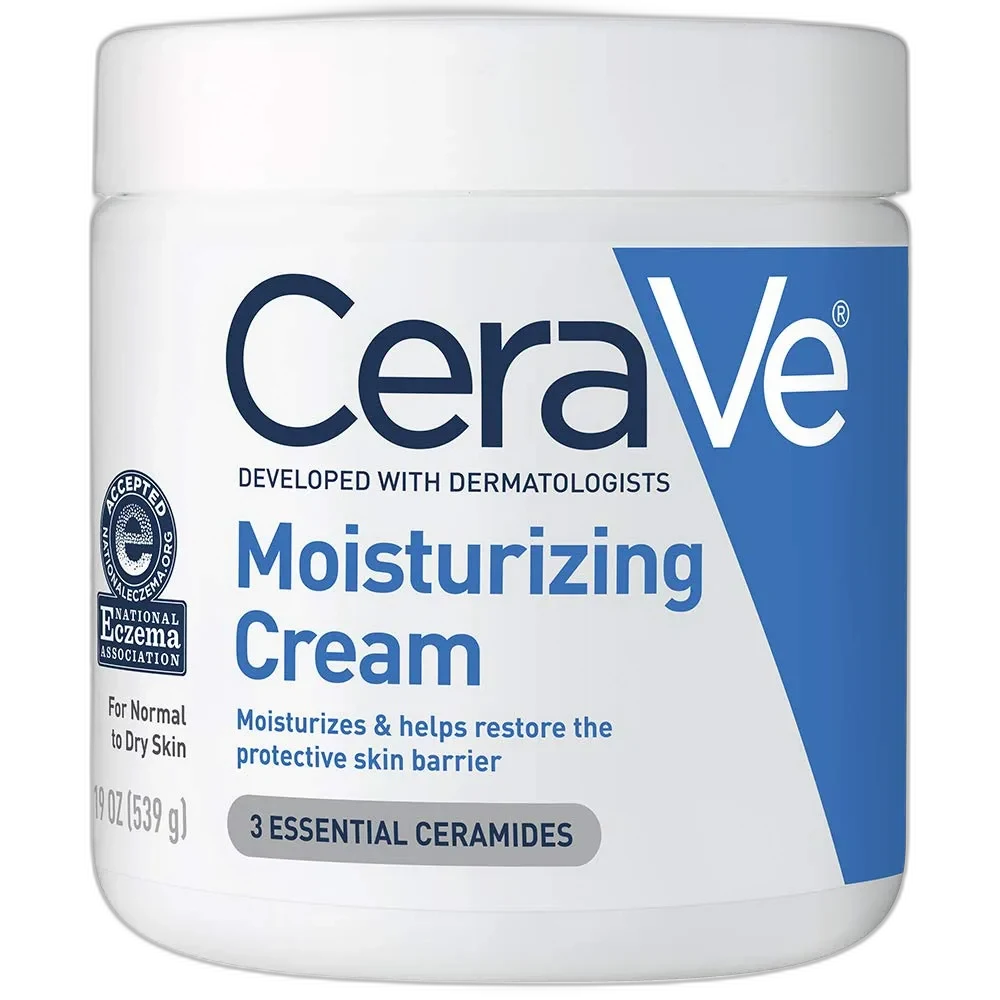
Both are ceramide-based moisturizers with different approaches. Dr. Jart+ uses five ceramide types, a prebiotic-probiotic system, and peptides in a cushiony texture. CeraVe uses three ceramides with MVE delivery technology at a lower price. Dr. Jart+ has a broader ingredient list and more refined sensorial experience, while CeraVe provides proven ceramide therapy at better value.
Is Dr. Jart+ Ceramidin Cream fungal acne safe?
No — this cream contains polysorbates, fatty acids, and certain oils that feed Malassezia yeast. If you have fungal acne (pityrosporum folliculitis), use a fungal acne-safe ceramide moisturizer instead.
What the community says.
"Immediate relief for dry, irritated, and over-exfoliated skin"
"Rich yet absorbs well without feeling greasy or heavy"
"Excellent winter moisturizer that protects against harsh conditions"
"Works beautifully as a retinol buffer cream"
"Noticeably strengthens skin barrier with consistent use"
"Contains essential oils and fragrance allergens that may irritate very sensitive skin"
"Can feel too rich for oily skin types, especially in humid weather"
"Price has increased over the years while size has stayed the same"
"Reformulations over the years have changed the texture slightly"