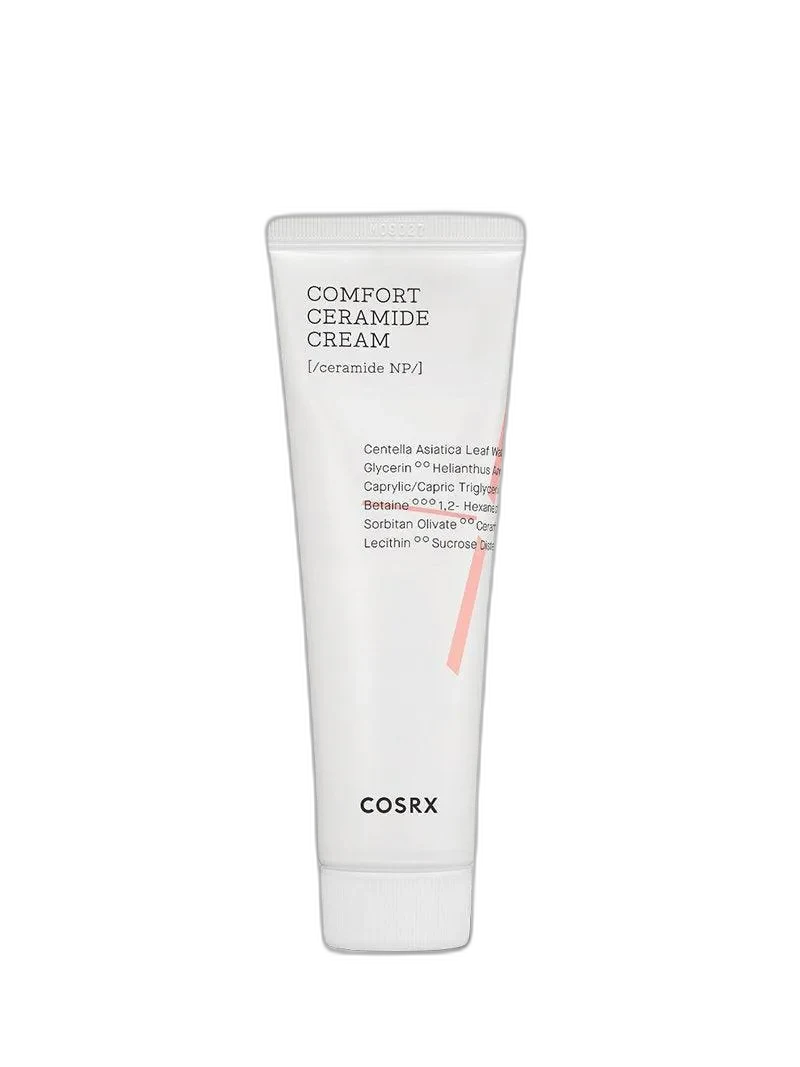
Balancium Comfort Ceramide Cream
Barrier Repair Workhorse
 Verified reviewer
Pros & cons.
- +1% Ceramide NP at a higher concentration than many competing ceramide creams
- +Biomimetic Olivem 1000 delivery system may improve ceramide integration into the skin barrier
- +Dual centella approach: 50% leaf water base plus isolated medical-grade triterpenes at 500 ppm
- +Rich, velvety texture absorbs quickly and leaves a semi-matte, non-greasy finish
- +Generous 80g tube size provides 3-4 months of use at a competitive price point
- +Supports barrier recovery from retinoid irritation, over-exfoliation, and post-procedure skin
- +Niacinamide stimulates endogenous ceramide production, amplifying the topical ceramide NP
- −Contains bergamot oil, a potential photosensitizer, in a product marketed for sensitive skin
- −Not fungal acne safe due to sunflower oil, palm oils, and olive-derived emulsifiers
- −Contains beeswax despite some retailers incorrectly listing it as vegan
- −Too rich for oily skin types, especially during warm or humid weather
- −Palm oil and palm kernel oil may concern environmentally conscious consumers
The full review.
Most ceramide creams treat the ingredient like a checkbox. Throw some ceramide into a standard emulsion, print it on the label, move on. What makes the COSRX Balancium Comfort Ceramide Cream more interesting than that is what is happening at the structural level of the formula — specifically, the emulsifier system that is delivering the ceramide to your skin.
The Olivem 1000 system (cetearyl olivate and sorbitan olivate) is derived from olive oil and forms biomimetic liquid crystal structures that mirror the lamellar organization of the stratum corneum. In practical terms, this means the emulsion itself is structured to look like your skin’s own lipid layers, which may improve how effectively the Ceramide NP integrates into the barrier rather than just sitting on top of it. It is a smart formulation choice that suggests someone at COSRX was thinking about delivery, not just ingredients.
The cream opens with 50% centella asiatica leaf water as its base — a generous concentration that provides broad-spectrum soothing from the plant’s natural compounds. But COSRX did not stop there. They also included isolated centella triterpenes (asiaticoside, asiatic acid, and madecassic acid) at 500 ppm, which are the specific compounds responsible for centella’s wound-healing and collagen-stimulating effects. This dual approach — whole-plant water for general soothing plus concentrated actives for targeted repair — gives the formula more depth than creams that rely on centella extract alone.
On the skin, this cream feels like a thick, velvety balm that somehow absorbs within about sixty seconds. The texture is genuinely surprising. You expect something this rich to leave a heavy film, but it sinks in and leaves a silky, semi-matte finish that works perfectly under sunscreen or makeup. Dry skin types will appreciate the nourishing feel without the greasiness. Oily skin types may find it too much, particularly in warmer months — this is better suited as a targeted rescue product for combination or oily skin rather than an everyday moisturizer.
The supporting cast is strong. Panthenol accelerates wound healing and draws moisture into the skin. Niacinamide stimulates the skin’s own ceramide production, effectively amplifying the topically applied Ceramide NP. Sodium hyaluronate provides deeper hydration beneath the occlusive layer. Sunflower seed oil delivers linoleic acid, which is the fatty acid that acne-prone and compromised skin tends to be deficient in. The overall formulation reads like a barrier repair prescription written by someone who understands the science.
But then there is the bergamot oil. Listed last on the INCI list, suggesting a very low concentration, but present nonetheless. Bergamot oil contains furanocoumarins that can cause photosensitivity, and COSRX does not clarify whether they use FCF (bergapten-free) grade. In a cream explicitly marketed for sensitive and compromised skin, this is a head-scratcher. It likely contributes to the mild citrus-herbal scent that you notice on application — a scent that fades within minutes — but its presence in a barrier repair product feels like a formulation misstep in an otherwise carefully considered formula.
The cream is also not fungal acne safe. Sunflower seed oil, palm oil, palm kernel oil, and cetearyl olivate can all feed Malassezia yeast. If pityrosporum folliculitis is a concern for you, this is not your cream. Similarly, the beeswax means this is not a vegan product despite what some retailers claim.
Performance is where this cream earns its reputation. Users with compromised barriers — whether from over-exfoliation, retinoid irritation, harsh weather, or post-procedure recovery — consistently report rapid improvement. The immediate relief from tightness and discomfort is noticeable on first application. Within three to five days of consistent use, redness and irritation visibly decrease. By the two to four week mark, the barrier feels genuinely rebuilt rather than just temporarily patched. These timelines align with clinical research on centella plus ceramide formulations.
At twenty-six dollars for 80 grams, the value is solid. A pea-sized amount covers the full face, and the tube should last three to four months with twice-daily use. For a cream with a declared 1% ceramide concentration, medical-grade centella triterpenes, and a biomimetic delivery system, that is competitive pricing.
This is a cream that does its best work when your skin is at its worst. It is not trying to be exciting or trendy — it is trying to fix what is broken, and it does that job well. The bergamot oil is an unnecessary flaw in an otherwise excellent formula, but for most users, the concentration is low enough that it will not cause problems. If you are dealing with a compromised barrier from any cause, this should be on your shortlist.
Formula
Texture
On the skin, this cream feels like a thick, velvety balm that somehow absorbs within about sixty seconds. The texture is genuinely surprising. You expect something this rich to leave a heavy film, but it sinks in and leaves a silky, semi-matte finish that works perfectly under sunscreen or makeup. Dry skin types will appreciate the nourishing feel without the greasiness. Oily skin types may find it too much, particularly in warmer months — this is better suited as a targeted rescue product for combination or oily skin rather than an everyday moisturizer.
Scent
But then there is the bergamot oil. Listed last on the INCI list, suggesting a very low concentration, but present nonetheless. Bergamot oil contains furanocoumarins that can cause photosensitivity, and COSRX does not clarify whether they use FCF (bergapten-free) grade. In a cream explicitly marketed for sensitive and compromised skin, this is a head-scratcher. It likely contributes to the mild citrus-herbal scent that you notice on application — a scent that fades within minutes — but its presence in a barrier repair product feels like a formulation misstep in an otherwise carefully considered formula.
Best for
This is a cream that does its best work when your skin is at its worst. It is not trying to be exciting or trendy — it is trying to fix what is broken, and it does that job well. The bergamot oil is an unnecessary flaw in an otherwise excellent formula, but for most users, the concentration is low enough that it will not cause problems. If you are dealing with a compromised barrier from any cause, this should be on your shortlist.
Works for
Performance is where this cream earns its reputation. Users with compromised barriers — whether from over-exfoliation, retinoid irritation, harsh weather, or post-procedure recovery — consistently report rapid improvement. The immediate relief from tightness and discomfort is noticeable on first application. Within three to five days of consistent use, redness and irritation visibly decrease. By the two to four week mark, the barrier feels genuinely rebuilt rather than just temporarily patched. These timelines align with clinical research on centella plus ceramide formulations.
Not ideal for
The cream is also not fungal acne safe. Sunflower seed oil, palm oil, palm kernel oil, and cetearyl olivate can all feed Malassezia yeast. If pityrosporum folliculitis is a concern for you, this is not your cream. Similarly, the beeswax means this is not a vegan product despite what some retailers claim.
Ingredient analysis.
Full INCI list
Centella Asiatica Leaf Water, Butylene Glycol, Glycerin, Helianthus Annuus (Sunflower) Seed Oil, Caprylic/Capric Triglyceride, Cetearyl Alcohol, Betaine, 1,2-Hexanediol, Cetearyl Olivate, Sorbitan Olivate, Ceramide NP, Hydrogenated Lecithin, Sucrose Distearate, Glyceryl Stearate, Dipropylene Glycol, Elaeis Guineensis (Palm) Oil, Elaeis Guineensis (Palm) Kernel Oil, Beeswax, Hydroxyethyl Acrylate/Sodium Acryloyldimethyl Taurate Copolymer, Ethylhexylglycerin, Cyclomethicone, Dimethicone/Vinyl Dimethicone Crosspolymer, Panthenol, Niacinamide, Sodium Hyaluronate, Xanthan Gum, Asiaticoside, Asiatic Acid, Madecassic Acid, Cassia Obtusifolia Seed Extract, Citrus Aurantium Bergamia (Bergamot) Fruit Oil
Skin match.
The science.
The Science
This formula uses Ceramide NP, centella asiatica triterpenes, and panthenol—a well-studied combination for barrier repair. A 2021 double-blind clinical trial shows that centella asiatica and ceramide together improve transepidermal water loss (TEWL), stratum corneum hydration, and skin pH more effectively than either ingredient alone.
Kono et al. published a qualitative review in The Journal of Dermatology (2021) examining 41 reports on ceramide-containing formulations. They found 12 showed measurable improvements in dry skin and barrier function, especially in atopic dermatitis. The review notes ceramide delivery matters as much as ceramide concentration, making this formula's Olivem 1000 emulsifier system important. Cetearyl olivate and sorbitan olivate form liquid crystal structures that mimic the stratum corneum's lamellar organization. This helps Ceramide NP integrate into the lipid matrix instead of sitting on the skin surface.
The centella triterpenes—asiaticoside, asiatic acid, and madecassic acid—are studied for wound healing and anti-inflammatory effects. A 2024 review in Pharmaceutics confirms they work by enhancing collagen synthesis via TGF-beta stimulation, inhibiting COX-1 and COX-2 for anti-inflammatory activity, and providing antioxidant protection against free radical damage. At 500 ppm, this concentration is modest but supports soothing and repair, especially alongside the 50% centella leaf water base.
A 2025 prospective observational study in the Journal of Cosmetic Dermatology tested a formulation with centella asiatica leaf extract, ceramide NP, and panthenol on 88 subjects with sensitive skin. Skin sensitivity scores dropped 66-76% after 2-4 weeks, with significant reductions in irritation, tautness, itching, and redness.
References
- Role of Centella asiatica and ceramide in skin barrier improvement: a double blind clinical trial — Journal of Dermatological Treatment (2021)
- Clinical significance of the water retention and barrier function-improving capabilities of ceramide-containing formulations: A qualitative review — The Journal of Dermatology (2021)
- Topical Application of Centella asiatica in Wound Healing: Recent Insights into Mechanisms and Clinical Efficacy — Pharmaceutics (2024)
- The Effectiveness and Safety of a Skin Care Product With Centella asiatica Leaf Extract, Ceramide NP, and Panthenol in Subjects With Sensitive Skin — Journal of Cosmetic Dermatology (2025)
Dermatologist Perspective
Dermatologists often recommend ceramide-containing moisturizers for compromised skin barriers. The combination of Ceramide NP and centella triterpenes follows evidence-based barrier repair protocols. Board-certified dermatologists note the Olivem 1000 emulsifier system in this formula creates a biomimetic delivery vehicle. It resembles the skin's lipid organization more closely than standard emulsions, which may increase ceramide bioavailability. Doctors suggest this cream for patients with retinoid irritation, post-laser procedures, or over-exfoliation to prioritize rapid barrier restoration. One caveat is the bergamot fruit oil; even at low concentrations, furanocoumarins can cause photosensitivity in sensitized skin.
Where it fits in your routine.
Cleanse skin and apply serums or treatments first. Warm a pea-sized amount between fingertips. Press it into the skin, targeting dry or irritated areas. Use morning and evening. In the AM, wait 1-2 minutes for absorption before applying sunscreen. For severely compromised skin, apply a thicker layer at night as an occlusive sleeping treatment. Layer it over retinol or other active treatments to buffer irritation.
At $26 for 80 grams, this cream offers high value for barrier repair. A pea-sized amount covers the full face; most users use one tube for three to four months with twice-daily application. The 1% Ceramide NP concentration, medical-grade centella triterpenes, and biomimetic delivery system provide quality usually found at higher prices. Only one size exists, so there is no larger, more economical format. COSRX positions this cream as an established K-beauty product rather than a luxury niche, making the price-to-quality ratio competitive and reflective of the brand's accessible ethos.
This cream works for compromised skin barriers caused by retinoid use, over-exfoliation, harsh weather, or post-procedure recovery. Dry, normal, and sensitive skin types seeking a ceramide cream with deep formulation at an accessible price will find this a reliable workhorse.
Skip this if you have fungal acne; the formula contains multiple Malassezia triggers. The texture is too heavy for daily full-face use on oily skin. This product is not suitable for strict vegans or those with a bergamot or citrus allergy.
Product details.
Thick, velvety cream with a balm-like consistency. It feels heavy on application but sinks in quickly. The dense texture does not leave a heavy or greasy film on the skin.
Bergamot fruit oil gives it a mild citrus-herbal scent. The moderate intensity fades within a few minutes of application. This is notable because COSRX products are typically fragrance-minimal.
White squeeze tube with a flip-cap. The design allows hygienic dispensing and easy amount control. The 80g tube is large and travel-friendly.
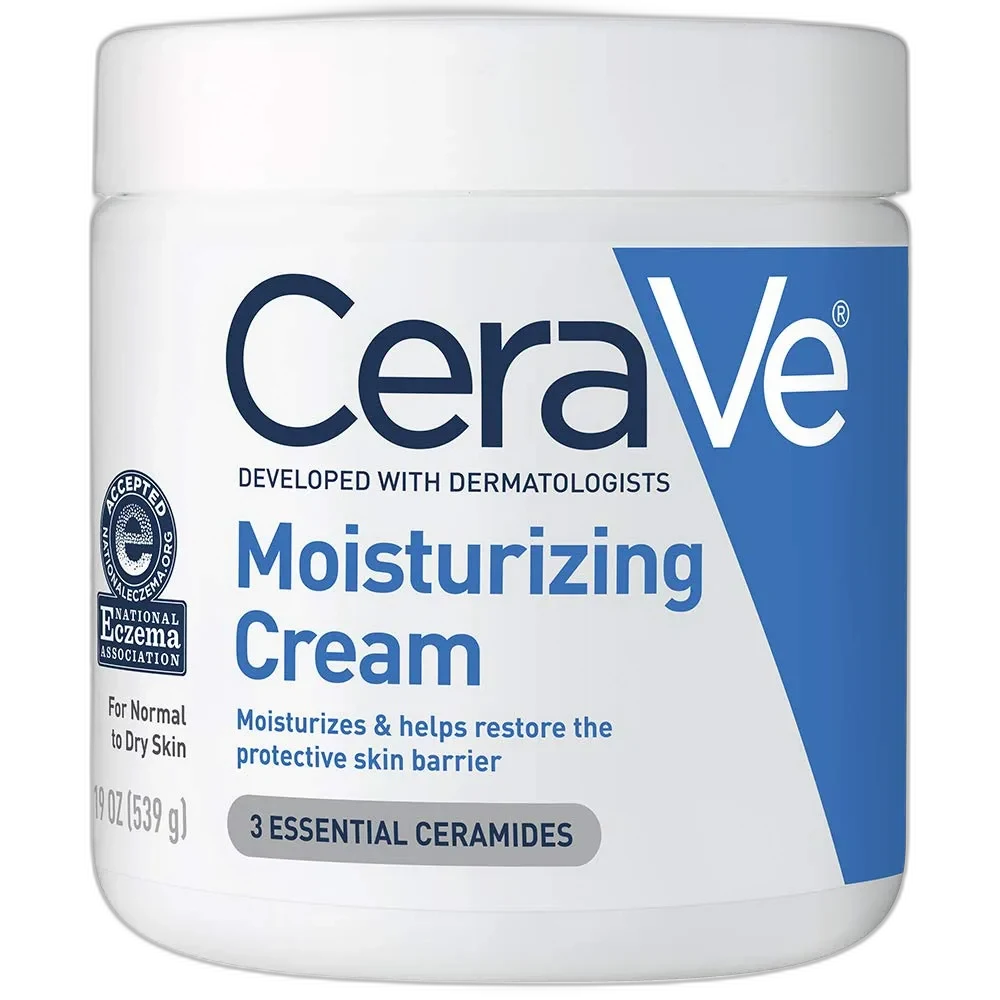
The CeraVe Moisturizing Cream provides immediate relief from tightness and discomfort on compromised skin. The cream is thick but absorbs in about a minute, leaving a silky, non-greasy finish. A faint bergamot scent exists but fades quickly. No tingling or stinging occurs unless skin is severely compromised.
3-4 months with twice-daily face application
12 months
All Year
The backstory.
COSRX developed the Balancium line to address the growing demand for science-backed barrier repair products that Korean consumers were seeking after aggressive multi-step routines compromised their skin barriers. The cream targets the recovery phase — the moment when your skin has been stripped, irritated, or over-treated and needs to rebuild its defenses.
About COSRX
Established Brand (5–20 years)COSRX launched in 2013 in South Korea. Its 'Cosmetics + Rx' philosophy combines clinical-grade formulations with accessible pricing. For over a decade, the brand has earned a global reputation through multiple cult-status products, especially for sensitive skin and acne-prone skin.
Common myths.
Ceramide creams are only for people with dry skin or eczema
Ceramides are structural lipids in all skin types. This cream absorbs quickly and has a semi-matte finish. It works for normal and combination skin, especially when retinoid use, over-exfoliation, or environmental stress compromises the barrier.
This product is vegan because COSRX is cruelty-free
COSRX does not test on animals, but this formula contains beeswax (an animal-derived ingredient). Cruelty-free and vegan are separate certifications; this product meets the former but not the latter.
FAQ.
Is COSRX Balancium Comfort Ceramide Cream good for eczema?
This cream uses 1% Ceramide NP, centella triterpenes, and panthenol to target eczema-related barrier dysfunction and inflammation. The biomimetic emulsifier system delivers ceramides by mimicking the skin's lipid organization. However, bergamot oil may irritate severely compromised eczema skin — patch test first.
Can I use this cream with retinol?
Yes — this works well for retinol users. The ceramide NP and centella asiatica repair retinoid-induced barrier disruption, while panthenol and niacinamide soothe and hydrate. Apply after your retinol treatment in the PM routine to buffer irritation and support recovery.
Is COSRX Balancium Ceramide Cream fungal acne safe?
No. This cream contains sunflower seed oil, palm oil, palm kernel oil, and cetearyl olivate, which can feed Malassezia yeast. This product is not recommended if you have fungal acne (pityrosporum folliculitis).
Why does this cream contain bergamot oil if it's for sensitive skin?
Bergamot fruit oil is the last ingredient, so the concentration is low and likely provides a mild natural scent. But bergamot oil contains furanocoumarins that cause photosensitivity. COSRX does not state if it uses FCF (bergapten-free) grade bergamot oil, which matters for a sensitive-skin product.
Is this cream vegan?
No. Some retailers list it as vegan, but this formula contains beeswax (Cera Alba equivalent), an animal-derived ingredient. COSRX is cruelty-free, but this specific product is not vegan.
How long does it take for this cream to repair a damaged skin barrier?
Most users report better comfort and less irritation within 3-5 days. Barrier recovery—shown by reduced transepidermal water loss and better moisture retention—takes 2-4 weeks of consistent twice-daily use. A 2021 clinical trial shows centella + ceramide formulations improve barrier markers within this timeframe.
Can I use this cream in the morning under sunscreen?
Yes. The semi-matte finish absorbs well and does not interfere with sunscreen application. Wait 1-2 minutes for the cream to fully absorb before applying your SPF. The niacinamide in the formula provides additional daytime skin benefits.
What the community says.
"Deeply hydrating and soothing for dry, irritated, or compromised skin"
"Excellent for post-procedure recovery and barrier repair"
"Rich texture absorbs surprisingly quickly without heavy residue"
"Makes skin feel soft, plump, and comfortable within minutes"
"Good value for the generous 80g tube size"
"Contains bergamot oil, a potential photosensitizer in a sensitive-skin product"
"Too rich for oily skin, especially in humid weather"
"Not fungal acne safe due to multiple Malassezia triggers"
"Contains beeswax despite some retailers listing it as vegan"
"Some users experience breakouts from the plant oils"