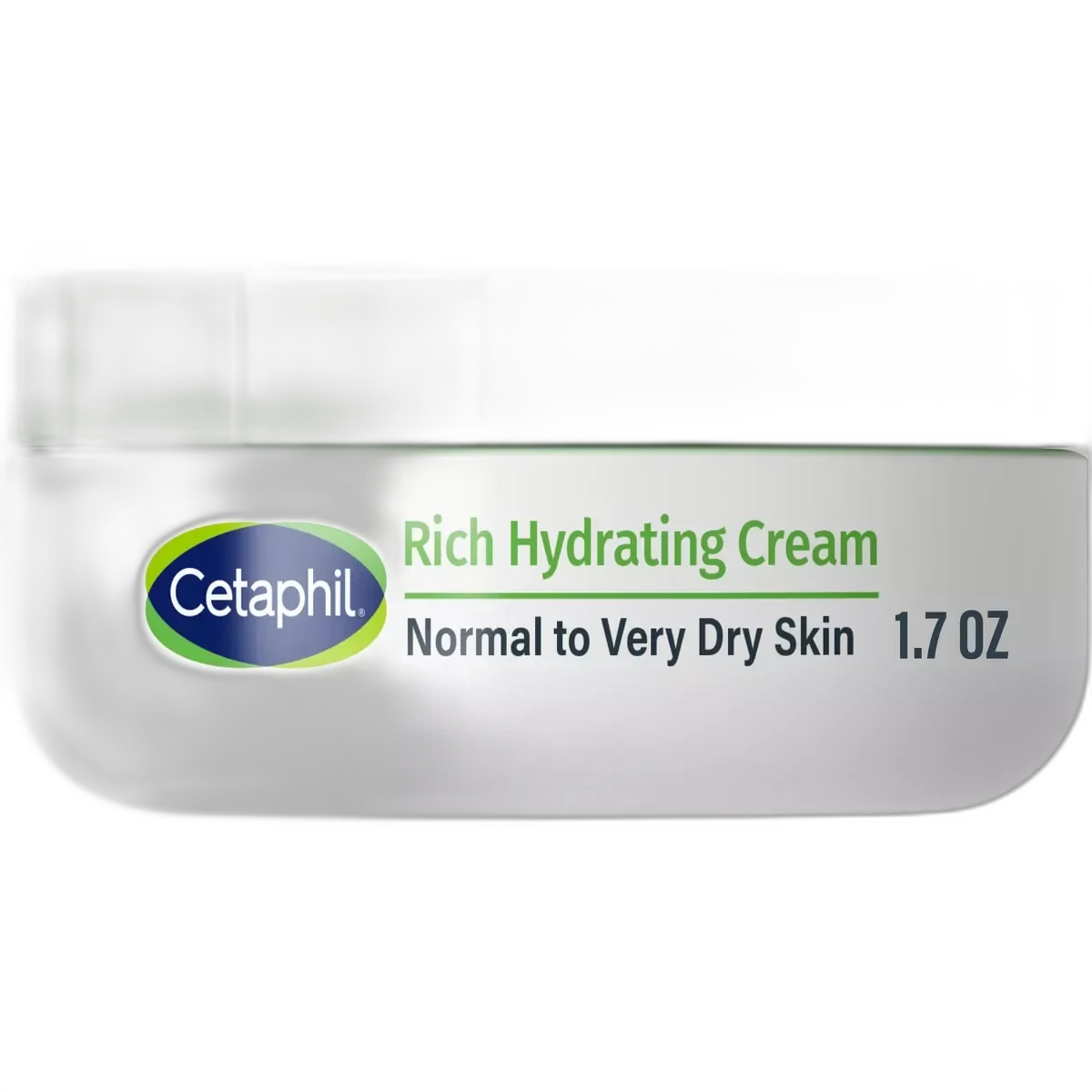
Rich Hydrating Night Cream
Sensitive Skin Night Staple
 Verified reviewer
Pros & cons.
- +Olive-based Olivem 1000 emulsifier creates biomimetic delivery that integrates with skin's natural lipid structure
- +Fragrance-free, paraben-free, and hypoallergenic — genuinely gentle for sensitive skin
- +Hydrolyzed hyaluronic acid penetrates more effectively than standard HA for overnight hydration
- +Triple-antioxidant system with vitamins E, C ester, and lycopene is unusual at this price point
- +Absorbs cleanly without heavy greasiness or pillowcase transfer
- +Trusted legacy brand with seventy-five years of dermatologist recommendation
- −The 'Rich' name oversells the texture — not substantial enough for very dry skin
- −Only 1.7 oz with no larger size option, making the per-ounce value modest
- −Retinyl palmitate and antioxidants are present at very low concentrations near INCI list end
- −Jar packaging is less hygienic than tube or pump and exposes antioxidants to air
- −Contains olive oil and fatty alcohols that may concern acne-prone skin types
The full review.
About Cetaphil
Cetaphil has never been the exciting brand. It’s never trended on TikTok, never been the subject of a breathless Vogue profile, never had influencers filming themselves using it for the first time with surprised-face thumbnails. What Cetaphil has is seventy-five years of dermatologists handing it to patients who’ve tried everything else and need something that simply won’t make things worse. That institutional trust is the foundation this night cream is built on.
About the Product
The Rich Hydrating Night Cream launched in 2016 as Cetaphil’s bid to expand beyond the cleansers and basic moisturizers that built the brand. The skincare world was deep into the hyaluronic acid craze, and Cetaphil needed a HA product. But rather than just throwing hyaluronic acid into a generic cream base, they built something more considered.
Reality
The olive-centric formulation is the most interesting thing about this product. The emulsifier system — Cetearyl Olivate and Sorbitan Olivate, commercially known as Olivem 1000 — is derived from olive oil and creates emulsion structures that mimic the lamellar arrangement of the skin’s own lipids. This isn’t marketing language; it’s a documented property of this emulsifier class. When combined with actual olive fruit oil in the same formula, the result is a delivery system that integrates with the stratum corneum more harmoniously than synthetic emulsifier systems typically achieve. For a brand built on being gentle, this is a smart technical choice that doesn’t need to be flashy to be effective.
The hydrolyzed hyaluronic acid is the headline ingredient, and it earns its placement. The low-molecular-weight form penetrates the stratum corneum more effectively than standard HA — a 2016 study in Skin Research and Technology confirmed this using Raman spectroscopy on human skin. Within this formula, the HA works alongside glycerin as a dual-humectant system, drawing moisture in from multiple sources, while the silicone layer — dimethicone, cyclopentasiloxane, and polymethylsilsesquioxane — seals it in overnight. It’s a straightforward hydration strategy executed well.
The triple-antioxidant system is a nice bonus at this price point: tocopheryl acetate provides vitamin E, ascorbyl palmitate delivers a stable vitamin C ester, and lycopene rounds out the antioxidant coverage. All three sit in the lower half of the INCI list, so concentrations are modest. They’re not going to rival a dedicated vitamin C serum, but for overnight antioxidant protection during skin’s repair cycle, they add genuine value.
Retinyl palmitate appears near the very end of the ingredient list — present but barely. This is the gentlest form of retinoid, requiring a three-step enzymatic conversion to become active retinoic acid, and at this concentration it’s more of a supporting player than a treatment. Don’t buy this expecting retinol results. Think of it as a mild nudge toward cell turnover that won’t disrupt the gentle, barrier-focused philosophy of the rest of the formula.
Texture
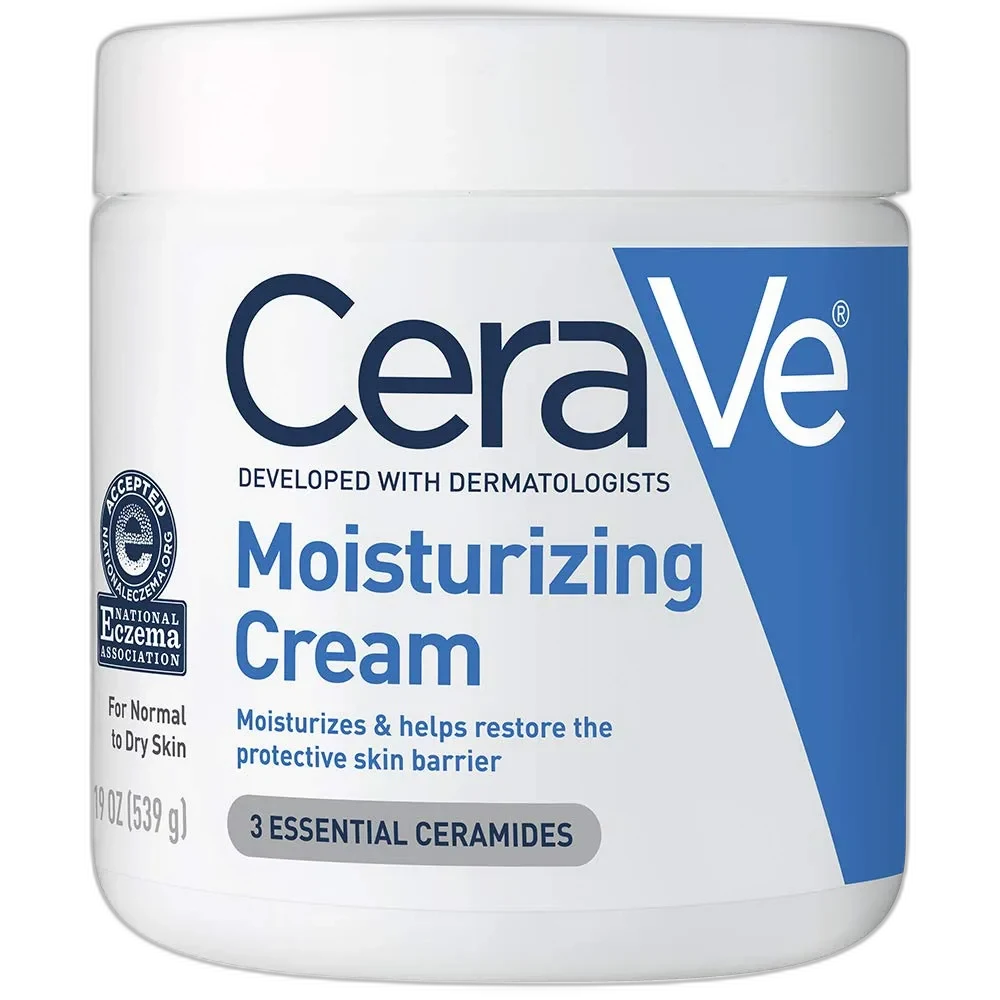
Texture is where the product name becomes slightly misleading. This is not a rich cream in the way that CeraVe Moisturizing Cream or Eucerin Original Healing Cream are rich. It’s a medium-weight cream with a silicone-smooth slip that absorbs in two to three minutes to a satin finish. For dry skin that expects to feel cocooned in moisture, this may not feel substantial enough. For normal-to-dry skin that doesn’t want to wake up with pillowcase imprints stuck to a greasy face, the texture is exactly right.
Scent
The fragrance-free, paraben-free formulation earns its place in the sensitive skin category. No added scent, no drying alcohols, no common irritants at the top of the INCI list. The preservative system uses phenoxyethanol, caprylyl glycol, and an interesting choice — leuconostoc/radish root ferment filtrate, a naturally-derived antimicrobial. It’s not groundbreaking, but it reflects the kind of thoughtful formulation that sensitive skin users deserve and rarely get at drugstore prices.
Packaging
At roughly sixteen dollars for 1.7 ounces, the value is fair but not exceptional. You’re paying a Cetaphil premium over generic night creams, but the olive-based emulsion and fragrance-free formulation justify it for the target audience. The jar packaging is the one real complaint — scooping product with your fingers isn’t ideal for hygiene or for preserving the antioxidants in the formula. A pump or tube would have been a better choice.
Best for
This is a night cream that won’t change your skin dramatically. It won’t give you a morning glow that makes you rethink your entire routine. What it will do is keep dry, sensitive skin comfortably hydrated overnight, protect the barrier you’ve spent your daytime routine building, and do it without triggering a single reaction. For Cetaphil’s audience, that’s not boring — that’s exactly what they need.
Ingredient analysis.
Full INCI list
Water, Hydrogenated Polydecene, Caprylic/Capric Triglyceride, Dimethicone, Glycerin, Butylene Glycol, Cetearyl Olivate, Sorbitan Olivate, Cyclopentasiloxane, Marrubium Vulgare Extract, Hydrolyzed Hyaluronic Acid, Olea Europaea (Olive) Fruit Oil, Tocopheryl Acetate, Ascorbyl Palmitate, Leuconostoc/Radish Root Ferment Filtrate, Phospholipids, Isopropyl Lauroyl Sarcosinate, Cetearyl Alcohol, Sodium Polyacrylate, 1,2-Hexanediol, Caprylyl Glycol, Polymethylsilsesquioxane, Isohexadecane, Glyceryl Stearate, PEG-100 Stearate, Cetearyl Methicone, Phenoxyethanol, PEG-40 Stearate, Steareth-2, Steareth-21, Retinyl Palmitate, Linoleic Acid, Lycopene
Skin match.
The science.
The Science
The Olivem 1000 emulsifier system in this formula works well for sensitive skin. This olive-derived emulsifier creates liquid crystal structures that mimic the lamellar organization of stratum corneum lipids, helping the formula's active ingredients integrate with the skin's lipid matrix. Research on lamellar emulsifier systems shows improved ingredient delivery and lower irritation potential than conventional emulsifiers—a benefit for products targeting sensitive and barrier-compromised skin.
Hydrolyzed hyaluronic acid penetrates better than standard HA. A 2016 study in Skin Research and Technology used Raman spectroscopy on human skin and showed that low-molecular-weight HA (20-300 kDa) penetrated the stratum corneum, while high-molecular-weight HA stayed on the surface. A 2024 double-blind randomized controlled trial in Archives of Dermatological Research confirmed that low-molecular-weight HA produced significantly greater skin hydration than high-molecular-weight HA after four weeks of daily application. The HA works best within this formula's silicone-occlusive base; humectants perform best when an occlusive layer seals them to prevent evaporation.
The antioxidant trio of tocopheryl acetate, ascorbyl palmitate, and lycopene targets overnight oxidative stress from different angles. Tocopheryl acetate is a membrane-bound antioxidant, ascorbyl palmitate provides lipid-phase vitamin C activity, and lycopene is one of the most potent singlet oxygen quenchers among carotenoids. While INCI positioning shows modest concentrations, the combination provides broader antioxidant coverage than any single agent alone.
References
- Human skin penetration of hyaluronic acid of different molecular weights as probed by Raman spectroscopy — Skin Research and Technology (2016)
- Effectiveness of topical hyaluronic acid of different molecular weights in xerosis cutis treatment in elderly: a double-blind, randomized controlled trial — Archives of Dermatological Research (2024)
Dermatologist Perspective
Dermatologists often recommend Cetaphil products for patients with dry, sensitive, or eczema-prone skin who need gentle formulations. Board-certified dermatologists note that this night cream's Olivem 1000 emulsifier suits sensitive skin, as olive-derived emulsifiers create lamellar structures that reduce the formula's irritation potential. The fragrance-free, paraben-free profile follows current dermatological guidance for reactive skin. While the antioxidant and retinoid components have modest concentrations, dermatologists see this as appropriate for a product focused on barrier preservation and gentle hydration.
Where it fits in your routine.
Apply a nickel-sized amount to a clean face and neck as your final evening step. Layer this over water-based serums or treatments first; the silicone content creates an occlusive seal. Use nightly. Apply to slightly damp skin to increase the hyaluronic acid's moisture-drawing capacity.
At roughly sixteen dollars for 1.7 ounces, this costs what standard drugstore night creams do. The per-ounce price exceeds Cetaphil's basic moisturizers, but the olive-based emulsion, hydrolyzed HA, and triple-antioxidant system justify the cost. The single size option is a drawback — a larger jar offers better value for regular users. For dry, sensitive skin needing a reliable, no-fuss night cream from a legacy brand, the price is fair.
Dry to normal skin types with sensitivity want a gentle, fragrance-free night cream with real hydrating ingredients from a trusted legacy brand. It works for those using active treatments like retinol who need a soothing, non-irritating moisturizer to layer on top.
Oily and acne-prone skin types may find the silicone-and-olive-oil base too emollient. Those seeking a heavy-duty night cream for severe dryness need thicker formulations. Fungal acne sufferers should avoid this due to olive oil and emulsifier content.
Product details.
Medium-weight cream with a silky, slightly silicone-smooth feel. It spreads easily and absorbs in two to three minutes. It leaves a soft satin finish instead of a heavy or greasy coating.
No added fragrance. It has a faint neutral scent that vanishes immediately upon application. It is unscented in practice.
White plastic jar with a screw-on teal cap. The 1.7 oz size is compact. The jar format requires direct finger contact, which is less hygienic than a tube or pump, but standard for night creams at this price point.
The cream feels silky and smooth on first application due to the silicone content. It absorbs within two to three minutes and leaves no grease. There is no tingling, stinging, or adjustment period. Morning skin feels softer and more supple than without a night cream.
2-3 months with nightly face application
12 months
All Year
The backstory.
Launched in 2016 as part of Cetaphil's expansion beyond basic cleansers and moisturizers into targeted skincare. The Rich Hydrating Night Cream represented the brand's effort to offer a dedicated PM moisturizer for its core audience of dry and sensitive skin types. It was one of Cetaphil's first hyaluronic acid products, leveraging a brand reputation built over nearly seven decades of gentle, pharmacy-grade formulations.
About Cetaphil
Legacy Brand (20+ years)A pharmacist developed Cetaphil in 1947. It has been a dermatologist-recommended sensitive skincare staple for over 75 years. Galderma, a major dermatology-focused pharmaceutical company, now owns the brand. Cetaphil products come from GMP-certified facilities and sell in pharmacies in approximately 100 countries.
Common myths.
Night creams work better than regular moisturizers because skin repairs itself at night
Cell turnover increases during sleep, but this cream's hydrating mechanism works the same at any time of day. The night cream designation reflects its thick texture, which feels too heavy under makeup or sunscreen during the day, rather than a different formulation approach.
Hyaluronic acid in cream form can dry out skin by pulling moisture from deeper layers
The hydrolyzed HA in this formula works inside a thick silicone occlusive base. This base prevents transepidermal water loss, so the HA draws moisture from the air instead of pulling from deeper skin layers. This occlusive layer makes the HA work as intended.
FAQ.
Is Cetaphil Rich Hydrating Night Cream good for sensitive skin?
Yes — this cream is fragrance-free, paraben-free, hypoallergenic, and dermatologist-tested. Its Olivem 1000 emulsifier system closely mimics the skin's natural lipid structure, minimizing irritation risk. Users with reactive and eczema-prone skin consistently report good tolerance.
Can I use Cetaphil Rich Hydrating Night Cream with retinol?
Yes — the glycerin and hyaluronic acid in this cream hydrate skin to buffer retinol-related dryness, and the silicone-rich base creates a protective layer. Apply your retinol first, wait a few minutes, then layer this cream on top. It contains trace retinyl palmitate, so there is no conflict.
Does Cetaphil Rich Hydrating Night Cream clog pores?
The label says non-comedogenic, and most normal-to-dry skin users report no issues. But olive fruit oil and cetearyl alcohol have mild comedogenic ratings. Acne-prone or very oily skin types should patch-test first.
Is Cetaphil Rich Hydrating Night Cream good for oily skin?
This cream targets dry to normal skin. It contains olive oil and multiple silicones, so it is too thick for most oily skin types. Cetaphil offers lighter moisturizers for oily and combination skin.
How long does it take to see results?
Most users feel softer skin after the first application. Morning dryness and tightness reduce within one to two weeks. Full barrier-strengthening benefits arrive after four to six weeks of consistent nightly use.
Is Cetaphil Rich Hydrating Night Cream pregnancy safe?
This cream contains retinyl palmitate, a mild topical retinoid at trace concentration. Most dermatologists consider topical retinyl palmitate at cosmetic levels safe during pregnancy, unlike prescription retinoids or retinol. Consult your OB-GYN if you have concerns.
What the community says.
"Absorbs quickly without leaving greasy residue on pillowcases"
"Skin feels noticeably soft and hydrated in the morning"
"Fragrance-free formula causes no irritation on sensitive skin"
"Affordable night cream from a trusted dermatologist-recommended brand"
"Lightweight yet effective for overnight hydration"
"Works well as a buffer layer over active treatments like retinol"
"Not rich enough for very dry skin despite the 'Rich' in the name"
"Small 1.7 oz jar feels undersized for the price"
"Silicone-heavy feel that some users find artificial on skin"
"Jar packaging requires finger-scooping which is less hygienic"
"Retinyl palmitate and antioxidants are at very low concentrations"