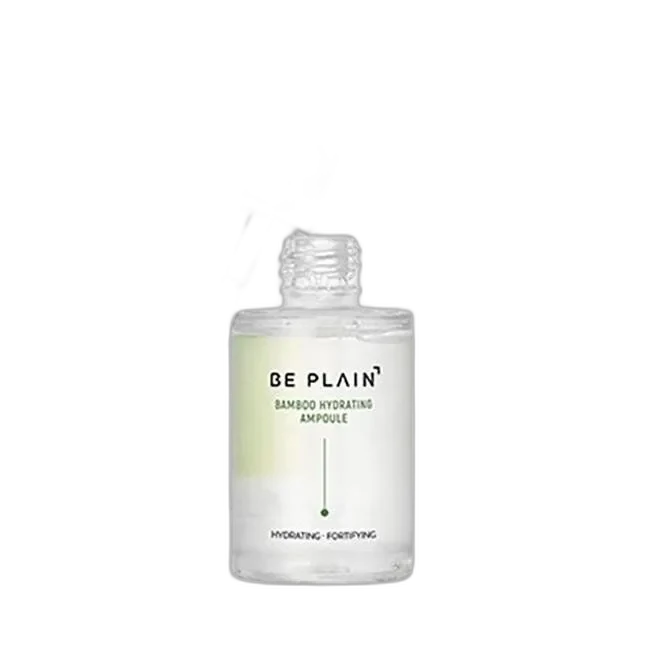
Bamboo Hydrating Cream
K-Beauty Sensitive Skin Pick
 Verified reviewer
Pros & cons.
- +Five-ceramide complex plus cholesterol and phytosphingosine — physiological lipid mix
- +Niacinamide at a working position supports the ceramides synergistically
- +Fragrance-free formulation unusual in the K-beauty cream category
- +Madecassoside adds calming, anti-inflammatory support
- +Pregnancy-safe with no flagged actives
- +Medium-weight texture works for most normal-to-dry skin types
- −Limited US distribution can make sourcing inconvenient
- −60ml jar is smaller than some competitor packs
- −Not rich enough alone for very dry winter skin without layering
- −Not fungal acne safe due to triglyceride and shea butter content
- −Limited English-language reviews for confident long-term sentiment data
The full review.
Healthy human skin uses a specific lipid ratio: roughly equal parts ceramides, cholesterol, and free fatty acids, plus smaller amounts of phospholipids and phytosphingosine. Dermatologists focus on this trio for barrier repair because the best products mimic this physiological mix instead of adding a single ceramide to a heavy occlusive base. The Be Plain Bamboo Hydrating Cream is a rare sub-$25 hydrating cream that follows this logic. The formula includes five ceramide types — NP, AS, AP, NS, and EOP — alongside cholesterol and phytosphingosine. The design follows dermatology literature rather than marketing trends.
Bamboo water is the brand’s signature and the reason for this range. Beplain sources bamboo from Damyang, a region in southern Korea known for bamboo forests, and uses this water instead of the purified water found in most moisturizers. Whether bamboo water outperforms purified water is debatable — it contains silica, polysaccharide, and trace minerals, but the effect is mild. It provides a consistent humectant base with a faint herbal character that fits the fragrance-free formula. The brand could use plain water; choosing bamboo water offers both a brand story and a mild functional benefit.
Niacinamide appears early on the INCI, which matters for a hydrating cream. Niacinamide supports the barrier directly and encourages the skin to produce more of its own ceramides with consistent use. Pairing exogenous ceramides with niacinamide to boost endogenous ceramide synthesis is a logical approach that separates this from a basic moisturizer. Madecassoside from Centella asiatica adds a calming, anti-inflammatory effect to help with low-grade redness from barrier compromise. Allantoin and panthenol complete the soothing ingredients.
Texture
The texture makes this cream versatile. It is medium-weight — thick enough to feel cushioned and sealing, but light enough to absorb without a film. Combination skin types can use it morning and night without heaviness. Dry skin types can use it as a daytime moisturizer but may need a more occlusive layer at night, especially in winter. Most K-beauty hydrating creams use light scents, making this fragrance-free version unusual. For barrier-compromised, rosacea-prone, or reactive skin, the lack of fragrance is a benefit.
Two critiques remain: availability and coverage for very dry skin. Beplain is widely available in Asian beauty channels, but US distribution is less consistent than larger K-beauty brands. Depending on your location, you may need to order the Bamboo Hydrating Cream through YesStyle or Stylevana instead of a local shop. The 60ml jar size is standard for K-beauty and reasonable for the price, though it is smaller than 100ml competitor jars. While the formula handles most normal-to-dry skin, skin with true winter dryness or a chronically compromised barrier may need a sleeping mask or petrolatum-based occlusive at night to seal hydration.
The product offers high value. At around twenty-two dollars for 60ml of a multi-ceramide, fragrance-free, barrier-focused K-beauty cream, the formulation matches Western dermatologist-marketed brands that cost forty to sixty dollars. While the K-beauty market has moved toward expensive flagship products with celebrity collaborations, this ingredient-led formulation from a smaller brand stands out by not trying to dazzle. You pay for the formula. There is no celebrity story, no proprietary peptide complex, and no aspirational packaging. It is a thoughtfully built ceramide-and-niacinamide hydrating cream in a plain jar.
Ingredient analysis.
Full INCI list
Bambusa Vulgaris Water, Glycerin, Caprylic/Capric Triglyceride, Cetearyl Alcohol, Butyrospermum Parkii (Shea) Butter, Glyceryl Stearate SE, Niacinamide, Phyllostachys Bambusoides Juice, Sodium Hyaluronate, Hydrolyzed Hyaluronic Acid, Panthenol, Allantoin, Ceramide NP, Ceramide AS, Ceramide AP, Ceramide NS, Ceramide EOP, Cholesterol, Phytosphingosine, Squalane, Madecassoside, 1,2-Hexanediol, Ethylhexylglycerin, Carbomer, Tromethamine, Disodium EDTA.
Skin match.
The science.
The Science
This cream uses the ceramide-cholesterol-fatty acid replacement therapy model, a clinical dermatology cornerstone for decades. Studies on physiological lipid blends—specifically those mimicking the natural 1:1:1 to 3:1:1 ratio of ceramides, cholesterol, and free fatty acids in healthy stratum corneum—show improved barrier function, lower transepidermal water loss, and faster recovery for atopic dermatitis and post-procedure skin than single-lipid formulations. This formula contains five ceramide subtypes (NP, AS, AP, NS, EOP) plus cholesterol and phytosphingosine, making it one of the most thorough lipid mimetic blends at this price.
Niacinamide is a well-documented barrier-support active in topical dermatology. Beyond anti-inflammatory and tone-evening effects, multiple studies show niacinamide upregulates keratinocyte ceramide and fatty acid synthesis after weeks of consistent use. A cream pairing exogenous ceramides with niacinamide provides both immediate lipid replacement and a long-term boost to the skin's own ceramide production—a synergistic approach single-mechanism formulations lack.
Madecassoside, the isolated active from Centella asiatica, has a smaller but credible clinical body of work for barrier-compromised and post-procedure skin. Studies show anti-inflammatory and pro-healing effects; the benefit magnitude is modest compared to prescription anti-inflammatories but meaningful for daily use. Bamboo water is the most novel ingredient and has the thinnest evidence base. Its silica and polysaccharide content offers theoretical humectant and soothing potential, but the lipid and active components do the heaviest lifting.
Dermatologist Perspective
Dermatologists treating barrier-compromised, rosacea-prone, or atopic skin often recommend physiological lipid blends because of the multi-ceramide-plus-cholesterol approach this cream uses. The fragrance-free formulation removes a common cosmetic trigger for reactive skin, and niacinamide aligns with standard dermatologic guidance for gradual barrier improvement. While Korean indie brands receive less direct dermatologist endorsement than legacy clinical brands like CeraVe or La Roche-Posay, this product's formulation principles match what board-certified dermatologists recommend for daily sensitive skin moisturization. The main clinical caveat is availability and supply consistency for international patients—sourcing the product reliably is harder than sourcing a pharmacy-shelf alternative.
Where it fits in your routine.
Apply morning and night as your final hydration step, after toners, essences, and serums. Use clean fingers or a spatula to scoop a small amount. Warm it between your palms, then press it into your face and neck. In the morning, use broad-spectrum SPF next. At night, layer a sleeping mask or petrolatum-based occlusive on top if you have very dry skin or live in a low-humidity climate. This works for daily long-term use without buildup or dependency.
At approximately $22 for 60ml, the price is competitive for a multi-ceramide, fragrance-free, niacinamide-supported hydrating cream. Applying the cream twice daily costs roughly $7-11 per month. This price matches drugstore ceramide creams and costs less than dermatologist-marketed Western options with equivalent formulations. The 60ml jar is the only size, so bulk purchases do not improve per-unit value. For shoppers prioritizing formulation quality over brand legacy, this is a top value in the K-beauty hydrating cream category — though limited US distribution means shipping costs affect the math.
Normal, dry, sensitive, and combination skin types want a fragrance-free K-beauty hydrating cream with a ceramide-and-niacinamide formulation. This works well for shoppers managing barrier compromise, mild rosacea, or post-procedure recovery seeking a Korean alternative to Western dermatologist brands.
Dry winter skin needing a heavy occlusive without extra layers, fungal acne sufferers, oily skin types preferring gel-cream textures, and shoppers in regions with limited Beplain distribution and high shipping costs.
Product details.
This medium-weight cream feels cushioned but absorbs without leaving a film.
Bamboo water provides a faint, natural herbal note. This formula has no added fragrance.
Plastic jar with a screw-top lid. Standard K-beauty hydrating-cream packaging.
The first application feels cushioned and comfortable. It causes no tingling or sensitization. Skin feels smoother and more bouncy within a few days; barrier improvements build over weeks.
A 60ml jar lasts 2-3 months with twice-daily face application.
12 months
All Year
The backstory.
Beplain was founded in 2017 around a 'be honest, be simple' philosophy that pushed against the heavily layered Korean skincare aesthetic of the time. The Bamboo line was built around bamboo water sourced from Damyang, a region in Korea famous for its bamboo forests, and quickly became the brand's hero range outside Korea.
About Be Plain
Emerging Brand (2–5 years)Beplain (often stylized as Be Plain) launched in 2017. This Korean indie brand uses minimal, ingredient-led formulations. Transparency-first marketing and the popularity of its cleansing oil and bamboo ampoule ranges build brand credibility, but specific products lack independent clinical validation.
Common myths.
Bamboo water is a marketing gimmick with no real benefit.
Bamboo water contains silica, polysaccharides, and trace minerals from the plant. It is unclear if it outperforms standard purified water in a moisturizer, but as a base, it is at least as functional and offers mild additional humectant value.
What the community says.
"fragrance-free and gentle"
"lightweight despite being a cream"
"noticeable hydration"
"good for layering"
"limited US availability"
"smaller jar than competitors"
"subtle bamboo scent from the base water"