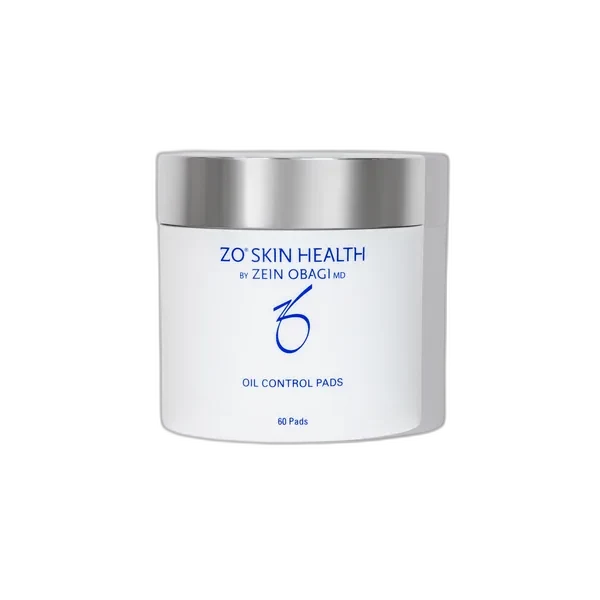
Oil Control Pads Acne Treatment
Clinical-Grade Oil Crusher
 Verified reviewer
Pros & cons.
- +Triple-acid formula provides multi-depth exfoliation against acne
- +Dramatically and immediately reduces surface oil and shine
- +Convenient pre-soaked pad format requires no additional tools
- +Urea adds keratolytic and humectant balance to the aggressive formula
- +Effective at reducing comedone formation and breakout frequency
- +Botanical antioxidants help mitigate some inflammation from the actives
- −High alcohol content is drying and barrier-compromising
- −Contains synthetic fragrance and multiple fragrance allergens
- −Significant stinging, peeling, and redness during adaptation period
- −Seventy-five dollars for sixty pads is a steep price per use
- −Far too aggressive for sensitive, dry, or normal skin types
- −Menthyl lactate adds unnecessary additional irritation potential
The full review.
Some dermatologists, like Dr. Zein Obagi, argue that aggressive, barrier-challenging actives produce faster, more dramatic results for acne and oily skin than the gentler approach modern skincare favors. ZO Skin Health’s Oil Control Pads Acne Treatment follows this philosophy. It is aggressive and effective, but it punishes skin that is not ready.
The formula targets acne directly. Salicylic acid at two percent—the maximum OTC concentration—exfoliates inside pores, dissolving sebum plugs that create comedones and the bacterial colonies that drive inflammation. Mandelic acid adds antibacterial surface exfoliation; its larger molecular size offers gentler but persistent acid activity. Glycolic acid, the smallest and most aggressive AHA, accelerates cell turnover at the stratum corneum level. Alcohol is the second ingredient; this high concentration cuts oil on contact, provides astringent tightening, and acts as a solvent for the acids.
The pad controls oil dramatically. Swipe one across an oily T-zone and the skin is matte, tight, and less shiny within minutes. Over weeks of consistent use, the triple-acid exfoliation reduces comedone formation, refines pore appearance, and decreases inflammatory breakouts. The clinical efficacy is clear—studies on these acids are extensive, and this combination creates a multi-depth exfoliation system single-acid products cannot replicate.
This efficacy comes with trade-offs. The high alcohol content strips the skin barrier along with excess oil. Menthyl lactate adds a cooling sensation that some find refreshing and others find irritating. Synthetic fragrance and identifiable allergens—citronellol, hexyl cinnamal, limonene, linalool—are in a product for already-inflamed acne skin, where sensitization risk is real. Witch hazel extract adds astringency that further dries the skin surface.
The adaptation period is difficult. Most users experience stinging, tightness, redness, and peeling during the first one to two weeks—especially if they start with nightly use. These pads were originally formulated for supervised dermatology protocols where a physician adjusts frequency. Moving from ZO Medical’s Cebatrol to ZO Skin Health’s Oil Control Pads made them accessible without clinical oversight, placing the burden of tolerance management on the user.
The pad format works well. The textured surface provides physical exfoliation that complements the chemical actives. Each pad is generously saturated; one pad covers the full face with product to spare. Swiping a pad across the skin is simple and efficient, requiring no measuring or dispensing.
Urea appears midway through the ingredient list. As both a keratolytic and humectant, urea softens dead cell buildup that clogs pores while providing moisture retention—a rare concession to comfort in an unsparing formula. Botanical extracts (green tea, barley, mugwort) add antioxidant and anti-inflammatory support to help mitigate irritation from the primary actives.
These pads work best for a narrow audience: people with oily, resilient, acne-prone skin who use active treatments and understand the commitment. This is not a beginner’s acne product. It is not for occasional breakouts. It is not for anyone with sensitive, dry, or barrier-compromised skin.
At seventy-five dollars for sixty pads—roughly $1.25 per pad used nightly—you get a two-month supply at maximum use, or longer if used two to three times per week during the adjustment phase. The price is steep for a treatment using common acne actives (salicylic acid, glycolic acid) in a high-alcohol vehicle, but it reflects the ZO Skin Health professional-channel premium and clinical-strength standards.
For oily, tough, acne-prone skin accustomed to actives, these pads deliver measurable results with clinical directness. For everyone else, the formula shows the gap between what works in a dermatologist’s office with professional monitoring and what works safely at home.
Formula
Ingredient analysis.
Full INCI list
Active Ingredient: Salicylic Acid 2%. Inactive Ingredients: Aqua/Water/Eau, Alcohol, Butylene Glycol, Mandelic Acid, Urea, Hamamelis Virginiana (Witch Hazel) Extract, Rosa Canina Fruit Extract, Pterocarpus Soyauxii Wood Extract, Phellodendron Amurense Bark Extract, Hordeum Distichon (Barley) Extract, Camellia Sinensis Leaf Extract, Artemisia Vulgaris Extract, Plantago Lanceolata Leaf Extract, Crithmum Maritimum Extract, Spiraea Ulmaria Extract, Menthyl Lactate, Sodium Hydroxide, Glycolic Acid, Sodium Carbonate, Sodium Chloride, Disodium EDTA, t-Butyl Alcohol, Denatonium Benzoate, Phenoxyethanol, Fragrance/Parfum, Citronellol, Hexyl Cinnamal, Limonene, Linalool
Skin match.
The science.
The Science
The triple-acid approach in this formula leverages the complementary mechanisms of BHA and AHA exfoliation. Salicylic acid's oil-soluble nature allows it to penetrate the pilosebaceous unit — a mechanism validated in a comprehensive review in Clinical, Cosmetic and Investigational Dermatology (Arif, 2015) that confirmed its comedolytic, keratolytic, and anti-inflammatory properties at 2% concentration.
Mandelic acid adds antibacterial properties to the exfoliation. A study published in the Indian Journal of Dermatology, Venereology and Leprology (Garg et al., 2009) demonstrated mandelic acid's dual action as both an exfoliant and antimicrobial agent effective against Cutibacterium acnes — making it a particularly relevant choice for an acne-focused formula.
Glycolic acid's role as the fastest-penetrating AHA is well-documented. A review published in Cosmetics (2023) examining AHA formulations confirmed that glycolic acid's small molecular size (76 Da) enables efficient stratum corneum penetration, accelerating cell turnover and preventing the dead cell accumulation that contributes to comedone formation.
The high alcohol content warrants clinical consideration. A study in the British Journal of Dermatology (de Groot & Nater, 1990) established that alcohol-based topicals can disrupt the stratum corneum lipid barrier, increasing transepidermal water loss and potentially triggering compensatory sebum production — a paradoxical effect that could undermine the oil-control goals in some users. This makes moisturizer use after application essential.
References
- Salicylic acid as a peeling agent: a comprehensive review — Clinical, Cosmetic and Investigational Dermatology (2015)
- Chemical peeling with mandelic acid for acne and skin rejuvenation — Indian Journal of Dermatology, Venereology and Leprology (2009)
Dermatologist Perspective
Dermatologists who prescribe ZO Skin Health products typically introduce these pads as part of a comprehensive acne protocol, starting with reduced frequency and monitoring the patient's tolerance before advancing to nightly use. Board-certified dermatologists note that the triple-acid approach is effective for moderate-to-severe oily acne, but emphasize that the high alcohol content and multiple potential irritants require careful patient selection. Dermatologists generally recommend pairing these pads with a robust moisturizer and daily SPF to mitigate barrier compromise. Some dermatologists express concern about the fragrance and dye ingredients in an acne treatment, noting that inflamed acne skin is more susceptible to contact sensitization.
Where it fits in your routine.
Swipe one pad across the face or oily/acne-prone areas after cleansing. Use every third night for the first 1-2 weeks to test tolerance. Increase to every other night, then nightly if your skin tolerates it. Apply a lightweight, non-comedogenic moisturizer immediately. Apply SPF 30+ every morning. Do not use on broken, sunburned, or barrier-compromised skin. Stop use if irritation is severe or persistent.
At $75 for 60 pads ($1.25/pad), these are among the costliest OTC acne treatment pads. Nightly use lasts two months ($37.50/month); using them 3x/week lasts closer to five months ($15/month). The triple-acid formulation has clinical-grade potency, justifying a premium over basic salicylic acid pads. But high alcohol content, fragrance, and irritation potential mean many users must add products (moisturizer, soothing serums) to manage side effects, increasing the total acne regimen cost. These pads integrate into a ZO protocol under dermatologist supervision. For self-directed consumers, irritation risks make the value harder to justify.
Users with oily, resilient, acne-prone skin who use active treatments and understand the adjustment period fit this profile. This works best under dermatologist guidance within a ZO Skin Health acne protocol to monitor tolerance and manage the formula's aggressiveness professionally.
This formula overwhelms sensitive, dry, normal, or barrier-compromised skin. Do not use if you are an acne beginner without established tolerance to individual acids. Avoid during pregnancy because of salicylic acid + glycolic acid. People with fragrance sensitivities should avoid this due to multiple fragrance allergens.
Product details.
Menthyl lactate and alcohol create a noticeable synthetic fragrance with a medicinal-cool undertone. The scent lasts during use and fades after a few minutes.
Jar with a twist-off lid containing 60 pre-soaked pads. The jar format keeps pads moist and accessible. Clinical ZO branding.
Expect stinging and cooling on first use. This aggressive formula contains alcohol, triple acids, and menthyl lactate. The skin feels tight and matte after application. Use it every other night or every third night to build tolerance. Redness, dryness, and peeling occur during the first 1-2 weeks of use.
1-2 months with nightly use (one pad per night)
12 months
All Year
The backstory.
Originally sold under the ZO Medical line as Cebatrol, these pads were formulated for use in dermatology office acne protocols where patients could be monitored for tolerance and guided through the adaptation period. The reformulation to Oil Control Pads under ZO Skin Health made them available through broader channels, though the potency remains clinical-grade.
About ZO Skin Health
Dr. Zein Obagi, a board-certified dermatologist and international skin health authority, founded ZO Skin Health in 2007. The brand uses clinical-grade standards for its formulations, which dermatologists and medical spas use widely.
FAQ.
How often should I use these pads?
Use this every other night or every third night. Increase to nightly as your skin builds tolerance. The triple-acid formula with alcohol is more aggressive than standard BHA pads. If you have persistent redness, peeling, or burning, reduce frequency immediately. Always follow with a lightweight moisturizer.
Can I use these pads with retinol?
Do not use them on the same night — triple acids, alcohol, and retinol overwhelm most skin barriers. Alternate nights between these pads and your retinol product. Use a good moisturizer and SPF daily when using either product.
Why do these pads contain so much alcohol?
The high alcohol content has multiple functions: it dissolves the acids, provides immediate astringent and oil-cutting effects, and evaporates quickly so the acids stay on the skin surface. But alcohol dries skin and can compromise the skin barrier with daily use, so you must moisturize after application.
Are these the same as the old Cebatrol pads?
Yes — ZO Medical originally sold these as Cebatrol. ZO Skin Health reformulated them into Oil Control Pads for wider distribution, but the core triple-acid and alcohol formula stays similarly potent.
Is this safe during pregnancy?
No — the 2% salicylic acid active ingredient and glycolic acid make this product inadvisable during pregnancy. Consult your OB-GYN or dermatologist for pregnancy-safe acne treatments.
What the community says.
"Dramatically reduces surface oil and shine"
"Noticeable pore refinement with consistent use"
"Effectively reduces breakout frequency"
"Convenient pad format requires no additional tools"
"Very drying — causes tightness, flaking, and peeling"
"Burns and stings on application, especially initially"
"Contains high alcohol content"
"Seventy-five dollars for sixty pads is expensive"
Featured in.
People also looked at.