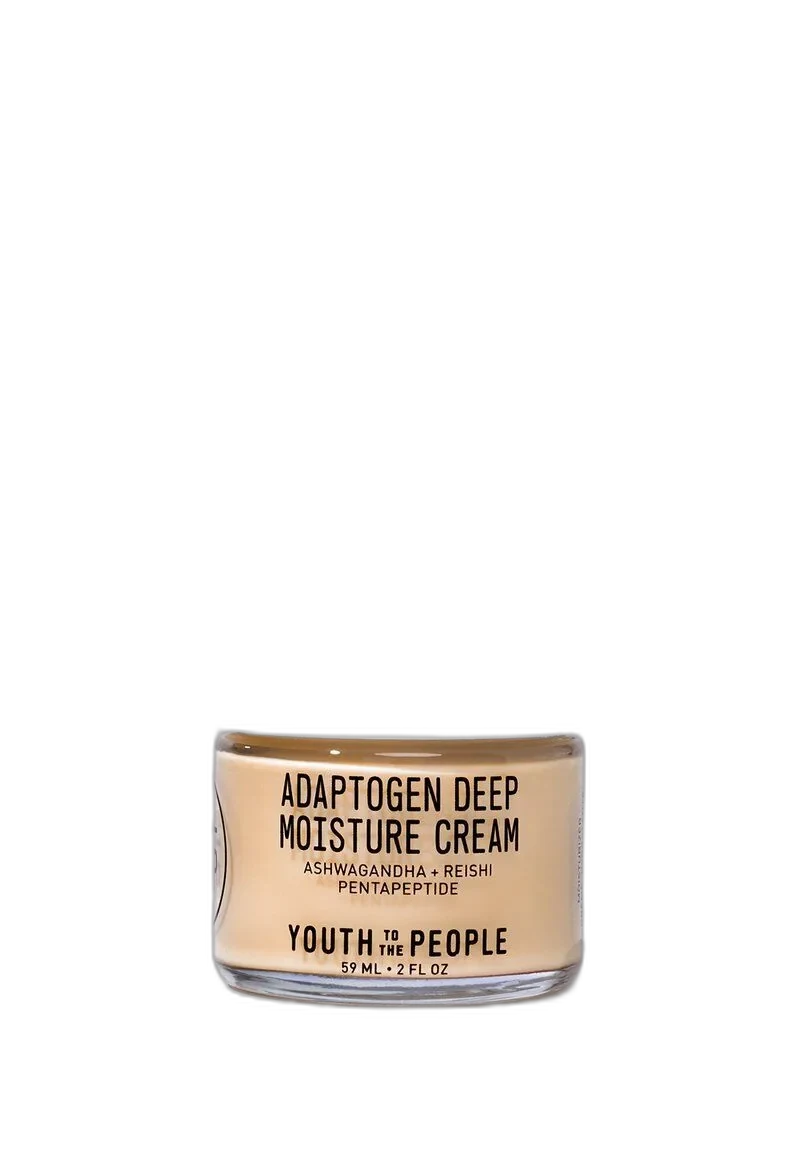
Adaptogen Deep Moisture Cream
Adaptogen-Forward Rich Moisturizer
 Verified reviewer
Pros & cons.
- +Four adaptogens (rhodiola, holy basil, ashwagandha, reishi) in meaningful top-ten INCI positions
- +Linoleic-acid-rich sunflower oil base supports barrier function
- +Fragrance-free and no added essential oils
- +Vegan and cruelty-free
- +Visible dryness relief within 1-2 weeks
- +Pentapeptide-59 adds mild peptide support to the recovery layer
- −Too rich for oily skin types
- −Octyl palmitate and shea butter may break out acne-prone users
- −$58 for 59ml is premium priced against drugstore barrier creams
- −Natural herbal scent is distinctive and not to everyone's taste
- −Jar packaging is less hygienic than airless pump alternatives
The full review.
Adaptogens have become one of the most overused marketing words in skincare. Rhodiola, ashwagandha, reishi, holy basil — the list reads like a Goop wellness menu, and most of the products claiming to use these botanicals feature them somewhere near the bottom of the INCI, usually in concentrations too small to matter. That’s why the Youth to the People Adaptogen Deep Moisture Cream is worth paying attention to. On the INCI label, the four adaptogens appear consecutively at positions seven, eight, nine, and ten — before the aloe juice, before the squalane, and right after the primary oil and emulsifier system. That ordering signals meaningful concentrations, and it’s one of the few clean beauty moisturizers on the market where the adaptogen claim actually reflects the formulation rather than the marketing.
About Youth to the People
Youth to the People’s brand heritage since 2015 and the cream’s seven years on the market give it a level of real-world validation that newer clean beauty moisturizers lack, and the L’Oréal ownership since 2021 has maintained formulation consistency.
Texture
The cream spreads as a richly emollient base with a slight yellow-caramel tint from the botanical extracts, and it absorbs within about a minute without leaving a heavy greasy film. On dry skin it feels cushioning and slightly glowy, with a subtle herbal scent that fades quickly.
Scent
The scent is worth mentioning — it’s not added fragrance, it’s the natural note of the adaptogen extracts, and most users find it pleasant though some describe it as ‘mushroom and tea’ in a way that will not appeal to everyone. No essential oils are added, which matters for sensitive users.
Packaging
The amber glass jar is a thoughtful packaging choice that limits light-induced degradation of the botanicals, though the jar format itself is less hygienic than an airless pump.
Best for
For dry, stressed, or winter-strained skin, this is a cream that earns its shelf space.
Works for
- Dry skin
- Stressed skin
- Winter-strained skin
Not ideal for
- Acne-prone skin
- Oily skin
- Combination-oily skin
Common Praise
- Immediate softening and cushion on first application
- Visible plumping within twenty-four hours
- Barrier resilience improvements within the first one to two weeks of consistent use
- Over four to six weeks, dry patches resolve, and the skin’s overall tone becomes more even as the antioxidant layer compounds its effect.
Common Complaints
- The octyl palmitate and shea butter are mildly comedogenic, which means acne-prone users should patch test before committing to twice-daily use on the face.
- The cream is too rich for most oily skin types and most combination-oily users will find it better suited to evening application with a lighter moisturizer in the morning.
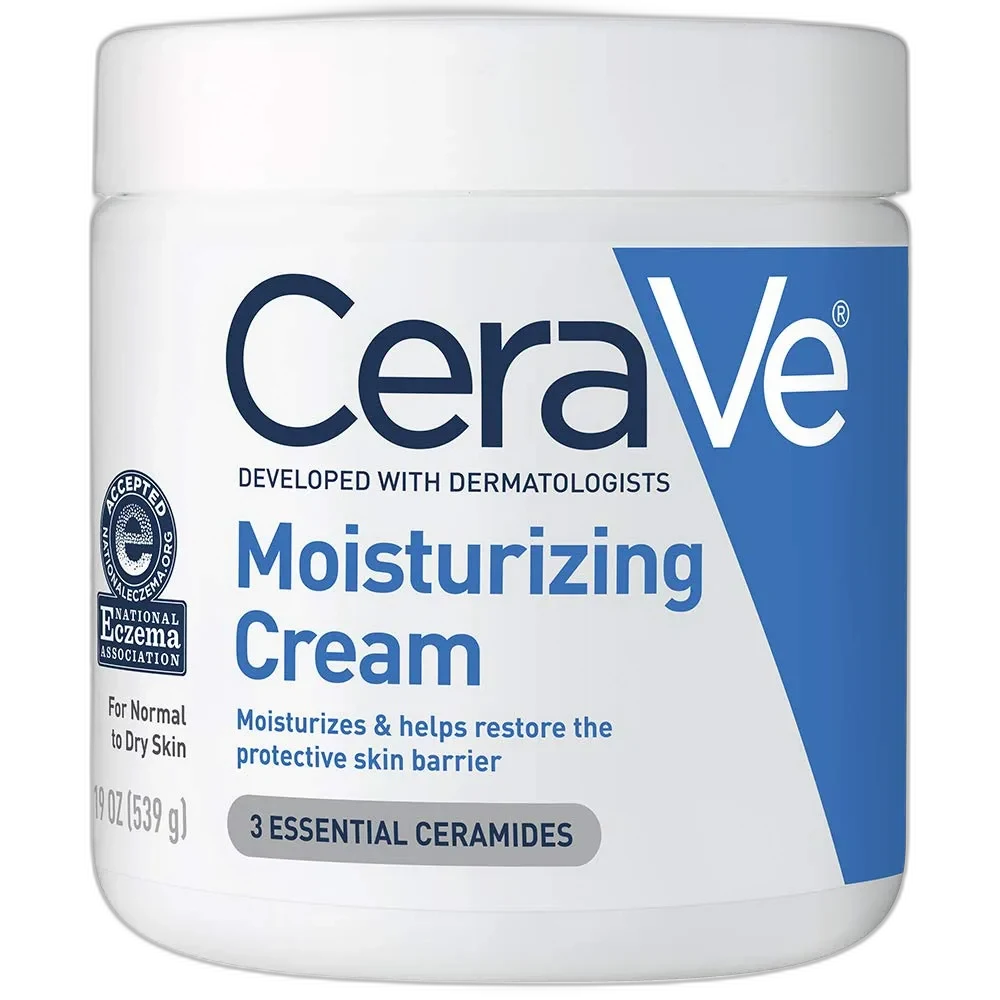
- Fifty-eight dollars for fifty-nine milliliters is a premium price, and the drugstore competition — CeraVe Moisturizing Cream in particular — delivers better-validated barrier repair at a fraction of the cost.
Pairs Well With
Users looking for dedicated anti-aging results should pair this cream with a retinoid or treatment serum rather than expecting the cream alone to do anti-aging work.
Conflicts With
- Oily skin
- Acne-prone skin
AM routine
- Not specified
PM routine
- Not specified
Ingredient analysis.
Full INCI list
Purified Water, Helianthus Annuus (Sunflower) Oil, Octyl Palmitate, Glyceryl Stearate, Propanediol, Stearic Acid, Rhodiola Rosea, Ocimum Tenuiflorum (Holy Basil), Withania Somnifera (Ashwagandha), Ganoderma Lucidum (Reishi Mushroom), Aloe Barbadensis Leaf Juice, Glyceryl Mono Laurate, Squalane (Olive), Phenoxyethanol, Simmondsia Chinensis Seed Oil, Pentapeptide-59, Hydrogenated Lecithin, Butyrospermum Parkii (Shea) Butter, Phenethyl Alcohol, Ethylhexylglycerin, Maltodextrin, Carbomer, Mixed Tocopherols, Allantoin, Panthenol, Prunus Amygdalus Dulcis (Sweet Almond) Oil, Borago Officinalis (Borage) Oil, Caramel Color, Xanthan Gum
Skin match.
The science.
The Science
Topical adaptogen evidence is emerging, not definitive. Research shows Rhodiola rosea contains polyphenols and flavonoids that provide antioxidant and anti-inflammatory effects in skin cell models. Holy basil (Ocimum tenuiflorum) has eugenol and ursolic acid, both of which show antioxidant activity and modest anti-inflammatory effects topically. Ashwagandha (Withania somnifera) contains withanolides; while most studies focus on oral use, emerging topical research shows antioxidant and soothing effects. Reishi mushroom (Ganoderma lucidum) contains beta-glucan polysaccharides, which have a modest research base for supporting skin hydration.
These botanicals lack the deep research seen in ceramides, niacinamide, or retinoids. This formula gains credibility by combining four adaptogens at meaningful concentrations with a specific oil base and a standard barrier recovery package. The sunflower oil foundation is well-established; decades of research show linoleic acid supports ceramide synthesis and barrier function, making linoleic-acid-rich oils a standard recommendation for dry and mature skin. Squalane works as a skin-identical lipid with a strong research base for cushioning and barrier support. Pentapeptide-59 shows emerging evidence for collagen signaling, though less than Matrixyl 3000 or copper peptides. The formulation uses a layering approach—adaptogen antioxidants, barrier lipids, a mild signaling peptide, and allantoin/panthenol for recovery—instead of relying on one hero active.
Dermatologist Perspective
Dermatologists view adaptogen-forward skincare as a legitimate category, though it has less research than ceramide or niacinamide-focused products. Board-certified dermatologists note that topical adaptogens provide antioxidant and mildly soothing benefits rather than the effects seen with oral supplementation; they advise that consumers should not expect dramatic results from any single adaptogen botanical. Dermatologists often recommend the Adaptogen Deep Moisture Cream for patients with dry, stressed, or winter-compromised skin who already use evidence-based actives (retinoids, vitamin C) and want a thick supportive moisturizer with a clean beauty profile. For acne-prone patients, dermatologists typically flag the shea butter and octyl palmitate as potential comedogenic concerns and recommend a different cream.
Where it fits in your routine.
Apply a pea-sized amount to clean, toned skin as the last step in your routine. Pat gently into the face and neck, allowing a full minute to absorb before layering sunscreen or makeup. Use once or twice daily depending on your skin's needs — for oily or combination skin, consider evening-only use with a lighter option in the morning. Safe to layer over serums, treatments, or facial oils as needed for very dry skin.
At $58 for 59ml, this cream costs more than drugstore barrier creams but less than luxury niche moisturizers. One application daily makes a jar last 3-4 months, costing roughly $15-20 per month. This is defensible value for users seeking an adaptogen-forward clean beauty cream with genuine formulation depth. For users wanting a thick barrier moisturizer, CeraVe Moisturizing Cream provides comparable hydration for much less. YTTP's seven years on the market and L'Oréal ownership since 2021 ensure formulation consistency and quality control that justify the price for the right user.
Dry, mature, or stressed skin users want a thick moisturizer with a real adaptogen-forward formulation. Clean beauty enthusiasts prefer botanical-focused skincare with meaningful concentrations. Users in cold climates or winter months need deep-moisture support and pay a premium for thoughtful formulation.
Oily, acne-prone, or fungal-acne-prone users may breakout from the oil-heavy base and shea butter. Budget-conscious users can find similar hydration in CeraVe or La Roche-Posay. Users may dislike botanical scents. Users seeking anti-aging results from the cream alone should pair it with a dedicated retinoid or treatment serum.
Product details.
Thick emollient cream that spreads smoothly and has a slight yellow-caramel tint from botanical extracts
Mild herbal and grassy note from the adaptogen extracts, no added fragrance
Amber glass jar with an inner protective lid limits light degradation of the botanicals
The cream spreads easily and absorbs within a minute, leaving skin cushioned and slightly glowy. First-time users notice the thick feel immediately — this is not a lightweight gel cream. During the first week, dry patches soften visibly and the barrier feels more resilient. For acne-prone skin, patch test around the hairline before using it twice daily.
3-4 months with once-daily application
12 months
fall winter
The backstory.
The Adaptogen Deep Moisture Cream launched in 2018 as Youth to the People's answer to the rising interest in adaptogenic botanicals in wellness culture. Rather than using adaptogens as a marketing angle, the brand placed them near the top of the INCI in a richly emollient base designed for dry and stressed skin. The cream became one of YTTP's best-selling face products and helped establish the brand's identity as a serious clean beauty formulator rather than a marketing-led imitator.
About Youth to the People
Established Brand (5–20 years)Youth to the People launched in 2015 and the Adaptogen Deep Moisture Cream has been one of the brand's flagship products since 2018. The brand was acquired by L'Oréal in 2021 and the cream has accumulated substantial user reviews over its years on the market.
Common myths.
Adaptogens work the same way in skincare as in supplements.
Oral adaptogens act on the nervous and endocrine systems. Topical adaptogens work mainly as antioxidant polyphenol and flavonoid sources. The benefits differ mechanistically — this cream doesn't change your ashwagandha-related cortisol levels; it increases your skin's antioxidant capacity.
Pharmacy-grade products outperform clean beauty moisturizers.
Clean beauty quality varies widely. Some products, including this one, match the standards of established dermatology brands. Evaluate the formulation, not the positioning. YTTP's adaptogen placement and oil profile are thoughtful choices, not marketing.
FAQ.
What are adaptogens and how do they work in skincare?
Adaptogens are botanicals used to help the body adapt to stress. In skincare, they act as sources of antioxidant polyphenols and flavonoids. This cream uses rhodiola, holy basil, ashwagandha, and reishi mushroom in the top ten INCI positions. This provides a layered botanical antioxidant effect instead of just skin-identical lipids alone.
Is this cream good for acne-prone skin?
It is not an ideal fit. The sunflower oil has high linoleic acid and works for many skin types, but the octyl palmitate and shea butter are mildly comedogenic for some. Acne-prone skin needs a patch test near the jawline and hairline before twice-daily use. Use a lighter moisturizer during the day if you break out easily.
Can I use this under makeup?
Yes, but wait one or two minutes to absorb before applying foundation. The cream is thick; applying makeup too fast causes pilling. Users with oily skin or in humid conditions may prefer using this cream in the evening and a lighter option in the morning.
Does this replace a dedicated anti-aging treatment?
No — pentapeptide-59 is a supportive addition, not a flagship active. Users with established anti-aging concerns should use this cream alongside a dedicated retinoid or peptide treatment, not instead of them. The formula has a thicker base than most ordinary daily moisturizers, which helps mature skin more than a lighter formula.
Is the scent strong?
The cream has a mild herbal-grassy scent from the adaptogen extracts but no added fragrance. Most users find the scent pleasant and subtle, but users sensitive to botanical scents may notice the reishi and holy basil notes. The scent fades within a few minutes of application.
How does this compare to CeraVe Moisturizing Cream?
They serve different purposes. CeraVe is a ceramide-focused barrier repair moisturizer at a drugstore price with more clinical research. YTTP's cream is an adaptogen-forward clean beauty product with a thicker botanical profile. For straightforward barrier repair, CeraVe is cheaper and better-validated. For users interested in adaptogen-forward skincare, the YTTP cream works.
Can I use this during pregnancy?
The ingredient list is generally pregnancy-safe; it lacks retinoids, salicylic acid, or hydroquinone. The essential oils are mild and at low concentrations. Still, confirm pregnancy skincare decisions with your OB/GYN before adding any new product.
What the community says.
"Richly hydrating without feeling heavy"
"Calms stressed or reactive skin"
"Noticeable barrier improvement within a week"
"Pleasant subtle botanical scent"
"Too rich for oily skin types"
"Shea butter may break out acne-prone users"
"Expensive at $58 for 59ml"
"Scent too herbal for some users"