Intensive Infusion Ultra Rich Moisturizer
Ultra-Luxury Splurge
 Verified reviewer
Pros & cons.
- +Genuinely sophisticated 73-ingredient formula with three distinct peptide families and six marine extracts
- +Shea butter at approximately 5% provides exceptional, long-lasting moisture for very dry skin
- +Proprietary Coleus forskohlii Infusing Complex targets cellular energy — an interesting mechanism beyond standard actives
- +Broad antioxidant coverage from grape seed, pomegranate, rosemary, and multiple marine polysaccharides
- +Extraordinarily luxurious texture — velvety, rich, and immediately softening on the skin
- +Acetyl glucosamine supports both natural hyaluronic acid production and gentle brightening
- −At $230 for 1.7 oz, the price-to-ingredient-value ratio is indefensible by any objective measure
- −Seven identified fragrance allergens make this unsuitable for sensitive or reactive skin
- −Jar packaging degrades light-sensitive actives like retinyl palmitate and ascorbyl glucoside
- −Too rich and heavy for oily, combination, or even some normal skin types
- −Key actives appear in the lower INCI positions, suggesting modest concentrations
- −Not cruelty-free — a consideration for ethically minded luxury consumers
The full review.
Tom Ford’s Ultra Rich Moisturizer presents a paradox: the formulation is more thoughtful than its commercial profile requires, but the packaging is more cynical than the formula deserves. Most luxury moisturizers at this price point add trendy actives to a basic cream base and use designer packaging to signal aspiration. Tom Ford’s team built a formula with seventy-three ingredients, three distinct peptide families, half a dozen marine and algae extracts, and a proprietary botanical complex that exceeds the standard luxury playbook. Then they put it in a jar.
The Infusing Complex is genuinely impressive. Built around Coleus forskohlii root extract, it is not marketing fluff. Forskolin, the active compound in Coleus forskohlii, activates adenylate cyclase, the enzyme that increases intracellular cAMP. In cellular biology, elevated cAMP drives metabolic processes like increased lipolysis, reduced inflammation, and enhanced cellular energy production. Whether topical application at cosmetic concentrations achieves these effects in intact human skin remains unproven—in-vitro evidence is compelling, but clinical validation for topical skincare is thin. The formulators used a genuinely interesting mechanism instead of just adding retinol and hyaluronic acid.
The peptide system shows similar ambition. Acetyl hexapeptide-8 (Argireline) targets expression lines by inhibiting SNARE complex formation at the neuromuscular junction. Dipeptide-2 supports lymphatic drainage to address puffiness. Palmitoyl tetrapeptide-7 modulates the inflammatory cascade that accelerates skin aging. Hesperidin methyl chalcone addresses vascular permeability that contributes to dark circles and uneven tone. This is a system designed to address aging from multiple angles, not a random collection of peptides.
The marine and botanical extract library is also extensive. Ascophyllum nodosum, Padina pavonica, Asparagopsis armata, and Hypnea musciformis provide four distinct types of marine extracts with different polysaccharide and antioxidant profiles. Grape seed extract contributes proanthocyanidins. Pomegranate juice provides ellagic acid. Rosemary extract adds carnosic acid. The antioxidant coverage is unusually broad for a moisturizer at any price point.
The moisturizing architecture is solid. Shea butter at approximately five percent provides a thick, velvety texture and an occlusive barrier. Dimethicone and methyl trimethicone create the smooth, silky slip luxury consumers expect. Butylene glycol and glycerin act as humectants. Sodium hyaluronate and acetyl glucosamine provide additional hydration pathways. This well-constructed emulsion delivers on its core promise of intensive moisture.
The fragrance is problematic. Seven EU-regulated allergens—linalool, limonene, citronellol, geraniol, hydroxycitronellal, alpha-isomethyl ionone, and benzyl benzoate—create one of the heaviest fragrance loads in any premium moisturizer reviewed. For a product priced at two hundred thirty dollars, prioritizing scent over skin tolerance betrays the formula’s clinical ambitions. You cannot position a product as serious skincare while loading it with sensitizing fragrance compounds.
The jar packaging is also contradictory. This formula contains retinyl palmitate and ascorbyl glucoside, which degrade when exposed to air and light. Every time you unscrew the lid, these actives lose potency. The hyaluronic acid and peptides are less air-sensitive, but the botanical extracts also oxidize. A formula this complex needs an airless pump. The jar exists because it looks expensive, and in luxury skincare, looking expensive apparently matters more than protecting the ingredients.
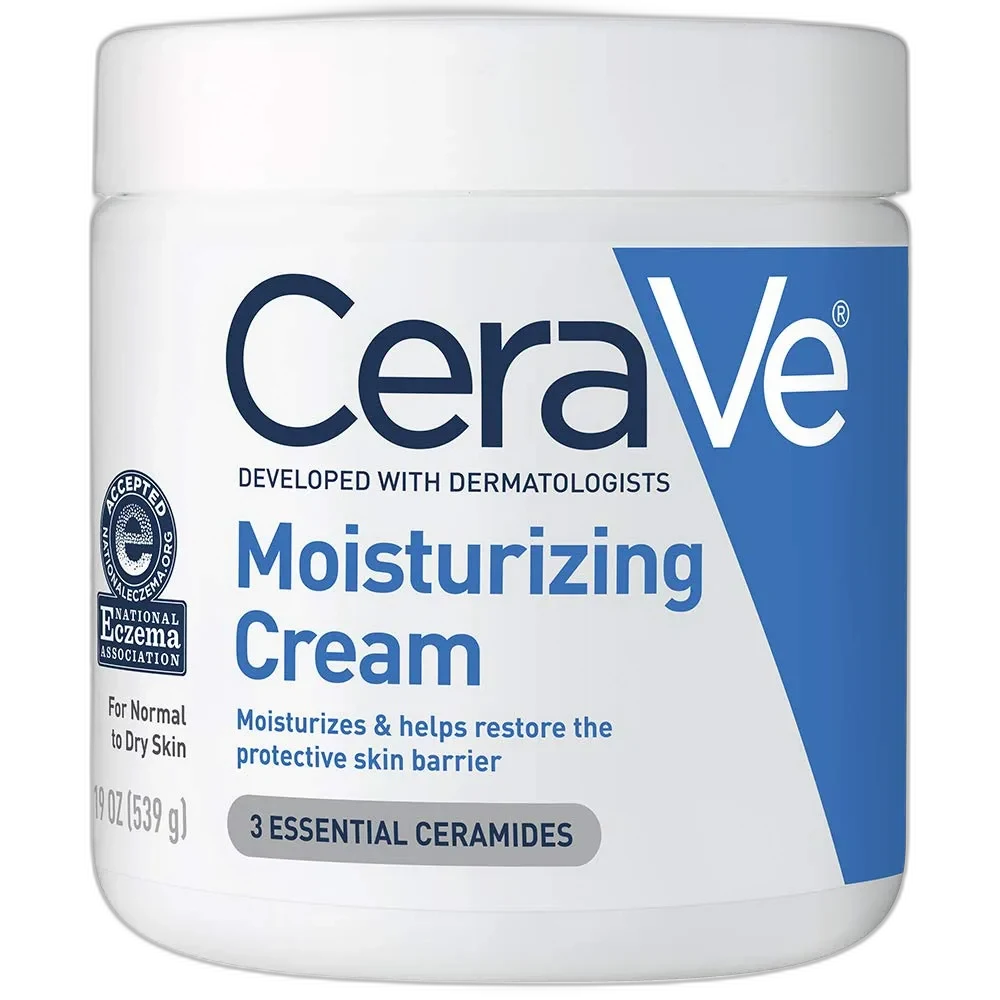
Then there is the price. Two hundred thirty dollars for 1.7 ounces equals over one hundred thirty-five dollars per ounce. The formula is sophisticated, but the core moisturizing technology—shea butter, glycerin, dimethicone, hyaluronic acid—is the same architecture used in CeraVe, Cetaphil, and other effective moisturizers at fifteen to thirty dollars. The peptides, marine extracts, and Infusing Complex add value, but their concentrations appear modest based on their INCI positions. The evidence does not support that they are ten times more effective than a sixty-dollar moisturizer with similar ingredients.
You are paying for the total experience. The texture is extraordinary—one of the most velvety creams you will put on your face. The fragrance smells expensive in an unmistakably Tom Ford way. The packaging looks stunning on a vanity. There is also a psychological pleasure in applying a product that costs this much from a company that makes respected skincare.
For consumers with very dry skin, disposable income that makes two hundred thirty dollars unremarkable, and no fragrance sensitivity, this is a beautiful moisturizer with a more thoughtful formula than most luxury peers. For everyone else, the math fails. The formulation ambition is real, but the price-to-value gap is equally real, and the jar undermines both.
Formula
Ingredient analysis.
Full INCI list
Water/Aqua/Eau, Butylene Glycol, Butyrospermum Parkii (Shea) Butter, Boron Nitride, Dicaprylyl Carbonate, Microcrystalline Wax/Cera Microcristallina/Cire Microcristalline, Glyceryl Stearate, Dimethicone, Stearyl Alcohol, PEG-100 Stearate, Cetyl Ricinoleate, Methyl Trimethicone, Isohexadecane, Neopentyl Glycol Diheptanoate, Coleus Forskohlii Root Extract, Sigesbeckia Orientalis Extract, Centaurium Erythraea Extract, Polygonum Cuspidatum Root Extract, Hypnea Musciformis Extract, Cucumis Sativus (Cucumber) Fruit Extract, Sapindus Mukorossi Fruit Extract, Ascophyllum Nodosum Extract, Vitis Vinifera (Grape) Seed Extract, Algae Extract, Rosmarinus Officinalis (Rosemary) Extract, Acetyl Hexapeptide-8, Dipeptide-2, Hesperidin Methyl Chalcone, Palmitoyl Tetrapeptide-7, Guaiacol, Manganese Chloride, Selaginella Tamariscina Extract, Humulus Lupulus (Hops) Extract, Citrus Reticulata (Tangerine) Peel Extract, Morinda Citrifolia Fruit Extract, Asparagopsis Armata Extract, Padina Pavonica Thallus Extract, Camelina Sativa Seed Oil, Punica Granatum (Pomegranate) Fruit Juice, Hordeum Vulgare (Barley) Extract, Faex/Yeast Extract, Linolenic Acid, Acetyl Glucosamine, Glycerin, Sodium Hyaluronate, Aloe Barbadensis Leaf Juice, Tocopheryl Acetate, Retinyl Palmitate, Ascorbyl Glucoside, Carbomer, Polysorbate 20, Sodium Hydroxide, Cetearyl Alcohol, Sorbitan Oleate, Tromethamine, Acrylates/C10-30 Alkyl Acrylate Crosspolymer, Glyceryl Polyacrylate, Fragrance/Parfum, Steareth-20, Hydrogenated Lecithin, Caprylyl Glycol, Phenoxyethanol, Disodium EDTA, BHT, Chlorphenesin, Hexylene Glycol, Potassium Sorbate, Sodium Benzoate, Linalool, Limonene, Citronellol, Geraniol, Hydroxycitronellal, Alpha-Isomethyl Ionone, Benzyl Benzoate
Skin match.
The science.
The Science
Coleus forskohlii root extract is the formula's most scientifically interesting component. Its primary bioactive, forskolin, activates adenylate cyclase to increase intracellular cyclic adenosine monophosphate (cAMP). Higher cAMP levels drive protein kinase A activation, which influences gene expression for cellular metabolism, inflammation, and repair. A 2014 review in the Journal of Pharmacology and Pharmacotherapeutics documented forskolin's biological activities, including anti-inflammatory effects and enhanced cellular energy metabolism. Most research focuses on oral supplementation or in-vitro applications; topical efficacy data at cosmetic concentrations is limited.
The peptide system uses established research. Acetyl hexapeptide-8 reduces SNARE complex formation; the original Blanes-Mira et al. study (International Journal of Cosmetic Science, 2002) showed wrinkle depth reduction at 10% concentration. Palmitoyl tetrapeptide-7 reduces IL-6 secretion and inhibits inflammatory responses in skin models, as documented in studies on the Eyeliss peptide complex. Dipeptide-2 stimulates lymphatic drainage in vitro, which can reduce periorbital puffiness.
Grape seed extract (Vitis vinifera) is a strong evidence-based antioxidant in this formula. Proanthocyanidins from grape seeds show photoprotective effects in multiple studies, including a 2004 publication in Free Radical Biology and Medicine showing UV damage protection in human keratinocytes.
Acetyl glucosamine has dual evidence: a 2007 study in the Journal of Cosmetic Dermatology showed topical N-acetyl glucosamine, especially with niacinamide, reduced hyperpigmentation, while other research shows it stimulates hyaluronic acid synthesis in dermal fibroblasts.
References
- A new peptide functional ingredient to reduce wrinkles: Argireline — International Journal of Cosmetic Science (2002)
Dermatologist Perspective
Dermatologists note the sophisticated ingredient list—the multi-peptide system, broad antioxidant coverage, and moisturizing architecture show serious formulation work. However, board-certified dermatologists raise concerns about the heavy fragrance load; seven identified allergens increase sensitization risk for a product used twice daily. Dermatologists also note the jar packaging contradiction: placing light-sensitive ingredients like retinyl palmitate and ascorbyl glucoside in an open-air jar reduces their stability and efficacy. Clinically, dermatologists note that comparable moisturizing results—and often better anti-aging outcomes—come from products with prescription retinoids or high-concentration proven actives at a lower price.
Where it fits in your routine.
Cleanse skin and apply serums or treatment essences first. Warm a pea-sized amount between fingertips. Press it into the face, neck, and décolletage, moving from the center outward. The thick texture spreads easily, so use a small amount. Use morning and evening. In the morning, always follow with sunscreen SPF 30+. Close the jar tightly after each use to limit air exposure to the light-sensitive actives.
At $230 for 1.7 ounces, this is among the most expensive moisturizers in the mass-market luxury segment. The formula has a higher ingredient-quality score than most luxury moisturizers; its peptide complex, marine extracts, and proprietary Infusing Complex show R&D investment. However, the core moisturizing mechanism — shea butter, glycerin, dimethicone, hyaluronic acid — exists in products costing $15-40. The peptide concentrations are modest, and the jar packaging reduces the stability of the light-sensitive actives. Luxury consumers paying for the texture, fragrance, and Tom Ford experience will find this satisfying. Value-oriented consumers get comparable skin results for a tenth of the price.
Luxury skincare consumers with dry to very dry skin prioritize texture, fragrance, and packaging alongside sophisticated ingredients. This suits those who can afford the price and have no fragrance sensitivity.
People with oily, combination, or sensitive skin. People with fragrance allergies or sensitivities. Budget-conscious consumers seeking the best ingredients-per-dollar value. Those who prefer evidence-based skincare with proven actives at clinical concentrations — a prescription retinoid and a well-formulated moisturizer deliver superior anti-aging results for a fraction of this price.
Product details.
Thick, dense cream with a velvety, whipped consistency. It melts into skin on contact and leaves a dewy, luminous finish. The texture is very thick and does not suit those who prefer lightweight formulas.
The fragrance is complex and unmistakably Tom Ford — warm, slightly sweet, with floral and woody notes. It is noticeable and lingers. It contains seven EU-regulated fragrance allergens.
A heavy glass jar uses a sleek, minimalist design that matches Tom Ford's luxury aesthetic. The packaging is beautiful but impractical; the jar format exposes the retinyl palmitate, ascorbyl glucoside, and other light-sensitive actives to air and light degradation every time you use it.
The first application feels smooth — the cream melts on contact and leaves skin immediately softer, plumper, and glowing. The fragrance is noticeable and sophisticated. Very dry skin absorbs this quickly. Those with any oiliness will likely find it too heavy within the first few uses.
3-4 months with twice-daily face application (a small amount covers well)
12 months
fall winter
The backstory.
Tom Ford's Intensive Infusion line represents the fashion designer's push into serious skincare, backed by Estée Lauder's formulation capabilities. The Ultra Rich Moisturizer is positioned as the crown jewel of the line, targeting affluent consumers who want their skincare to feel as luxurious as the rest of the Tom Ford experience. The 2023 acquisition of Tom Ford by Estée Lauder for $2.8 billion ensures continued investment in the skincare line.
About Tom Ford Beauty
Established Brand (5–20 years)Tom Ford Beauty launched in 2006 as an extension of the Tom Ford fashion brand. Estée Lauder Companies has owned it since 2023. The beauty line focuses on luxury fragrance and cosmetics, while skincare is a smaller part of the portfolio. Formulations use Estée Lauder's R&D infrastructure, but the brand's skincare credibility comes from luxury positioning instead of dermatological heritage.
Common myths.
A $230 moisturizer needs much better ingredients than a $30 one.
This formula uses a peptide complex, marine extracts, and botanical antioxidants, but its core moisturizing mechanism — shea butter, glycerin, dimethicone, hyaluronic acid — matches products that cost much less. The premium price pays for the fragrance, packaging, brand, and luxury experience, not a different moisturizing technology.
More ingredients means a more effective formula.
This moisturizer has 73 ingredients, one of the longest INCI lists in its category. Ingredient count does not equal efficacy; concentration and delivery of key actives matter. Many botanical and marine extracts sit in the lower half of the list, suggesting trace concentrations that favor marketing over clinical results.
FAQ.
Is Tom Ford Intensive Infusion Ultra Rich Moisturizer worth $230?
The formula is more sophisticated than most luxury moisturizers. It uses three distinct peptides, marine extracts, and a proprietary botanical complex. But the core moisturizing ingredients — shea butter, glycerin, hyaluronic acid, dimethicone — exist in effective products at a fraction of the cost. You pay for the luxury experience, the fragrance, the packaging, and the Tom Ford brand. Whether that is worth $230 depends on your budget and how much you value those elements.
Can I use Tom Ford Ultra Rich Moisturizer if I have oily skin?
This product targets dry to very dry skin and is too thick for oily or combination skin. High levels of shea butter, waxes, and occlusive silicones cause excessive shine, clogged pores, and breakouts on oily skin. For a Tom Ford skincare experience on oily skin, use the lighter formulations in the line.
Does the Tom Ford Ultra Rich Moisturizer contain retinol?
It contains retinyl palmitate, a mild retinol derivative that converts to retinoic acid via several steps in the skin. Because this formula likely has a low concentration and uses a jar that exposes it to air and light, the retinyl palmitate provides minimal clinical retinoid benefit. Do not consider this a retinol product.
Is Tom Ford Ultra Rich Moisturizer safe for sensitive skin?
No — this formula has fragrance and seven identified fragrance allergens (linalool, limonene, citronellol, geraniol, hydroxycitronellal, alpha-isomethyl ionone, and benzyl benzoate), plus BHT and retinyl palmitate as additional potential irritants. Sensitive or reactive skin types avoid this product.
What is the Tom Ford Infusing Complex?
The Infusing Complex is Tom Ford's proprietary blend. It uses Coleus forskohlii root extract to activate adenylate cyclase and increase cellular energy (cAMP). It also contains Sigesbeckia orientalis and Centaurium erythraea extracts. This blend aims to stimulate the skin's natural repair mechanisms. cAMP activation is scientifically valid, but clinical evidence for topical Coleus forskohlii at cosmetic concentrations is limited.
What the community says.
"Incredibly luxurious texture and feel on the skin"
"Genuinely moisturizing — resolves severe dryness"
"Beautiful, sophisticated fragrance"
"Skin looks plump, dewy, and luminous after use"
"A little goes a long way despite the small jar"
"Extremely expensive — $230 for 1.7 oz"
"Too rich and heavy for oily or combination skin"
"Fragrance is strong and contains multiple allergens"
"Jar packaging exposes product to air and bacteria"
"Price premium far exceeds ingredient value"