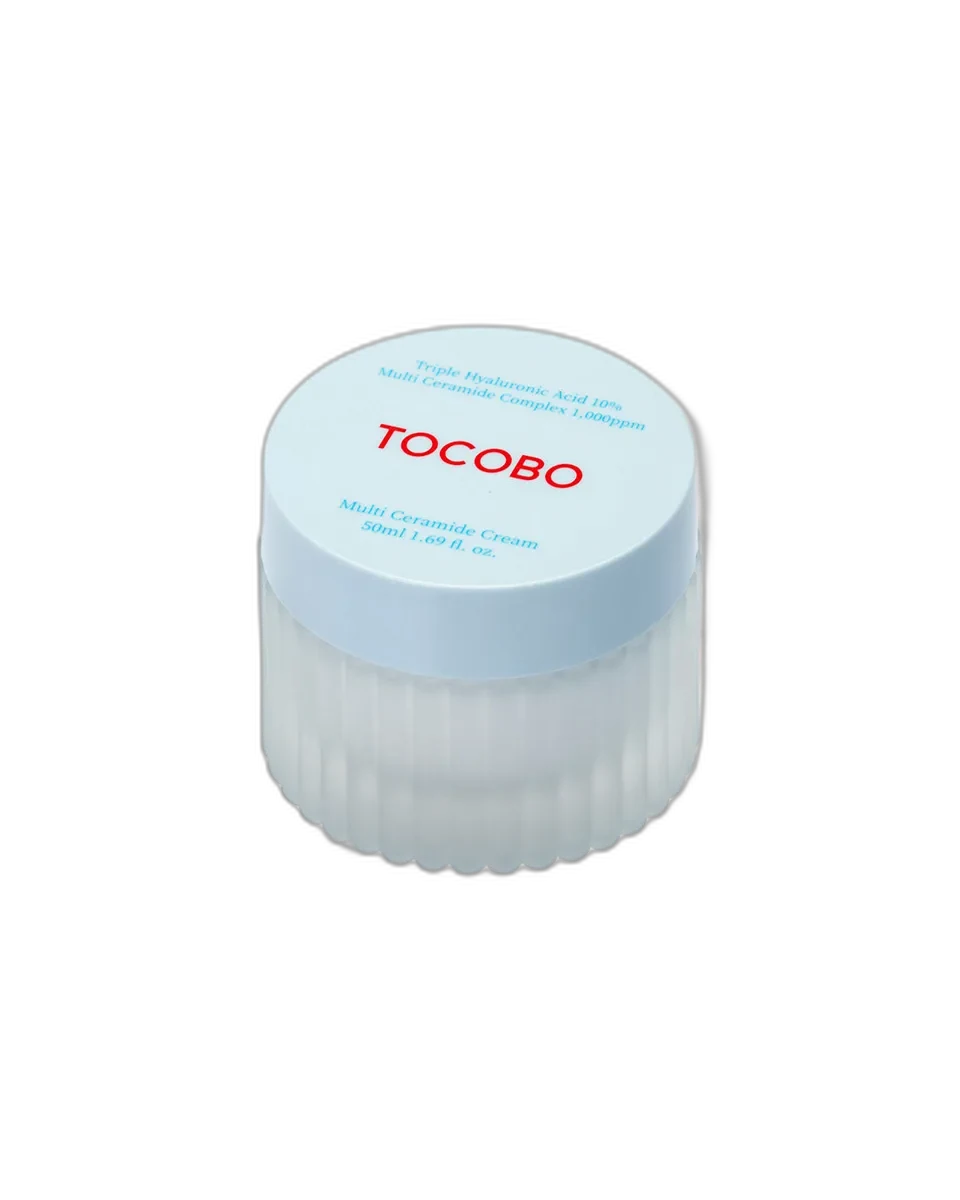
Multi Ceramide Cream
K-Beauty Barrier Repair MVP
 Verified reviewer
Pros & cons.
- +Five-ceramide complex plus cholesterol and sphingolipids matches natural barrier lipid composition
- +Niacinamide pairs with topical ceramides to support endogenous lipid production
- +Full centella asiatica TECA complex with individually listed actives
- +Completely fragrance-free with no added scent or strong natural aroma
- +Fungal-acne safe — rare for cream moisturizers
- +Lightweight texture suits combination and oily skin alongside dry types
- +Excellent value at $24 for 50ml
- −Brand is relatively new with limited long-term track record
- −Jar packaging exposes the formula to air with each opening
- −Limited availability in mainstream Western drugstores
- −May not be heavy enough for severe winter dryness
- −No larger size available for households that share a moisturizer
The full review.
Most ceramide creams cheat. They put ceramide NP in the middle of the ingredient list, label it ‘ceramides’, and stop there. Skin barrier science is more complex. Healthy stratum corneum lipids include at least nine ceramide subtypes, each with different roles in the lamellar lipid structure that holds corneocytes together and prevents water loss. Ceramide NP is the most abundant subtype, so most formulas use it. But barrier repair research shows multi-ceramide formulations with cholesterol and fatty acids in the natural skin ratio outperform single-ceramide formulas. The Tocobo Multi Ceramide Cream uses a harder formulation with five ceramide subtypes — NP, AP, EOP, NS, and AS — plus cholesterol, phytosphingosine, and sphingolipids. This is unusual at this price point and makes the cream highly effective.
The rest of the formula supports that barrier-repair payload. Niacinamide sits high on the ingredient list; it stimulates the skin’s own ceramide production by affecting sphingolipid synthesis. Combining topical ceramides with niacinamide creates a feedback loop: topical lipids provide immediate barrier support while niacinamide supports endogenous lipid-making machinery over time. Panthenol adds humectant and soothing benefits. Centella asiatica includes its full TECA complex — madecassoside, asiaticoside, asiatic acid, and madecassic acid are all listed — providing calming and barrier-supporting effects with better evidence than the generic centella extracts in many K-beauty products. The formula also contains sodium hyaluronate, allantoin, adenosine, and a preservation system using 1,2-hexanediol and ethylhexylglycerin instead of common irritants. It is fragrance-free, alcohol-free, fungal-acne safe, and lacks ingredients that trigger reactivity in sensitive skin.
Texture
Tocobo got the texture right for daily use. The cream is thick and slightly waxy from the jar but melts into a lighter feel when pressed into skin. It absorbs in under a minute, leaves a velvety finish that grips the next product without pilling, and does not feel suffocating on combination or oily skin. Cold weather makes it feel thicker and more occlusive; warm weather makes it feel almost imperceptible. There is no scent — not even the plant extract smell found in some ‘fragrance-free’ products — and no tingling, stinging, or adjustment period. Skin feels calmer immediately, and most users with reactive or compromised skin see improvement within the first week of consistent twice-daily use.
About BrandName
Tocobo is a new brand. It launched in 2021, making it a recent player in a K-beauty market of brands with decade-plus track records. The team has K-beauty industry experience and the formulation quality is impressive, but the brand lacks a long-term track record. The cream has several thousand independent reviews across global K-beauty retailers and the consensus is strongly positive, but it lacks the thirty-year clinical history of CeraVe or La Roche-Posay. For most users, the formulation speaks for itself, but established alternatives exist if you value brand longevity over formulation depth.
Value
Value is excellent. Twenty-four dollars for fifty milliliters is competitive with mid-tier K-beauty brands and cheaper than Western prestige ceramide creams with similar lipid systems. The jar packaging exposes the formula to air more than an airless pump would, but the formula has adequate antioxidant and preservation support, and the 12-month pao provides reasonable use time. Applying it twice daily to the face and neck makes one jar last about two to three months, costing about one dollar per day. For those with compromised barrier function, eczema flares, post-procedure recovery, rosacea, or any condition requiring ceramide-based barrier repair, this cream is a top pick.
Best for
This cream fits the routine of anyone with dry, sensitive, eczema-prone, or barrier-compromised skin who wants a sophisticated ceramide formulation without derm-brand prices. It also works for normal or combination skin seeking a daily moisturizer that supports long-term barrier health. It is pregnancy-safe, fungal-acne safe, fragrance-free, and well-tolerated by almost every skin type without specific contraindications. Skip it only if you need a heavier occlusive cream for severe winter dryness or cannot find the brand at a trusted retailer. For everyone else, this is an easy K-beauty moisturizer recommendation.
Ingredient analysis.
Full INCI list
Water, Caprylic/Capric Triglyceride, Glycerin, Cetearyl Olivate, Hydrogenated Poly(C6-14 Olefin), Sorbitan Olivate, 1,2-Hexanediol, Cetearyl Alcohol, Glyceryl Stearate, Niacinamide, Butyrospermum Parkii (Shea) Butter, Squalane, Panthenol, Hydroxyacetophenone, Ceramide NP, Ceramide AP, Ceramide EOP, Ceramide NS, Ceramide AS, Phytosphingosine, Sphingolipids, Cholesterol, Sodium Hyaluronate, Centella Asiatica Extract, Madecassoside, Asiaticoside, Asiatic Acid, Madecassic Acid, Tocopherol, Hydrogenated Lecithin, Carbomer, Tromethamine, Ethylhexylglycerin, Adenosine, Allantoin
Skin match.
The science.
The Science
The stratum corneum relies on a specific lipid ratio: about 50% ceramides, 25% cholesterol, and 15% free fatty acids, plus minor lipids. This ratio forms the lamellar lipid structure that binds corneocytes and prevents transepidermal water loss. Damage to this lipid matrix—via over-cleansing, harsh actives, environmental stress, or genetic conditions like atopic dermatitis—causes the dryness, sensitivity, and reactivity of a compromised barrier. Topical barrier repair works best when applied lipids match this natural ratio instead of using ceramides alone. Research shows multi-component lipid formulations outperform single-ceramide products. Including cholesterol is vital, as cholesterol-deficient lipid mixtures can impair barrier recovery. The Tocobo Multi Ceramide Cream follows this principle. It includes five ceramide subtypes plus cholesterol, phytosphingosine, and sphingolipids—a more complete lipid system than most ceramide creams at this price. The niacinamide addition also supports the barrier. Dermatologic research shows niacinamide upregulates ceramide, free fatty acid, and cholesterol production in skin cells. This works synergistically with topical ceramides by supplying lipids and boosting the skin's own production. The centella asiatica complex offers different benefits. Its four pentacyclic triterpenes (madecassoside, asiaticoside, asiatic acid, madecassic acid) affect collagen synthesis, wound healing, and inflammatory pathways, complementing the formula's barrier-repair focus.
Dermatologist Perspective
Dermatologists view multi-ceramide formulations containing cholesterol and fatty acids as the gold standard for topical barrier repair. The lipid ratio principle is a dermatologic staple and the basis for most prescription and over-the-counter barrier-repair products for atopic dermatitis, eczema, post-procedure recovery, and chronic xerosis. Board-certified dermatologists often recommend ceramide creams for compromised skin barrier function, preferring formulations with the full ceramide-cholesterol-fatty-acid system over single-ceramide alternatives. Niacinamide and centella asiatica add extra benefit, especially for inflammatory skin conditions. Because this cream is fragrance-free and fungal-acne-safe, most patients needing barrier-repair therapy can use it.
Where it fits in your routine.
Apply twice daily as your main moisturizer. In the morning, apply after serums and before sunscreen. In the evening, apply after treatment products and before any occlusive layer. Use a pea-sized amount for the face and neck. For best barrier-repair effects, apply to slightly damp skin to trap water with the lipid layer. For severe dryness or active barrier compromise, apply a heavier occlusive cream or balm on top in the evening.
Twenty-four dollars for 50ml is excellent value for a five-ceramide formulation with cholesterol, sphingolipids, niacinamide, and a full centella complex. Comparable Western prestige ceramide creams with similar lipid systems retail for $40-80, and even drugstore ceramide creams with simpler formulations are usually in the $15-20 range. The cost-per-day with twice-daily face and neck use comes out to roughly $0.30, which is genuinely hard to beat for this level of formulation sophistication. The only frustration is the lack of a larger size — a 100ml jar would soften the per-milliliter cost further for households with multiple users.
This formula suits people with dry, sensitive, eczema-prone, or barrier-compromised skin seeking a multi-ceramide formulation at a fair price. It also works for normal and combination skin types wanting long-term barrier support, and for anyone with fungal acne needing a fungal-acne-safe moisturizer.
Users needing a very heavy occlusive cream for severe winter dryness may want a thicker option. Those who only buy established Western drugstore brands with decades of clinical history may prefer CeraVe or La Roche-Posay alternatives. This formula has no aroma for people who prefer scented moisturizers.
Product details.
This lightweight cream feels thick during application but absorbs to a non-greasy, slightly velvety finish.
Fragrance-free. It has no added fragrance and no strong natural scent from inactive ingredients.
White plastic jar with a screw cap and an inner lid for hygiene.
Skin feels calmer immediately on application. It has no tingling, no scent, and no break-in period. Most users see softer texture and reduced reactivity within the first few days.
About 2-3 months with twice-daily face and neck use.
12 months
All Year
The backstory.
Tocobo launched in 2021 as a Korean indie brand focused on barrier repair, deliberately positioning itself against the trend-chasing tendencies of mainstream K-beauty. The Multi Ceramide Cream was developed as the brand's flagship moisturizer, with the formulation built around the principle that a ceramide product should match the actual lipid composition of the skin barrier rather than just including a token amount of one ceramide for marketing purposes.
About Tocobo
Emerging Brand (2–5 years)Tocobo launched in South Korea in 2021, focusing on minimalist formulations and barrier repair. K-beauty retailers and beauty media drove rapid international growth, but Tocobo is a new brand with limited independent clinical validation and a short long-term track record.
Common myths.
All ceramide creams are basically the same.
Human skin has nine major ceramide subtypes, each with different functions. A cream with five ceramide types, cholesterol, and fatty acids mimics the natural barrier better than a cream with only ceramide NP, the most common single-ceramide formulation.
K-beauty moisturizers always smell like fragrance.
Older K-beauty formulations often included fragrance, but newer brands like Tocobo omit added fragrance for sensitive-skin and barrier-repair users. This cream is fragrance-free.
FAQ.
How does Tocobo Multi Ceramide Cream compare to CeraVe?
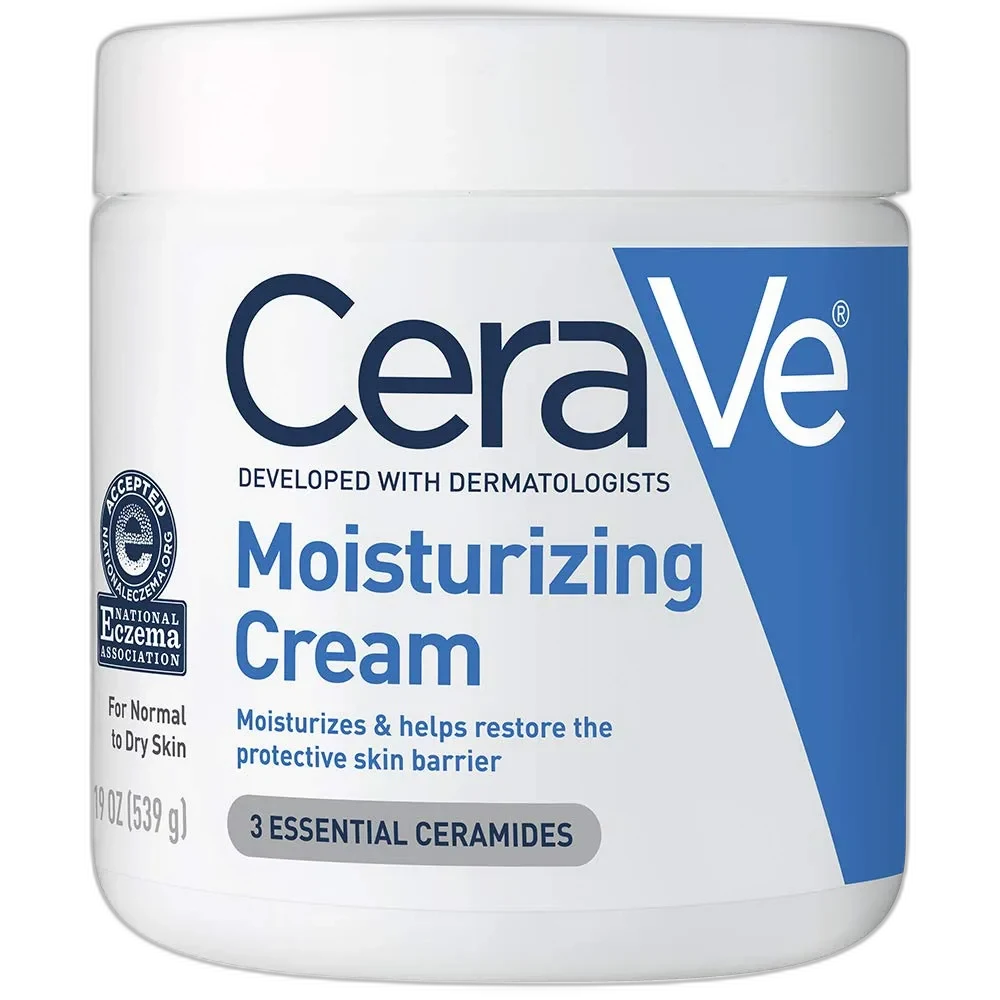
Both use ceramide-cholesterol-fatty-acid lipid systems. Tocobo has more ceramide subtypes (five vs three) and adds a full centella asiatica complex plus niacinamide. CeraVe costs less and is easier to find. Tocobo has a more sophisticated formula on paper; CeraVe has decades of clinical track record.
Is it good for eczema or compromised skin barrier?
Yes — the five-ceramide complex, cholesterol, and sphingolipids repair the skin barrier. The fragrance-free formulation works for eczema-prone skin. Apply twice daily with gentle cleansing.
Is it fungal-acne safe?
Yes. The formulation lacks the fatty acids and esters that feed malassezia yeast. This makes it a safer K-beauty moisturizer option for people with fungal acne or pityrosporum folliculitis.
Can I use it during pregnancy?
Yes. There are no retinoids, salicylates, or hormonal disruptors. The fragrance-free, gentle formulation makes it a strong pregnancy-safe choice.
Will it work for oily skin?
Yes — the lightweight cream texture absorbs to a non-greasy finish and doesn't suffocate oily skin. The niacinamide content also regulates sebum over time.
Where can I buy it in the US?
Tocobo sells through K-beauty retailers like YesStyle, Stylevana, and Olive Young Global, plus Amazon and more beauty boutiques. Major Western drugstores do not stock it yet.
Why is the brand so new but the formula so sophisticated?
K-beauty industry veterans founded Tocobo to launch a small, focused brand centered on barrier-repair formulations. Formulator experience, not brand history, provides the sophistication.
Community
What the community says.
"calmed irritated skin within days"
"fragrance free"
"lightweight but moisturizing"
"great for barrier repair"
"doesn't break out fungal acne"
"small size for the price compared to drugstore"
"limited availability outside K-beauty retailers"