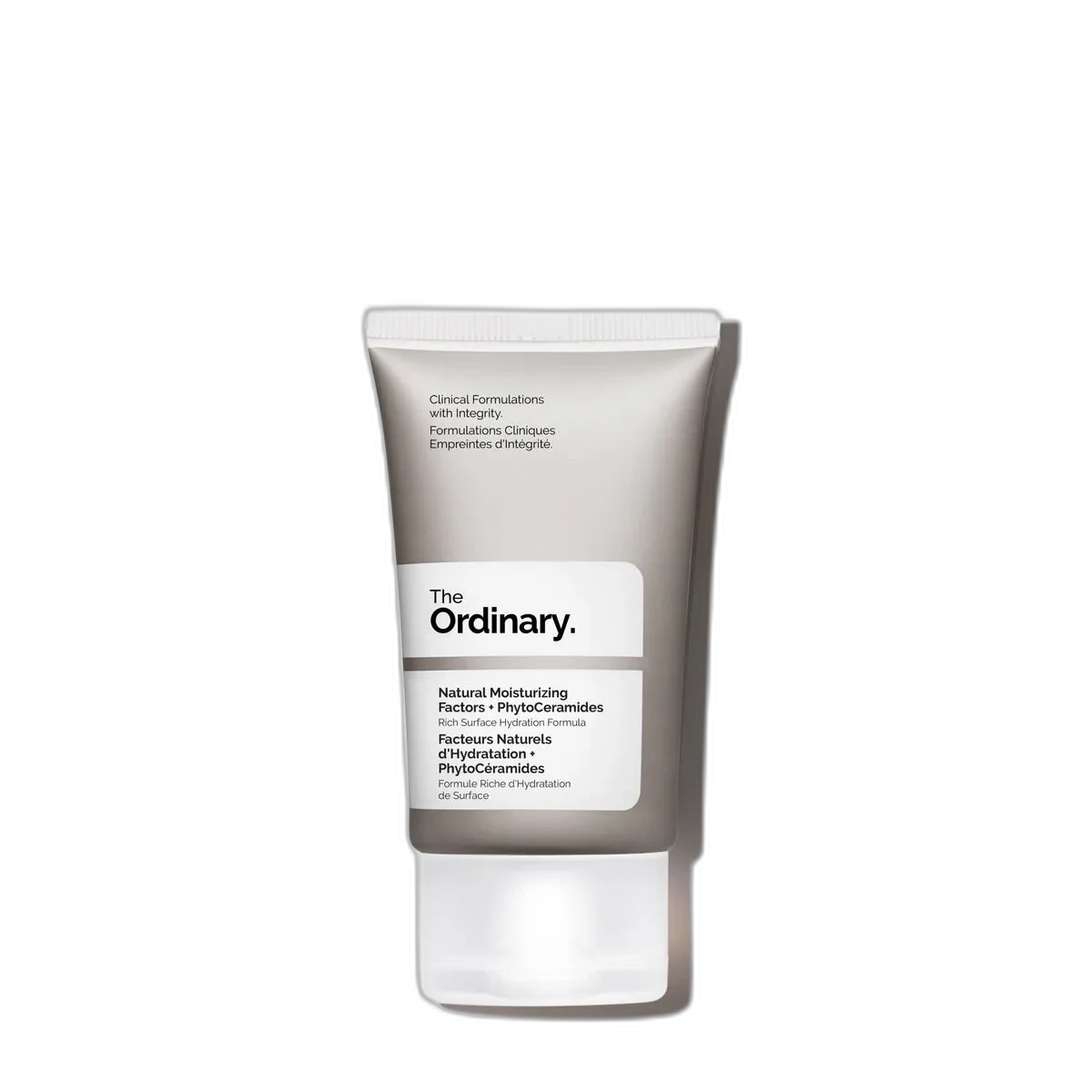
Natural Moisturizing Factors + PhytoCeramides
Winter Barrier Hero
 Verified reviewer
Pros & cons.
- +Full phytoceramide + fatty acid + phytosterol lipid architecture
- +Complete NMF humectant complex layered on top of the lipid system
- +Immediate ~68% hydration boost per in-house testing
- +Rich without being greasy or occlusive-heavy
- +Excellent retinoid and actives buffer
- +Fragrance-free, sensitive-skin appropriate
- +$22.50 for 100 mL is strong value for a full-architecture barrier cream
- +Available in 30 mL travel size as well as the main 100 mL
- −Too rich for oily skin or warm-weather combination skin
- −Jar packaging is suboptimal for ingredient stability
- −Clinical fragrance-free profile lacks sensory appeal
- −Not enough alone for active severe eczema flares
- −May feel heavy as a morning moisturizer for some users
The full review.
Skincare marketing has used “barrier repair” loosely for a decade. The clinical reality is more specific. The stratum corneum’s lipid matrix—the mortar between cells that prevents water loss—uses three ingredient classes in a 3:1:1 ratio: ceramides, cholesterol, and free fatty acids. Research on atopic dermatitis and other barrier-compromised conditions shows that topical formulations replacing all three components in this ratio improve barrier function. Formulations delivering only ceramides, or any single component alone, produce much weaker effects. Many ceramide creams on the market underperform because they include the hero ingredient without the formulation architecture required to make it work.
This formulation detail makes The Ordinary’s PhytoCeramides a notable cream. The ingredient deck uses the full lipid picture. Phytoceramides—plant-derived ceramide precursors that integrate into the skin’s lipid matrix—sit alongside the four dominant fatty acids of the stratum corneum (linoleic, oleic, palmitic, and stearic). Phytosterols from canola serve as the cholesterol-equivalent in the 3:1:1 triangle. A thick emulsion base of caprylic/capric triglyceride, light esters, and hydrogenated vegetable oil delivers the lipid system and provides occlusive and emollient character. The formula also layers the complete NMF complex—the amino acids, PCA, urea, lactate, and sugars healthy skin produces—to handle the humectant side of barrier function that the lipid system alone cannot address. This cream feels different from a standard ceramide moisturizer because the formulation does more.
The relationship to the original Natural Moisturizing Factors + HA cream—The Ordinary’s long-running beginner moisturizer—is important. The brand’s materials describe the PhytoCeramides version as having nearly four times the emollient load and twice the humectant load of the original. This is a substantially different product, not a casual upgrade. The original is a lightweight daily moisturizer for normal-to-slightly-dry skin. This version is a thick cream for dry, eczema-prone, and winter-compromised skin needing more lipid support and deeper humectant backup. If the original felt too light, the PhytoCeramides version is the direct upgrade within the same formulation philosophy.
In practice, it behaves like a proper thick cream without feeling heavy or greasy. A pea-sized amount spreads over the whole face, warms into a smoother emulsion on contact, and absorbs in about a minute, leaving a cushioned satin finish. Deciem’s in-house testing claims an immediate 68% increase in stratum corneum hydration after one application. This is a specific, measurable, brand-reported figure rather than independently replicated work. Daily use matches this. Skin that feels tight after cleansing feels comfortable. Dry patches on cheeks and around the nose smooth out within a few days. Flaking on the forehead and jaw improves visibly within a week. For those using heavy actives, retinoid dryness and acid toner irritation become more tolerable when this cream handles the barrier work underneath.
The cream is strongest as a retinoid-support moisturizer for people building retinoid tolerance. The combination of full lipid architecture and a proper humectant complex is exactly what retinoid-irritated skin needs, and the low price allows for generous use. People who stop using retinoids due to dryness and flaking often succeed when they add this cream to their routine. The same applies to acid routines, prescription treatments, and any period requiring extra barrier support; the cream makes the rest of the routine work without collateral damage.
The limits are predictable for a thick barrier cream. It is too much for oily skin in warm weather, and combination skin may find it heavy outside of winter. It is fragrance-free and clinical, which suits sensitive-skin users but lacks body-lotion-style indulgence. The jar packaging is a valid critique for formulation stability, as phytoceramides and unsaturated fatty acids oxidize when exposed to air. However, most users finish the cream fast enough and keep it lidded enough to avoid practical oxidation. Use a clean spatula or clean fingertips for hygiene. For users in active severe eczema flares, this cream is a daily maintenance layer, not a substitute for heavier occlusive ointments on acutely flared patches.
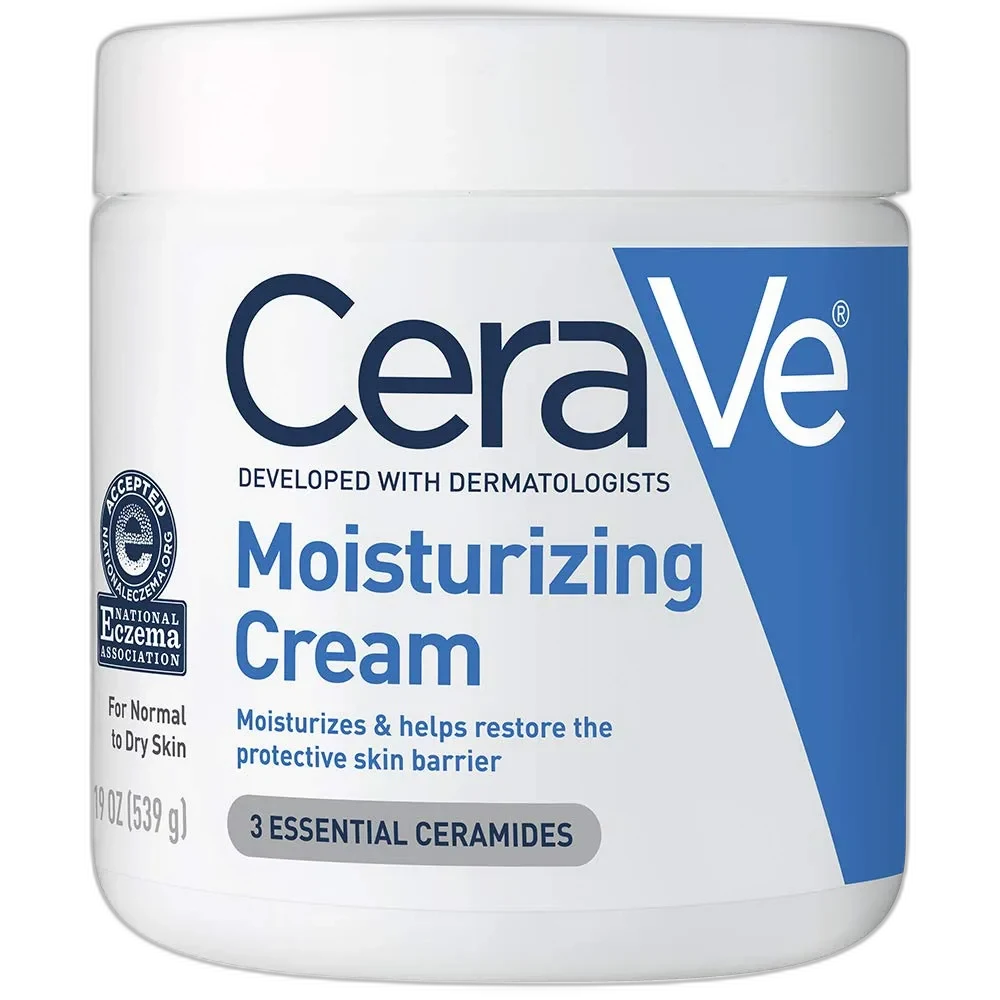
At $22.50 for 100 mL, the value is strong. Dermatologist-brand barrier creams with comparable formulations often cost $45–$80 for similar or smaller volumes; those brands often rely on clinical packaging and trust rather than better engineering. Pharmacy-brand ceramide creams like Cerave and Eucerin are price-competitive, but few deliver the full lipid triangle plus a complete NMF complex in one product. For dry, barrier-compromised, or actives-fatigued skin, this is one of the easiest value picks in the moisturizer category. It earns its place by doing real formulation work rather than just marketing it. In a category where those two things are often confused, that distinction makes this cream worth recommending.
Formula
Ingredient analysis.
Full INCI list
Aqua/Water/Eau, Caprylic/Capric Triglyceride, Cetyl Ethylhexanoate, Isodecyl Neopentanoate, Glycerin, Propanediol, Polyglyceryl-6 Polyricinoleate, Hydrogenated Vegetable Oil, Polyglyceryl-2 Isostearate, Isosorbide Dicaprylate, Disteardimonium Hectorite, Phytosteryl Canola Glycerides, Glycosphingolipids, Glycolipids, Linoleic Acid, Oleic Acid, Palmitic Acid, Stearic Acid, Arginine, Glycine, Alanine, Serine, Proline, Threonine, Glutamic Acid, Lysine HCl, Betaine, Xylitylglucoside, Anhydroxylitol, Xylitol, Glucose, Maltose, Fructose, Trehalose, Sodium PCA, PCA, Sodium Lactate, Urea, Allantoin, Sodium Hyaluronate, Lecithin, Triolein, Dimethyl Isosorbide, Pentylene Glycol, Tocopherol, Hydroxymethoxyphenyl Decanone, Citric Acid, Trisodium Ethylenediamine Disuccinate, Magnesium Sulfate, Sodium Chloride, Sodium Hydroxide, Phenoxyethanol, Chlorphenesin
Skin match.
The science.
The Science
Elias lipid research from the 1990s and 2000s provides the clinical basis for barrier repair. This research shows the stratum corneum's permeability barrier uses a specific ratio of ceramides, cholesterol, and free fatty acids—roughly 3:1:1 by weight—in lamellar sheets between corneocytes. Studies on atopic dermatitis, psoriasis, and xerosis show that topical replacement therapy using all three lipid classes in this ratio improves transepidermal water loss, skin hydration, and barrier function. Products using only one or two components show much weaker effects. This cream targets the full lipid triangle: phytoceramides (as glycosphingolipids and glycolipids) provide the ceramide precursor load, phytosteryl canola glycerides act as the cholesterol equivalent, and linoleic, oleic, palmitic, and stearic acids cover the fatty acid portion. The NMF complex adds humectant barrier function—amino acids (glycine, alanine, serine, proline, threonine, arginine, lysine, glutamic acid), PCA, sodium lactate, urea, and sugars including trehalose and betaine—to mirror the skin-identical intracorneocyte NMF pool. Deciem's in-house testing reports an immediate 68% boost in stratum corneum hydration on intact skin. This is a brand-reported measurement, not an independently replicated clinical trial, but it matches the mechanism and hydration scales seen in peer-reviewed dermatology literature for similar barrier creams. The scientific case for this cream is that its formulation architecture matches published clinical work on barrier repair, unlike many other ceramide creams.
Dermatologist Perspective
Dermatologists note that barrier-repair moisturizer effectiveness depends on formulation architecture, not a single hero ingredient. The ceramide-cholesterol-fatty-acid ratio is the key detail for evaluating creams for dry, eczema-prone, or compromised skin. Board-certified dermatologists often recommend ceramide-based creams as first-line moisturizers for atopic dermatitis, xerosis, and retinoid-irritated skin. A formulation combining the full lipid triangle with a proper humectant system is closer to the clinical ideal than typical single-component ceramide creams. For patients building retinoid tolerance, doctors often recommend this type of cream to reduce the dryness and irritation that cause premature retinoid abandonment. Eczema-prone patients can use it for daily maintenance, though acute flares may still need a heavier occlusive ointment like plain petrolatum on affected patches. The fragrance-free formulation helps pediatric patients, pregnant patients, and those with contact sensitivities. One clinical caveat is the jar packaging; dermatologists note that air-exposed ceramides and unsaturated fatty acids can oxidize. They recommend clean application and prompt turnover of the jar.
Where it fits in your routine.
Apply a pea-sized amount to clean, slightly damp skin after your routine but before sunscreen (morning) or as your final step at night. Warm the cream between fingertips and press it onto your face and neck. Use twice daily for barrier support, or use it at night with a lighter moisturizer in the morning if the cream feels too thick for daytime. It pairs well with retinoids, acid toners, and other irritating actives — apply the active first, wait one minute, then layer this cream on top. For very dry patches in winter, layer a plain petrolatum or ceramide balm over this cream for extra occlusion. This cream works with facial sunscreen, makeup, and all typical serum routines. Use clean fingertips or a small spatula to keep the jar hygienic, and keep the lid sealed.
At $22.50 for 100 mL, this offers high value in the full-architecture barrier cream category. Dermatologist-brand equivalents like SkinCeuticals Triple Lipid Restore or EltaMD's thick moisturizers cost $80–$130 for similar or smaller sizes. Those products have merits, but the formulation philosophy is very similar. Pharmacy brands like CeraVe offer cheaper ceramide creams, but few combine phytoceramides, the full fatty acid spectrum, phytosterols, and the complete NMF system in one product. Using this cream twice daily on the full face lasts roughly three to four months. This makes the monthly cost $6–$7—low for a moisturizer that does real barrier work. The 30 mL travel size has a lower absolute price for users who want to try the formula before buying the full jar. The value is clear: for dry, eczema-prone, or actives-fatigued skin, recommend this cream to users who are price-conscious and formulation-literate.
This thick moisturizer suits dry, sensitive, eczema-prone, or winter-compromised skin at a fair price. It works well for people building retinoid tolerance, using active-heavy routines, or managing chronic barrier issues from over-cleansing or harsh environments. It is also appropriate for pregnancy, sensitive skin, and pediatric use.
Skip this if you have oily or combination skin in warm climates; the texture is too thick for daily use there, and a lighter emulsion works better. Skip this if you want a fragranced, spa-like sensory experience, as the clinical fragrance-free profile is intentional.
Product details.
Fragrance-free, with a very faint neutral cream note.
100 mL plastic jar with screw-top lid; also available in 30 mL travel size.
First application feels like a proper rich cream — not a lightweight lotion pretending to be one. Skin is visibly more hydrated within minutes, and the cushioned softness lasts through the day. No adjustment period, no tingle. Most users notice that chronically tight or flaky skin patches look noticeably better by the second or third day, and that other actives in the routine feel more tolerable once this is underneath them.
Roughly 3–4 months with twice-daily face application.
12 months
fall winter
The backstory.
The Ordinary's original Natural Moisturizing Factors + HA cream quietly became one of the most recommended barrier moisturizers across dermatology social media, but users with genuinely dry or eczema-prone skin often found it too lightweight. The PhytoCeramides version, launched in 2023, is Deciem's direct response — nearly four times the emollient load and twice the humectant load of the original, rebuilt as a rich winter-and-dry-skin cream without losing the clinical formulation philosophy that made the original work.
About The Ordinary
Established Brand (5–20 years)The Ordinary launched in 2016. Its NMF product family is the most-recommended entry point for barrier repair based on a decade of dermatologist social-media recommendations. The PhytoCeramides version is the thicker, drier-skin-focused sibling to the original NMF + HA formula and uses the same formulation philosophy in a more occlusive format.
Common myths.
All ceramide creams work about the same.
A ceramide cream's clinical effectiveness depends on the ratio of fatty acids and cholesterol or phytosterols. A ceramide cream lacks the effectiveness of one with the full complement because the stratum corneum lipid matrix uses all three components, not just ceramides.
You need a dermatologist brand to get real barrier repair.
Barrier repair depends on formulation architecture—the correct lipid ratio and humectant system—not the brand name on the jar. A well-built indie cream with correct architecture matches or exceeds more expensive pharmacy-brand options.
FAQ.
How is this different from the regular NMF + HA moisturizer?
This version has about four times the emollient load and twice the humectant load of the standard NMF + HA. It also adds the phytoceramide, fatty acid, and phytosterol complex found in neither the lighter version. The formulation philosophy is the same, but rebuilt as a thicker cream for dry, eczema-prone, or winter-compromised skin. This is the direct upgrade if the regular version feels too light.
Is it too rich for combination or oily skin?
This works fine for combination skin in winter. For oily skin or combination skin in warm weather, it is a thick barrier cream that feels heavy or causes mild congestion on skin lacking that level of lipid support. The regular NMF + HA or a lighter emulsion matches those skin types better.
Does it really boost hydration by 68%?
Deciem's in-house testing shows that figure by measuring stratum corneum hydration immediately after application. This measurement tracks immediate surface hydration on intact skin; it does not claim to fade spots or treat eczema. The result matches what a well-built NMF-plus-ceramide formulation delivers.
Can I use it for eczema?
This works for daily eczema maintenance in mild to moderate cases. The formulation is fragrance-free, allergen-clean, and uses the exact lipid and humectant system dermatologists target for barrier repair. For active flares, layer a heavier occlusive ointment on top of affected patches. This is a reasonable, cost-effective pick for broad daily use on eczema-prone skin.
Will the jar packaging oxidize the ceramides?
Phytoceramides and the fatty acids in this formula oxidize easily, so jar packaging limits stability. You can prevent meaningful oxidation by using clean fingers or a small spatula, keeping the lid sealed, and finishing the jar within a few months. The 30 mL size turns over faster and offers a reasonable alternative if this concerns you.
Can I layer it with retinoids?
Yes—this is a natural pairing. The thick barrier support buffers retinoid dryness and irritation, and people commonly use it this way. Apply your retinoid first, let it absorb for one minute, then layer this cream on top.
Is it pregnancy safe?
Yes — no ingredients appear on standard pregnancy-avoidance lists. The fragrance-free, clinical formulation makes it a common recommendation for pregnant patients with dry or barrier-compromised skin.
What the community says.
"Genuinely rich without feeling heavy or greasy"
"Rescues winter dryness effectively"
"Full ceramide and NMF system at under $25"
"Layers cleanly under sunscreen and makeup"
"Calms actives-related irritation"
"Tub opening can be unhygienic for some"
"Too rich for oily or combination skin year-round"
"Unfragranced profile feels clinical to some users"