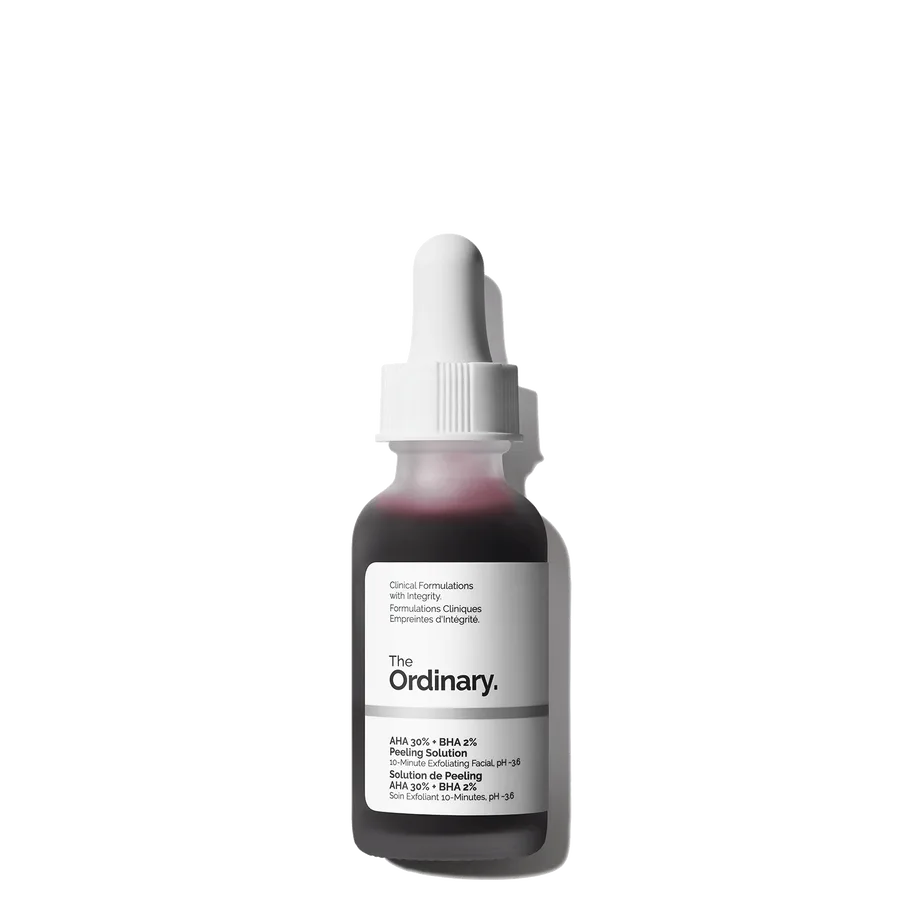
AHA 30% + BHA 2% Peeling Solution
Skincare's Viral Disruptor
 Verified reviewer
Pros & cons.
- +Unmatched value at $9.50 for professional-grade 30% AHA + 2% BHA exfoliation
- +Immediately visible brightening and texture improvement after a single use
- +Tasmanian pepperberry extract helps mitigate irritation from the high acid concentration
- +Fragrance-free, vegan, cruelty-free formula with full concentration transparency
- +One bottle lasts 6-8 months with weekly use, making annual cost under $20
- +Crosslinked sodium hyaluronate maintains hydration during the acidic peel process
- +Iconic blood-red color makes application visually satisfying and easy to track coverage
- −30% acid concentration can cause chemical burns if misused by inexperienced users
- −Predominantly glycolic formulation carries higher hyperpigmentation risk for darker skin tones
- −Minimal soothing complex compared to more expensive multi-acid peels
- −Intense stinging sensation is uncomfortable even for experienced acid users
- −Blood-red color can stain fabrics, towels, and temporarily discolor fingers
- −Restricted or banned in some markets due to regulatory concerns about consumer acid strength
The full review.
Every skincare enthusiast eventually encounters The Ordinary’s AHA 30% + BHA 2% Peeling Solution. You might see a TikTok video of a “blood mask,” a Reddit thread with impressive before-and-after photos for a ten-dollar product, or a friend handing you a glass bottle of red liquid and saying, “trust me.” Regardless of how you find it, the product has a massive cultural footprint. This raises one question: is it actually as good as the internet claims?
The short answer is yes, but with significant caveats.
Glycolic acid leads the formula as the first ingredient, making up the bulk of the 30% AHA total. Lactic, tartaric, and citric acid act as supporting AHAs at lower concentrations. This means the exfoliation is overwhelmingly glycolic-driven: deep, aggressive, and fast-acting. The 2% salicylic acid is oil-soluble and reaches into pores, treating both congestion and surface texture.
The pH is between 3.5 and 3.7, which keeps much of the glycolic acid in its free, active form. This is not a neutralized, gentle product using a high percentage for marketing. When The Ordinary says 30% AHA, the pH proves it. This is one of the most potent consumer acid products globally.
The skin experience matches the chemistry. Daucus Carota Sativa extract provides the blood-red color instead of synthetic dye, which helped its social media appeal. Tingling starts in seconds and quickly turns into an assertive warmth. Experienced acid users will find this familiar. Beginners who ignore the packaging warnings may find it alarming.
The critical point TikTok videos often miss: The Ordinary explicitly states this product is for experienced acid users only. This is not a suggestion. 30% AHA at pH 3.6 approaches professional-grade levels. Applying it without acid tolerance risks chemical burns, raw skin, and a compromised barrier that takes weeks to repair. The viral “blood mask” aesthetic has led people to use this before they are ready; one-star reviews documenting painful burns are a real consequence of that virality.
For those ready, the results are clear. After rinsing, skin looks brighter and smoother immediately—enough to explain the before-and-after photos. Regular use builds cumulative effects: pores appear smaller, blackheads decrease, hyperpigmented marks fade, and texture refines. These are standard chemical peel results, but The Ordinary offers them for the price of a sandwich.
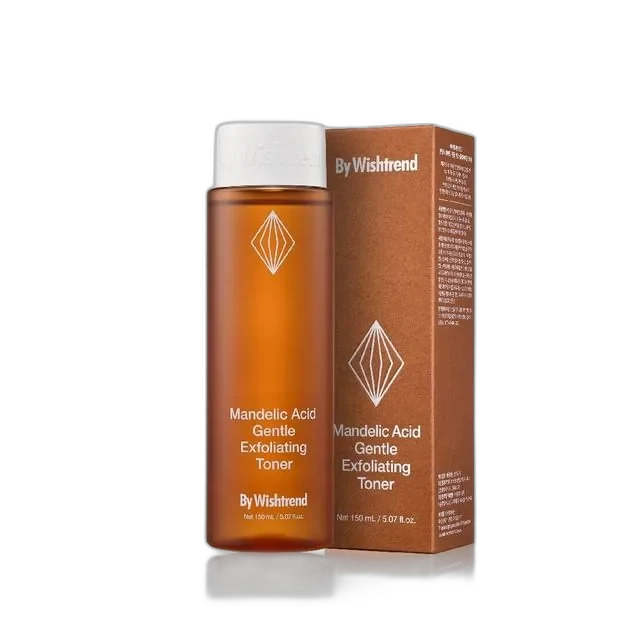
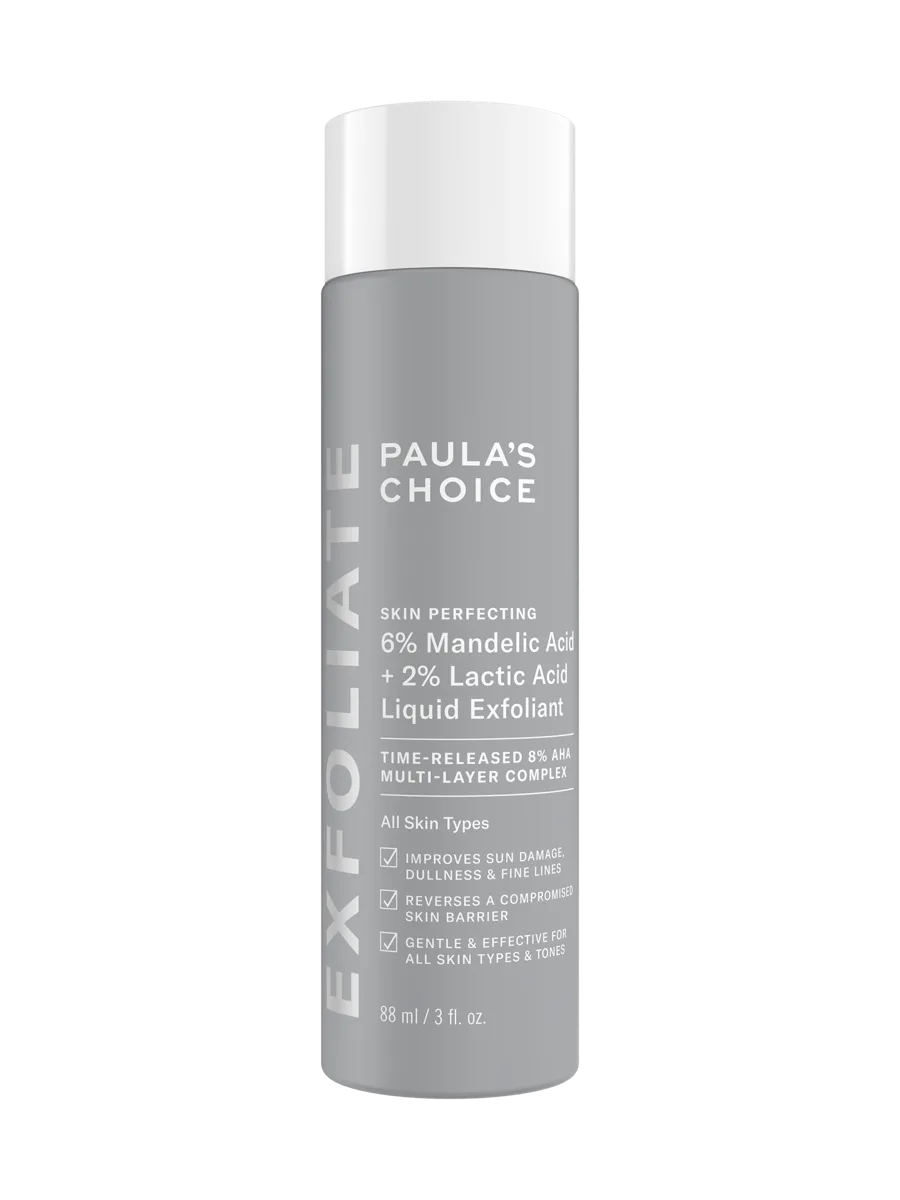
The formula has fewer soothing agents than expensive peels. Tasmanian pepperberry extract (Tasmannia Lanceolata), panthenol, and a crosslinked hyaluronate provide hydration and anti-irritant effects. This is an adequate but minimal soothing system for a 30% acid product. Paula’s Choice, for example, uses glycyrrhetinic acid, bisabolol, and allantoin in their lower-concentration peel for a more robust anti-inflammatory effect. The Ordinary’s approach is spartan: maximum acid potency, minimum cushion, and a minimum price.
Brandon Truaxe designed DECIEM to strip the beauty industry down to active ingredients and transparent prices. This peeling solution expresses that philosophy. There is no marketing-driven ingredient story, no elegant packaging, and no luxury buffer. There is glycolic acid, supporting acids, a few soothing agents, and a price tag that forced the industry to reconsider its margins. When this product went viral, it did more than sell millions of units—it shifted consumer expectations regarding the cost of effective skincare.
The value is nearly absurd. At $9.50 for 30ml used once weekly, one bottle lasts six to eight months. That is roughly $1.20 to $1.60 per treatment for professional-grade acid exfoliation. Nothing else on the market matches this cost-performance ratio. Even The Ordinary’s own product line lacks a more dramatic value play.
However, value does not erase limitations. This is a blunt-force product. The glycolic-heavy formulation penetrates aggressively and lacks the multi-acid nuance of sophisticated peels. For melanin-rich skin, the glycolic dominance increases the risk of post-inflammatory hyperpigmentation compared to mandelic acid alternatives. The minimal soothing complex means skin absorbs the full acid intensity without much pharmacological cushion. Finally, its popularity means people who should not use it are using it—a problem of success, not formulation.
For experienced acid users with normal, oily, or combination skin seeking maximum chemical exfoliation at minimum cost, this product is unbeatable. It does exactly what it claims at a concentration that delivers results, all for less than a movie ticket. Just ensure you have earned the right to use it before you unscrew the cap.
Formula
Ingredient analysis.
Full INCI list · pH 3.6
Glycolic Acid, Aqua (Water), Aloe Barbadensis Leaf Water, Sodium Hydroxide, Daucus Carota Sativa Extract, Propanediol, Cocamidopropyl Dimethylamine, Salicylic Acid, Lactic Acid, Tartaric Acid, Citric Acid, Panthenol, Sodium Hyaluronate Crosspolymer, Tasmannia Lanceolata Fruit/Leaf Extract, Glycerin, Pentylene Glycol, Xanthan Gum, Polysorbate 20, Trisodium Ethylenediamine Disuccinate, Potassium Sorbate, Sodium Benzoate, Ethylhexylglycerin, 1,2-Hexanediol, Caprylyl Glycol
Skin match.
The science.
The Science
Glycolic acid drives this product's efficacy. It is the most studied AHA in dermatology. A landmark review in the Journal of the American Academy of Dermatology (Kornhauser et al., 2010) shows how glycolic acid works: it breaks ionic bonds between corneocytes in the stratum corneum, speeds up desquamation, and increases glycosaminoglycan and collagen synthesis in the dermis with sustained use.
At pH 3.5-3.7 and a 30% total AHA concentration, much of the glycolic acid is in its unionized (free acid) form. This form penetrates the stratum corneum to exert biological activity. The Henderson-Hasselbalch equation predicts that at pH 3.6, about 44% of glycolic acid (pKa 3.83) is in its free acid form, which ensures potent but controlled activity.
The formula uses Tasmannia Lanceolata (Tasmanian pepperberry) extract as an anti-irritant. Research in the Journal of Cosmetic Dermatology shows this extract reduces erythema and irritation perception by modulating TRPV1 receptor activity—the same vanilloid receptor pathway capsaicin activates. By dampening this pain signaling, the extract makes the 30% acid product's intense tingling more tolerable without lowering exfoliating efficacy.
Salicylic acid at 2% works alongside the AHAs using a different mechanism. As a beta hydroxy acid, salicylic acid is lipophilic and enters the lipid-rich sebaceous follicle. Research in Clinical Therapeutics (Arif, 2015) proves salicylic acid works for comedolysis—dissolving the keratin plugs that cause blackheads and closed comedones. Combining surface exfoliation (AHAs) and follicular exfoliation (BHA) resurfaces both the skin surface and pore interiors.
Dermatologist Perspective
Dermatologists have mixed views on this product. Many note its exceptional value and efficacy, stating that 30% glycolic acid at pH 3.6 provides chemical exfoliation similar to lower-strength professional peels. However, board-certified dermatologists often warn that this concentration was historically for supervised clinical settings and carries risk if self-administered without proper education. Dermatologists usually suggest patients use lower-concentration AHA products (5-10%) for 3-6 months before trying a 30% peel. The consensus is that this effective product requires respect.
Where it fits in your routine.
Apply a thin, even layer to clean, dry skin at night. Avoid the eye area, lips, broken skin, and active irritation. Leave on for 10 minutes maximum; use it for 5 minutes during your first few applications. Rinse well with lukewarm water. Follow with a simple, hydrating moisturizer. Use no more than once per week at first. Do not use other acids, retinoids, or vitamin C on the same day. Apply broad-spectrum SPF 30+ every morning, because acid exfoliation increases photosensitivity for 48+ hours.
This is the best value for chemical exfoliation. At $9.50 for 30ml used once weekly, each treatment costs about $1.20-1.60, and one bottle lasts 6-8 months. Regular annual use costs under $20. For comparison, a single professional glycolic peel costs $100-300, while competing at-home peels cost $30-60 for similar volumes. The Ordinary's vertically integrated manufacturing (in-house production in Toronto) and low marketing overhead allow this price without lowering formulation quality. One caveat: the lower price means a simpler soothing complex, so sensitive skin types may find better value in pricier peels with more anti-inflammatory support.
Experienced acid users with oily, combination, or normal skin want maximum exfoliation for the lowest cost. It works for stubborn texture, blackheads, dullness, and post-inflammatory hyperpigmentation. Use this if you have used daily AHA products for 3-6 months and know your skin's acid tolerance.
Skincare beginners who have never used chemical exfoliants should skip this. Do not use this if you have sensitive, rosacea-prone, or eczema-affected skin, or a compromised skin barrier. Darker skin tones face a higher risk of post-inflammatory hyperpigmentation from the glycolic-dominant formula. Pregnant or breastfeeding individuals should avoid this because of the salicylic acid content.
Product details.
It has a moderate acidic, chemical smell. No added fragrance is used; the acids and botanical extracts create the scent. The high concentration makes it more noticeable than some acid products.
A glass dropper bottle includes a black screw cap and pipette. The glass protects formula stability, and the dropper controls dispensing. The dark red liquid shows through the glass, creating the product's iconic visual identity on social media.
The blood-red color is striking and defines this product's look. Tingling starts within seconds and feels intense—more aggressive than most consumer acid products. Skin feels warm and looks flushed. First-time users should use it for 5 minutes or less. The product warns it is only for experienced acid users.
6-8 months with once-weekly use
12 months
fall winter
The backstory.
When The Ordinary launched in 2016, this peeling solution became one of its most controversial and beloved products. It was temporarily banned in some markets (including Canada) due to regulatory concerns about selling high-concentration acids direct to consumers. The product's viral fame on TikTok and Reddit transformed it from a niche enthusiast favorite into a genuine cultural phenomenon — the blood-red 'face mask' selfie became a beauty ritual for an entire generation of skincare newcomers.
About The Ordinary
Established Brand (5–20 years)The Ordinary launched in 2016 under DECIEM, founded by Brandon Truaxe. The brand changed the industry by offering clinical-grade formulations at transparent prices. Estée Lauder Companies acquired DECIEM. The Ordinary's formulations are made in-house in Toronto and disclose all ingredient concentrations and transparency.
FAQ.
Is The Ordinary AHA 30% + BHA 2% Peeling Solution safe for beginners?
The Ordinary states this product is only for experienced acid exfoliation users. A 30% AHA concentration is aggressive and much higher than most consumer acid products. If you have never used chemical exfoliants, use The Ordinary's Glycolic Acid 7% Toning Solution or a gentle daily AHA before this peel. Beginners who use this without building acid tolerance risk chemical burns, irritation, and damaged skin barriers.
How long should I leave The Ordinary Peeling Solution on?
Use it for a maximum of 10 minutes, as stated on the packaging. New users should start with 5 minutes or less and increase time only if tolerated well. Leaving it on longer than 10 minutes does not improve results; it increases the risk of chemical burns and irritation. Set a timer. If you feel burning (not just tingling) at any point, rinse immediately regardless of how much time has passed.
Why was this product banned in some countries?
Some markets restricted the product (notably Canada for a period) because certain regulatory bodies limit acid concentrations in consumer skincare products. A 30% AHA concentration nears professional-grade peel levels, so some regulators require professional supervision. The Ordinary adjusts availability by market to follow local regulations.
Can I use this if I have dark skin?
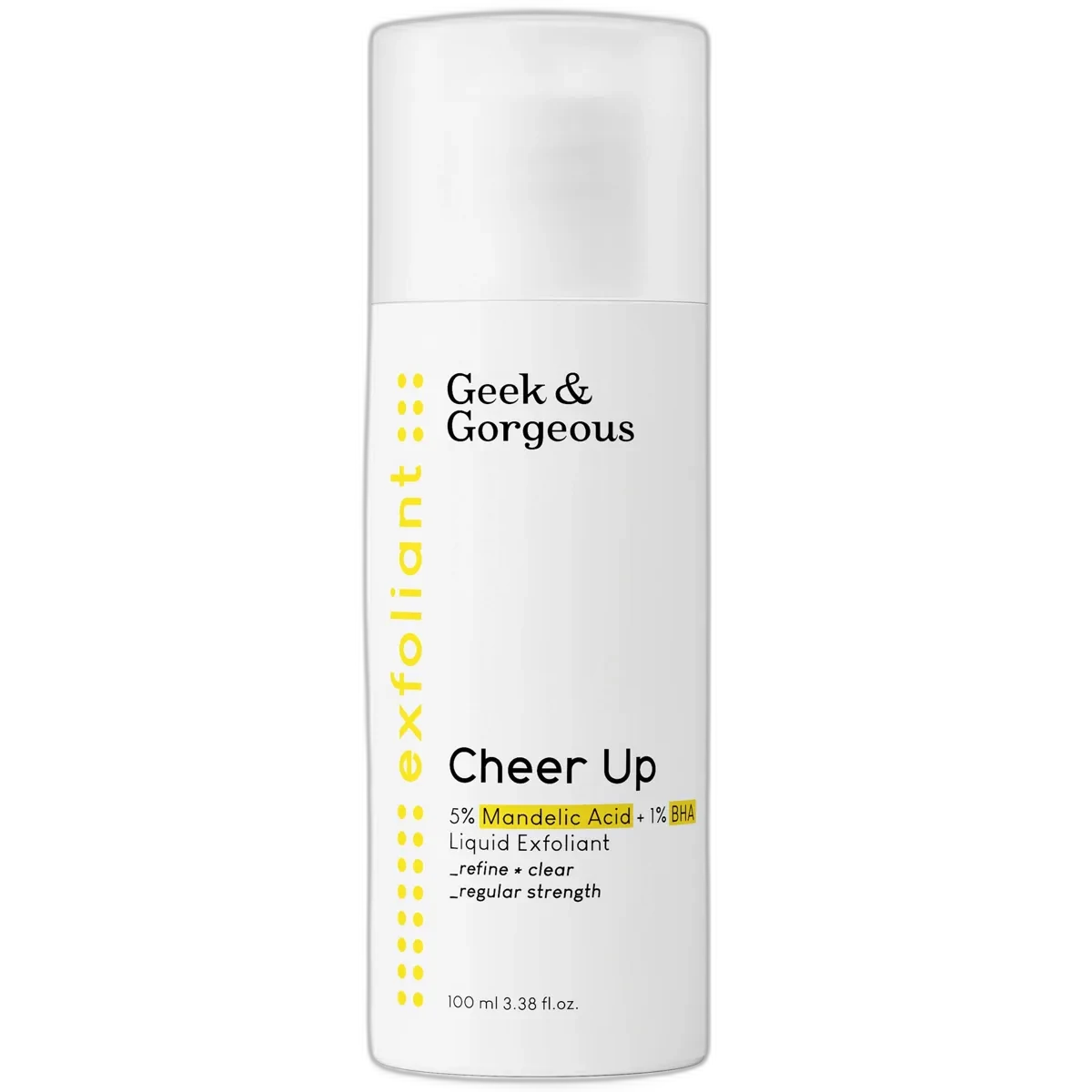
High-concentration glycolic acid peels increase post-inflammatory hyperpigmentation risks for melanin-rich skin. The Ordinary uses Tasmanian pepperberry extract to lower irritation, but the glycolic-heavy formula penetrates fast. Users with darker skin tones can start with 3-5 minute application times, use it once weekly maximum, and watch for darkening or irritation. Mandelic acid-based peels offer a safer first choice.
Is this as good as a professional chemical peel?
It has professional-grade concentrations but lacks the controlled application, neutralization protocols, and professional monitoring of in-office peels. This product delivers excellent results for routine maintenance exfoliation at a fraction of the cost. For deeper concerns like significant scarring or melasma, professional peels with higher concentrations and dermatologist supervision remain the standard of care.
Community
What the community says.
"Incredibly effective for the price — less than $10 delivers professional-level results"
"Visible glow and smoother skin immediately after rinsing"
"The blood-red color makes application fun and visually dramatic"
"Dramatically reduces texture and clogged pores over time"
"Affordable enough to recommend to everyone"
"Intense stinging and burning sensation, especially for beginners"
"Can cause chemical burns if left on too long or used too frequently"
"The 30% concentration is overkill for some skin types"
"Not suitable for sensitive or reactive skin at all"
"Blood-red color can temporarily stain fingers, towels, and fabric"
People also looked at.