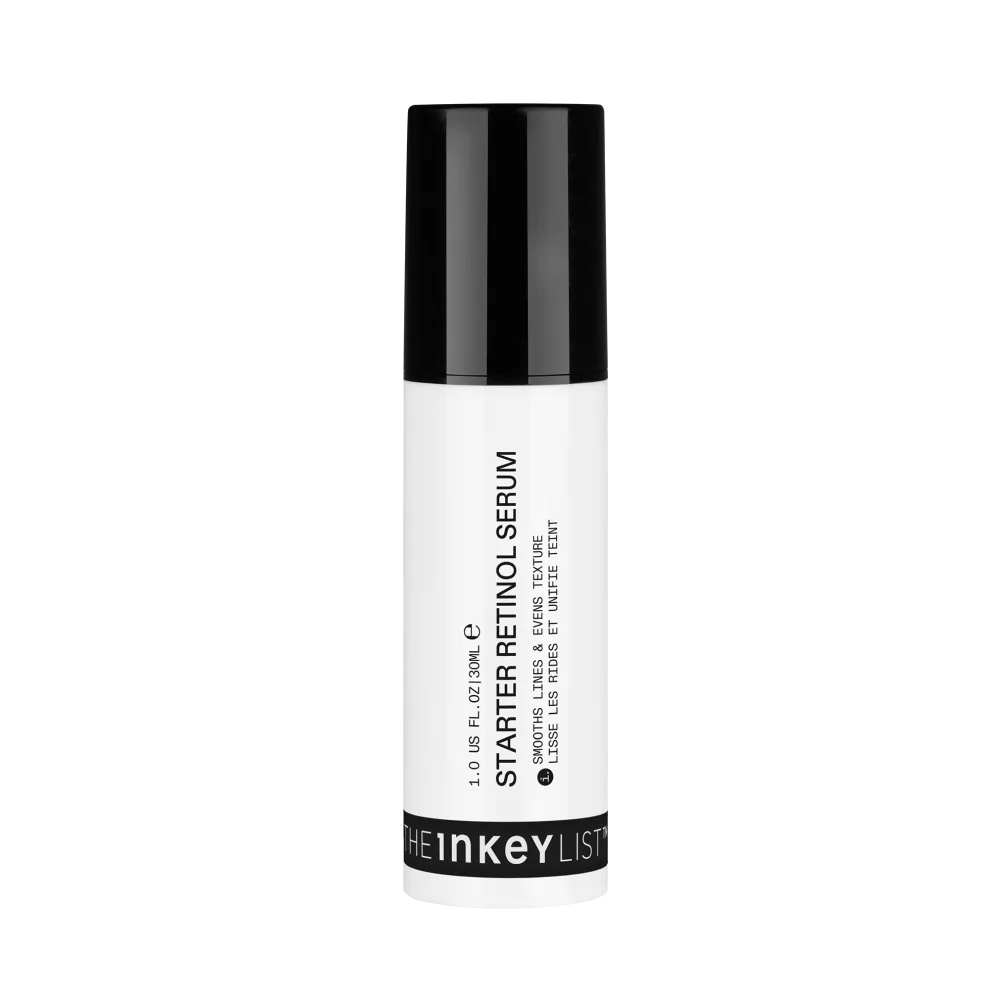
Retinol Anti-Aging Serum
Beginner Retinol Gateway
 Verified reviewer
Pros & cons.
- +Dual-retinoid formula (retinol + HPR) attacks anti-aging through two separate pathways for under 0
- +Extremely gentle 0.05% concentration allows most users to tolerate nightly use from the start
- +Matrixyl 3000 peptides add a collagen-stimulating mechanism beyond what retinol alone provides
- +Silicone-smoothed texture creates an immediate blurred-pore, primer-like finish on skin
- +Squalane and hyaluronic acid buffer potential retinoid dryness without adding heaviness
- +Fragrance-free with Leaping Bunny cruelty-free certification and Clean at Sephora designation
- +Approachable price point removes the financial barrier to trying retinol for the first time
- −The 0.05% retinol concentration falls below what most clinical studies use to demonstrate anti-aging efficacy
- −Marketing "1% RetiStar" label can mislead consumers about the actual retinol potency
- −Sodium ascorbate in the same formula may compromise retinol stability over time
- −Non-airless tube packaging provides inadequate protection for light-sensitive retinol
- −Too gentle for experienced retinol users seeking visible wrinkle reduction or advanced anti-aging results
The full review.
The skincare industry hides a truth about retinol: label numbers rarely reflect the actual contents. The INKEY List Retinol Anti-Aging Serum lists “1% RetiStar” on the packaging. However, RetiStar is a stabilized retinol complex where the actual retinol content is about 5% of the total. This means 1% of 5% equals roughly 0.05% retinol. This is a fact, not a criticism, and The INKEY List is more transparent about this than many brands.
At 0.05%, this is a gentle retinol. Most clinical studies on retinol efficacy use 0.1% or higher, placing this product below the threshold where most research shows visible wrinkle reduction. It does not mean it does nothing. It trades speed and intensity for accessibility, which is the right trade for the right user.
The formula is smarter than a single-ingredient retinol drop. Alongside the stabilized retinol, it contains 0.05% hydroxypinacolone retinoate, also known as Granactive Retinoid or HPR. This next-generation retinoid binds directly to retinoid receptors in skin cells without the multi-step enzymatic conversion retinol needs. Research by Kwon et al. in the Journal of the American Academy of Dermatology showed HPR stimulates procollagen production similar to retinoic acid without the inflammatory cascade that causes redness and peeling. Using both retinol and HPR is a clever approach: HPR delivers immediate retinoid receptor activity while the slow-release retinol builds long-term tolerance and cumulative benefit.
Matrixyl 3000 is also included, a peptide complex of palmitoyl tripeptide-1 and palmitoyl tetrapeptide-7 that targets collagen synthesis through a different pathway than retinoids. Clinical data from the peptide’s manufacturer showed a 45% reduction in deep wrinkle area after two months of use. The INKEY List does not disclose specific peptide concentrations, so it is uncertain if this formula replicates those results, but the inclusion adds a layer of anti-aging activity most budget retinol serums lack.
Texture
The texture wins people over. It has a medium-weight, gel-like consistency with silicone slip from the dimethicone. It glides across the skin and dries to a smooth, primer-like finish. Pores look blurred, skin looks smoother, and the satin finish sits under moisturizer without pilling. For a sub-0 product, the sensory experience is polished.
Scent
Squalane and hyaluronic acid provide lightweight moisture to counteract the potential drying effects of the retinoid actives. Even users with sensitive or reactive skin report minimal irritation; many use this nightly from day one without the redness, peeling, or tightness that usually follows retinol initiation. The concentration is low enough to avoid the retinoid “purge” that scares beginners away.
Best for
The limitation is potency. If you use retinol at 0.25% or higher and want to level up your anti-aging routine, this product will feel like the shallow end. It is not for deep wrinkle correction, significant photodamage repair, or stubborn hyperpigmentation. Those concerns require higher concentrations, and The INKEY List offers a SuperSolutions 1% Retinol for that purpose.
Conflicts With
The presence of sodium ascorbate (a vitamin C derivative) alongside retinol raises stability questions. Vitamin C and retinol can destabilize each other in the same formula, potentially reducing the efficacy of both. The non-airless tube packaging adds to this concern, as retinol is sensitive to air and light. Store this product in a cool, dark place.
Price
At .99 for 30 ml, the price-to-ingredient ratio is remarkable. You get two retinoid types, a proven peptide complex, squalane, hyaluronic acid, and vitamin E. Many brands charge three to four times more for this formula. The INKEY List’s accessible pricing does not mean cheap formulation.
Who Should Buy
This is an ideal first product for retinol beginners. It introduces retinoid activity gently, provides visible brightness and texture improvement within weeks, and costs very little. For experienced retinol users, it is too gentle. Know your needs, and this product will either delight or disappoint.
Ingredient analysis.
Full INCI list
Water (Aqua/Eau), Glycerin, Butylene Glycol, Propanediol, Dicaprylyl Carbonate, Dimethicone, Hydroxyethyl Acrylate/Sodium Acryloyldimethyl Taurate Copolymer, Caprylyl Glycol, Phospholipids, Caprylic/Capric Glycerides, Squalane, Dimethyl Isosorbide, Glycine Soja (Soybean) Extract, Carbomer, Sodium Ascorbate, Tocopherol, Polysorbate 60, Tocopheryl Acetate, Glycolipids, Sodium Hydroxide, Disodium EDTA, Hydroxypinacolone Retinoate, Retinol, Glycine Soja (Soybean) Sterols, Leuconostoc/Radish Root Ferment Filtrate, PEG-40 Hydrogenated Castor Oil, Hyaluronic Acid, Polysorbate 20, Palmitoyl Tetrapeptide-7, Palmitoyl Tripeptide-1, Phenoxyethanol
Skin match.
The science.
The Science
This formula uses a dual-retinoid approach. The stabilized retinol (approximately 0.05% via RetiStar) follows the traditional retinoid pathway: skin enzymes convert retinol to retinaldehyde, then to retinoic acid. This acid binds to nuclear retinoid receptors and upregulates genes for collagen production, cell turnover, and pigmentation regulation. Kafi et al. showed in Archives of Dermatology (2007) that a 0.1% retinol concentration improved fine wrinkles and mottled pigmentation in an 8-week controlled study. At 0.05%, this product is below that studied threshold, so results will be more gradual and subtle.
The second retinoid, hydroxypinacolone retinoate (HPR), uses a different mechanism. Unlike retinol, HPR binds directly to retinoid receptors without enzymatic conversion, providing retinoid activity immediately. Kwon et al. reported in the Journal of the American Academy of Dermatology (2018) that HPR increased procollagen production at levels comparable to all-trans retinoic acid while producing significantly less inflammatory response. More recently, El-Dars et al. (2025) showed that topical HPR-peptide serums improved wrinkles, fine lines, texture, and hyperpigmentation over 16 weeks.
The Matrixyl 3000 complex (palmitoyl tripeptide-1 and palmitoyl tetrapeptide-7) is a third anti-aging mechanism. These signaling peptides mimic collagen fragments, triggering the skin's wound-healing response and stimulating new collagen synthesis through growth factor pathways instead of retinoid receptors. Manufacturer-sponsored studies reported a 45% reduction in deep wrinkle area after two months, though independent verification of these results at unknown concentrations is limited.
The theoretical synergy works well: HPR provides immediate retinoid receptor activation, retinol builds cumulative benefit through gradual conversion, and peptides stimulate collagen through a separate signaling cascade. Whether the concentrations in this specific formula deliver on all three fronts is unknown, but the multi-pathway design is more sophisticated than most products at this price point.
References
- Improvement of naturally aged skin with vitamin A (retinol) — Archives of Dermatology (2007)
- Hydroxypinacolone retinoate increases procollagen production comparable to retinoic acid without inducing inflammation — Journal of the American Academy of Dermatology (2018)
- Topical HPR-peptide serum vs fractional CO2 laser for skin rejuvenation — PMC / PubMed (2025)
- Daily topical stabilized retinol treatment improves photodamaged skin — Journal of Drugs in Dermatology (2015)
Dermatologist Perspective
Dermatologists often recommend starting retinol at the lowest effective concentration to build tolerance. Board-certified dermatologists note that this product's 0.05% retinol and HPR offer a reasonable introduction to retinoid therapy, especially for patients with sensitive or reactive skin who avoid retinol due to irritation. The addition of squalane and hyaluronic acid follows dermatological guidance to pair retinoids with barrier-supportive ingredients. Dermatologists advise that at this concentration, results will be gradual and modest compared to prescription-strength retinoids.
Where it fits in your routine.
Apply 2-3 drops to clean, dry skin at night. Use every other night for the first two weeks to test tolerance, then use nightly if no irritation occurs. Follow immediately with a moisturizer to seal in hydration and buffer the retinoids. Do not mix with AHA/BHA exfoliants or benzoyl peroxide in the same routine. Apply broad-spectrum SPF 30 or higher the next morning because retinoids increase photosensitivity. Store in a cool, dark place to maximize stability.
At .99 for 30 ml, this is one of the cheapest retinol serums from a mainstream retailer. The formula contains retinol, HPR, Matrixyl 3000 peptides, squalane, and hyaluronic acid—ingredients many brands charge 0-50 to provide. The value is high, especially as a trial product for retinol-curious beginners testing skin tolerance before investing more. Experienced users may outgrow this quickly and require a stronger product.
First-time retinol users seeking the gentlest vitamin A derivatives. This works for people in their mid-20s to early 30s starting preventive anti-aging, and for sensitive skin types who avoid retinol because of irritation.
Retinol users with tolerance to 0.25% or higher concentrations will find this too gentle for meaningful results. Those seeking aggressive wrinkle correction or significant photodamage repair need higher-concentration retinol or prescription retinoids. Pregnant or breastfeeding individuals should avoid this product.
Product details.
Medium-weight gel-serum with dimethicone base provides noticeable silicone slip. It spreads easily and absorbs to a smooth, slightly blurring finish.
Fragrance-free with no noticeable odor.
Minimalist black-and-white branded plastic squeeze tube. The 100% recyclable packaging is not an airless pump, which affects retinol stability. Store in a cool, dark place.
The serum spreads easily with a silky slip and leaves skin feeling smooth, similar to a lightweight primer. At this concentration, most users see no irritation, redness, or peeling on first application. Reactive skin may feel a very gentle tingling. Expect visible brightness improvement within 2-3 weeks.
3-4 months with nightly use on face
6 months
All Year
The backstory.
The INKEY List launched this as one of their earliest products, recognizing that retinol intimidates most skincare beginners with its reputation for causing redness and peeling. By formulating at a genuinely gentle concentration and cushioning it with squalane and peptides, they created an on-ramp to retinoid use that prioritizes comfort over aggressive potency — a philosophy that resonated with the brand's transparency-first audience.
About The INKEY List
Emerging Brand (2–5 years)The INKEY List launched in the UK in 2018 with a transparency-first philosophy. Sephora and Ulta stock the brand widely. Dermatologists recommend it as a budget-friendly option, but the brand does not conduct proprietary clinical trials on its specific formulations.
Common myths.
1% retinol products are all the same strength.
The "1%" in this product describes the RetiStar complex, not pure retinol. The actual retinol concentration is about 0.05% — much lower than products marketed as "1% retinol" (which contain 1% pure retinol). Check if the percentage refers to the active ingredient or the delivery system.
Retinol causes redness and peeling when you start use.
At 0.05% retinol concentration, most users see no visible irritation. The slow-release delivery and squalane cushioning minimize sensitivity. Retinol side effects depend on dose; lower concentrations provide benefits without an adjustment period.
FAQ.
How much retinol is actually in The INKEY List Retinol Anti-Aging Serum?
The formula uses 1% RetiStar (a stabilized retinol complex) to deliver about 0.05% pure retinol. It also includes 0.05% hydroxypinacolone retinoate (HPR), a next-generation retinoid. These ingredients provide gentle, effective retinoid activity for beginners.
Can I use this retinol serum every night?
The 0.05% retinol concentration is low enough that most users tolerate nightly use immediately. Dermatologists recommend using it every other night for the first two weeks to check skin response, then moving to nightly use. Always follow with moisturizer and use SPF the next morning.
Is this strong enough to reduce wrinkles?
At 0.05% retinol, this serum prevents and mildly corrects rather than reverses deep wrinkles. Consistent use for 3-6 months improves fine lines, texture, and brightness. Users with deep wrinkles or significant photodamage may need a higher-concentration retinol product.
Can I use vitamin C with this retinol serum?
Yes, but use them in different steps. The formula has a small amount of sodium ascorbate (vitamin C). For meaningful vitamin C benefits, use a dedicated vitamin C serum in the morning and this retinol at night. This prevents stability issues from combining them.
Is this safe to use while pregnant or breastfeeding?
No — this product contains retinol and hydroxypinacolone retinoate. Both retinoid ingredients are unsafe during pregnancy and breastfeeding. Ask your healthcare provider for pregnancy-safe alternatives like bakuchiol or azelaic acid.
What is the difference between The INKEY List Retinol Serum and SuperSolutions 1% Retinol?
This serum has about 0.05% retinol (via 1% RetiStar complex) and 0.05% HPR for beginners. The SuperSolutions 1% Retinol has much more pure retinol and targets experienced retinol users with built tolerance.
Why does this serum feel like a primer on my skin?
The formula contains dimethicone, a silicone that creates a smooth, blurring finish. This design helps the retinol spread evenly and feels like a primer. It also layers well under moisturizer.
What the community says.
"Extremely affordable entry point into retinol at under 0"
"Very gentle with minimal irritation — suitable for sensitive skin and retinol beginners"
"Visible brightness and texture improvement within weeks of consistent use"
"Creates a blurred-pore, smoothed appearance from the silicone base"
"Fragrance-free and layers well under moisturizer without pilling"
"Dual retinoid approach (retinol + HPR) provides multiple pathways to results"
"Actual retinol concentration (0.05%) is too low for experienced users or significant wrinkle reduction"
"Marketing of "1% RetiStar" can be misleading about true retinol potency"
"Results are slow and subtle — not transformative for deep wrinkles or severe photodamage"
"Non-airless tube packaging raises stability concerns for the retinol"
"Potential stability issues with sodium ascorbate and retinol in the same formula"
Featured in.
People also looked at.