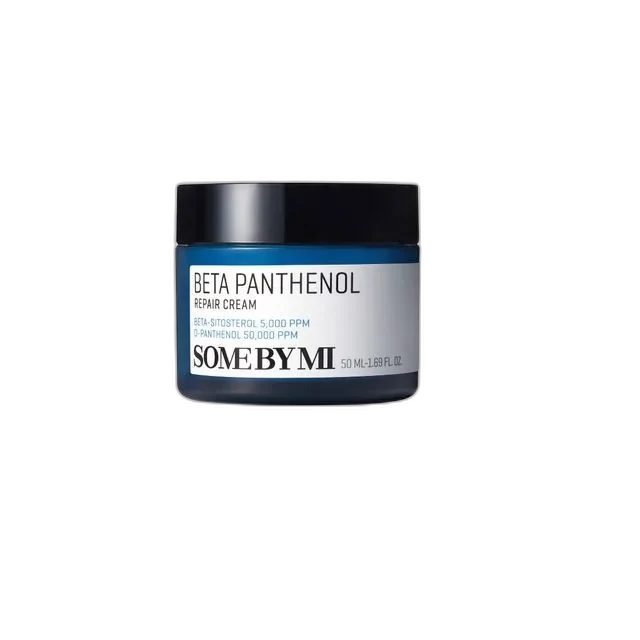
Beta Panthenol Repair Cream
5% Panthenol Barrier Rescue
 Verified reviewer
Pros & cons.
- +5% panthenol disclosed on the label — genuinely high concentration
- +Beta-sitosterol adds a complementary phytosterol mechanism
- +Fragrance-free and essential-oil-free formula
- +Lightweight melt-in texture that layers under SPF and makeup
- +Probiotic ferment trio supports reactive and compromised skin
- +Ingredient transparency is unusual for K-beauty at this price
- +Strong review validation across YesStyle, Ulta, and Soko Glam
- −Small 50 ml jar for the price point
- −May be too light as a standalone for very dry winter skin
- −Peptide list is long but mostly marketing — concentrations are low
- −Jar packaging raises stability concerns for the peptides and ferments
- −No ceramides — not a fit for users specifically seeking that mechanism
The full review.
Ingredient transparency is rare in this category. Most barrier creams — Korean and Western alike — list actives without concentrations. This leaves shoppers guessing if the niacinamide at position twelve provides real results or just marketing. Some By Mi uses a different approach with the Beta Panthenol Repair Cream. The second ingredient on the INCI, right after water, is panthenol at 50,000 ppm — 5%, a high cosmetic concentration. Just below it, beta-sitosterol is listed at 0.5%. These are the two hero actives the brand built the product around, and you see exactly what you get. That alone is worth noting.
Panthenol is an underrated barrier ingredient. It has decades of study in cosmetic and medical dermatology. It is the active in Bepanthen, the European OTC cream parents use on irritated infant skin and European derms recommend for post-procedure recovery. Mechanistically, panthenol converts in skin to pantothenic acid, which supports membrane phospholipid synthesis and has documented anti-inflammatory effects. At 5%, these effects are clinically measurable rather than theoretical. Most barrier creams at this price point include panthenol at much lower percentages, often under 1%. This one does not, and the difference in how the product feels on irritated skin reflects that.
Beta-sitosterol is the less familiar component. It is a plant-derived phytosterol — the plant equivalent of cholesterol — with an anti-inflammatory profile that supports the skin’s endogenous sterol content. The brand calls the combination the ‘Beta-Panthenol complex.’ While that is marketing language, the logic is sound: you pair a well-studied pro-vitamin B5 with a plant sterol that targets a different part of the barrier. It does not use the ceramides-and-fatty-acids framework most Western barrier brands use. This is useful for users who do not respond well to ceramide-based creams.
The supporting ingredients are thoughtful. Squalane and sunflower seed oil provide lightweight lipid replenishment without heavy occlusion. Shea butter is low in the deck for emollient afterfeel. Glycerin, betaine, and propanediol act as humectants. The probiotic ferment trio — Bifida, Lactobacillus, Lactococcus — adds a layer that multiple studies link to skin barrier support and soothing in reactive skin. Dipotassium glycyrrhizate (licorice-derived) adds anti-inflammatory activity. None are revolutionary alone, but together they create a formula that layers soothing, humectant, and lipid support for reactive skin. The formula is fragrance-free and essential-oil-free, the baseline for any product for compromised skin.
### TextureThis handles texture better than many K-beauty barrier creams. It is lightweight-to-medium, melts on contact, and sinks in within a minute without the sticky residue found in heavier barrier formulas. It layers under sunscreen and makeup without pilling. For normal-to-dry skin, it works as a standalone moisturizer. For very dry or winter-stressed skin, layer it over a hydrating serum and possibly a heavier occlusive overnight — this product is not built for maximum occlusion.
### The honest partsThe 50 ml jar is small for the price — $16-$19 through most retailers, while Soko Glam sells it closer to the $27 MSRP. This is standard for K-beauty but not budget-friendly; daily twice-a-day use will empty the jar in 2-3 months. The peptide list is the other honest point. Twelve peptides appear below the preservatives — copper tripeptide-1, acetyl hexapeptide-8, palmitoyl tripeptide-5, nonapeptide-1, and more — but their position on the INCI shows they are at very low concentrations. They might contribute minor signaling effects, but do not buy this cream for the peptides. Buy it for the 5% panthenol. Everything else, including the peptides and the peptide-oriented marketing on the box, is a bonus.
### Jar packagingPeptides and ferments are not stable; air exposure in a jar over months will degrade them faster than an airless pump. For a cream built around the more stable panthenol, this is not a major issue, but the packaging limits the practical contribution of the peptides.
The verdict: this is one of the better K-beauty barrier creams at this price point. It is useful for sensitive, reactive, or compromised skin and is unusually honest about active concentrations. It is not the most hydrating option for severely dry skin, it is not the best peptide cream despite the list, and it is not the cheapest barrier cream. It is a well-built, fragrance-free, panthenol-forward rescue cream that does what the label says. In a category where transparency is rare, that counts.
Ingredient analysis.
Full INCI list
Water(Aqua), Panthenol(50,000 Ppm), Dipropylene Glycol, Propanediol, Methylpropanediol, Betaine, Octyldodecanol, 1,2-Hexanediol, Candida Bombicola/Glucose/Methyl Rapeseedate Ferment, Palmitic Acid, Hydroxyethyl Acrylate/Sodium Acryloyldimethyl Taurate Copolymer, Glycerin, Stearic Acid, Beta-Sitosterol(0.5 %), Squalane, Vinyl Dimethicone, Ammonium Acryloyldimethyltaurate/VP Copolymer, Jojoba Esters, Glyceryl Stearate, Stearyl Alcohol, Cetyl Alcohol, Polymethylsilsesquioxane, Phytosterols, Helianthus Annuus (Sunflower) Seed Wax, Sodium Stearoyl Glutamate, Ethylhexylglycerin, Helianthus Annuus (Sunflower) Seed Oil, Hydroxyethylcellulose, Xanthan Gum, Dipotassium Glycyrrhizate, Hydrogenated Lecithin, Sorbitan Isostearate, Sorbitan Olivate, Adenosine, Cetearyl Olivate, Citric Acid, Musa Sapientum (Banana) Fruit Extract, Rosa Damascena Flower Water, Sodium Phytate, Pyrus Communis (Pear) Fruit Extract, Biosaccharide Gum-1, Prunus Domestica Fruit Extract, Cucumis Melo (Melon) Fruit Extract, Carthamus Tinctorius (Safflower) Seed Oil, Butyrospermum Parkii (Shea) Butter, Polyglycerin-3, Butylene Glycol, Hedera Helix (Ivy) Leaf/Stem Extract, Disodium Phosphate, Sodium Phosphate, Tocopherol, Lactococcus Ferment Lysate, Bifida Ferment Lysate, Acetyl Hexapeptide-8, Lactobacillus Ferment Lysate, Copper Tripeptide-1, Palmitoyl Tripeptide-5, Palmitoyl Tripeptide-1, Palmitoyl Pentapeptide-4, Nonapeptide-1, Carnosine, Acetyl Tetrapeptide-9, Acetyl Tetrapeptide-5, Acetyl Tetrapeptide-2, Acetyl Octapeptide-3, Acetyl Tetrapeptide-3
Skin match.
The science.
The Science
The science behind panthenol is strong. D-panthenol, the cosmetic form of provitamin B5, has over 50 years of research regarding skin barrier function, wound healing, and irritation. The mechanism is clear: panthenol converts to pantothenic acid in the skin, which is an essential component of coenzyme A and required for membrane lipid synthesis. Multiple studies show topical application accelerates barrier recovery after sodium lauryl sulfate damage, reduces transepidermal water loss, and calms irritated skin. Clinical concentrations in OTC products like Bepanthen typically range from 2.5% to 5%; Some By Mi's 5% concentration sits at the upper end of the cosmetic range. This is a real concentration of a real active ingredient.
Beta-sitosterol is the complementary component. This plant-derived sterol has research supporting its anti-inflammatory and barrier-supporting effects in topical applications. Plant sterols integrate into the stratum corneum lipid matrix and support barrier structural integrity similarly to cholesterol. At 0.5%, beta-sitosterol is at a meaningful concentration for cosmetic use, even if published data on this specific ingredient in this exact context is thinner than for panthenol. The Bifida, Lactobacillus, and Lactococcus ferment lysates also have supporting research. Studies show topical Bifida ferment lysate can reduce skin sensitivity and support barrier recovery in reactive skin, though effect sizes vary.
The layered humectant-and-lipid system — glycerin, betaine, propanediol, squalane, sunflower oil, shea butter — uses conventional cosmetic chemistry. These ingredients are not novel, but the balance works for barrier repair, providing moderate occlusion and sustained humectant action without the heaviness that prevents layering. The peptides at the bottom of the deck likely do little work at their listed positions. Readers should value the product for the panthenol and the emollient layer rather than the peptide marketing.
Dermatologist Perspective
Dermatologists view 5% panthenol as a well-established, clinically validated active for barrier repair and irritation relief. Board-certified dermatologists frequently recommend panthenol-based creams for patients recovering from exfoliant use, laser procedures, retinoid irritation, or acute flare-ups. Bepanthen, the European OTC panthenol cream, is a clinical workhorse across much of Europe and is regularly recommended in dermatology settings. This formula fits the role for patients seeking a K-beauty equivalent with similar panthenol content and a lighter texture. Dermatologists tend to recommend fragrance-free, essential-oil-free barrier creams like this one for sensitive and reactive skin. The transparent 5% panthenol disclosure makes it easier to recommend than products with unknown concentrations. The main dermatologist caveat is the peptide marketing; clinical data on peptides in topical cosmetic products remains limited, so patients should not choose this cream expecting measurable peptide benefits. For panthenol-driven barrier rescue, this is one of the more legitimate options in the K-beauty category.
Where it fits in your routine.
Apply a pea-sized amount to clean, toned skin every morning and night. Pat and press it into the face, neck, and décolleté. The lightweight texture absorbs in 30 seconds to a minute without residue. Use sunscreen in the morning. In the evening, use it as the final moisturizing step or layer a heavier occlusive on top for very dry skin. Use it as a rescue cream after exfoliating treatments, retinoid irritation, or post-procedure skin (following your dermatologist's specific instructions). Keep the inner lid seal intact to protect the peptides and ferments from air exposure.
This cream costs $16-$19 at most retailers (YesStyle, Amazon, Ulta on sale), placing it in mid-tier K-beauty pricing. The $27 MSRP at Soko Glam is higher. With 5% panthenol, 0.5% beta-sitosterol, and a well-built supporting layer, the value is honest—you pay for ingredients, not vapor or luxury premiums. The 50 ml jar limits the value math. Daily twice-a-day face use lasts 2-3 months, making the monthly cost similar to a CeraVe moisturizer at the drugstore, though CeraVe uses a different mechanism. For users seeking a high-panthenol barrier cream with lightweight texture, this is one of the few fairly priced options on the market.
People with sensitive, reactive, or compromised skin barriers seeking a lightweight K-beauty rescue cream. Users who failed to respond to ceramide-based barrier creams and want a panthenol-forward alternative. Anyone recovering from exfoliant irritation, retinoid use, or post-procedure skin. Fans of fragrance-free formulations with disclosed active concentrations.
People with very dry or winter-stressed skin who want a heavier occlusive moisturizer. Shoppers buying for peptide benefits — the concentrations here do not support that use case. Users wanting a larger size for body application. Anyone who prefers ceramide-based barrier repair mechanisms.
Product details.
Lightweight-to-medium creamy texture that melts into skin without stickiness
Fragrance-free — very faint natural note from rose water
Small jar with inner lid seal
The lightweight texture spreads thin and sinks in within a minute, providing immediate cooling comfort and a soft, non-tacky finish. Users with irritated or reactive skin often see less stinging and redness after the first few applications. This effect is why the product has a barrier-repair reputation.
Roughly 2-3 months with daily twice-daily use on face from the 50 ml jar
12 months
All Year
The backstory.
Some By Mi launched in South Korea in 2016 and first got international attention through its AHA-BHA-PHA 30 Days Miracle line. The Beta Panthenol Repair Cream, released around 2023, represents the brand's move toward gentler barrier-focused formulations as the K-beauty conversation shifted away from aggressive exfoliation and toward sensitive-skin rescue products. The '5%' panthenol marketing hook is deliberately aggressive — most competing creams don't disclose concentrations, and 5% is a genuinely high dose.
About Some By Mi
Established Brand (5–20 years)Some By Mi launched in 2016 as a Korean indie brand. It has a large international following based on its AHA-BHA-PHA 30 Days Miracle range and recent barrier-focused launches. The brand uses well-studied actives at transparent percentages and uses more peer-reviewed ingredient strategies in its 2023 lineup.
FAQ.
How much panthenol is in this cream?
5% — the INCI lists 50,000 ppm in the second position, right after water. This concentration is high for a cosmetic moisturizer and much higher than the panthenol content in most competing barrier creams, which typically do not disclose percentages.
Is it good for sensitive skin?
Yes — this is a top K-beauty barrier cream for sensitive and reactive skin. It is fragrance-free, essential-oil-free, and alcohol-free (non-denatured), using well-tolerated actives. Users with compromised barriers report calming effects within the first few uses.
Can I use it after exfoliating or post-procedure?
Yes, and it's one of the cream's best use cases. The high panthenol content calms irritated skin fast, and the squalane and beta-sitosterol support barrier recovery after exfoliant use, laser treatments, or microneedling. Always follow your dermatologist's specific post-procedure instructions first.
Is it hydrating enough for very dry skin?
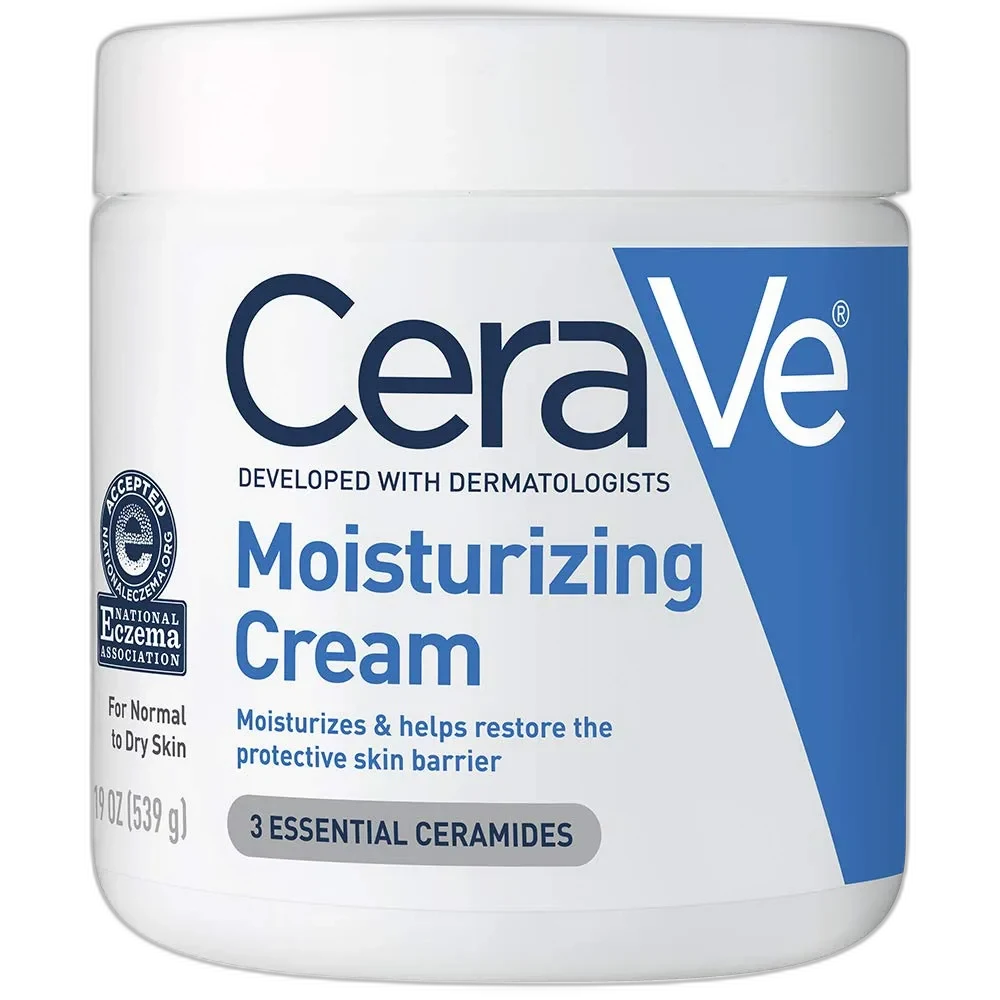
Hydration is moderate. The CeraVe Moisturizing Cream hydrates normal-to-dry skin enough to use alone. Very dry or winter-stressed skin needs a hydrating serum and a heavier occlusive like Aquaphor overnight — this formula prioritizes lightness over heavy occlusion.
Does it have ceramides?
No — the formula lacks ceramides. Instead, it uses 5% panthenol and 0.5% beta-sitosterol to repair the barrier, plus squalane, shea butter, and phytosterols. This uses a different route to reach the same goal and works well for users who do not respond to ceramide-based creams.
Is it safe during pregnancy?
The formula lacks retinoids, salicylic acid at active levels, hydroquinone, or other ingredients flagged during pregnancy. It is generally safe — but ask your OB-GYN about specific concerns, especially the peptide content.
What the community says.
"deeply soothing for irritated and reactive skin"
"non-sticky melt-in texture"
"layers cleanly under sunscreen and makeup"
"calms compromised barriers fast"
"fragrance-free and well-tolerated"
"high panthenol content at transparent 5%"
"small 50 ml size for the price point"
"may be too light as a standalone for very dry winter skin"
"peptide ingredient list looks impressive but concentrations are low"
"jar packaging raises stability concerns for the peptides"