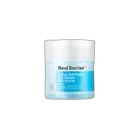
Aqua Soothing Gel Cream
Clinical K-Beauty Barrier Hero
 Verified reviewer
Pros & cons.
- +Patented MLE (Multi-Lamellar Emulsion) technology replicates the physiologic lipid matrix
- +Ceramide NP, free fatty acids, and cholesterol all present at meaningful levels
- +Fragrance-free, essential oil-free, and genuinely gentle on reactive skin
- +Lightweight gel-cream texture suitable for oily and combination skin
- +Clinical heritage from Neopharm's atopic dermatitis research lineage
- +Madecassoside and beta-glucan support calming and immunomodulation
- +Works well alongside retinoids and acid treatments during adjustment
- −50ml tube is small for twice-daily use
- −Higher price than standard drugstore gel-creams
- −Too lightweight for severely dry skin or harsh winter conditions
- −Not fungal-acne safe due to free fatty acid content
- −Availability outside Korea can require international retailers
The full review.
To understand why this gel-cream is one of the best in its category, look at its origins. Real Barrier comes from Neopharm, a Korean dermatological laboratory that has developed patented MLE — Multi-Lamellar Emulsion technology since the mid-1990s. Atopalm originally commercialized MLE; that clinical brand was built for atopic dermatitis and has been used in Korean pediatric dermatology for decades. Real Barrier applies that clinical lineage to a consumer K-beauty aesthetic: the same lipid science and laboratory, just with different branding and a prettier tube. This context matters because most gel-creams prioritize texture over function. Most K-beauty gel-creams aim to give combination skin a lightweight, plumped feeling without deep formulation work. Real Barrier does the opposite. The texture is lightweight because the brand targets people with oily-but-compromised or combination-but-sensitive skin who find heavy creams or minimal gels ineffective. The MLE core is the differentiator. Beyond the first few ingredients, the formula contains ceramide NP, a full spectrum of free fatty acids — palmitic, myristic, lauric, oleic, and stearic — plus cholesterol and phytosterols. This forms the physiologic lipid triangle: ceramides, fatty acids, and cholesterol. These three lipid classes make up healthy stratum corneum lipids and sit in a multi-lamellar structure designed to slot into the skin’s own lipid matrix. Barrier-repair research since the 1990s shows this architecture is more effective than any single lipid class alone, the same principle used in prescription lipid creams like EpiCeram. Finding this in a $25 K-beauty gel-cream is an unusual deal. The supporting ingredients follow a clean K-beauty approach. Madecassoside — the purified active from centella asiatica — provides anti-inflammatory effects. Hydrogenated lecithin and phytosterols add membrane-support lipids. Sodium hyaluronate and propanediol provide the humectant layer. Beta-glucan adds a mild immunomodulatory note for reactive skin. The formula also includes panthenol, allantoin, niacinamide, and Elaeagnus umbellata (autumn olive) fruit extract — an antioxidant Neopharm uses. It lacks irritants for acutely sensitive skin: no added fragrance, no essential oils, no alcohol, no silicones, and no pigments. The list is clean because Neopharm formulates for patients who cannot afford reactions, not for marketing trends. The texture shows the engineering. It is a bouncy, slightly gelled cream that feels more like a thick essence than a traditional moisturizer. It spreads without drag, absorbs in about a minute, and leaves a cushioned, non-tacky finish. For oily or combination skin that finds ceramide creams too heavy, this format works well; you get the functional benefits of a lipid-matrix repair cream without the occlusive weight that causes congestion or midday shine. Drier skin can use it as a base layer under a richer occlusive at night or as a light AM option. The results are quieter than a richer barrier cream but more convincing for the right skin over time. Most users see reduced reactivity and calmer redness within the first few applications, especially on post-procedure skin, windburn, or over-exfoliation damage. Over two to four weeks, the MLE rebuilding improves tolerance to other actives, reduces flaring from sensitivity triggers, and builds the resilient skin that humectant-only gel-creams cannot achieve. Limits: it is not for severely dry skin in winter; a richer barrier cream or the brand’s Extreme Cream variant is better then. The 50ml tube is small for the price, so heavy users will repurchase often. But for clinical-grade barrier repair in a lightweight format, it is one of the best options on the market, backed by a clinical heritage most K-beauty gel-creams lack.
Ingredient analysis.
Full INCI list · pH 5.5
Water, Propanediol, Glycerin, Methylpropanediol, Dicaprylyl Carbonate, Squalane, 1,2-Hexanediol, Ceramide NP, Cetyl Alcohol, Stearic Acid, Hydrogenated Lecithin, Cholesterol, Palmitic Acid, Myristic Acid, Lauric Acid, Polyglyceryl-10 Stearate, Behenyl Alcohol, Arachidyl Alcohol, Oleic Acid, Elaeagnus Umbellata Fruit Extract, Hydrogenated Phosphatidylcholine, Sodium Hyaluronate, Centella Asiatica Extract, Panthenol, Allantoin, Madecassoside, Phytosterols, Beta-Glucan, Niacinamide, Tocopherol, Carbomer, Arginine, Disodium EDTA
Skin match.
The science.
The Science
The Multi-Lamellar Emulsion (MLE) technology behind Real Barrier has a published research record tied to its parent brand Atopalm and the parent company Neopharm. Research published in the Journal of Dermatological Science has examined MLE-based formulations in patients with atopic dermatitis, showing improvements in transepidermal water loss, stratum corneum hydration, and SCORAD severity scores over 4-8 weeks of consistent use. The formulation principle is grounded in foundational barrier-repair research: a landmark study in the Journal of Investigative Dermatology demonstrated that topical application of physiologic lipids in approximately a 3:1:1 ratio of ceramides to cholesterol to free fatty acids accelerated barrier recovery after acute disruption, while incorrect ratios could actually impair recovery. MLE is engineered to deliver those lipids in a lamellar structure that mimics the intercellular lipid organization of healthy stratum corneum, rather than as a simple emulsion of individual ingredients. Subsequent work has explored the role of the full free fatty acid spectrum in barrier restoration, with research showing that palmitic, stearic, oleic, linoleic, and related fatty acids contribute distinct structural roles to the lipid matrix. The specific relevance to this product is that it's one of the few commercially available K-beauty formulations to include the full fatty acid spectrum alongside ceramides and cholesterol — most competing products include one or two of these components, not all three classes. The madecassoside, centella asiatica extract, and beta-glucan supporting ingredients have their own evidence bases for anti-inflammatory and immunomodulatory activity in reactive skin, layered on top of the core lipid-repair architecture.
References
- Optimization of physiological lipid mixtures for barrier repair — Journal of Investigative Dermatology (1996)
Dermatologist Perspective
Dermatologists commonly recognize physiologic lipid replacement as a gold-standard approach for barrier repair in atopic, rosacea-prone, and post-procedure skin. Board-certified dermatologists frequently note that products combining ceramides with cholesterol and free fatty acids in appropriate ratios outperform single-ingredient barrier creams for compromised skin. Neopharm's MLE technology is often referenced in Korean dermatological practice and has been discussed in international dermatology conferences as an example of over-the-counter formulation reaching clinical-grade lipid physiology. Dermatologists also note that the gel-cream format makes this kind of lipid-repair technology accessible to patients whose skin can't tolerate heavier traditional barrier creams, broadening the clinical utility of the approach.
Where it fits in your routine.
Apply morning and night after serums or essences. A large pea-sized amount covers the full face and neck. Wait one or two minutes for absorption before applying sunscreen or other products. Use it as a buffering layer when adjusting retinoids or acids, or layer it under a thicker occlusive at night for dry winter conditions. Store upright with the cap sealed; the formulation is stable but works best with consistent storage conditions.
At $25 for 50ml, this gel-cream costs more per ounce than standard drugstore gel-creams and sits in the mid-range of K-beauty pricing. The value comes from the formulation sophistication: prescription or clinical lipid-matrix creams with similar ingredient density often cost $40-80. For users whose skin failed with simpler gel-creams or those seeking a lightweight alternative to rich barrier creams, the price reflects the formulation rigor and delivers clinical benefit. The 50ml tube lasts about 1.5-2 months with twice-daily use, making the monthly cost reasonable for a specialty moisturizer.
People with combination, oily, sensitive, or reactive skin seeking a lightweight barrier-repair moisturizer. It works well for rosacea, post-procedure skin, acute sensitivity episodes, or anyone whose skin reacts poorly to heavy creams and minimal gels.
Severely dry skin will find this underwhelming — use the Extreme Cream or a thicker option. Fungal-acne-prone users should note the fatty acid content. Those preferring ultra-simple formulations may find the ingredient list too long.
Product details.
Light, bouncy gel-cream that melts into a slightly cushioned finish
None
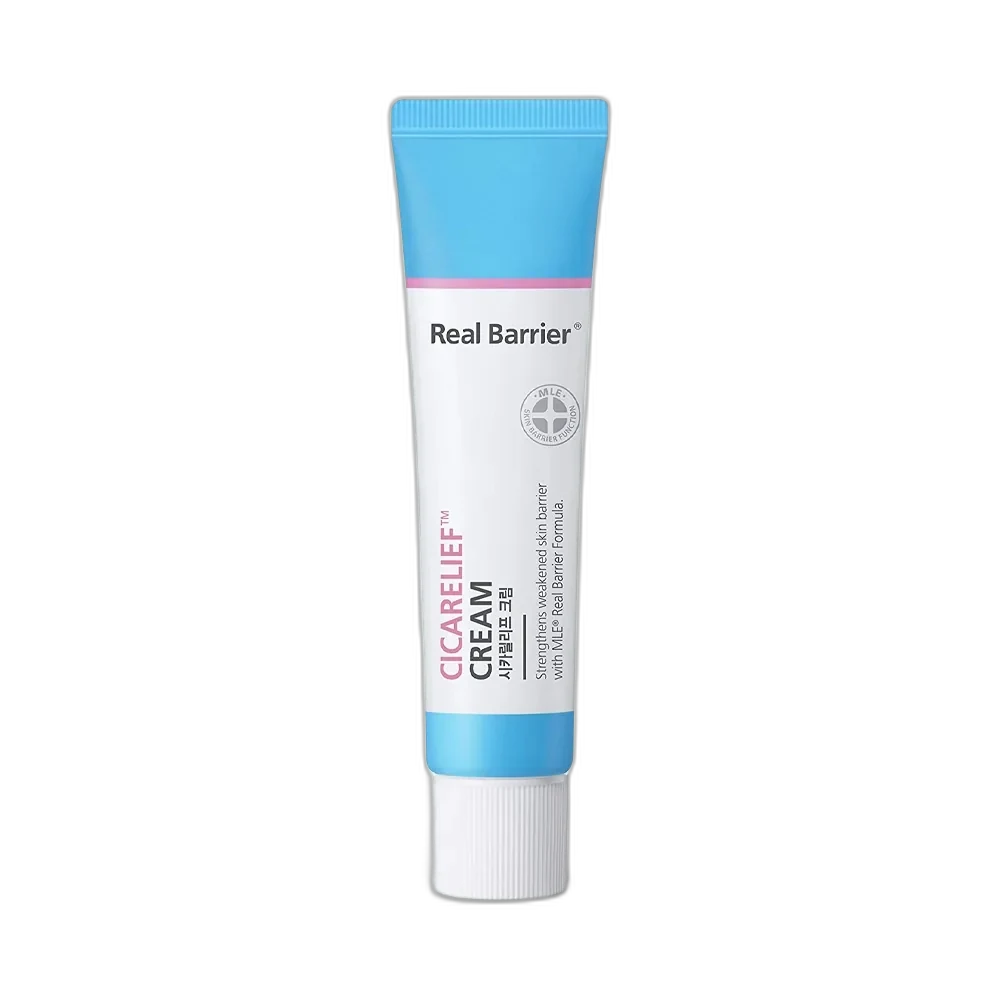
Frosted plastic tube with flip cap
The texture is a light, cushioned serum-cream hybrid. Most users see reduced reactivity after a few applications. It calms post-treatment or windburn-damaged skin effectively.
1. 5-2 months with twice-daily facial use
12 months
All Year
The backstory.
Real Barrier is part of Neopharm, the Korean dermatological laboratory behind Atopalm, a brand developed specifically for atopic dermatitis patients using patented MLE (Multi-Lamellar Emulsion) technology. Real Barrier launched in 2017 as a consumer-facing spin-off that applies the same lipid science to a K-beauty-aesthetic product line. The Aqua Soothing Gel Cream was one of the original launches and remains the brand's most-requested product internationally.
About Real Barrier
Emerging Brand (2–5 years)Real Barrier is a K-beauty line from Neopharm, Atopalm's parent company. Neopharm is a Korean dermatological laboratory that created MLE (Multi-Lamellar Emulsion) technology for atopic dermatitis. Real Barrier launched in 2017 as a consumer-facing extension of that clinical heritage.
Common myths.
Gel-creams only work for oily skin and do not repair the barrier
Texture and function differ. This formula puts a clinical-grade lipid matrix in a gel-cream base. It provides ceramide-and-fatty-acid barrier repair in a texture light enough for combination or oily skin.
FAQ.
What is MLE technology?
MLE means Multi-Lamellar Emulsion. This patented delivery system from Korean dermatological lab Neopharm arranges ceramides, fatty acids, and cholesterol into the same lipid layer structure found in healthy skin. It mimics the stratum corneum's native lipid matrix more closely than simpler emulsions.
Is this suitable for oily skin?
Yes. The gel-cream texture is light enough for oily and combination skin but delivers a clinical-grade lipid matrix. Many users with oily-but-sensitive skin find this one of the few gel-creams that calms reactivity without feeling heavy.
Can I use this after a chemical peel or laser treatment?
Yes — the formula targets compromised barriers and works for post-procedure recovery in K-beauty routines. The fragrance-free design and soothing centella derivatives make it gentle on acutely sensitive skin.
How is this different from Real Barrier's Extreme Cream?
The Aqua Soothing Gel Cream is lighter and works for normal, combination, oily, or warm-weather skin. The Extreme Cream is thicker and works for dry skin or winter conditions. Both use the same MLE lipid technology.
Is it fragrance-free?
Yes — the formula has no added fragrance, essential oils, or masking scents. This makes it well-tolerated on reactive skin.
Can I layer this with retinol?
Yes — it is one of the most useful gel-creams to use with retinol during the adjustment phase. The lipid matrix buffers retinol-induced dryness without feeling heavy enough to interfere with the active.
What the community says.
"Genuinely calms sensitive and reactive skin"
"Hydrates without feeling heavy or greasy"
"MLE technology delivers real barrier improvement over weeks"
"Works for both oily and dry skin types"
"50ml tube disappears fast"
"Higher price than drugstore gel-creams"
"Subtle results compared to richer barrier creams for severely dry skin"