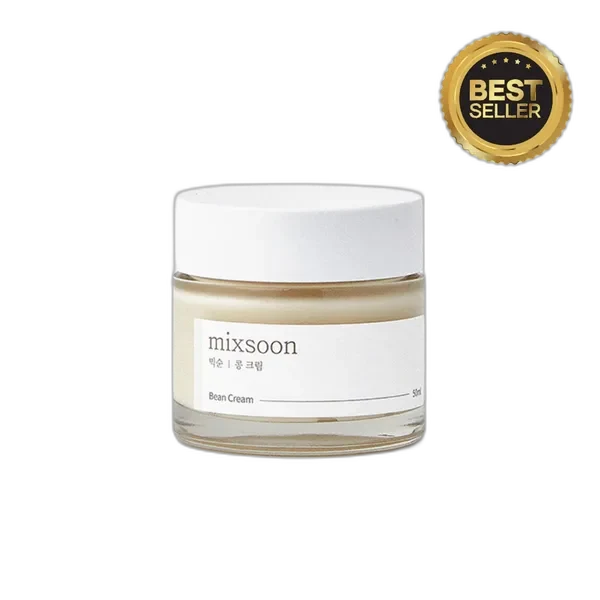
Bean Cream
K-Beauty Ferment Star
 Verified reviewer
Pros & cons.
- +Quad-ferment complex delivers soybean, pomegranate, barley, and pear ferments for layered benefits
- +Lightweight texture absorbs quickly and works beautifully under makeup and sunscreen
- +Meadowfoam seed oil provides moisture without the congestion heavier oils cause
- +Effective sebum-balancing properties make it suitable for oily and acne-prone skin
- +Adenosine adds anti-aging benefits alongside the hydrating and brightening actives
- +Clean, minimalist formulation philosophy with no parabens or sulfates
- −Contains bergamot oil, a potential photosensitizer — requires diligent sunscreen use
- −Jar packaging is less hygienic than pump or tube formats
- −Emerging brand with limited independent clinical validation of specific products
- −Can feel slightly sticky in very humid conditions
- −50mL size at $35 is a premium price point for the amount of product
The full review.
Long before anyone called it K-beauty, Korean women were using fermented soybean paste — doenjang — as a face mask. The practice dates back centuries, rooted in the observation that the fermentation process transforms humble soybeans into something that leaves skin brighter, smoother, and more resilient. Modern dermatological science has since validated what traditional wisdom suggested: fermentation breaks down soybean proteins into smaller, more bioavailable peptides and generates isoflavones that interact with skin receptors to modulate oil production and inflammation. mixsoon’s Bean Cream takes this centuries-old insight and wraps it in a modern, minimalist formula that feels very much of its moment.
mixsoon is a young brand — founded in Seoul in July 2020 by Jooup Hwang — but it has quickly built a following among ingredient-conscious K-beauty enthusiasts. The brand name itself signals its philosophy: ‘mix’ for the art of blending ingredients, ‘soon’ for the Korean concept of purity. The Bean line is the flagship, and this cream is its most complete expression.
The quad-ferment complex is the formula’s signature move. Four distinct fermented botanical extracts — soybean, pomegranate, barley, and pear — each fermented with lactobacillus or saccharomyces strains, create a layered set of benefits that a single ferment couldn’t achieve alone. The soybean ferment delivers the isoflavones and amino acids that balance sebum and hydrate. The pomegranate ferment adds polyphenolic antioxidants in a more bioavailable form than raw pomegranate extract. The barley ferment contributes minerals and proteins for barrier support. And the pear ferment brings gentle enzymatic brightening. Together, they create what fermentation enthusiasts call a ‘symbiotic complex’ — ingredients that work better together than they would individually.
The base formula surrounding these ferments is thoughtfully balanced for combination and oily skin. Meadowfoam seed oil is an excellent choice — it’s one of the few plant oils that closely mimics human sebum in its fatty acid profile, which means skin accepts it readily without the congesting heaviness that many oils cause. Caprylic/capric triglyceride provides lightweight emollience, and hydrogenated coco-glycerides add a smooth, non-greasy texture. The result is a cream that feels like it was designed for skin that needs moisture but panics at anything heavy.
Panthenol and dipotassium glycyrrhizate round out the functional ingredients with barrier repair and anti-inflammatory benefits, respectively. Adenosine — a Korean cosmetic staple recognized by KFDA as an effective anti-wrinkle ingredient — adds a subtle anti-aging dimension. The inclusion of Ayurvedic botanicals like neem, tulsi (holy basil), and turmeric root extract suggests a formula that draws from multiple skincare traditions, not just Korean.
The texture is the cream’s strongest practical attribute. It’s a whipped, lightweight consistency that absorbs faster than its rich appearance suggests. On oily skin, it disappears within seconds, leaving a subtle dewy glow rather than a greasy film. On drier skin types, it provides enough moisture for daily use in humid climates but may need a richer occlusive layer on top in winter or dry environments. The glow it imparts is what K-beauty enthusiasts call ‘chok-chok’ — that bouncy, hydrated, lit-from-within look that’s the opposite of a flat matte finish.
The scent comes from bergamot, lavender, and chamomile essential oils — a very faint herbal-citrus note that dissipates within minutes. The bergamot oil is worth flagging: it contains bergapten, a furanocoumarin that can cause photosensitivity. While the concentration in this cream is low, sun-sensitive individuals should use sunscreen diligently (which you should be doing anyway) or restrict use to their evening routine.
In daily use over several weeks, the Bean Cream delivers on its promises incrementally. The hydration is immediate, the sebum balance builds over the first week or two, and the brightening emerges gradually over a month of consistent use. It’s not a dramatic, overnight-transformation product — it’s a steady, compounding investment in skin quality. Users with acne-prone skin frequently report that their breakouts decrease not because the cream contains anti-acne actives, but because properly hydrated, pH-balanced skin simply breaks out less.
At thirty-five dollars for fifty milliliters, Bean Cream sits in the mid-range for K-beauty moisturizers — more expensive than CosRx or Purito options, but less than premium fermented products from brands like Sulwhasoo or SK-II. For the quad-ferment technology and the quality of the supporting ingredients, the price is fair. The jar should last two to three months with twice-daily use, which brings the cost per day to roughly fifty to sixty cents.
The honest caveat is that mixsoon is an emerging brand. Founded in 2020, it has no long-term track record and no independent clinical research on its specific formulations. The fermentation science is well-established in broader skincare research, but the specific efficacy of these particular ferment combinations hasn’t been independently validated. The brand earns trust through ingredient transparency, clean formulation principles, and growing community validation — but it hasn’t yet earned the ‘clinically proven’ badge that legacy brands carry. For those who value ingredient quality over brand pedigree, Bean Cream is a compelling choice. For those who need decades of clinical backing, the wait-and-see approach is reasonable.
Ingredient analysis.
Full INCI list
Water, Glycerin, Caprylic/Capric Triglyceride, Hydrogenated Polyisobutene, Polyglyceryl-3 Distearate, Glyceryl Stearate Citrate, Hydrogenated Coco-Glycerides, Limnanthes Alba (Meadowfoam) Seed Oil, Butylene Glycol, Diisostearyl Malate, Vinyl Dimethicone, Lactobacillus/Soybean Ferment Extract, Lactobacillus/Punica Granatum Fruit Ferment Extract, Saccharomyces/Barley Seed Ferment Filtrate, Lactobacillus/Pear Juice Ferment Filtrate, Panthenol, Dipotassium Glycyrrhizate, Hydrogenated Lecithin, Melia Azadirachta Flower Extract, Ocimum Sanctum Leaf Extract, Melia Azadirachta Leaf Extract, Curcuma Longa (Turmeric) Root Extract, Corallina Officinalis Extract, Eclipta Prostrata Extract, Coccinia Indica Fruit Extract, Ethylhexylglycerin, Citrus Aurantium Bergamia (Bergamot) Fruit Oil, Lavandula Angustifolia (Lavender) Oil, Anthemis Nobilis Flower Oil, Stearic Acid, Palmitic Acid, Oleic Acid, Cetearyl Alcohol, Hydroxyethyl Acrylate/Sodium Acryloyldimethyl Taurate Copolymer, Glyceryl Stearate, Hydroxyacetophenone, Sorbitan Isostearate, Carbomer, Tromethamine, Propanediol, Adenosine, Disodium EDTA, Sodium Polyacrylate
Skin match.
The science.
The Science
The fermentation technology underlying the Bean Cream draws on established microbiological principles. When lactobacillus bacteria ferment soybean extract, they break down high-molecular-weight proteins into smaller peptides and amino acids through enzymatic hydrolysis. This process also generates bioactive metabolites — including genistein and daidzein isoflavones — that interact with estrogen receptors in the skin to modulate sebum production and promote collagen synthesis.
A 2013 study published in the Journal of Cosmetic Dermatology found that fermented soybean extract demonstrated significant improvements in skin elasticity, moisture content, and brightness compared to non-fermented soybean extract, suggesting that the fermentation process genuinely enhances the raw ingredient's efficacy.
The pomegranate ferment contributes ellagic acid and punicalagins — polyphenolic antioxidants that neutralize reactive oxygen species and inhibit tyrosinase, the enzyme responsible for melanin overproduction. Fermentation increases the bioavailability of these compounds by breaking down the plant cell walls that otherwise limit their absorption.
Adenosine, recognized by Korea's FDA as an effective anti-wrinkle ingredient, stimulates fibroblast proliferation and collagen synthesis. At the concentrations typically used in Korean cosmetics (0.04%), it has demonstrated wrinkle-reducing effects in controlled clinical trials.
Dipotassium glycyrrhizate, derived from licorice root, inhibits the 11-beta-hydroxysteroid dehydrogenase type 1 enzyme, which reduces local cortisol production in the skin and consequently decreases inflammation. This anti-inflammatory pathway complements the soothing effects of the turmeric (curcumin) and neem extracts also present in the formula.
References
- Fermented Soybean Extract Improves Skin Barrier Function and Skin Aging — Journal of Cosmetic Dermatology (2013)
Dermatologist Perspective
Dermatologists note that fermented ingredients represent a legitimate advancement in cosmetic formulation science, not merely a marketing trend. Board-certified dermatologists observe that fermentation produces smaller molecular weight compounds with enhanced skin penetration compared to their non-fermented counterparts. The combination of fermented soybean extract with panthenol and licorice root derivative creates a formula that addresses multiple skin concerns — hydration, barrier repair, inflammation, and sebum regulation — simultaneously. Dermatologists may recommend this cream for patients with combination or oily skin who need moisture without congestion, and for those dealing with post-inflammatory hyperpigmentation from acne. The bergamot oil is a noted concern for photosensitive patients, and dermatologists would advise strict sunscreen use when incorporating this product into a daytime routine.
Guidance
Where it fits in your routine.
Apply a pea-sized amount to clean, toned skin after your skincare routine (before sunscreen in the morning). Press the cream into skin instead of rubbing to help the fermented actives absorb. Layer over the mixsoon Bean Essence for enhanced benefits. Use a clean spatula to dispense from the jar for hygiene. Apply morning and evening. Always follow with sunscreen during the day because of the bergamot oil content.
At $35.00 for 50 mL, the Bean Cream costs as much as mid-range K-beauty moisturizers like Beauty of Joseon or entry-level Sulwhasoo options. The quad-ferment complex, meadowfoam seed oil, panthenol, and adenosine show a formulation investment that justifies the price over basic drugstore moisturizers. One jar lasts 2-3 months with twice-daily use, making the daily cost 50-60 cents. The ingredient quality and benefits for oily and combination skin make the value reasonable, though the emerging brand status means you pay for promise alongside a proven track record.
Combination and oily skin types want hydration without excess oil production. K-beauty enthusiasts interested in fermented ingredient technology will like this. It suits anyone with dullness, dehydration, or post-acne marks who wants a lightweight cream for multiple concerns without a complex multi-step routine.
People with very dry skin in cold climates may need a thicker moisturizer on top. Those with confirmed essential oil sensitivities should avoid this due to the bergamot, lavender, and chamomile oils. Sun-sensitive individuals concerned about the bergamot oil's photosensitizing potential may prefer a fragrance-free alternative.
Product details.
The whipped cream texture is lightweight and melts into skin on contact. It is not too thick or too thin, making it ideal for combination and oily skin types.
Bergamot, lavender, and chamomile oils provide a subtle, natural herbal-floral scent. The scent is faint and dissipates quickly after application.
A clean, minimalist glass jar uses a screw-top lid. This simple design shows the brand's 'less is more' philosophy. The glass packaging feels premium but needs a spatula for hygienic use.
The cream feels lightweight despite its thick appearance. It absorbs fast without pilling and leaves a subtle dewy glow instead of a greasy sheen. First-time users often see immediate hydration and smoother skin. Most skin types experience no stinging, burning, or adjustment period.
2-3 months with twice-daily use
12 months
All Year
The backstory.
mixsoon launched in July 2020 with a mission to create 'clean mixing' skincare — formulas that blend the purity of natural ingredients with the precision of fermentation science. The Bean line became the brand's flagship, built around the idea that fermented soybeans (a staple in Korean cuisine and traditional skin remedies) could be adapted for modern skincare. The cream represents the line's most complete formulation, pairing the fermented extracts with Ayurvedic botanicals like neem and turmeric.
About mixsoon
Emerging Brand (2–5 years)Jooup Hwang founded mixsoon in Seoul in July 2020. The brand uses fermentation technology for clean, minimalist formulations. mixsoon is popular in the K-beauty community and on social media, but it has a limited track record and no independent clinical research on its specific products.
Common myths.
Fermented skincare ingredients are a marketing trend with no real benefits.
Fermentation transforms botanical ingredients. This process breaks large molecules into smaller, more bioavailable forms that penetrate skin better. It also creates new beneficial compounds—amino acids, peptides, and organic acids—not found in the original ingredient. Korean fermented skincare (like SK-II's Pitera) has decades of research behind it.
Creams containing oils in the ingredient list worsen oily skin.
Meadowfoam seed oil mimics skin's natural sebum composition, which signals the skin to produce less oil. This cream uses sebum-balancing fermented soybean extract to hydrate without triggering excess oil production. Users with oily skin report improved balance with consistent use.
FAQ.
Is mixsoon Bean Cream good for oily or acne-prone skin?
Yes — the fermented soybean extract balances sebum production, and the lightweight texture hydrates without adding excess oil. The formula is dermatologically tested for acne-prone skin. However, it contains bergamot oil (a potential photosensitizer) and essential oils, so users with very reactive acne-prone skin should patch test first.
What does the fermented soybean do in this cream?
Fermentation turns soybean extract into a more bioavailable form. This creates smaller molecules that penetrate skin better. The process produces amino acids, isoflavones, and peptides that hydrate, provide antioxidant protection, and balance sebum. This works like fermented foods: fermentation creates beneficial compounds the original ingredient lacked.
Can I use mixsoon Bean Cream with retinol or vitamin C?
Yes — the cream's gentle, hydrating formula works well with active ingredients. Apply retinol or vitamin C first, let it absorb, then layer the Bean Cream on top for moisture and barrier protection. The panthenol and licorice root derivatives in the formula soothe irritation from active treatments.
Does mixsoon Bean Cream contain any photosensitizing ingredients?
Yes — it contains bergamot fruit oil (Citrus Aurantium Bergamia), which causes photosensitivity. Use sunscreen during the day when using this cream. If you are sun-sensitive, use the cream only in your PM routine.
How does Bean Cream compare to mixsoon Bean Essence?
The Bean Essence uses a light, watery formulation with fermented soybean extract to hydrate skin. The Bean Cream is a thick moisturizer with emollients (meadowfoam oil), barrier-repair ingredients (panthenol), and anti-aging actives (adenosine). Layer The Bean Essence first, then The Bean Cream, to get the most from the fermented soybean.
What the community says.
"Excellent hydration without feeling heavy or greasy on oily skin"
"Noticeably evens out skin tone and adds a healthy glow"
"Lightweight texture absorbs quickly and layers well under makeup"
"Helps balance sebum production without over-drying"
"Clean, minimal ingredient philosophy appeals to ingredient-conscious consumers"
"Can feel slightly sticky on very humid days"
"Contains bergamot oil which is photosensitizing"
"Higher price point for the 50mL size"
"Fermented ingredient scent may be noticeable to some users"