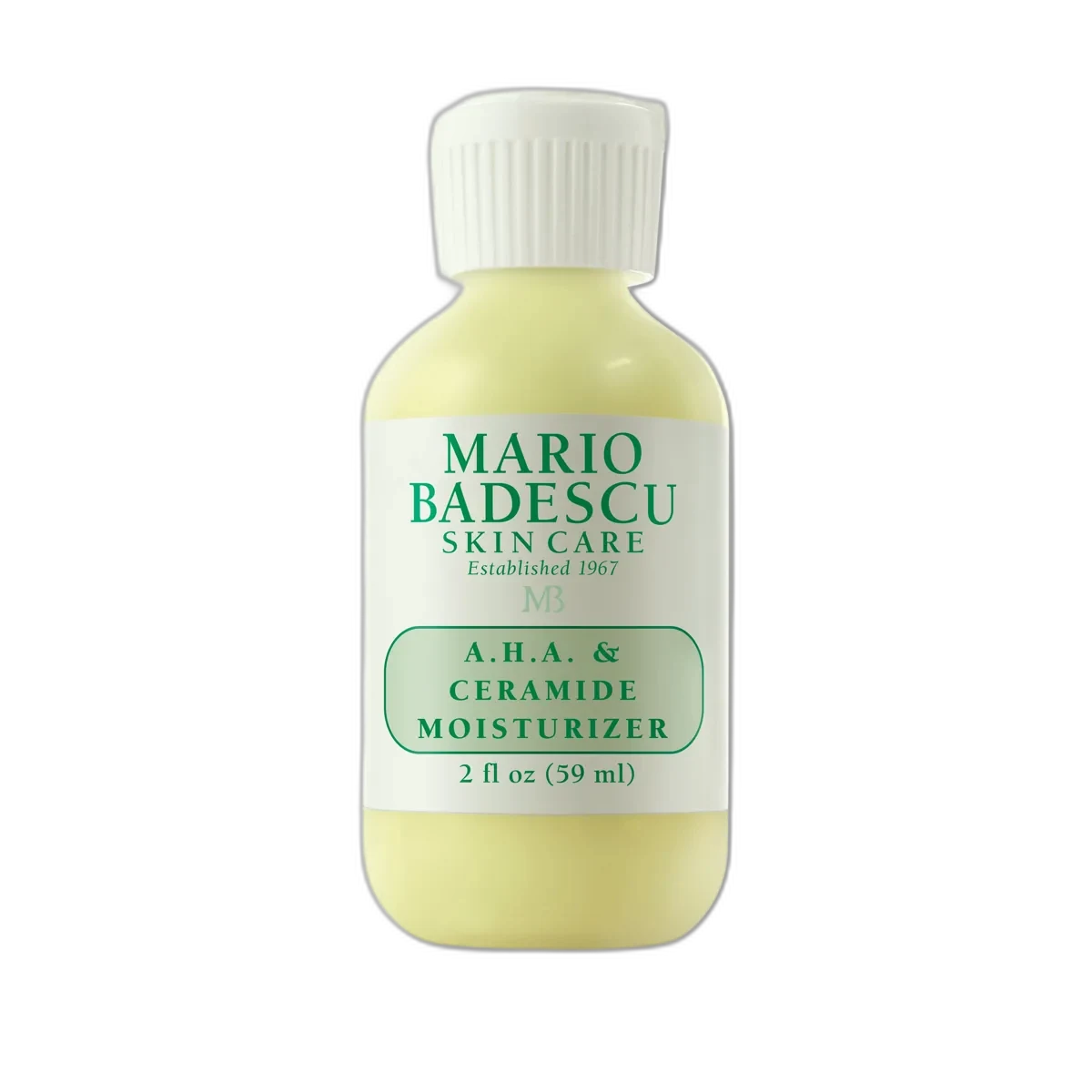
AHA & Ceramide Moisturizer
Old-School NYC Salon Staple
 Verified reviewer
Pros & cons.
- +Genuinely lightweight texture that absorbs quickly without greasiness
- +Squalane provides effective biomimetic moisturization for combination skin
- +Aloe vera in two forms offers soothing anti-inflammatory benefits
- +Affordable at $20 for a 2 fl oz daily moisturizer
- +No added fragrance — won't aggravate scent-sensitive users
- +Silicone-smooth finish works well as a makeup base
- −The AHA is lemon extract — not a real exfoliant at this concentration
- −The ceramide is glycolipids — not true ceramides found in the stratum corneum
- −Isopropyl myristate (highly comedogenic) caused breakouts for some users
- −Contains parabens and diazolidinyl urea (formaldehyde releaser)
- −Synthetic dyes (Yellow 5, Yellow 6) serve no functional purpose
- −Lemon extract carries phototoxic potential without adequate AM use warnings
The full review.
First, the name sets expectations the formula doesn’t meet. The ‘AHA’ comes from Citrus Limon (Lemon) Fruit Extract. This contains naturally occurring citric acid, an alpha hydroxy acid, but the concentration is unspecified and likely negligible. It lacks the controlled low pH required for effective AHA exfoliation. If you expect the cell-turnover benefits of a glycolic acid product, you will be disappointed. The lemon extract provides a mild brightening effect through gentle acidity rather than genuine chemical exfoliation.
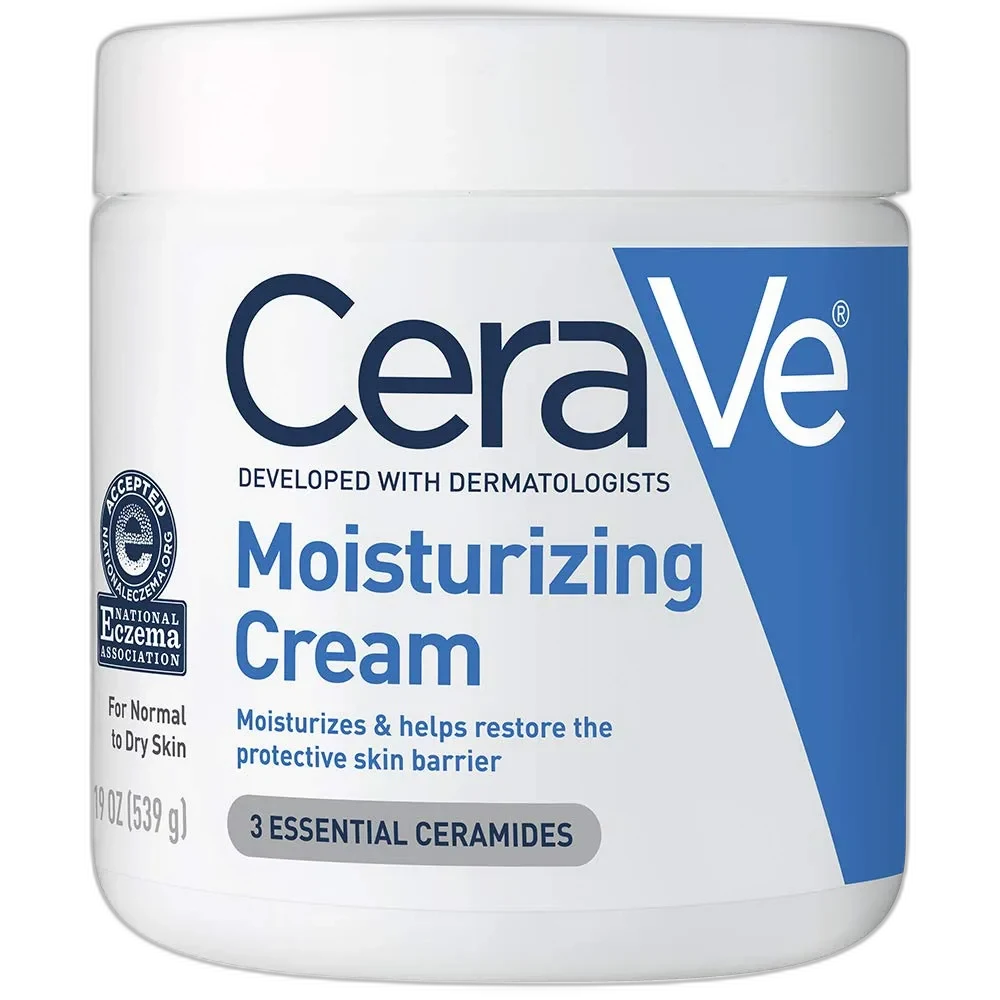
The ‘ceramide’ component consists of glycolipids—lipid molecules with an attached carbohydrate group. Research shows glycolipids mimic some barrier-repair functions of traditional ceramides. A 2012 study in the Journal of Oleo Science found certain glycolipid derivatives recovered skin cell viability at rates comparable to natural ceramides. However, glycolipids are not ceramides NP, AP, or EOP—the actual lipids in the stratum corneum’s lamellar bilayer. While products like CeraVe and COSRX deliver five-plus true ceramide types with cholesterol and fatty acids, calling glycolipids ‘ceramides’ on a label is a stretch.
The formula functions as a basic lightweight moisturizer on a glycerin-silicone-squalane base. The texture is its strongest point; it absorbs quickly, leaves no grease, and works well under makeup for oily and combination skin types. Multiple silicones (cyclopentasiloxane, dimethicone, dimethiconol, phenyl trimethicone) create the smooth, silky feel users praise. Squalane provides biomimetic emolliency, and aloe vera in two forms adds soothing properties.
The formula is harder to defend here. Isopropyl myristate is at position seven in the ingredient list. This ester is rated highly comedogenic (3-5 on the comedogenic scale), and multiple users report breakouts from this product. This is a concerning inclusion for a moisturizer marketed to oily and combination skin, which often is acne-prone.
The preservative system is dated. Methylparaben, propylparaben, and diazolidinyl urea (a formaldehyde-releasing preservative) are FDA-approved but modern formulations increasingly avoid them for effective alternatives. Synthetic dyes—Yellow 5 and Yellow 6—add potential allergens without functional purpose. The lemon extract carries phototoxic potential and can increase UV sensitivity, yet the product lacks strong daytime use cautions.
None of these ingredients are dangerous; all stay within regulatory limits. They reflect an older formulation philosophy from an era before ingredient transparency and INCI list scrutiny were priorities. Mario Badescu built its reputation on in-salon results; this moisturizer feels designed for how skin looks leaving the facial table, not for how ingredients perform under modern analytical scrutiny.
At twenty dollars, the value is reasonable for a basic moisturizer. You get a no-frills product that hydrates oily skin without heaviness. The aloe vera provides soothing, the squalane is a quality emollient, and the glycerin delivers reliable humectant hydration. If you have used this for years and your skin is happy, there is no urgent reason to stop.
For new buyers comparison-shopping in 2026, the landscape has changed since this formula was designed. Products at this price point now deliver true ceramides, modern preservative systems, and actual AHA exfoliation without comedogenic concerns. The Mario Badescu name carries nostalgic weight from its NYC salon heritage, but nostalgia does not fix an ingredient list.
This product does one thing well—lightweight hydration for oily skin—while its name implies two things it doesn’t meaningfully deliver. It is not a bad moisturizer. It is just not what it says it is.
Ingredient analysis.
Full INCI list
Aqua (Water, Eau), Propylene Glycol, Glycerin, Cyclopentasiloxane, Squalane, Glyceryl Stearate, Isopropyl Myristate, Dimethicone, Aloe Barbadensis Leaf Extract, Paraffinum Liquidum (Mineral Oil), Aloe Barbadensis Leaf Juice, Cymbopogon Schoenanthus Leaf Extract, Citrus Limon (Lemon) Fruit Extract, Glycolipids, Stearic Acid, Myristyl Lactate, Cetearyl Alcohol, Dimethiconol, Ethylhexyl Cocoate, Cetyl Alcohol, Ceteareth-20, Myristyl Alcohol, Glyceryl Acrylate/Acrylic Acid Copolymer, Caprylyl Glycol, Lecithin, Phenyl Trimethicone, Phenoxyethanol, Sodium Chloride, Triethanolamine, Methylparaben, Propylparaben, Diazolidinyl Urea, CI 19140 (Yellow 5), CI 15985 (Yellow 6)
Skin match.
The science.
The Science
To separate marketing from function, we must examine the formula's two headline ingredients: 'AHA' and 'ceramide'.
The AHA component comes from Citrus Limon (Lemon) Fruit Extract, which contains citric acid, an alpha hydroxy acid. AHA efficacy depends on concentration and pH. Tang and Yang's 2018 review in Cosmetics confirmed that topical AHAs promote cell turnover and improve photodamaged skin, but only at adequate concentrations (typically 5-10% for consumer products) and at pH 3-4 where the acid is in its free, active form. Lemon extract at an unspecified, likely trace concentration in a cream formulation almost certainly fails these thresholds.
The ceramide component uses glycolipids—lipid molecules with an attached carbohydrate group. A 2012 study in the Journal of Oleo Science (PMID: 22790172) found that mannosylerythritol lipid glycolipid derivatives recovered skin cell viability at rates comparable to natural ceramides (over 80% recovery). This research is promising, but glycolipids differ structurally from the ceramides (NP, NS, AP, AS, EOP) that form the stratum corneum's lipid matrix. Modern barrier-repair research, including Yong's 2025 review in Experimental Dermatology (PMID: 39912256), focuses on delivering these physiologic ceramide subtypes with cholesterol and free fatty acids in correct ratios.
Squalane is the formula's most evidence-backed emollient. A 2025 study in Molecules (PMID: 40363772) validated it for protecting against UV-induced inhibition of collagen biosynthesis and aiding wound healing. As a bioidentical lipid in human sebum, it provides effective, non-comedogenic moisturization.
The isopropyl myristate at position seven is a formulation concern. This ester is documented as comedogenic, with ratings of 3-5 on the standard comedogenic scale. Its high position in the INCI list suggests a high concentration, which conflicts with the product's target of oily and combination skin types prone to acne.
References
- Mannosylerythritol lipid glycolipid derivatives recover skin cell viability comparable to natural ceramides — Journal of Oleo Science (2012)
Dermatologist Perspective
Dermatologists would note several concerns alongside the formula's functional moisturizing properties. Board-certified dermatologists often flag isopropyl myristate as a comedogenic ingredient to avoid in acne-prone patients; its prominent position makes it a questionable choice for the oily and combination skin it targets. Dermatologists studying contact dermatitis would note diazolidinyl urea (a formaldehyde releaser) and synthetic dyes as potential sensitizers. The lemon extract's phototoxic potential requires sunscreen advice that the product lacks. While the basic moisturizing function works—glycerin, squalane, and aloe vera are all dermatologically sound—dermatologists would note the formula does not deliver meaningful AHA exfoliation or true ceramide barrier repair as the product name implies.
Where it fits in your routine.
Warm a pearl-sized amount between your fingertips and press it into clean, dry skin. Apply to the face and neck, but avoid the eye area. Use this as an evening moisturizer because lemon extract is phototoxic. If you use it in the morning, apply broad-spectrum SPF 30+ sunscreen. This layers over lightweight serums without pilling.
At $20 for 59 mL, this basic daily moisturizer is competitively priced. It provides adequate lightweight hydration for oily and combination skin. But the value drops because the headline ingredients (AHA and ceramide) use forms that do not deliver expected benefits. For the same $20, consumers find moisturizers with actual ceramides, modern preservative systems, and genuine AHA content. Mario Badescu's 57-year-old NYC salon brand legacy provides credibility, but the formulation lacks current standards for transparency and ingredient quality.
Oily and combination-skinned users want a basic, lightweight, affordable daily moisturizer and do not focus on ingredients. Long-term users with good results have no reason to switch — if your skin tolerates isopropyl myristate without breakouts, the moisturizing function works well.
Acne-prone individuals (isopropyl myristate risk), people avoiding parabens or formaldehyde-releasing preservatives, sensitive skin types (multiple potential irritants), and anyone expecting actual AHA exfoliation or true ceramide barrier repair. The modern market has better options at this price point for all these concerns.
Product details.
Lightweight cream has a light yellow tint from synthetic dyes. It absorbs quickly without a greasy film. A silicone base makes the application feel smooth and silky. A pearl-sized amount covers the entire face.
No added fragrance and no noticeable scent according to most reviewers.
Simple white plastic jar with a screw-on lid uses the standard Mario Badescu utilitarian design. The open-mouth jar format lacks a pump or airless packaging, exposing the product to air and bacteria during each use.
The first application feels lightweight and hydrating and absorbs immediately. The mild lemon extract causes no tingling or stinging. The silicone base leaves skin feeling smooth. The yellow tint shows in the jar but not on the skin. Results are subtle; consistent use is required to see a brightening effect.
2-3 months with once-daily facial application
12 months
All Year
The backstory.
Born from Mario Badescu's NYC salon tradition that dates to 1967, this moisturizer reflects the brand's approach of simple, salon-tested formulas that prioritize immediate skin feel over ingredient innovation. It's been a quiet presence on shelves for over fifteen years, loved by those who appreciate its lightweight texture, largely overlooked by the ingredient-focused generation.
About Mario Badescu
Legacy Brand (20+ years)Romanian-born skin care specialist Mario Badescu founded Mario Badescu in 1967 in New York City. The brand has run its flagship salon on East 52nd Street for over 50 years. It makes all products at its 160,000-square-foot facility in Edison, New Jersey. The brand is known more for cult spa products than clinical formulation.
Common myths.
The AHA in this product provides chemical exfoliation.
Citrus Limon (Lemon) Fruit Extract provides the AHA component. It contains naturally occurring citric acid at a low, unspecified concentration. This lacks the controlled, pH-dependent exfoliation found in dedicated AHA products with 5-10% glycolic or lactic acid. The mild acidity may brighten skin slightly, but it does not provide peel-level results.
The ceramides in this product repair the skin barrier like CeraVe or similar ceramide creams.
The 'ceramide' component uses glycolipids—lipid molecules with a carbohydrate group that mimic some barrier functions. Research shows promise, but glycolipids differ from the traditional ceramides (NP, AP, EOP) that form the stratum corneum's lipid matrix. Modern ceramide products deliver the actual lipids your barrier lacks; this formula offers an approximation.
FAQ.
Does the Mario Badescu AHA & Ceramide Moisturizer actually contain ceramides?
These are not traditional ceramides. The 'ceramide' component uses glycolipids, which are lipid molecules with a carbohydrate group. Glycolipids mimic some barrier-repair functions, but they differ from the ceramides (NP, AP, EOP) in the stratum corneum and modern barrier-repair products like CeraVe or COSRX ceramide creams.
Myth
Reality
Is the AHA in this moisturizer strong enough to exfoliate?
No — the AHA comes from lemon fruit extract at a low concentration, not from concentrated glycolic or lactic acid. Consistent use provides a mild brightening effect, but it lacks the cell turnover or pore-clearing results of a dedicated AHA product. For real chemical exfoliation, use a separate AHA treatment.
Myth
Reality
Does the Mario Badescu AHA & Ceramide Moisturizer contain parabens?
Yes — the formula contains methylparaben, propylparaben, and diazolidinyl urea, a formaldehyde-releasing preservative. The FDA approves these at the used concentrations, but ingredient-conscious consumers increasingly avoid them and exclude them from most modern formulations.
Myth
Reality
Is this moisturizer good for acne-prone skin?
Use with caution — isopropyl myristate is the seventh ingredient and has a comedogenic rating of 3-5 on a scale of 0-5. Multiple users report breakouts. If you have acne-prone skin, many non-comedogenic moisturizers are safer choices.
Myth
Reality
Can I use this moisturizer in the morning?
You can, but the lemon extract is phototoxic and increases skin sensitivity to UV. If you use it in the AM, apply SPF 30+ sunscreen afterward. Many users use this as a PM-only moisturizer to avoid photosensitivity.
Myth
Reality
Community
What the community says.
"Lightweight non-greasy formula that absorbs quickly on oily skin"
"Reduces mid-day oil production and the need for blotting"
"Affordable price point at $20 for a daily moisturizer"
"Skin looks less dull and slightly more radiant with regular use"
"Good basic moisturizer for combination skin that doesn't want heaviness"
"Contains isopropyl myristate which caused breakouts for some users"
"The AHA effect from lemon extract is negligible — not a real exfoliant"
"Contains parabens and a formaldehyde-releasing preservative (diazolidinyl urea)"
"Glycolipids are not the same as true ceramides despite the product name"
"Some users found it unremarkable — adequate but nothing special"