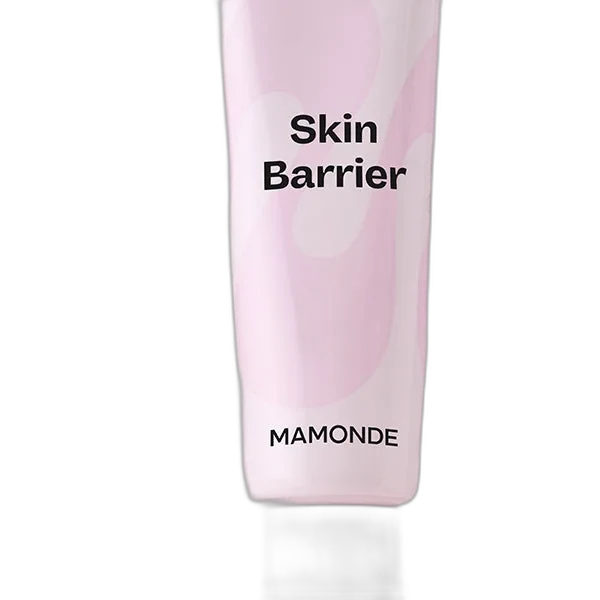
Ceramide Intense Cream
K-Beauty Barrier Repair Champion
 Verified reviewer
Pros & cons.
- +Triple ceramide system with pseudo-ceramides at genuinely meaningful concentrations
- +Cholesterol and fatty acids complete the critical barrier-repair lipid triad
- +Squalane provides lightweight emollience without comedogenic risk
- +Probiotic ferment lysate adds microbiome support rare in this category
- +Rich texture melts into skin without greasy residue — impressive K-beauty formulation
- +Excellent value at ~$28 for a formula that competes with $60+ Western counterparts
- +Backed by Amorepacific's institutional-grade lipid and barrier research
- −Contains fragrance — inconsistent with a barrier-repair product for sensitive skin
- −Jar packaging exposes product to air and contamination with each use
- −Too heavy for oily skin types, especially in warm, humid conditions
- −Not cruelty-free certified due to Amorepacific's market distribution
- −Availability can be inconsistent outside Asian markets and specialty K-beauty retailers
The full review.
There is a particular kind of skincare product that earns its keep not through flash but through competence. The Mamonde Ceramide Intense Cream is that product. It doesn’t have a celebrity endorsement, a TikTok moment, or a waitlist. What it has is a formula that methodically addresses every layer of barrier dysfunction, backed by one of the world’s largest cosmetics R&D operations.
Mamonde sits within the Amorepacific empire — the same conglomerate behind Sulwhasoo, Laneige, and Innisfree. This matters because Amorepacific operates one of Asia’s most sophisticated cosmetics research facilities, with deep expertise in lipid science and skin barrier biology. The ceramide technology in this cream isn’t a marketing buzzword bolted onto a basic moisturizer. It’s the product of institutional-grade research into how skin barrier lipids actually function.
The formula’s headline act is its ceramide system, and this is where things get technically interesting. Rather than dropping in a token amount of a single ceramide and calling it barrier repair, Mamonde uses three distinct ceramide components. Ceramide NP — a natural ceramide identical to one found in human skin — appears at 21.2 ppm. But the heavy lifters are two pseudo-ceramides: hydroxypropyl bispalmitamide MEA at 16,000 ppm and hydroxypropyl bislauramide MEA at 14,000 ppm. That’s a combined pseudo-ceramide concentration of 30,000 ppm — several orders of magnitude higher than the natural ceramide.
This isn’t a shortcut. Pseudo-ceramides are synthetic analogs specifically designed for topical application. They’re more stable in formulation, penetrate the stratum corneum more effectively, and can be used at concentrations that would be prohibitively expensive with natural ceramides. Research has shown that pseudo-ceramides are at least as effective as natural ceramides at restoring barrier function, and at these concentrations, they’re doing genuine structural work within the lipid matrix.
The supporting lipid cast is equally considered. Cholesterol provides the second leg of the critical ceramide-cholesterol-fatty acid triad that forms the skin’s waterproof barrier. Stearic, palmitic, myristic, and arachidic acids supply the fatty acid component. Phytosphingosine, a ceramide precursor, adds another layer of lipid support. Together, these ingredients don’t just supplement the barrier — they reconstruct it, providing the raw materials the skin needs to rebuild its own defenses.
Squalane sits high on the ingredient list — fifth position — providing substantial lightweight emollience. As a skin-identical lipid, squalane integrates seamlessly without the pore-clogging concerns of heavier oils. It’s a smart vehicle choice for a ceramide cream: emollient enough to feel rich, light enough to absorb without greasiness.
The probiotics angle adds a dimension that most Western ceramide creams lack entirely. Lactobacillus ferment and lactobacillus ferment lysate represent Mamonde’s Floral Biotics technology — a postbiotic system designed to support the skin’s microbiome. The theory is sound: a healthy microbiome is the biological layer of barrier defense that sits above the physical lipid barrier. Support both, and you get a more resilient skin ecosystem. The concentrations here are modest (10 ppm for the lysate), so this is a supporting player rather than a headline act, but it signals a formulation philosophy that thinks about the barrier holistically.
Centella asiatica extract provides the anti-inflammatory component. For compromised, irritated skin — the exact condition this cream is designed to address — centella’s wound-healing and calming properties accelerate the barrier repair that the ceramides are structurally enabling. Adenosine adds Korean-regulation-approved anti-wrinkle benefits, turning a pure barrier cream into something with anti-aging utility.
Texture
The texture is the product’s sensory triumph. It’s rich — genuinely rich, the kind of cream that feels substantial when you scoop it from the jar. But it doesn’t sit on the skin like a waxy layer. Within about sixty seconds, the cream melts and absorbs, leaving behind a dewy, velvety finish rather than a greasy residue. The transformation from thick cream to comfortable, absorbed moisture is the kind of formulation trick that makes Korean cosmetics chemistry worth paying attention to.
Dry, tight, compromised skin feels the difference almost immediately. There’s a tangible relief — a sense that the skin’s parched barrier is being replenished rather than just coated. After a week of consistent use, the improvement in skin resilience is noticeable. Less reactive to wind and temperature changes, less tight after cleansing, visibly smoother.
Scent
The fragrance is the formula’s most debatable element. For a cream designed for compromised, sensitive skin, the inclusion of fragrance is a philosophical contradiction. The scent is light and floral — in keeping with Mamonde’s brand identity — and it fades quickly. Most users tolerate it without issue. But for the subset of sensitized skin that’s fragrance-reactive, it’s an unnecessary risk in an otherwise exceptionally skin-friendly formula.
Packaging
Jar packaging is the other legitimate criticism. While Mamonde includes a spatula for hygienic use, jar packaging exposes the product to air and bacterial contamination with each opening. The antioxidants in the formula (tocopherol, rosemary extract) provide some protection against oxidation, but tube packaging would better preserve the ceramide and probiotic components.
Best for
For dry, normal, or compromised skin types seeking serious barrier repair, the Mamonde Ceramide Intense Cream is one of the best values in skincare. It does what a ceramide cream should do — reconstruct the lipid barrier with the right materials in the right ratios — and then goes further with probiotics, centella, and squalane. The fragrance and jar packaging are real compromises, but they don’t diminish what is fundamentally a product built on excellent science at an excellent price.
Ingredient analysis.
Full INCI list
Water, Butylene Glycol, Glycerin, Butylene Glycol Dicaprylate/Dicaprate, Cetyl Ethylhexanoate, Squalane, Bis-Hydroxyethoxypropyl Dimethicone, Behenyl Alcohol, Hydroxypropyl Bispalmitamide MEA (16,000 ppm), C14-22 Alcohols, Hydroxypropyl Bislauramide MEA (14,000 ppm), Stearic Acid, 1,2-Hexanediol, Arachidyl Alcohol, Palmitic Acid, Cholesterol, C12-20 Alkyl Glucoside, Arachidyl Glucoside, Hydroxyethyl Acrylate/Sodium Acryloyldimethyl Taurate Copolymer, Ammonium Acryloyldimethyltaurate/VP Copolymer, Tromethamine, Fragrance, Glyceryl Caprylate, Dextrin, Lactobacillus Ferment, Ethylhexylglycerin, Adenosine, Disodium EDTA, Sorbitan Isostearate, Raffinose, Mannitol, Glucose, Myristic Acid, Arachidic Acid, Ceramide NP (21.2 ppm), Hibiscus Syriacus Bark Extract, Lactobacillus Ferment Lysate (10 ppm), Tocopherol, Camellia Japonica Seed Oil, Camellia Sinensis Seed Extract, Glycine Max (Soybean) Oil, Propanediol, Phytosphingosine, Hydrogenated Lecithin, Acetyl Tetrapeptide-11, Centella Asiatica Flower/Leaf/Stem Extract, Canola Oil, Rosmarinus Officinalis (Rosemary) Leaf Extract
Skin match.
The science.
The Science
Substantial research supports the pseudo-ceramide technology in this formula. Hydroxypropyl bispalmitamide MEA (commercially known as Ceramide PC-104) is a well-studied synthetic ceramide analog. Research in the International Journal of Cosmetic Science (Kerscher et al., 2013) shows that topical pseudo-ceramides improve skin barrier function, measured by transepidermal water loss (TEWL), and increase stratum corneum hydration within 4 weeks.
Combining natural ceramide NP with pseudo-ceramides follows current barrier biology. The skin's lipid matrix needs specific ratios of ceramides, cholesterol, and free fatty acids — usually 3:1:1 — for optimal barrier function. Research by Bouwstra and colleagues in the Journal of Lipid Research (2001) established that stratum corneum lipid composition and organization determine barrier efficacy, and that adding deficient lipids restores function.
Lactobacillus ferment lysate uses a postbiotic approach to microbiome skincare. A study in the Journal of Cosmetic Dermatology (Gueniche et al., 2010) shows that topical bacterial lysates improve barrier function, reduce sensitivity, and modulate the skin's innate immune response. This works by strengthening tight junctions and supporting antimicrobial peptide production.
Centella asiatica has documented wound-healing properties. A review in the Indian Journal of Pharmaceutical Sciences (Bylka et al., 2014) summarized evidence that centella triterpenoids — including asiaticoside — stimulate collagen synthesis, promote fibroblast proliferation, and reduce inflammation by inhibiting the NF-kB pathway, which supports barrier recovery.
References
- Ceramides and barrier function of the skin — Journal of Lipid Research (2001)
- Effects of Lactobacillus on skin barrier function — Journal of Cosmetic Dermatology (2010)
Dermatologist Perspective
Dermatologists recommend ceramide-based moisturizers for barrier repair; this formula's multi-ceramide approach matches current dermatological understanding of lipid barrier biology. Board-certified dermatologists would value the cholesterol, fatty acids, and phytosphingosine included with the ceramides — this ratio-aware approach distinguishes effective barrier repair from marketing-driven ceramide inclusion. Clinicians would recommend this formula for post-procedure skin, eczema-prone skin, and patients with retinoid-induced dryness. The main dermatological reservation is the fragrance — clinicians treating compromised barriers generally prefer fragrance-free options.
Where it fits in your routine.
Apply a pea-sized amount to the face and neck as your final skincare step (before sunscreen in the AM). Use the included spatula to scoop product from the jar hygienically. Apply a thin second layer to problem areas if skin is compromised or very dry. This works as a retinol buffer — apply over retinol treatments to reduce irritation without losing efficacy.
At about $28 for 60ml, this cream provides high value for its sophisticated ingredients. The triple-ceramide system uses pseudo-ceramides at a 30,000 ppm combined concentration, matching or beating Western clinical brands priced at $50-80. The probiotics and centella are active ingredients, not just label decoration. A 100ml size is available at select retailers for better per-unit value. Amorepacific's manufacturing scale keeps the price low despite premium ingredients.
People with dry, dehydrated, or compromised skin needing affordable barrier repair. It works for post-procedure skin, retinol users with dryness, winter-ravaged complexions, and skin damaged by over-exfoliation or harsh products.
Oily or acne-prone skin types may find the thick texture too heavy for daily use. It also lacks suitability for users with fragrance sensitivities seeking a fragrance-free barrier-repair option — fragrance-free alternatives exist in the ceramide category.
Product details.
Thick, dense cream that melts into the skin on application, changing from thick to absorbed within about a minute
Light floral fragrance characteristic of the Mamonde line — subtle but present
Pink-toned jar with screw-top lid in Mamonde's floral-inspired branding. Includes a spatula for hygienic dispensing.
The cream feels thick when scooped from the jar but turns lighter on the skin within 30-60 seconds. It gives immediate relief to dry, tight skin and replenishes the barrier in real time. The formula does not sting compromised skin, which is notable for a formula with fragrance.
2-3 months with twice-daily face and neck application
12 months
fall winter
The backstory.
Mamonde developed this cream as part of their ceramide-focused line, leveraging Amorepacific's extensive lipid research. The addition of hibiscus syriacus (the Korean national flower, mugunghwa) extract ties into the brand's flower-science identity — Mamonde has spent decades studying how floral compounds can benefit skin health. The probiotics angle was added as the formula evolved, reflecting Amorepacific's investment in microbiome skincare research.
About Mamonde
Established Brand (5–20 years)Amorepacific, South Korea's largest cosmetics conglomerate, launched Mamonde in 1991. Mamonde uses Amorepacific's R&D infrastructure and has over three decades of flower-based skincare innovation. The brand sells globally across Asia, the US, and Europe.
Common myths.
All ceramide creams are the same — ceramides are ceramides
The skin's lipid barrier contains at least twelve different ceramide types. Type, ratio, and delivery system all matter. This formula uses ceramide NP and two pseudo-ceramides (synthetic ceramide analogs) to provide complementary barrier-repair mechanisms. Pseudo-ceramides like those in this formula are often more stable and bio-available than natural ceramides.
Rich creams will clog pores and cause breakouts
The cream is thick, but the primary lipids — squalane, ceramides, and cholesterol — are skin-identical or non-comedogenic. Breakout risk depends on comedogenic ingredients rather than texture. Users with very oily or acne-prone skin may find this too occlusive for daily use.
FAQ.
Is Mamonde Ceramide Intense Cream good for sensitive skin?
The ceramide, cholesterol, and fatty acid combination works well for sensitive skin needing barrier repair. It contains fragrance, which some sensitive skin types react to. If your sensitivity comes from a compromised barrier instead of fragrance sensitivity, this cream restores resilience effectively.
Can I use Mamonde Ceramide Intense Cream with retinol?
Yes — this is an ideal retinol companion. Apply the ceramide cream after your retinol at night. The ceramide-cholesterol-fatty acid complex buffers retinol-induced barrier disruption, while squalane and centella asiatica soothe the skin. Many K-beauty enthusiasts use this exact combination to minimize retinol irritation.
What are pseudo-ceramides and are they as effective as real ceramides?
Pseudo-ceramides are synthetic analogs of natural ceramides that mimic barrier-repair function. This formula uses two — hydroxypropyl bispalmitamide MEA and hydroxypropyl bislauramide MEA — at concentrations much higher than ceramide NP. Research shows pseudo-ceramides work as well as or better than natural ceramides because they are more stable, penetrate the skin better, and allow for higher concentrations in a formula.
Is Mamonde Ceramide Intense Cream too heavy for summer?
This works year-round for dry skin. For normal or combination skin, the thick texture feels heavy in hot, humid weather. In summer, use less or switch to the Mamonde Ceramide Light Cream, which has similar ceramide benefits in a lighter formula.
Is Mamonde cruelty-free?
Amorepacific owns Mamonde, which sells in markets requiring animal testing. Mamonde lacks Leaping Bunny or PETA cruelty-free certification. Amorepacific has publicly committed to reducing animal testing and investing in alternative testing methods.
What the community says.
"Rich yet non-greasy texture that absorbs well"
"Dramatically improves dry, flaky skin within days"
"Excellent value for the quality of ceramide ingredients"
"Skin feels softer and more resilient after consistent use"
"Contains fragrance, which some sensitive skin users would prefer without"
"Can feel too heavy for oily or combination skin, especially in summer"
"Jar packaging exposes product to air with each use"
"Availability can be inconsistent outside of Asian markets"