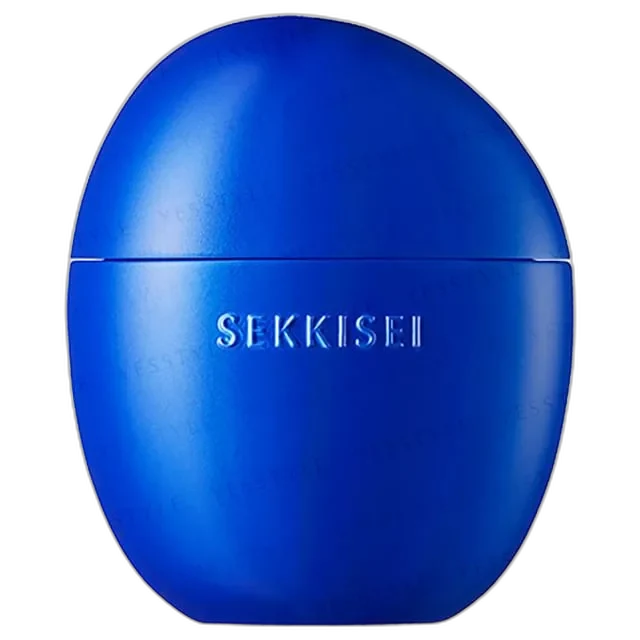
Sekkisei Clear Wellness UV Defense Milk SPF 50+ PA++++
J-Beauty UV Classic
 Verified reviewer
Pros & cons.
- +PA++++ UVA rating with photostable DHHB filter
- +Weightless milk texture with no white cast
- +Sets cleanly under makeup without pilling
- +Signature Sekkisei herbal scent fans love
- +Forty years of Japanese dermatological heritage
- +Works across all skin tones with zero cast
- +Durable indoor-outdoor daily wear
- −Contains octinoxate — not reef-safe or pregnancy-preferred
- −Alcohol-forward base too stripping for sensitive skin
- −Added fragrance will bother reactive users
- −60ml tube is small for the price point
- −Limited US retail availability
The full review.
Formula
Sekkisei has occupied Japanese vanities since 1985, giving this sunscreen more heritage than most competitors. The original Sekkisei Lotion — a watery, herbal-scented toner in a cobalt blue bottle — became one of the best-selling Japanese skincare products ever, and Kose spent 30 years building the line around it. In 2020, the brand did something rare for a legacy franchise: it reformulated the entire range under the Clear Wellness banner, updated the packaging for better recyclability, and replaced aging ingredients with modern ones. The Clear Wellness UV Defense Milk anchors that refresh, and it is a good formula. The filter system is the highlight. Kose pairs ethylhexyl methoxycinnamate, the UVB absorber that provides the SPF 50+ rating, with diethylamino hydroxybenzoyl hexyl benzoate — known in Europe as Uvinul A Plus and the reason this sunscreen earns a PA++++ rating on the Japanese UVA scale. Uvinul A Plus is photostable, works across the long UVA range, and is not approved for sale in the United States; this is why Japanese sunscreens remain a destination for people targeting pigmentation. A supporting dose of coated zinc oxide completes the spectrum without a chalky cast. Kose also got the texture right. This is a milk, not a cream — it pours thin, spreads like a light lotion, and dries to a soft semi-matte finish that sits cleanly under makeup. An alcohol base keeps the formula weightless and fast-drying, but this means the sunscreen feels too stripping for compromised or reactive skin. The botanical profile is pure Sekkisei. Coix seed extract — hatomugi, in Japanese — appears in every Sekkisei product, and here it sits alongside angelica acutiloba root, melothria, and peony root as part of the ITOWA complex. These are traditional Kampo ingredients with long cultural resonance in Japan but limited clinical evidence for the brightening claims in the marketing. They do provide the signature Sekkisei scent: slightly green, slightly powdery, and herbal. Sekkisei fans love this smell. Fragrance-sensitive users should test it first. Performance-wise, the sunscreen works like a well-made hybrid SPF 50+ formula. It applies invisibly on every skin tone we recommend, does not pill under primers or BB creams, and lasts through a normal day of indoor-outdoor activity. It falls short in the fine print: the octinoxate makes it a non-starter in Hawaii, a concern for pregnant users, and a reason reef-conscious travelers skip it. The small tube and duty-free pricing also keep it out of budget territory. None of that erases what Kose built. This is a mature, well-composed daily sunscreen from a brand that takes UV protection seriously, and it smells like something from a Ginza department store because that is where it was born.
Ingredient analysis.
Full INCI list
Water, Ethylhexyl Methoxycinnamate, Alcohol, Zinc Oxide, Diethylamino Hydroxybenzoyl Hexyl Benzoate, Butylene Glycol, Glycerin, Dimethicone, PEG-10 Dimethicone, Coix Lacryma-Jobi Ma-Yuen Seed Extract, Angelica Acutiloba Root Extract, Melothria Heterophylla Root Extract, Paeonia Suffruticosa Root Extract, Crataegus Cuneata Fruit Extract, Pearl Extract, Sodium Hyaluronate, Tocopherol, Silica, Stearic Acid, Disteardimonium Hectorite, Triethoxycaprylylsilane, Aluminum Hydroxide, Xanthan Gum, Phenoxyethanol, Fragrance
Skin match.
The science.
The Science
This UV protection uses a well-studied hybrid filter system. Ethylhexyl methoxycinnamate (octinoxate) is a long-standing UVB absorber with decades of efficacy and safety studies, though recent research on endocrine effects led to reef regulations in several jurisdictions. Its partner is diethylamino hydroxybenzoyl hexyl benzoate (DHHB), a filter approved by the European Commission and Japan's Ministry of Health that covers the full UVA range with excellent photostability. Stability studies in journals like Photochemistry and Photobiology show DHHB maintains filtering efficiency over hours of UV exposure. This makes DHHB a standard ingredient in Japanese and European broad-spectrum sunscreens targeting pigmentation. The coated zinc oxide adds coverage at the UVA1 edge and compensates for the UVA gap in octinoxate-only formulas. The PA++++ rating — the highest on Japan's persistent pigment darkening scale — reflects this UVA emphasis. This rating makes formulas like this popular in Asian markets where post-inflammatory hyperpigmentation is a primary skincare concern. The botanical ITOWA complex has a different evidence profile. Coix lacryma-jobi seed extract has traditional-use standing in Japanese Kampo medicine and some limited in-vitro data on melanogenesis modulation, but no robust clinical trials support its brightening claims in finished skincare. The same applies to angelica acutiloba and the other herbal extracts. These ingredients provide identity and scent more than measurable skin-clearing action — the real pigmentation benefit comes from high UVA coverage and consistent daily use.
Dermatologist Perspective
Dermatologists recommend high-PA-rated sunscreens for patients with melasma, post-inflammatory hyperpigmentation, or a history of sun-triggered pigmentation; this formula's PA++++ rating puts it in that category. Board-certified dermatologists note that UVA protection — not SPF alone — is the most important factor for patients managing pigmentation, which is why Japanese sunscreens with filters like DHHB are often discussed favorably in pigmentation-focused practices. Dermatologists flag the alcohol content and added fragrance for patients with rosacea, eczema, or a compromised barrier, who typically use simpler mineral formulations instead. Pregnancy is another common topic: some dermatologists advise patients to avoid octinoxate during pregnancy as a precaution, even though systemic absorption data remains limited.
Where it fits in your routine.
Apply this as the final morning step over moisturizer. Use two finger-lengths for the face and neck to hit the labeled SPF; most people apply less than this. Wait one to two minutes for the alcohol to flash off and the film to set before applying primer or foundation. Reapply every two hours during prolonged sun exposure, or use a powder SPF for midday touch-ups over makeup. Shake the tube gently before each use to redisperse the zinc oxide. Remove at night with an oil cleanser and a water-based cleanser — this film-forming sunscreen requires a double cleanse to break it down fully. ### Value Assessment At around $38 for a 60ml tube, this sunscreen costs as much as a mid-premium J-beauty product — more than drugstore Japanese SPFs like Biore UV Aqua Rich but cheaper than European pharmacy equivalents using the same filter. You pay for a legacy brand, a modernized formulation, and the DHHB-driven PA++++ rating rarely found at lower price points. The math works for users managing pigmentation who want a lightweight daily sunscreen with a scent they enjoy. For those wanting only broad-spectrum SPF 50+, cheaper Japanese formulas offer comparable protection without the Sekkisei name tax. No larger size exists, which limits the per-milliliter value. ### Who Should Buy Normal, combination, and oily-skinned users wanting a lightweight daily sunscreen with genuine PA++++ UVA protection and a herbal fragrance. It suits pigmentation-prone skin and those who value Japanese skincare heritage. ### Who Should Skip Users with sensitive, reactive, or barrier-compromised skin should choose a fragrance-free mineral sunscreen instead. Pregnant users and reef-conscious travelers should avoid this formula due to the octinoxate content. Fragrance-sensitive users will find the herbal scent too strong.
Product details.
This thin, fluid milk spreads like lotion and dries to a soft semi-matte finish.
A distinct Japanese herbal fragrance — slightly green and slightly powdery, instantly recognizable to Sekkisei fans.
A slim white squeeze tube features the Sekkisei snowflake motif. It fits in a travel bag or pouch.
The application has a brief alcohol whoosh that flashes off within seconds. First-time users often notice the herbal fragrance more than expected — it mellows once the film sets. Most users feel no tingling or stinging.
Apply to the face and neck daily at the recommended sunscreen dose for about 2-3 months.
12 months
All Year
The backstory.
Sekkisei launched in 1985 with a single botanical lotion that became one of Japan's best-selling skincare products of all time. In 2020, Kose reformulated the entire line under the 'Clear Wellness' banner with more sustainable packaging and updated filter systems. This sunscreen is the line's daily UV anchor, designed to deliver modern PA++++ protection while preserving the hatomugi-centric identity Sekkisei is known for.
About Kose
Legacy Brand (20+ years)Kose started in Tokyo in 1946. It is one of Japan's largest heritage cosmetics houses and has decades of published research on botanical extracts and sun protection. Sekkisei has been the brand's flagship line since 1985 and appears often in Japanese dermatological literature.
Common myths.
Japanese sunscreens are always better than Western ones.
Japan approves modern filters like DHHB, which improves UVA coverage. This formula uses octinoxate, and the alcohol and fragrance content mean it is no gentler than many Western hybrids.
Sekkisei's herbal extracts actively whiten skin.
The ITOWA complex has traditional-use backing in Kampo medicine but lacks strong clinical evidence for depigmentation. Consistent PA++++ UV protection, not the botanicals, provides the real pigmentation benefit.
FAQ.
Is Kose Sekkisei Clear Wellness UV Defense Milk reef-safe?
No. It contains octinoxate, which Hawaii and several other marine protection zones ban. If you swim in protected waters, choose a mineral-only sunscreen instead.
Does this leave a white cast on darker skin?
No — this hybrid formula uses a small dose of coated zinc oxide, so it dries to a neutral, nearly invisible finish. Chemical filters DHHB and octinoxate do most of the UV work and keep the cast minimal.
How does Clear Wellness differ from the original Sekkisei sunscreen?
Clear Wellness is Kose's 2020 sustainability-focused reformulation of the entire Sekkisei line. It uses more recycled packaging, drops some legacy ingredients, and updates the UV filter system to include DHHB for PA++++ UVA coverage.
Is this safe during pregnancy?
We flag it as not pregnancy-safe because it contains octinoxate, a chemical filter some dermatologists advise pregnant patients to avoid out of caution. Pregnant users should pick a mineral-only sunscreen.
Can I wear makeup over this?
Yes — it sets into a light, semi-matte base that does not pill under most foundations or cushion compacts. Wait one or two minutes after application before layering for the cleanest result.
Why does it smell herbal?
Japanese botanical extracts and added fragrance create the signature Sekkisei scent. This brand identity dates to 1985. Fans love the scent, but fragrance-sensitive users should note it is not unscented.
What the community says.
"Lightweight milky texture"
"No white cast"
"Doesn't pill under makeup"
"Luxurious herbal scent"
"High UVA coverage"
"Contains fragrance"
"Alcohol-forward base"
"Small tube for the price"
"Not sold at US retailers"
People also looked at.