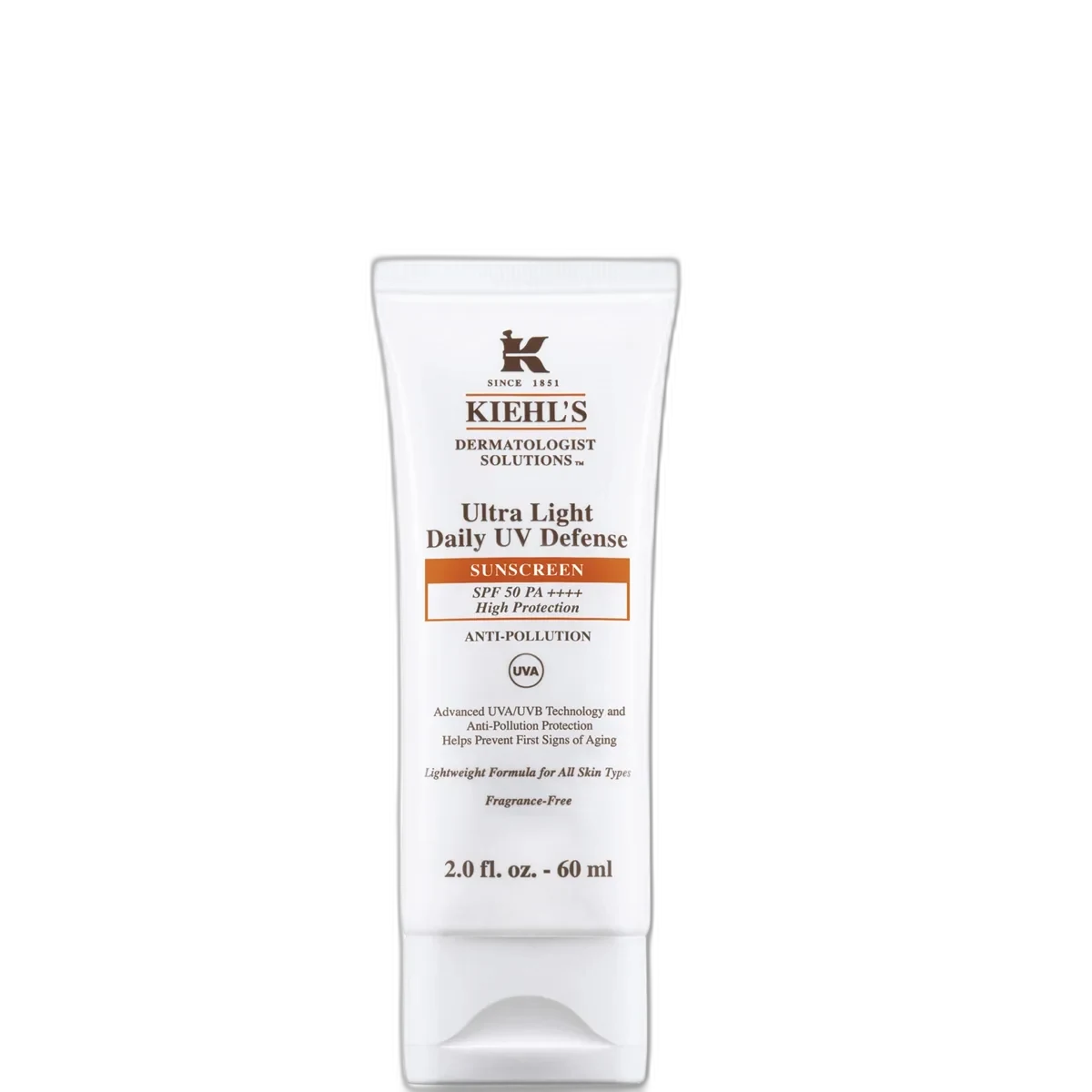
Ultra Light Daily UV Defense SPF 50
UV Filter Technology Powerhouse
 Verified reviewer
Pros & cons.
- +Six photostable UV filters including proprietary Mexoryl XL deliver exceptional broad-spectrum SPF 50 protection
- +Genuinely weightless aqua-gel texture absorbs in seconds with zero residue
- +Completely invisible finish with no white cast on any skin tone
- +Excellent makeup base that prevents pilling and smooths pore texture
- +Adenosine provides additional anti-aging benefits beyond pure sun protection
- +Matte finish controls shine effectively for four to six hours
- +Oil-free and non-comedogenic formula works well for acne-prone skin
- −High concentration of Alcohol Denat. is potentially drying for dry or compromised skin
- −Menthol derivatives may irritate sensitive or rosacea-prone skin
- −Premium pricing of approximately $45 for 60 mL limits daily-use affordability
- −Increasingly difficult to find through major US retail channels
- −Not cruelty-free due to parent company testing policies in certain markets
The full review.
There is a quiet irony in Kiehl’s Ultra Light Daily UV Defense SPF 50. The brand trades heavily on its 1851 New York apothecary origins — the hand-lettered labels, the vintage pharmacy aesthetic, the staff in white coats — but the technology inside this tube is pure twenty-first-century L’Oréal. Specifically, it is the result of decades of UV filter research that produced the Mexoryl family of filters, compounds so effective that dermatologists have been requesting their wider availability for years. When L’Oréal acquired Kiehl’s in 2000, it was only a matter of time before these filters migrated from La Roche-Posay Anthelios into the apothecary’s own lineup.
The formula deploys six UV filters — an unusually comprehensive approach for a consumer sunscreen. Mexoryl XL handles broad-spectrum absorption, Tinosorb S provides photostability and additional UVA coverage, and four supporting filters (including Ethylhexyl Triazone and nano Titanium Dioxide) round out the protection matrix. The practical result is SPF 50 protection that holds up under UV exposure rather than degrading like older-generation chemical filters. For anyone who has worn a sunscreen that felt protective in the morning and suspiciously lightweight by afternoon, this photostability is the actual selling point — not the texture, not the brand name.
That said, the texture deserves its reputation. This is genuinely one of the lightest SPF 50 formulas on the market. It applies like a barely-there gel, absorbs within seconds, and leaves a matte finish that oily skin types will appreciate on a near-spiritual level. There is no white cast, no greasy residue, no tacky film. Under makeup, it performs beautifully — foundation glides on without pilling, and the methyl methacrylate crosspolymer in the formula acts as a subtle blurring agent that smooths out pore texture.
The mechanism behind this lightweight feel is worth understanding, because it comes with a trade-off. Alcohol Denat. appears second in the inactive ingredient list, which means it is present in significant concentration. Alcohol is the reason this sunscreen absorbs so fast and dries so matte — it evaporates rapidly, carrying the UV filters into a thin, even film on the skin surface. For oily and normal skin types, this is elegant engineering. For dry, dehydrated, or barrier-compromised skin, it is a potential problem. The formula includes glycerin and propylene glycol as humectants to offset the drying effect, but they cannot fully compensate for a high alcohol load on skin that is already struggling to retain moisture.
There is also Menthoxypropanediol in the inactive ingredients — a menthol derivative that produces a cooling sensation on application. Some users find this refreshing; others find it irritating, particularly those with rosacea or reactive skin. Mentha Piperita Extract makes a late appearance in the list as well, reinforcing the cooling profile. If your skin does not tolerate menthol well, this is not the sunscreen for you, regardless of how appealing the UV protection is.
The supporting cast of ingredients adds genuine value beyond sun protection. Adenosine, a well-studied anti-inflammatory and anti-aging molecule, provides a secondary benefit with daily use. Tocopherol stabilizes the formula and adds antioxidant protection. Moringa Oleifera Seed Extract contributes anti-pollution properties, while Gentiana Lutea Root Extract and Rosa Gallica Flower Extract add botanical antioxidant support.
Performance across a full day is strong for most users. The matte finish holds for four to six hours in moderate conditions, though those with very oily T-zones may notice some breakthrough shine by mid-afternoon. In high humidity, the formula holds up better than many competitors, though reapplication every two hours during extended sun exposure remains essential regardless of photostability claims.
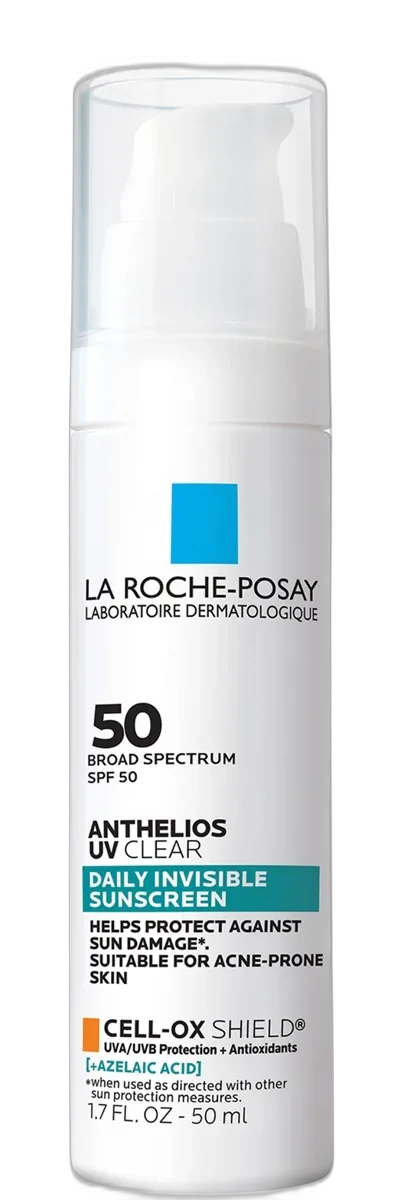
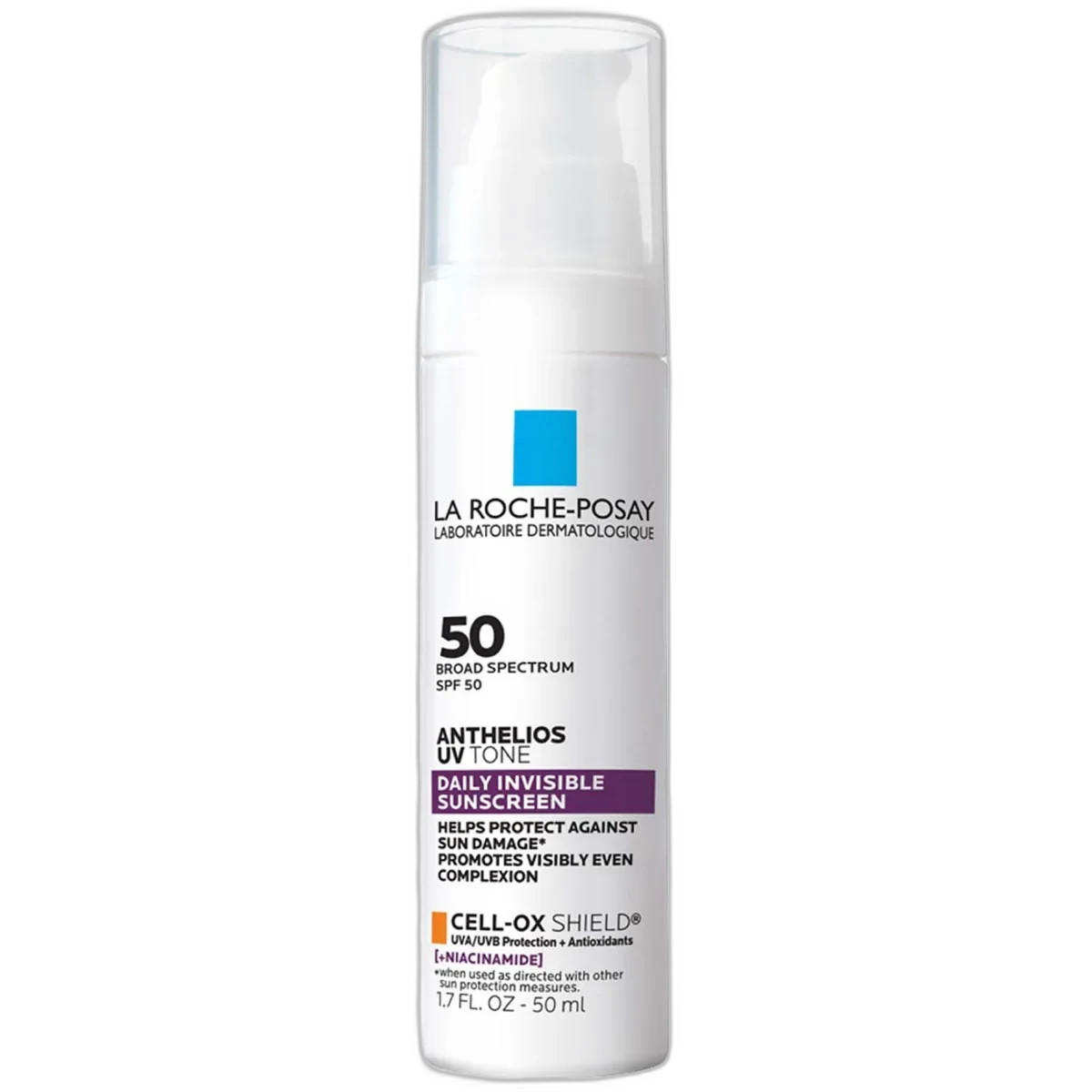
The honest limitation here is price. At approximately forty-five dollars for sixty milliliters, this is a premium-priced daily sunscreen. Given that sunscreen should be applied generously and reapplied frequently, cost per use adds up. L’Oréal makes the same Mexoryl technology available in La Roche-Posay Anthelios products at a lower price point, which raises a legitimate question about whether the Kiehl’s premium is justified by formulation differences or merely by brand positioning.
The other consideration is availability. This specific product has become harder to find through US retail channels, with Kiehl’s pushing its newer Super Fluid Daily UV Defense as the primary lightweight option. International availability remains stronger, but US consumers may find sourcing inconvenient.
For oily and combination skin types who want serious UV protection without the sensory compromises of traditional high-SPF sunscreens, this product delivers. The six-filter system is genuinely excellent, the texture is remarkable, and the matte finish is among the best in the category. Just understand what you are getting: cutting-edge UV technology in a formula optimized for oil control, with alcohol as the enabler of its featherweight finish. If that trade-off works for your skin, this is a very good sunscreen. If it does not, the same parent company makes options that will.
Ingredient analysis.
Full INCI list
Active Ingredients: Ethylhexyl Triazone (50 mg/mL), Diethylamino Hydroxybenzoyl Hexyl Benzoate (30 mg/mL), Bis-Ethylhexyloxyphenol Methoxyphenyl Triazine (30 mg/mL), Drometrizole Trisiloxane (10 mg/mL), Titanium Dioxide (25 mg/mL). Inactive Ingredients: Aqua/Water, Alcohol Denat., Diisopropyl Sebacate, Isopropyl Lauroyl Sarcosinate, Propylene Glycol, Glycerin, Methyl Methacrylate Crosspolymer, Tocopherol, Stearic Acid, Phenoxyethanol, Cetyl Alcohol, Palmitic Acid, Styrene/Acrylates Copolymer, Ceteth-10, Caprylyl Glycol, Menthoxypropanediol, Dextrin Palmitate, Acrylates/C10-30 Alkyl Acrylate Crosspolymer, Aluminum Hydroxide, Ammonium Polyacryloyldimethyl Taurate, Butylene Glycol, Potassium Hydroxide, PEG-8 Laurate, Disodium EDTA, Adenosine, Myristic Acid, Gentiana Lutea Root Extract, Pentylene Glycol, Mentha Piperita Extract, Butyrospermum Parkii Seedcake Extract, Rosa Gallica Flower Extract, Sorbitol, Moringa Oleifera Seed Extract, Disodium Phosphate, Citric Acid
Skin match.
The science.
The Science
This formula uses a multi-filter UV protection system with two technologies rare in US sunscreens. Drometrizole Trisiloxane (Mexoryl XL) is a patented L'Oréal filter that absorbs UVA and UVB wavelengths. A 2002 study in the Journal of the American Academy of Dermatology shows Mexoryl-containing sunscreens provide superior UVA protection over formulas using avobenzone alone, with less photodegradation over time.
Bis-Ethylhexyloxyphenol Methoxyphenyl Triazine (Tinosorb S) works as a UV absorber and photostabilizer for the other organic filters in the blend. Research in Photodermatology, Photoimmunology & Photomedicine (2007) confirms Tinosorb S keeps its protective capacity after long UV exposure, solving the degradation problem in earlier-generation chemical sunscreens.
The 2.5% nano-scale Titanium Dioxide adds a mineral component that reflects UV radiation via a different mechanism than the organic filters, creating a layered defense. A 2011 British Journal of Dermatology study found hybrid organic-mineral formulations often reach higher SPF values with lower individual filter concentrations, which reduces the sensitization risk of any single filter.
Adenosine is present at a concentration too low to rival dedicated anti-aging treatments, but it has documented effects on collagen synthesis and anti-inflammatory activity. A 2019 study in Clinical, Cosmetic and Investigational Dermatology shows topical adenosine improved wrinkle depth and skin firmness over twelve weeks of daily use, making it a beneficial secondary active in a daily sunscreen.
References
- Mexoryl SX and XL provide superior UVA protection compared to avobenzone-containing sunscreens — Journal of the American Academy of Dermatology (2002)
- Photostability of Tinosorb S (Bemotrizinol) as a broad-spectrum UV filter — Photodermatology, Photoimmunology & Photomedicine (2007)
Dermatologist Perspective
Dermatologists often call broad-spectrum photostable UV protection the most effective anti-aging intervention. Board-certified dermatologists note that formulas combining multiple UV filter technologies — like this product does with organic and mineral components — provide more reliable real-world protection than single-filter approaches. The Mexoryl and Tinosorb systems are well-regarded in dermatological circles for their UVA stability. However, dermatologists caution that the Alcohol Denat. content makes this less suitable for patients with rosacea, eczema, or barrier dysfunction, and they recommend patch testing for sensitive skin before daily use.
Where it fits in your routine.
Apply a generous amount to your face and neck as the last step in your morning skincare routine, at least fifteen minutes before sun exposure. Use about a nickel-sized amount for the face. You can apply it over moisturizer and serum layers. Reapply every two hours during extended outdoor exposure or after swimming or heavy perspiration. Use a hydrating serum underneath to offset the drying potential of the alcohol base.
At about $45 for 60 mL, this is a premium sunscreen. The Mexoryl and Tinosorb filter system justifies the price; these filters are rare, and the six-filter approach shows significant formulation work. However, La Roche-Posay Anthelios products provide similar Mexoryl-based protection for less, so the Kiehl's premium may reflect brand positioning rather than formulation superiority. A 30 mL size is available for trials. The UV technology offers reasonable value, but the luxury price makes it a harder sell.
Oily and combination skin types who dislike greasy, heavy sunscreens will like this formula. It works well for daily makeup wearers needing a matte, pore-blurring primer. Users who prioritize UV filter technology and photostability over ingredient minimalism will appreciate the sophisticated filter blend.
Dry, dehydrated, or barrier-compromised skin will likely react poorly to the Alcohol Denat. content. People with rosacea or menthol sensitivity should avoid the cooling agents in this formula. La Roche-Posay's Mexoryl-based alternatives offer better value for budget-conscious consumers.
Product details.
This watery, ultra-lightweight gel feels like water on the skin. It spreads easily and covers the full face with little product.
It has no added fragrance. A faint clinical scent from the UV filters and a brief alcohol note vanish seconds after application.
Sleek white plastic tube with a twist-off cap. The 60 mL size is compact and travels easily. The simple, apothecary-inspired design matches the Kiehl's brand aesthetic.
The first application causes a brief cooling sensation from the menthoxypropanediol and a fleeting alcohol scent. The formula absorbs in under ten seconds and leaves a matte, barely-there finish. Results are immediate with no adjustment period.
2-3 months with daily face application
12 months
spring summer
The backstory.
Born from L'Oréal's decades of UV filter research, this product leverages Mexoryl technology that the company patented and initially reserved for its La Roche-Posay Anthelios line. Kiehl's reformulated it into an aqua-gel around 2015, specifically targeting oily-skinned consumers frustrated by greasy, heavy sunscreens — a gap the apothecary brand identified through its in-store consultation model.
About Kiehl's
Legacy Brand (20+ years)Kiehl's started as a New York City apothecary in 1851 and has operated for over 170 years. L'Oréal now owns the brand, providing access to the parent company's R&D and proprietary UV filter technologies like Mexoryl.
Common myths.
Avoid chemical sunscreens; use mineral-only formulas instead.
The organic UV filters in this product — including Tinosorb S and Mexoryl XL — are some of the most well-studied and photostable filters available. Global regulatory agencies approve these filters using extensive safety data, and this hybrid approach reduces the amount of each individual filter needed.
Alcohol in sunscreen always damages the skin barrier.
Alcohol Denat. can irritate, but here it creates an ultra-light texture and fast absorption. For oily and normal skin, the amount used won't damage the barrier when paired with the formula's glycerin and emollient ingredients. People with dry or compromised barriers should be cautious.
FAQ.
Does Kiehl's Ultra Light Daily UV Defense SPF 50 leave a white cast?
No — 2.5% nano titanium dioxide and five organic UV filters make this sunscreen virtually invisible on all skin tones. The aqua-gel texture dries clear within seconds, making it one of the most cosmetically elegant high-SPF options available.
Is Kiehl's Ultra Light Daily UV Defense good for sensitive skin?
This formula contains Alcohol Denat. (a drying solvent) and Menthoxypropanediol (a cooling agent derived from menthol), which can irritate reactive or sensitive skin. If you have rosacea, eczema, or a compromised barrier, a fragrance-free mineral sunscreen without alcohol is a safer choice.
Can I wear makeup over Kiehl's UV Defense SPF 50?
Yes — this is one of its strongest suits. The matte, non-greasy finish creates an excellent base for foundation, concealer, or powder. Users report zero pilling when layering makeup over it. This happens because the alcohol-driven fast-dry formula and methyl methacrylate crosspolymer smooth skin texture.
How does the Mexoryl technology in this sunscreen work?
Mexoryl XL (Drometrizole Trisiloxane) is a photostable UVA/UVB filter patented by L'Oréal. Older organic filters degrade under UV exposure, but Mexoryl keeps its protective capacity all day. Mexoryl XL (Drometrizole Trisiloxane) works with Tinosorb S and four other filters to create a stable, multi-layered UV defense system.
Is Kiehl's Ultra Light UV Defense SPF 50 reef-safe?
This product uses organic UV filters and nano titanium dioxide instead of oxybenzone or octinoxate, the two filters most often banned by reef-protection laws. It is not marketed as reef-safe, and no independent certification exists for the environmental impact of this specific filter combination.
How often should I reapply Kiehl's UV Defense SPF 50?
Even with photostable Mexoryl and Tinosorb filters, dermatologists recommend reapplication every two hours during continuous sun exposure or right after swimming or heavy sweating. One morning application provides enough protection for most daily activities, indoor or incidental exposure.
Does Kiehl's Ultra Light UV Defense contain fragrance?
The formula has no added fragrance compounds. Rosa Gallica Flower Extract and Mentha Piperita (Peppermint) Extract add subtle botanical scents. Alcohol Denat. also creates a brief scent on application that dissipates quickly. ---
What the community says.
"Feather-light texture that feels like wearing nothing"
"Zero white cast even on deeper skin tones"
"Excellent base under makeup without pilling"
"Shine-free matte finish lasts for hours"
"Fast absorption within seconds of application"
"Alcohol content can feel drying on dehydrated skin"
"Premium price for a daily-use sunscreen"
"Menthol tingle may irritate sensitive skin"
"Limited availability in US retail channels"
People also looked at.