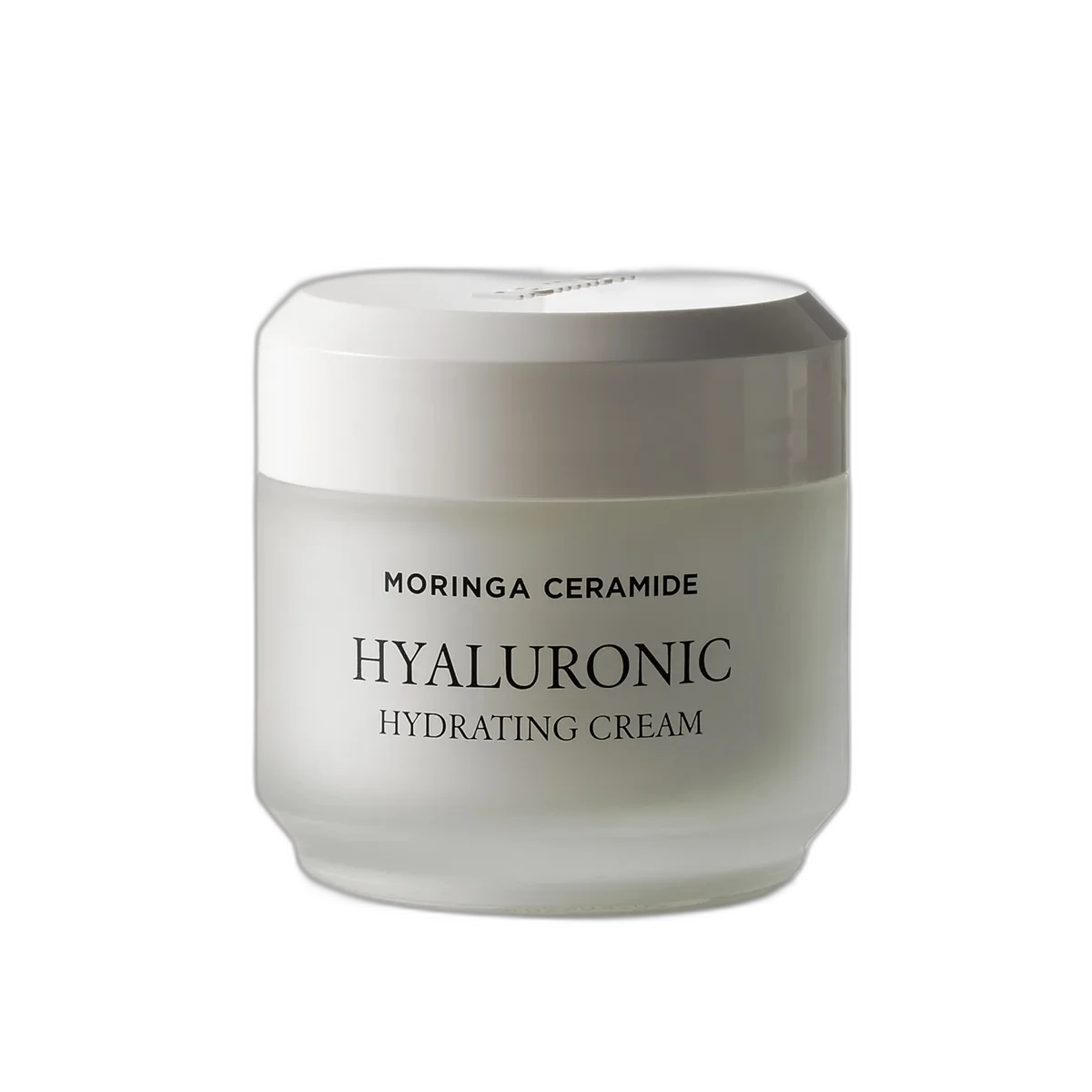
Moringa Ceramide Hyaluronic Hydrating Cream
K-Beauty Barrier Builder
 Verified reviewer
Pros & cons.
- +Elegant texture absorbs smoothly without greasiness or pilling under sunscreen
- +Ceramide NP plus phytosphingosine creates a synergistic barrier-repair system
- +Moringa seed oil provides unique oleic acid-rich emollient with antioxidant properties
- +A little goes a long way — small amounts spread and absorb effectively
- +Includes allantoin and beta-glucan for additional soothing and calming benefits
- +Innovative biosurfactant (sophorolipid) enhances ingredient delivery
- +Suitable for layering in multi-step routines without disrupting other products
- −Ceramide NP at 40ppm (0.004%) is a very low concentration compared to competitors
- −Contains added fragrance — problematic for a barrier-repair product targeting sensitive skin
- −At $32 for 50ml, more potent ceramide options exist at lower price points
- −Limited real-world reviews make long-term efficacy hard to assess
- −Not suitable for oily or acne-prone skin due to rich emollient base
The full review.
About Heimish
For centuries, people have called Moringa oleifera the ‘miracle tree’. Its leaves contain vitamins, its seeds purify water, and traditional medicine in India, Africa, and Southeast Asia uses nearly every part of the plant. Skincare has been slow to adopt it. While argan, jojoba, and rosehip oils are staples, moringa seed oil remains relatively unknown despite its high oleic acid content. Heimish, the Korean brand that launched with a cleansing balm and built a following on gentle efficacy, uses moringa as the anchor for their barrier-repair line.
Texture
The cream shows K-beauty textural engineering. It is thick without being heavy, creamy without being greasy, and absorbs with a smooth, bouncy finish. Use a pea-sized amount — a little goes a long way — and it melts into skin with a glide that shows a well-balanced emulsion system. It works under makeup. It does not pill under sunscreen. At night, it creates a comfortable moisture seal without the thickness of heavier occlusives.
Formula
The ingredient strategy uses two traditions. From Western dermatological science comes the ceramide-phytosphingosine pairing — Ceramide NP at 40ppm alongside phytosphingosine, a sphingoid base the skin uses to synthesize its own ceramides. Hydrogenated lecithin completes the lipid delivery system, forming liposomal structures that ferry these barrier-building ingredients into the stratum corneum. It is a smart setup.
From the K-beauty side comes hydration layering. Hydrolyzed hyaluronic acid at 100ppm provides a low-molecular-weight humectant that penetrates below the skin surface, while glycerin at a higher concentration attracts moisture. The emollient layer — moringa oil, macadamia oil, shea butter, caprylic/capric triglyceride — seals everything in.
Reality
The concentrations of the headline actives are low. Ceramide NP at 40ppm is 0.004% — a trace amount. Hydrolyzed hyaluronic acid at 100ppm is 0.01%. These are not necessarily ineffective — delivery systems matter for lipid-soluble ingredients like ceramides — but they are not the robust concentrations found in CeraVe’s three-ceramide formula or brands built around high-potency ceramide delivery.
The moringa seed oil at 3,920ppm (roughly 0.4%) is more substantial but still modest. Its oleic acid content helps it integrate into the skin’s lipid matrix, and its antioxidant profile includes vitamins A and E, plus zeatin, a plant growth hormone with documented anti-aging properties in preliminary studies. Whether 0.4% delivers measurable benefits beyond other emollient oils is an open question.
One technical detail: the formula includes Candida bombicola/Glucose/Methyl Rapeseedate Ferment, a sophorolipid biosurfactant. This is an innovative ingredient — a fermentation-derived emulsifier that helps distribute active ingredients evenly through the formula. This detail shows Heimish’s chemists think beyond basic cream architecture.
Scent
The fragrance reduces trust. In a product for barrier repair — often needed for sensitivity, irritation, or compromised skin — adding synthetic fragrance prioritizes sensory experience over caution. The fragrance is a subtle, light floral note that fades quickly, but its presence means this cream is not universally safe for the skin conditions it claims to address.
Works for
Daily use performance is good. Skin feels softer, more hydrated, and more resilient after consistent use. The cream does not perform miracles on severely compromised barriers like a no-frills ceramide ointment, but it makes daily moisturizing feel like a small luxury rather than a medical intervention. Skincare compliance matters, and people use products they enjoy.
Pricing
At $32 for 50ml, the price is moderate for K-beauty but high for a ceramide cream. The market offers potent ceramide formulations at half this price. You pay for the experience: the elegant texture, the moringa oil, the packaging aesthetic, and the K-beauty sensory detail. Whether that premium is worth it depends on if your barrier-repair needs are clinical or cosmetic.
Conclusion
The Heimish Moringa Ceramide Hyaluronic Hydrating Cream does many things competently and a few things well. It hydrates, soothes, protects the barrier, and feels lovely on the skin. It does not push the boundaries of ceramide science or deliver the highest potency at this price point, but it makes the twice-daily routine something to look forward to.
Ingredient analysis.
Full INCI list
Water, Glycerin, Butylene Glycol Dicaprylate/Dicaprate, Polyglyceryl-3 Methylglucose Distearate, Hydrogenated Polyisobutene, 1,2-Hexanediol, Phenyl Trimethicone, Caprylic/Capric Triglyceride, Cetearyl Alcohol, Cetearyl Olivate, Sorbitan Olivate, Phytosteryl Macadamiate, Moringa Oleifera Seed Oil (3,920ppm), Polyacrylate-13, Carbomer, Arginine, Macadamia Ternifolia Seed Oil, Hydroxyethyl Acrylate/Sodium Acryloyldimethyl Taurate Copolymer, Glyceryl Glucoside, Allantoin, Oleyl Alcohol, Octyldodecanol, Polyglyceryl-10 Laurate, Ethylhexyl Palmitate, Butyrospermum Parkii (Shea) Butter, Sorbitan Isostearate, Disodium EDTA, Hydrolyzed Hyaluronic Acid (100ppm), Polysorbate 60, Ceramide NP (40ppm), Phytosphingosine, Beta-Glucan, Hydrogenated Lecithin, Candida Bombicola/Glucose/Methyl Rapeseedate Ferment, Glycine Soja (Soybean) Sterols, Tocopherol, Fragrance
Skin match.
The science.
The Science
Ceramide NP is an abundant ceramide in the human stratum corneum and maintains skin barrier function. Research in the Journal of Investigative Dermatology shows that low ceramide levels correlate with atopic dermatitis and age-related dryness. Topical ceramide replacement improves barrier function; a 2003 study in the British Journal of Dermatology shows ceramide-containing moisturizers significantly reduced transepidermal water loss in subjects with atopic dermatitis.
Including phytosphingosine with Ceramide NP is scientifically sound. Phytosphingosine is a sphingoid base—a precursor molecule skin cells use to synthesize ceramides endogenously. A 2008 study in Skin Pharmacology and Physiology shows topical phytosphingosine application promotes ceramide synthesis in the skin and has antimicrobial properties against Cutibacterium acnes.
Moringa oleifera seed oil has less dermatological research, but its composition is well-characterized. It contains approximately 72-78% oleic acid, making it one of the most oleic acid-rich botanical oils. Oleic acid is the main fatty acid in human sebum, which supports compatibility with the skin's natural lipid composition. A 2016 review in the Journal of Food Science and Technology documented moringa oil's antioxidant properties from tocopherols, carotenoids, and phenolic compounds.
Hydrolyzed hyaluronic acid has a lower molecular weight than standard hyaluronic acid, typically under 50 kDa compared to native HA's 1,000-2,000 kDa. Research in the International Journal of Biological Macromolecules (2017) shows low-molecular-weight HA fragments penetrate deeper into the epidermis, providing hydration to deeper skin layers instead of just forming a surface film.
References
- The role of ceramides in skin barrier function — British Journal of Dermatology (2003)
- Phytosphingosine: friend or foe in dermatology? — Skin Pharmacology and Physiology (2008)
Dermatologist Perspective
Dermatologists use ceramide-based moisturizers for barrier repair, especially for atopic dermatitis, post-procedure skin, or irritant contact dermatitis. Board-certified dermatologists would note the ceramide-phytosphingosine pairing is theoretically sound, but may question if the 40ppm ceramide concentration delivers clinically meaningful barrier repair. For patients with significantly compromised barriers, dermatologists would likely recommend higher-potency ceramide formulations as the primary treatment and suggest this cream as a cosmetically elegant supplementary moisturizer. The added fragrance is unnecessary in a barrier-repair context.
Where it fits in your routine.
Cleanse and apply serums, then scoop a pea-sized amount with the spatula. Warm the product between fingertips and press it into your face and neck with gentle patting. In the AM, let it absorb for one minute before applying sunscreen. In the PM, apply it as the final step. Use a larger amount on dry patches if you have very dry skin. Mix it with a facial oil for extra nourishment during harsh winter conditions.
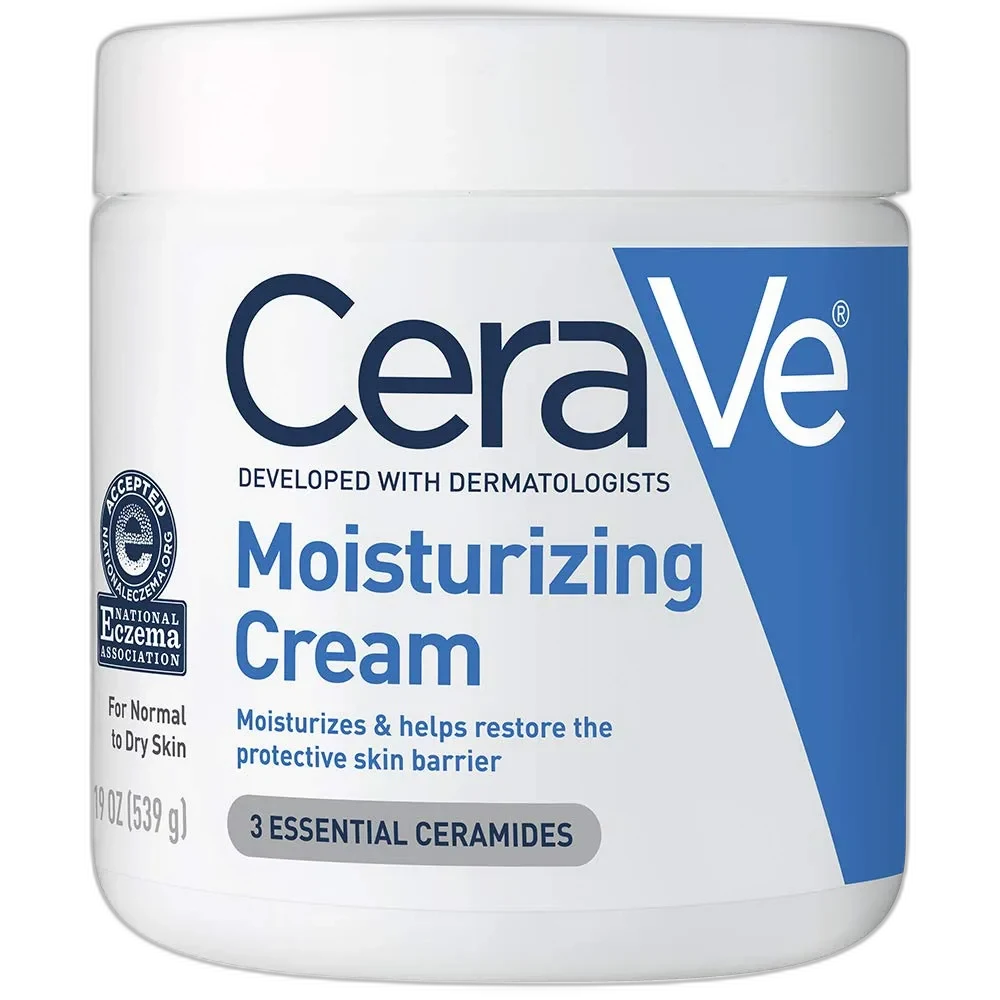
At $32 for 50ml, this cream is mid-range for K-beauty moisturizers. It competes poorly on ingredient potency against ceramide brands with higher concentrations and lower prices. CeraVe's Moisturizing Cream, for instance, uses three ceramides with MVE technology in a 16oz jar for under $20. The Heimish cream offers a more elegant texture, the novel moringa oil angle, and a better sensory experience than CeraVe's Moisturizing Cream. Since a jar lasts 2-3 months, the daily cost is modest. The price is reasonable for consumers who prioritize texture and experience alongside efficacy. Better options exist for those focused purely on ceramide potency per dollar.
Dry to normal skin types can use this daily moisturizer for barrier health and a K-beauty experience. It works well for users who want ceramide benefits in a more cosmetically refined format than clinical barrier creams.
Oily or acne-prone skin types will find this too thick. Those with significantly compromised barriers needing aggressive ceramide therapy should use higher-potency, fragrance-free options. Anyone sensitive to fragrance should also pass.
Product details.
Light floral fragrance — present but not overwhelming. Added fragrance rather than ingredient-derived.
A sage and earth-toned glass jar uses a screw-top lid to match the Moringa Ceramide line aesthetic. It includes a spatula for hygienic dispensing.
The cream melts into skin smoothly and hydrates from the first application. It causes no tingling, burning, or adjustment period. Skin feels softer and more supple immediately. It works under sunscreen and makeup without pilling.
2-3 months with twice-daily face application
12 months
fall winter
The backstory.
Heimish developed the Moringa Ceramide line in 2023 as an extension of their philosophy of gentle, effective skincare. Moringa oleifera — sometimes called the 'miracle tree' — is native to India and has been used in traditional medicine for centuries. Heimish's formula leverages the seed oil's exceptionally high oleic acid content as the foundation for a barrier-repair cream that bridges K-beauty hydration philosophy with Western ceramide science.
About Heimish
Established Brand (5–20 years)Heimish launched in Seoul in 2016 and gained fame with its All Clean Balm. The Moringa Ceramide line shows the brand's move into barrier-repair skincare, using moringa seed oil, ceramides, and hyaluronic acid. Heimish has a loyal K-beauty following but lacks clinical studies for its proprietary formulations.
Common myths.
More ceramides means better barrier repair.
Ceramide concentration matters less than the delivery system. This cream pairs Ceramide NP with phytosphingosine (a ceramide precursor) and hydrogenated lecithin (which forms liposomal structures) to create a delivery vehicle that integrates with the skin's lipid matrix. A well-delivered low concentration outperforms a poorly delivered high one.
Rich creams will clog pores and cause breakouts.
This cream contains comedogenic ingredients like ethylhexyl palmitate, but the formulation absorbs without a heavy occlusive layer. Oily skin types should use caution, but normal and dry skin types can use thick creams without breakouts.
FAQ.
Is the Heimish Moringa Ceramide Cream good for sensitive skin?
The formula is gentle. It uses allantoin and a ceramide-phytosphingosine complex to support barrier repair, which helps sensitive skin. It contains added fragrance, so sensitive skin types may want to avoid it. If sensitivity comes from a compromised barrier, the ceramide complex helps, but patch test first.
Can I use this cream with retinol?
Yes — the ceramide-phytosphingosine complex and emollient oils in this cream work well with retinol or retinoid treatments. Apply your retinol first, let it absorb, then layer this cream on top to buffer irritation and support the barrier that retinol can temporarily weaken.
How does this compare to CeraVe Moisturizing Cream?
Both contain ceramide NP and hyaluronic acid to repair the barrier. CeraVe uses three ceramides and MVE technology for time-released delivery. It is fragrance-free and costs less. The Heimish cream has moringa seed oil and a smoother texture, but costs more and has fewer ceramide types and a lower ceramide concentration.
Is 40ppm of ceramide enough to be effective?
40ppm (0.004%) is a low ceramide concentration, but the delivery system determines effectiveness. This cream uses Ceramide NP with phytosphingosine and hydrogenated lecithin to form liposomal structures that integrate with the skin's natural lipid barrier. Supporting lipids (moringa oil, shea butter, macadamia oil) also support the barrier.
Is this cream too heavy for summer use?
The cream absorbs well without a thick residue, but works best in fall and winter when skin needs more moisture. In hot, humid summer weather, oily and combination skin types may find it too thick. Dry skin types can use it year-round, especially in air-conditioned environments.
What the community says.
"Very hydrating without feeling heavy"
"A little product goes a long way"
"Absorbs well and layers nicely under makeup"
"Leaves skin soft and plump"
"Contains fragrance which some users prefer to avoid"
"Higher price point than some comparable K-beauty moisturizers"
"Ceramide concentration seems very low at 40ppm"