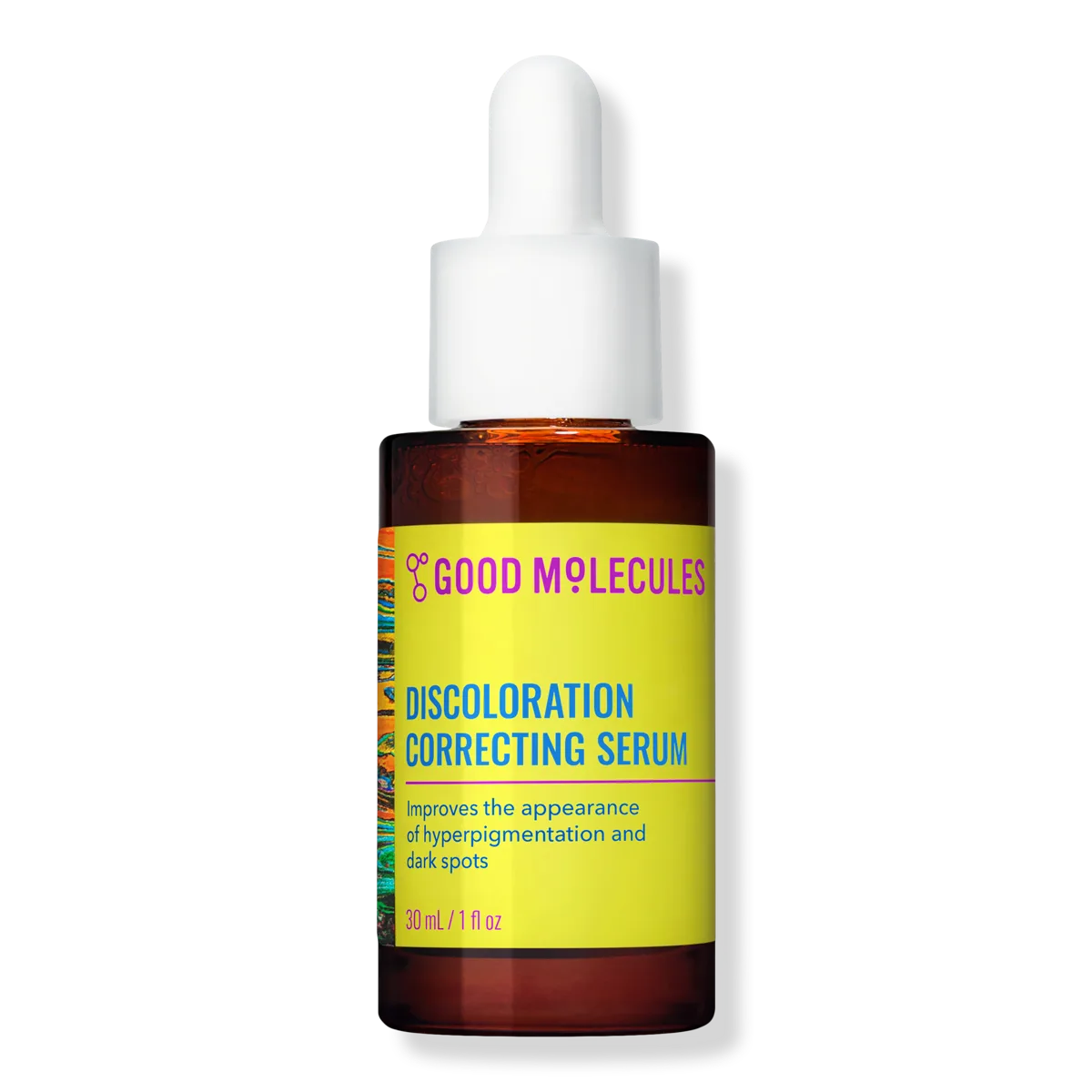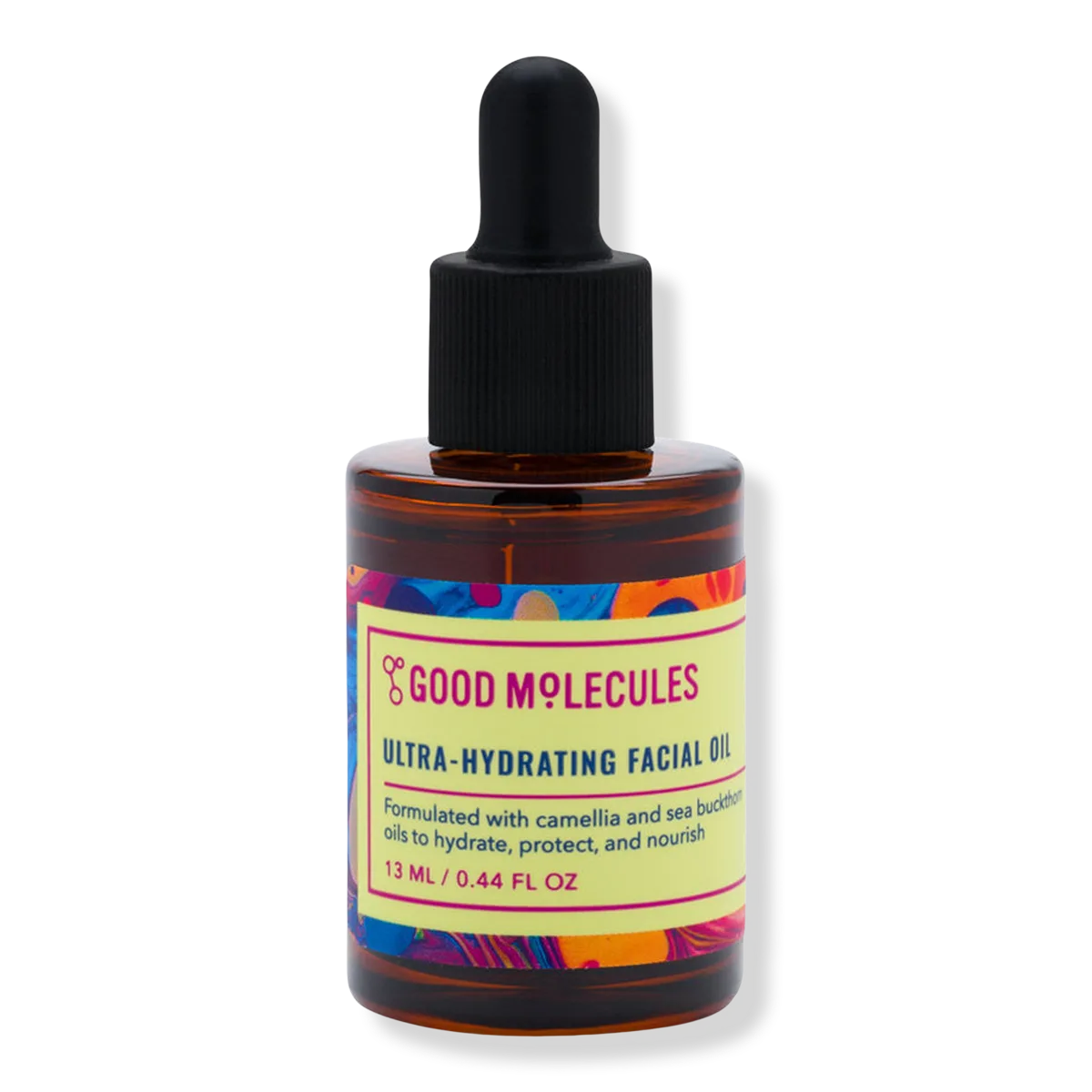
Ultra-Hydrating Facial Oil
Minimalist Oil Pick
 Verified reviewer
Pros & cons.
- +Only two ingredients — the most minimalist facial oil formulation available
- +Camellia oil provides lightweight absorption that doesn't feel heavy or greasy
- +Sea buckthorn delivers rare omega-7 fatty acids for genuine barrier support
- +No fragrance, preservatives, silicones, or filler ingredients of any kind
- +Vegan, cruelty-free, and Leaping Bunny certified
- +Amber glass bottle protects light-sensitive carotenoids from degradation
- −13 mL bottle is small and runs out in 6-8 weeks of nightly use
- −Sea buckthorn pigment can temporarily tint fair skin golden-orange
- −Not suitable for oily skin types or those prone to fungal acne
- −Higher cost per milliliter than larger-format facial oils
- −Only one size available — no larger value option
The full review.
There’s something almost confrontational about a two-ingredient facial oil. In a market where brands routinely cram fifteen botanical extracts into a single bottle — each with its own marketing paragraph and exotic origin story — Good Molecules walks up to the counter with exactly two oils and says: this is enough.
The Ultra-Hydrating Facial Oil contains camellia oleifera seed oil and sea buckthorn oil. Full stop. No fragrance, no preservatives, no emulsifiers, no antioxidant boosters, no silicones to improve the slip. Just two cold-pressed botanical oils in a glass dropper bottle. It’s the skincare equivalent of ordering an espresso in a world of triple-pump oat-milk lattes.
Camellia seed oil, also known as tsubaki oil in Japanese beauty tradition, serves as the lighter, faster-absorbing half of this duo. It’s predominantly oleic acid — a monounsaturated omega-9 fatty acid that closely mimics the lipids naturally found in human sebum. This structural similarity is why camellia oil absorbs so readily into skin without sitting on top like a greasy film. It also carries naturally occurring squalene, vitamin E, and polyphenols that contribute antioxidant activity. In Japanese hair care, camellia oil has been used for centuries. Its application in facial skincare is more recent in Western markets, but the fatty acid profile makes it an excellent emollient for anyone who finds heavier oils like avocado or marula too rich.
Sea buckthorn oil is the nutritional powerhouse of the pair. This is not a subtle ingredient. You’ll notice it the moment you dispense the oil — it’s a deep, almost sunset-orange color, courtesy of its exceptionally high carotenoid content. Sea buckthorn is one of the richest plant sources of palmitoleic acid (omega-7), a fatty acid that’s relatively uncommon in the plant kingdom but plays a role in skin cell regeneration and wound healing. It also delivers omega-3, omega-6, and omega-9 fatty acids, vitamin E, and phytosterols. The result is an oil that doesn’t just moisturize — it actively supports the skin’s barrier repair processes.
In practice, the oil dispenses from the dropper in a thick, golden liquid that’s more viscous than squalane but lighter than something like argan oil. Three to four drops are enough for the entire face. Press it into damp skin — this is important, as the oil will seal in whatever moisture is underneath — and within two to three minutes, it absorbs to a dewy, soft finish. There’s no sticky residue, though your skin will feel noticeably supple and slightly luminous. The scent is faintly earthy and botanical, entirely from the oils themselves, with no added fragrance.
The sea buckthorn pigment is worth addressing directly. On fair skin, you may notice a temporary warm tint immediately after application. This is the carotenoids doing their thing — the same compounds that make carrots orange. It’s not permanent, it’s not staining, and it fades completely by morning. This is one reason Good Molecules suggests nighttime use, and it’s good advice. That said, a couple of drops mixed into your moisturizer can dilute the color enough for daytime use if you’re not especially fair.
For dry and dehydrated skin, this oil is a genuine workhorse. It excels as the final step in a PM routine, sealing in layers of hydrating serums and moisturizers. Chronically flaky patches — the kind that laugh at water-based products — soften noticeably within a week or two of consistent nightly use. The barrier support from the omega-7 fatty acids is tangible; skin feels sturdier, less reactive, and better equipped to hold onto its own moisture.
The honest limitation is the bottle size. At 13 mL, this is a small product. Using 3-4 drops nightly, you’ll get about six to eight weeks of use, which makes the cost-per-mL higher than many facial oils on the market. At roughly ninety-two cents per milliliter, it’s not outrageously priced — you’re paying for high-quality botanical oils without filler — but the small format means you’ll be reordering frequently if this becomes a staple.
The other consideration is skin type compatibility. If you run oily, this oil will likely feel like too much, especially during warmer months. And if you’re prone to fungal acne, the oleic acid in camellia oil can potentially feed Malassezia yeast, making this a product to approach with caution or skip entirely.
But for its intended audience — people with dry, normal, or dehydrated skin who want a clean, transparent facial oil without the marketing noise — the Ultra-Hydrating Facial Oil is refreshingly direct. Two ingredients. No pretense. Just oil that works.
Formula
Texture
In practice, the oil dispenses from the dropper in a thick, golden liquid that’s more viscous than squalane but lighter than something like argan oil. Three to four drops are enough for the entire face. Press it into damp skin — this is important, as the oil will seal in whatever moisture is underneath — and within two to three minutes, it absorbs to a dewy, soft finish. There’s no sticky residue, though your skin will feel noticeably supple and slightly luminous.
Scent
The scent is faintly earthy and botanical, entirely from the oils themselves, with no added fragrance.
Best for
For dry and dehydrated skin, this oil is a genuine workhorse. It excels as the final step in a PM routine, sealing in layers of hydrating serums and moisturizers. Chronically flaky patches — the kind that laugh at water-based products — soften noticeably within a week or two of consistent nightly use. The barrier support from the omega-7 fatty acids is tangible; skin feels sturdier, less reactive, and better equipped to hold onto its own moisture.
Not ideal for
If you run oily, this oil will likely feel like too much, especially during warmer months. And if you’re prone to fungal acne, the oleic acid in camellia oil can potentially feed Malassezia yeast, making this a product to approach with caution or skip entirely.
PM routine
For dry and dehydrated skin, this oil is a genuine workhorse. It excels as the final step in a PM routine, sealing in layers of hydrating serums and moisturizers. Chronically flaky patches — the kind that laugh at water-based products — soften noticeably within a week or two of consistent nightly use. The barrier support from the omega-7 fatty acids is tangible; skin feels sturdier, less reactive, and better equipped to hold onto its own moisture.
Ingredient analysis.
Full INCI list
Camellia Oleifera (Tea-Oil Camellia) Seed Oil, Hippophae Rhamnoides (Sea Buckthorn) Oil
Skin match.
The science.
The Science
Researchers study Sea buckthorn oil (Hippophae rhamnoides) for its unique fatty acid profile. A 2011 review in the Journal of Ethnopharmacology shows sea buckthorn berry oil contains 16-54% palmitoleic acid (omega-7), making it a top plant source for this fatty acid. Palmitoleic acid is a human skin lipid that affects skin cell signaling and wound healing. In vitro studies show palmitoleic acid has anti-inflammatory properties by modulating cytokine production.
Studies focus on Camellia oleifera seed oil for its antioxidant content. Research in the Journal of Agricultural and Food Chemistry shows camellia oil contains polyphenolic compounds, like kaempferol and quercetin glycosides, that scavenge free radicals. The oil's fatty acid composition—about 80% oleic acid—is structurally similar to natural skin sebum, which helps it absorb quickly and stay compatible with skin.
Combining an oleic acid carrier (camellia) with a palmitoleic acid-rich oil (sea buckthorn) creates a profile across multiple lipid classes. No published studies examine this specific two-oil combination, but the complementary fatty acid profiles suggest a rational formulation: camellia acts as the absorption vehicle while sea buckthorn delivers bioactive lipid components.
References
- Sea buckthorn (Hippophae rhamnoides L.): A review of the chemistry and biological properties of the fruit oil — Journal of Ethnopharmacology (2011)
Dermatologist Perspective
Dermatologists use plant-based oils as effective occlusive and emollient agents for dry or compromised skin barriers. Dermatological literature highlights sea buckthorn oil for its anti-inflammatory fatty acid profile and wound-healing properties. Board-certified dermatologists note that this two-ingredient formula's simplicity benefits patients prone to contact dermatitis, as fewer ingredients decrease allergic reaction risks. However, dermatologists advise that patients with oily or acne-prone skin use caution, as oleic acid-predominant oils can increase congestion in sebum-rich areas.
Guidance
Where it fits in your routine.
Dispense 3-4 drops onto fingertips and press gently into slightly damp skin as the final step of your nighttime routine. For best results, apply over a hyaluronic acid serum or moisturizer while skin is still damp — the oil will seal in the water-based hydration underneath. Can also be mixed with your moisturizer for a single-step application. Use at night to avoid any temporary tinting from the sea buckthorn carotenoids.
At $12 for 13 mL, this oil costs about $0.92 per milliliter. This price is reasonable for a two-ingredient botanical blend without filler. However, the small bottle size requires frequent repurchasing for daily users, and the lack of a larger value size is a missed opportunity. The price reflects ingredient quality instead of marketing overhead, but the per-bottle value is low compared to competitors offering 30 mL or more at similar price points. Dry skin types using facial oil nightly should budget $72-80 per year to keep this in rotation.
People with dry, dehydrated, or normal skin seeking a clean, transparent facial oil with zero unnecessary ingredients. It works for minimalists, ingredient-conscious shoppers, and sensitive skin users who want to avoid the preservatives and emulsifiers in more complex oil blends.
This works for oily or acne-prone skin, fungal acne, or users who want a facial oil with added actives like retinol or vitamin C. If you use facial oil quickly and care about cost-per-mL, the 13 mL format offers less value.
Product details.
This medium-weight golden oil is slightly thicker than pure rosehip or squalane oils. It absorbs within a few minutes and does not feel heavy.
The oils provide a faint natural botanical scent without added fragrance. The sea buckthorn adds a subtle earthy, slightly sweet aroma.
Small amber glass dropper bottle uses a twist-cap pipette. The dark glass protects the carotenoid-rich sea buckthorn oil from light degradation.
The oil is a distinct golden-orange color on first use. Apply to damp skin for best absorption. The camellia oil base sinks in faster than expected, but wait 2-3 minutes before touching pillows. A faint yellow tint may stay on fair skin until morning.
6-8 weeks with nightly use (3-4 drops per application)
6 months
fall winter
The backstory.
Good Molecules designed this oil as the ultimate proof of their less-is-more philosophy. Where many facial oils blend five to ten botanicals, this one asks a pointed question: what if two carefully chosen oils are all you need? The answer, for dry skin types, is a resounding yes.
About Good Molecules
Established Brand (5–20 years)Good Molecules launched in 2019 as a Beautylish in-house brand for affordable, transparent skincare. The brand lists full ingredient concentrations on its labels, which is rare in the industry. It builds credibility through affordability and ingredient honesty instead of clinical trials.
Common myths.
Facial oils make acne worse because they clog pores
This depends on the oil's fatty acid profile. Camellia oil is mostly oleic acid. This is generally well-tolerated but can feed Malassezia yeast in fungal-acne-prone individuals. Those with active acne should patch test, even though the oils are non-comedogenic in standard testing.
Sea buckthorn's yellow tint stains your skin.
Natural carotenoids (provitamin A) provide the golden color. This can leave a temporary warm tint on very fair skin after application, but it absorbs and fades within hours. Moderate amounts won't stain skin or fabric.
FAQ.
Can I use Good Molecules Ultra-Hydrating Facial Oil during the day?
Use this at night. The sea buckthorn oil's natural carotenoid pigments leave a temporary golden tint on fair skin that shows under makeup. Applying in the evening lets the oil absorb overnight without tinting concerns.
Is Good Molecules Ultra-Hydrating Facial Oil fungal acne safe?
No. The camellia seed oil has oleic acid, which feeds Malassezia yeast. If you have fungal acne (pityrosporum folliculitis), avoid this oil. Use a squalane-based oil instead.
How long does the 13 mL bottle last?
Apply 3-4 drops to the face nightly. One bottle lasts 6-8 weeks. The per-mL cost exceeds larger facial oils, but the concentrated two-ingredient formula makes it efficient.
Can I mix this facial oil with my moisturizer?
Yes — mix 2-3 drops into your regular moisturizer to boost hydration without an extra step. This distributes the oil more evenly and reduces any temporary tinting from the sea buckthorn.
Why is this oil orange in color?
Natural carotenoids in sea buckthorn oil create the golden-orange color. These compounds act as provitamin A and antioxidants. This color shows potency rather than artificial dye. Higher-quality sea buckthorn oil has deeper pigmentation.
What the community says.
"Absorbs quickly without greasy residue"
"Excellent for dry and flaky patches"
"Only two ingredients — ultimate simplicity"
"Gives a beautiful dewy glow"
"Layers well under or over moisturizer"
"Small bottle for the price — 13 mL runs out quickly"
"Sea buckthorn can leave a temporary yellow tint on fair skin"
"Not suitable for oily or acne-prone skin"
"Thick texture compared to other facial oils"
People also looked at.