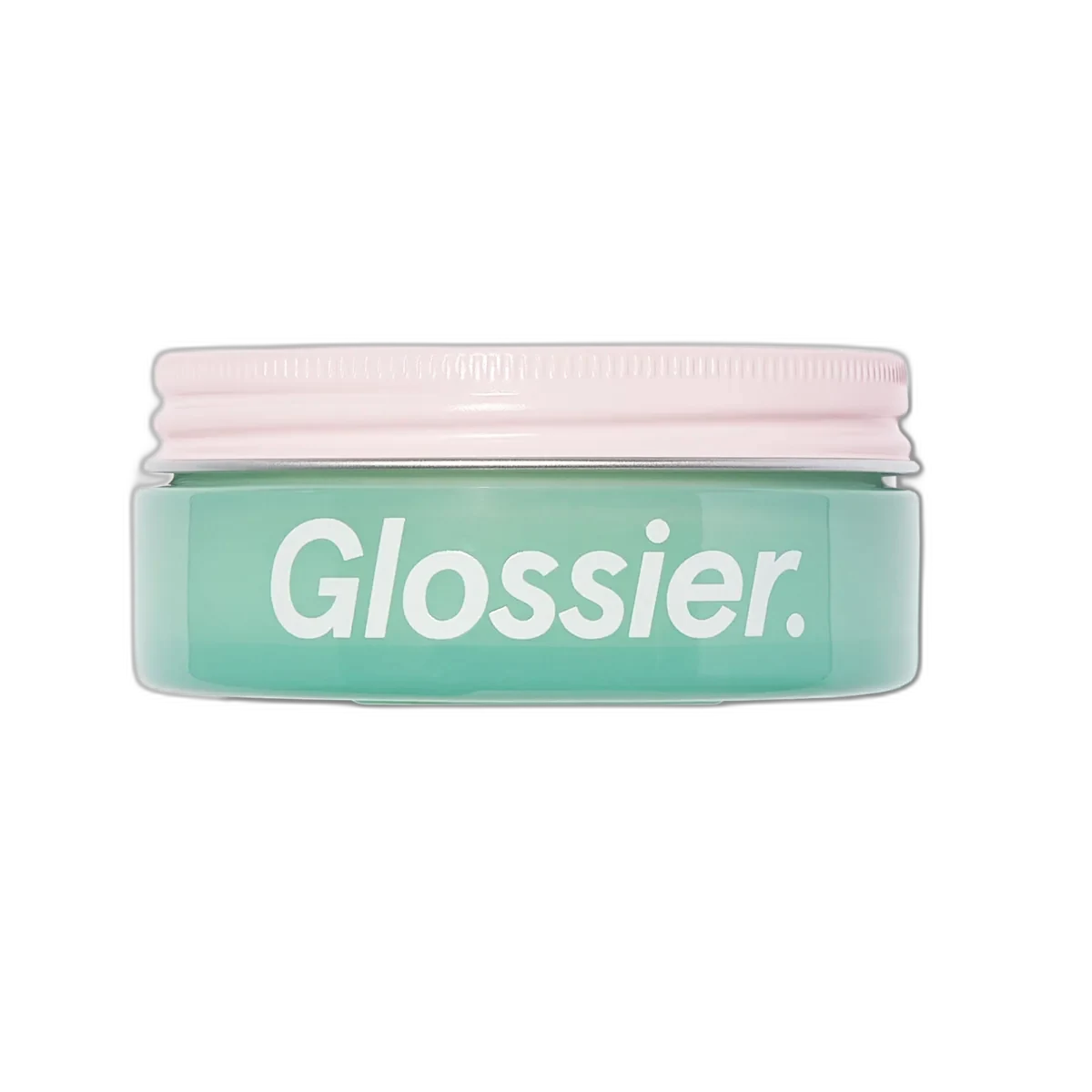
After Baume Moisture Barrier Recovery Cream
Barrier Repair Hero
 Verified reviewer
Pros & cons.
- +National Eczema Association certified — genuine third-party validation for sensitive skin
- +Completely fragrance-free with no essential oils or masking scent
- +Tropical lipid approach with cupuaçu butter provides rich occlusion that feels lighter than it looks
- +Postbiotic lactobacillus ferment addresses microbiome disruption alongside lipid repair
- +Ethyl linoleate delivers barrier-essential linoleic acid in a stabilized form
- +Vegan, Leaping Bunny cruelty-free certified, and fully recyclable packaging
- +Three size options including a $10 mini for low-commitment trial
- −Too rich for oily skin types — likely to cause congestion with daily use
- −Dewy finish may look too shiny on combination or oily areas
- −Glass jar packaging is less hygienic than a tube or pump
- −Can pill under certain sunscreens and makeup formulas if over-applied
- −At $34 for 1.6 oz it costs more per ounce than comparable pharmacy barrier creams
- −Jumbo size frequently sold out limiting access to the best per-unit value
The full review.
For years, Glossier occupied a very specific lane in the skincare world: products that looked great on a shelf, photographed beautifully on Instagram, and did approximately the minimum required to justify calling themselves skincare. The brand was a vibe, an aesthetic, a moodboard made tangible. Which is why After Baume felt like a plot twist.
Launched in February 2022, After Baume is Glossier’s most treatment-forward product — a rich, fragrance-free barrier recovery cream that carries the National Eczema Association Seal of Acceptance. That last detail matters. The NEA seal isn’t a marketing badge you buy with a sponsorship check. It requires ingredient review, formulation assessment, and confirmation that the product meets standards for use on eczema-compromised skin. For a brand whose previous credibility ceiling was ‘your cool friend’s recommendation,’ this was a genuine credential.
The formulation takes an interesting approach to barrier repair. Where most barrier creams in the category — CeraVe, La Roche-Posay, Eucerin — build their formulas around ceramides, After Baume goes tropical. Cupuaçu butter from Brazil anchors the lipid base, a butter with higher water-absorption capacity than shea that provides rich occlusion without the waxy heaviness you sometimes get from petroleum-based alternatives. Babassu oil — another Brazilian native — adds lightweight emollient benefits with its lauric and myristic acid profile.
The texture is the first thing that surprises you. In the jar, it looks thick and serious — you’d expect something that sits heavy on your face. But as you warm it between your fingers, it melts into a surprisingly spreadable cream that absorbs with more grace than its richness suggests. On dry, tight skin, the relief is almost immediate. That awful pulling sensation that comes with a wrecked barrier? Gone within minutes of application. Skin feels cocooned and protected, like someone threw a weighted blanket over your stratum corneum.
Beneath the lipid layer, there’s a thoughtful supporting cast. Glycerin handles humectant duties at an estimated three to four percent concentration. Ethyl linoleate delivers linoleic acid — the essential fatty acid most commonly depleted in compromised barriers — in a stabilized ester form that integrates into the intercellular lipid matrix. A lactobacillus ferment lysate filtrate addresses the microbiome disruption that typically accompanies barrier damage, a detail that elevates this beyond simple moisturization into genuinely holistic barrier recovery.
The postbiotic angle is worth dwelling on. When your skin barrier breaks down, it’s not just lipids that get disrupted — the microbial ecosystem on the skin surface destabilizes too, which can perpetuate inflammation and slow recovery. Including a ferment lysate signals that Glossier’s formulators understood barrier repair as a multi-system problem, not just a ‘slap on something occlusive’ situation.
The finish is decidedly dewy. On dry skin, this reads as healthy and glowy — exactly the kind of luminosity that makes people ask what you’ve been using. On combination or oily skin, it can tip into ‘I forgot to blot’ territory, especially in warmer weather. This is fundamentally a product for dry and sensitive skin types, and oily-skinned users should treat it as a nighttime-only option at best.
Speaking of nighttime: this is where After Baume truly shines. As an overnight recovery treatment — applied generously after retinol, or during a particularly brutal winter week, or after one of those regrettable evenings where you tried two new actives simultaneously — it performs beautifully. Morning skin feels plump, calm, and markedly less irritated than it would without the overnight seal.
About BrandName
Glossier
Scent
The fragrance-free formulation deserves genuine praise. No fragrance. No essential oils. No masking scent. Nothing. For a brand that often leads with sensory appeal, this restraint is both surprising and appreciated. It means After Baume can be recommended without the usual caveat of ‘but check if fragrance bothers you’ — a caveat that applies to an uncomfortable number of barrier creams from otherwise serious brands.
Packaging
The glass jar packaging is the main design misstep. It’s recyclable and aesthetically on-brand, but for a product designed for compromised, potentially infected skin, requiring users to repeatedly dip fingers into the jar is a questionable choice. A tube or pump would be more hygienic and more practical for the treatment-focused positioning.
Price
At thirty-four dollars for 1.6 ounces, After Baume sits above drugstore barrier creams but below luxury options. The availability of a ten-dollar mini for trial and a fifty-six dollar jumbo for committed users shows smart sizing strategy. The jumbo, when available, offers meaningfully better per-ounce value.
Value
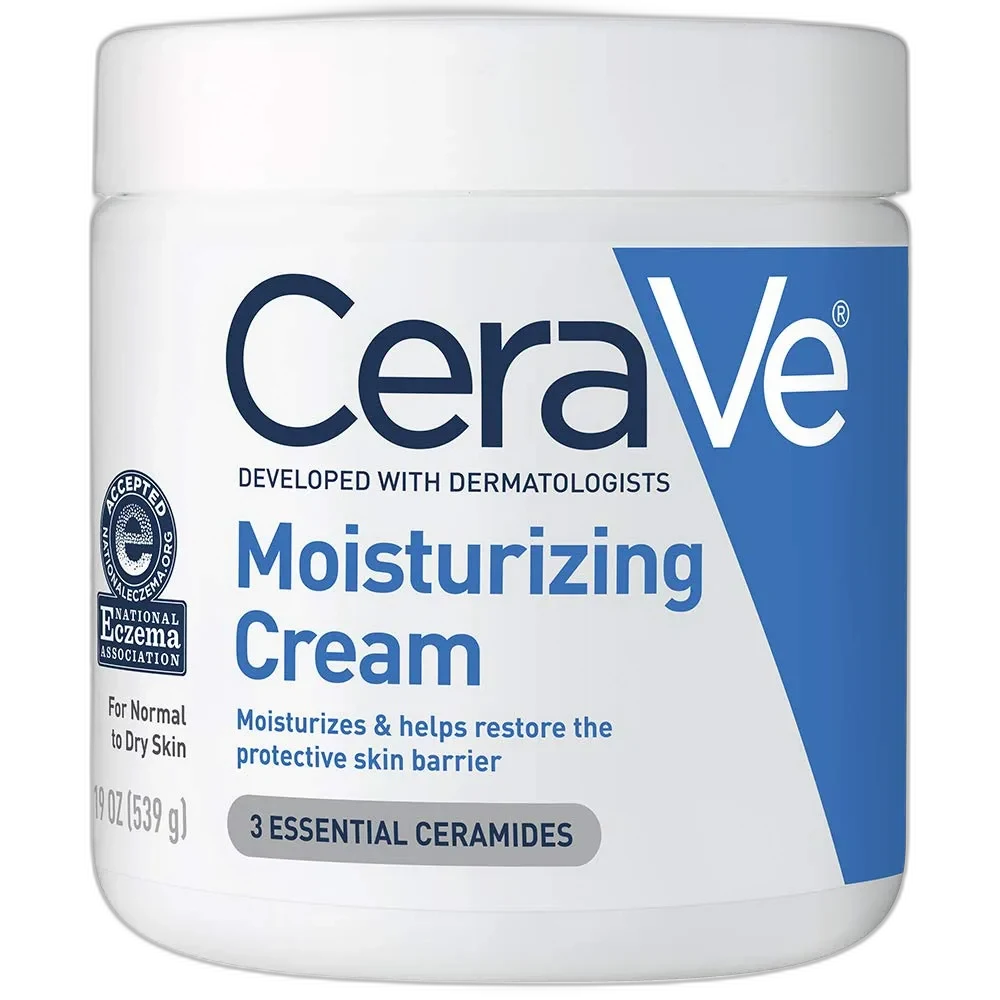
The value question comes down to what you’re comparing against. Is it more expensive per ounce than CeraVe Moisturizing Cream? Yes, significantly. Does it offer meaningful advantages? The fragrance-free formulation, the postbiotic component, the Leaping Bunny certification, and the lighter-feeling texture are genuine differentiators. Whether those justify the premium depends on your priorities. For someone who needs cruelty-free, vegan, fragrance-free barrier repair with NEA backing — that’s actually a short list, and After Baume is on it.
Summary
This is the product that proved Glossier can play in the treatment space, not just the aesthetics game. The NEA seal wasn’t a fluke — the formulation earns it. For dry and sensitive skin types dealing with barrier damage from any source, After Baume delivers exactly what its name promises: the thing that comes after the damage, the calm after the storm.
Ingredient analysis.
Full INCI list
Water/Aqua/Eau, Phytosteryl/Isostearyl/Cetyl/Stearyl/Behenyl Dimer Dilinoleate, Orbignya Oleifera Seed Oil, Glycerin, Phytosteryl/Behenyl/Octyldodecyl Lauroyl Glutamate, Theobroma Grandiflorum Seed Butter, Cetearyl Olivate, Glyceryl Stearate, Cetearyl Alcohol, 1,2-Hexanediol, Lactobacillus Ferment Lysate Filtrate, Sorbitan Olivate, Ethyl Linoleate, Inulin Lauryl Carbamate, Chlorella Vulgaris Extract, Leuconostoc/Radish Root Ferment Filtrate, Tocopherol, Arginine, Sclerotium Gum, Propanediol, Sorbitan Isostearate, Lactic Acid, Dimethicone, Hydroxyethyl Acrylate/Sodium Acryloyldimethyl Taurate Copolymer, Hydroxyacetophenone
Skin match.
The science.
The Science
After Baume uses a barrier-repair strategy centered on lipid replenishment via plant-derived fatty acids and phytosterols, rather than the ceramide-focused approach common in pharmacy brands. Cupuaçu butter (Theobroma grandiflorum) contains phytosterols and long-chain fatty acids — primarily stearic, oleic, and arachidic acids — that integrate into the stratum corneum intercellular lipid matrix. Comparative studies show cupuaçu butter has a higher water-absorption capacity than shea butter; this explains why the cream feels thick without the heavy, waxy finish of more saturated butters.
Ethyl linoleate delivers linoleic acid — an omega-6 essential fatty acid the skin cannot synthesize and must obtain externally — as an esterified form for better stability and penetration. Linoleic acid deficiency is a documented feature of barrier dysfunction: studies show compromised skin barriers have depleted linoleic acid levels in the ceramide-1-linoleate fraction, and topical replenishment supports structural barrier restoration.
The postbiotic component — lactobacillus ferment lysate filtrate — is a growing area of evidence in dermatology. While no independent published trials study the specific filtrate in After Baume, the broader class of lactobacillus-derived ferment lysates shows anti-inflammatory activity and microbiome-supporting effects in skin models. This inclusion addresses the symbiotic relationship between the skin's lipid barrier and its microbial ecosystem. When one destabilizes, the other often follows, creating a cycle that simple occlusion alone may not break.
Glycerin, the formula's primary humectant at an estimated three to four percent, has decades of evidence confirming it increases stratum corneum hydration and improves barrier function. The glycerin works within a classic moisture-sandwich architecture: a humectant layer beneath an occlusive lipid layer (cupuaçu butter, babassu oil, dimethicone), which prevents the glycerin-attracted water from evaporating and forces it to hydrate the skin.
Dermatologist Perspective
Dermatologists use barrier-recovery creams to manage conditions from eczema and contact dermatitis to retinoid-induced irritation and post-procedure healing. Board-certified dermatologists would note that After Baume's NEA Seal of Acceptance provides credibility — the certification process evaluates ingredients for irritation and sensitization potential. The fragrance-free, minimal-irritant formulation aligns with dermatologist recommendations for compromised skin. While After Baume lacks ceramides compared to the most-prescribed pharmacy options, dermatologists acknowledge that plant-derived lipids with complementary fatty acid profiles effectively support barrier repair through alternative mechanisms.
Where it fits in your routine.
Warm a pea-sized amount between fingertips and press into clean skin as your final step. In the morning, use a thin layer to hydrate without excessive shine, then apply sunscreen. At night, apply more generously to areas that feel tight, dry, or irritated from active treatments. Use it over retinol, vitamin C, or exfoliants as a recovery seal. For dry patches, apply a thicker layer and let it absorb overnight. Do not apply too much during the day to prevent pilling under makeup.
At $34 for 1.6 ounces — about $21 per ounce — After Baume costs more than pharmacy barrier creams like CeraVe Moisturizing Cream ($19 for 19 oz) or Vanicream Moisturizing Skin Cream ($15 for 16 oz). This price pays for a fragrance-free, vegan, Leaping Bunny certified formula with NEA backing, postbiotic technology, and a light texture. The 125 ml jumbo at $56 ($13.50/oz) has better value but often sells out. The $10 mini lets you test the formula first. For consumers needing cruelty-free, vegan barrier repair with NEA certification, the small number of competitors justifies the premium.
Dry and sensitive skin types with barrier damage from over-exfoliation, retinol adjustment, harsh weather, eczema flares, or post-procedure recovery use this. It works well for consumers who want cruelty-free, vegan, and fragrance-free formulas that still work.
Oily skin types will find this too thick for regular use, even at night. Acne-prone skin needs caution because of the plant oils and potential comedogenic ingredients. People on a strict budget can find effective barrier repair at lower price points from pharmacy brands.
Product details.
fall winter
The backstory.
After Baume launched in February 2022 as Glossier's most treatment-oriented skincare product — a departure from the brand's traditionally light, barely-there formulations. It was designed to address the growing demand for barrier-repair products fueled by the 'skinimalism' trend and widespread over-exfoliation. The NEA Seal of Acceptance represented a credibility milestone for a brand often perceived as more aesthetics than actives.
About Glossier
Established Brand (5–20 years)Emily Weiss founded Glossier in 2014, stemming from the Into The Gloss beauty blog. The brand moved beyond DTC roots to enter Sephora retail in 2023. Glossier products are not dermatologist-developed, but they are dermatologist-tested. Select products, such as After Baume, carry the National Eczema Association Seal of Acceptance. Glossier is Leaping Bunny certified for cruelty-free practices.
Common myths.
Ceramides are necessary for effective barrier repair; a cream without them does not fix a damaged barrier.
Ceramides repair the barrier, but they are not the only way. This formula uses a different lipid strategy: cupuaçu butter, babassu oil, and ethyl linoleate provide fatty acids and phytosterols that integrate into the lipid matrix. The NEA Seal of Acceptance confirms this works for eczema-compromised barriers.
Rich, buttery creams always clog pores.
Comedogenicity depends on specific ingredients, not just texture. This cream is too thick for most oily skin types, but its plant-based lipids (babassu oil and cupuaçu butter) often tolerate better than petroleum-derived occlusives. However, the chlorella extract and cetearyl alcohol have comedogenic potential.
FAQ.
Can I use Glossier After Baume with retinol?
This is one of its best use cases. The thick, occlusive texture buffers retinol irritation. Apply retinol first, wait a few minutes, then seal with After Baume. The cupuaçu butter and babassu oil create a protective lipid layer. This reduces the dryness and flaking retinol causes without interfering with its penetration.
Is Glossier After Baume too heavy for oily skin?
Most oily skin types can use it, especially during the day. The thick, buttery texture and dewy finish may feel heavy and cause congestion. Some oily-skinned users use it as a nighttime-only treatment on dry or irritated areas, or seasonally during winter when oily skin gets dehydrated.
What sizes does Glossier After Baume come in?
Three sizes: a 15 ml mini ($10), the standard 50 ml / 1.6 fl oz ($34), and a 125 ml jumbo ($56). The mini works well for travel or trial. The jumbo has the best per-unit value but sells out often.
Does Glossier After Baume have fragrance?
No — it is fragrance-free. It has no essential oils, no parfum, and no masking fragrance. This fact benefits sensitive and eczema-prone skin and helped it earn the National Eczema Association certification.
How does Glossier After Baume compare to CeraVe Moisturizing Cream?
Both are barrier-repair moisturizers, but they work differently. CeraVe uses three ceramides in a patented MVE delivery system at a lower price. After Baume uses tropical plant lipids (cupuaçu butter, babassu oil) and a postbiotic ferment. After Baume is fragrance-free, vegan, and Leaping Bunny certified; CeraVe is not cruelty-free. After Baume has a lighter texture, while CeraVe is thicker and more occlusive.
What the community says.
"Intensely hydrating and immediately soothes tight, dry skin"
"Fragrance-free formula that doesn't irritate even the most reactive skin"
"Works brilliantly as a recovery treatment after over-exfoliation or retinol use"
"Rich texture melts into skin and delivers a healthy glow"
"NEA certification provides genuine credibility for eczema-prone users"
"Vegan, cruelty-free, and Leaping Bunny certified"
"Too rich and heavy for oily or combination skin — may cause congestion"
"Can pill under makeup or sunscreen if over-applied"
"Glass jar packaging raises hygiene concerns with daily use"
"At $34 for 1.6 oz it's pricier than similar pharmacy-brand barrier creams"
"Dewy finish may look too shiny on already-oily areas"
"Jumbo size is frequently sold out"