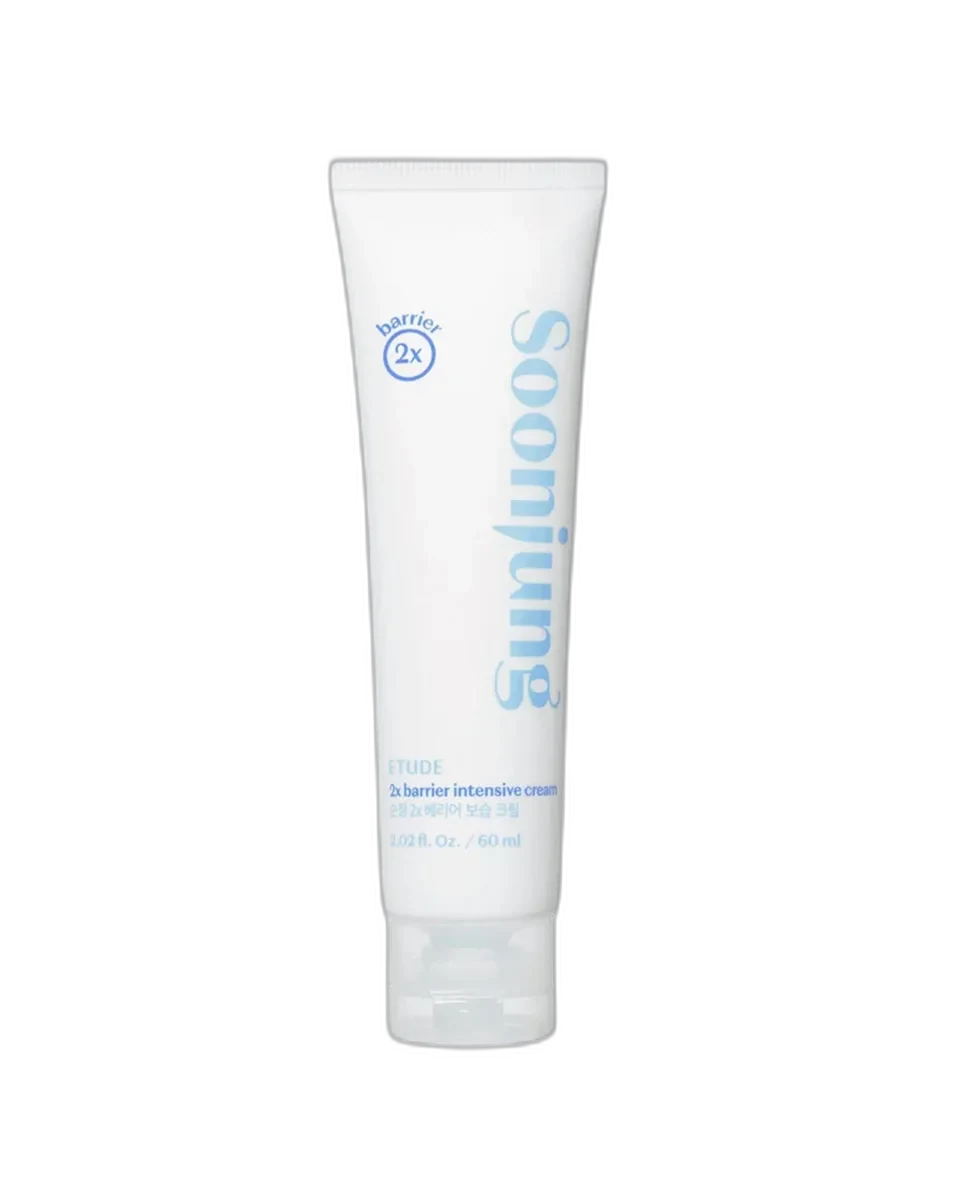
SoonJung 2x Barrier Intensive Cream
Sensitive Skin MVP
 Verified reviewer
Pros & cons.
- +Panthensoside complex at double concentration provides fast, noticeable barrier repair and soothing
- +Only 21 ingredients — radically minimal formula reduces irritation risk to near zero
- +Fragrance-free, silicone-free, and paraben-free with no common sensitizers
- +Excellent as a buffer cream for retinoid and tretinoin users
- +Outstanding value at $20 for a research-backed barrier repair cream
- +pH-balanced at 5.5 to match healthy skin's natural acid mantle
- +Pregnancy-safe formula with no retinoids or flagged ingredients
- −Slight tackiness immediately after application takes 5-10 minutes to resolve
- −Too rich for oily skin types, especially in humid conditions
- −60 mL tube is relatively small with no larger size available
- −Can pill under certain sunscreens if not given adequate absorption time
- −Limited anti-aging or brightening benefits beyond basic hydration and repair
The full review.
There is a delicious irony in the fact that one of K-beauty’s most beloved products exists because K-beauty went too far. The ten-step routine, the acid toners, the weekly peels — South Korea’s skincare revolution created a generation of consumers with glowing skin and also, increasingly, a generation with compromised barriers, persistent redness, and skin so sensitized it could barely tolerate a gentle cleanser. Etude launched the SoonJung line in 2017 as a direct response, and the 2x Barrier Intensive Cream became its flagship statement: sometimes the most sophisticated thing a formula can do is know when to stop adding ingredients.
Twenty-one ingredients. That is the entire formula. For context, the average moisturizer contains somewhere between 30 and 50, and many luxury creams push well past 60. The SoonJung 2x Barrier Intensive Cream builds its entire identity around what it leaves out — no fragrance, no essential oils, no drying alcohols, no silicones, no parabens, no sulfates, no artificial colorants. What remains is a focused core of barrier-repair ingredients anchored by what Etude calls the Panthensoside complex: panthenol (pro-vitamin B5) and madecassoside, a specific triterpenoid derived from centella asiatica, at double the concentration found in the rest of the SoonJung range.
The texture tells you immediately that this is a cream designed for damaged skin that cannot afford to be challenged. It is rich enough to feel substantial — you know something is happening — but light enough that it never crosses into heavy or suffocating territory. There is a brief moment of tackiness after application, about five to ten minutes where the cream is settling into the skin, and then it resolves into a comfortable satin finish that works under sunscreen and makeup without incident, most of the time. Some sunscreens will pill over it, so a brief wait between layers is good practice.
The Panthensoside complex is where the science earns its keep. Panthenol is one of the most well-studied humectants and wound-healing agents in dermatology — it attracts water into the skin, reduces transepidermal water loss, and accelerates the skin’s natural repair processes. Madecassoside, for its part, is the specific centella asiatica fraction that dermatological research has most consistently linked to anti-inflammatory and healing activity. Together in this stripped-back formula, they work without competition from a dozen other active ingredients fighting for receptor attention. It is the skincare equivalent of a quiet room versus a crowded restaurant — sometimes the signal gets through better when there is less noise.
The 2023 reformulation made some meaningful changes worth noting. Shea butter and glycerin were removed — the shea butter in particular was a source of complaints from acne-prone users who found it comedogenic. In their place came hydrogenated vegetable oil, lecithin, and tocopherol. The swap suggests Etude was listening to user feedback, trading a potentially problematic occlusive for a lighter alternative while adding vitamin E for antioxidant support. The core philosophy and the Panthensoside complex remained untouched.
Performance on irritated skin is where this cream truly distinguishes itself. Within minutes of application, red, stinging, or retinoid-burned skin feels noticeably calmer. This is not a placebo effect — the panthenol and madecassoside have genuine anti-inflammatory mechanisms. Users who buffer their tretinoin with this cream have turned it into a cult product in retinoid communities, and for good reason. It provides enough moisture and barrier support to mitigate retinoid dryness and peeling without interfering with the retinoid’s efficacy.
For everyday use on non-irritated skin, the cream performs as a solid, reliable moisturizer that simply does not cause problems. It hydrates well, maintains moisture throughout the day, and its sunflower seed oil provides linoleic acid — an essential fatty acid that compromised barriers are often depleted of. It will not transform your skin, brighten dark spots, or reduce wrinkles. That is not its job, and the formula makes no pretense otherwise. This is a cream that does one thing exceptionally well: it creates a calm, hydrated environment where your skin can repair itself.
The value proposition at around $20 for 60 mL is genuinely impressive. Western pharmacy-brand barrier creams with similar claims and similar ingredient quality typically cost 50% to 100% more for equivalent sizes. The main limitation is that 60 mL feels small if you want to use it on both face and body, and no larger size is available. The tube packaging is functional but can get messy — a pump would be more elegant, though it would also raise the price.
Oily skin is the clearest limitation. The sunflower seed oil and emollient base that make this cream so effective for dry and sensitized skin can feel heavy and potentially congesting for those with overactive sebaceous glands, particularly in warm, humid climates. The lighter SoonJung Centella Hydro Barrier Cream in the same line addresses this gap, but the 2x Barrier Intensive Cream itself is simply not designed for skin that already has abundant oil production.
What makes this cream worth recommending is its fundamental honesty. In an industry that loves to promise transformation, revolution, and youth in a jar, the SoonJung 2x Barrier Intensive Cream promises only that it will not hurt you — and that it will help your skin heal. It delivers on both counts with the quiet confidence of a product backed by Amorepacific’s decades of sensitive skin research, sold at a price that respects the consumer as much as the formula respects the skin.
Ingredient analysis.
Full INCI list · pH 5.5
Purified Water, Propanediol, Pentaerythrityl Tetraethylhexanoate, Caprylic/Capric Triglyceride, Helianthus Annuus (Sunflower) Seed Oil, Polyglyceryl-3 Methylglucose Distearate, Hydrogenated Vegetable Oil, Cetearyl Alcohol, Panthenol, 1,2-Hexanediol, Carbomer, Xanthan Gum, Glyceryl Caprylate, Tromethamine, Ethylhexylglycerin, Disodium EDTA, Madecassoside, Lecithin, Butylene Glycol, Tocopherol, Camellia Sinensis Leaf Extract
Skin match.
The science.
The Science
The Panthensoside complex uses two of dermatology's most evidence-supported soothing and repair ingredients. Panthenol (pro-vitamin B5) converts to pantothenic acid in the skin to aid coenzyme A synthesis, which is essential for lipid barrier repair and cellular regeneration. A 2002 review by Ebner and colleagues in Skin Pharmacology and Physiology showed panthenol improves stratum corneum hydration, reduces transepidermal water loss, and accelerates epithelial wound healing in clinical settings.
Madecassoside is one of the four principal triterpenes of Centella asiatica. Research identifies it as the fraction responsible for Centella asiatica's anti-inflammatory and collagen-stimulating effects. A 2012 study by Li and colleagues in the International Journal of Molecular Sciences showed madecassoside suppresses inflammatory cytokine production (IL-1β, TNF-α) and promotes fibroblast proliferation and collagen synthesis. This dual mechanism allows this cream to calm irritation and support structural repair.
Sunflower seed oil, high in linoleic acid, provides a complementary barrier-repair pathway. Danby and colleagues published research in Pediatric Dermatology (2013) showing sunflower seed oil improves barrier integrity without inducing erythema. This differs from olive oil, which damages the barrier despite traditional use. This finding justifies using sunflower oil instead of other botanical oils for compromised skin.
The formula's pH of 5.5 matches the skin's natural acid mantle. Research by Lambers and colleagues in the International Journal of Cosmetic Science (2006) established that healthy skin maintains a pH between 4.5 and 5.5. Skincare products outside this range can disrupt barrier function and increase irritation and infection risk.
References
- Topical use of dexpanthenol in skin disorders — American Journal of Clinical Dermatology (2002)
- Madecassoside, the main active compound of Centella asiatica, induces the production of collagen type I — International Journal of Molecular Sciences (2012)
- Effect of olive and sunflower seed oil on the adult skin barrier — Pediatric Dermatology (2013)
- Natural skin surface pH is on average below 5, which is beneficial for its resident flora — International Journal of Cosmetic Science (2006)
Dermatologist Perspective
Dermatologists often recommend minimalist moisturizers for patients with compromised skin barriers, contact dermatitis, or post-procedure sensitivity. The SoonJung 2x Barrier Intensive Cream fits this pattern. Board-certified dermatologists note its short ingredient list—specifically the lack of fragrance, essential oils, and common sensitizers—makes it a low-risk choice for reactive skin. The panthenol and madecassoside combination has documented anti-inflammatory and barrier-repair properties in dermatological literature. Clinicians often use this cream in retinoid-use protocols as a buffer that mitigates irritation without blocking tretinoin's clinical benefits.
Where it fits in your routine.
Apply a pea-to-dime-sized amount to clean skin as your last moisturizing step. In the AM, wait 2-3 minutes for absorption before applying sunscreen to prevent pilling. At night, apply after treatment serums or, if using retinoids, layer generously over your retinol or tretinoin once absorbed. You can apply to damp skin for more hydration. Use twice daily.
At about $20 for 60 mL, this cream provides high value for a barrier-repair moisturizer backed by a major conglomerate's research infrastructure. Western pharmacy-brand barrier creams with similar ingredient philosophies and clinical testing usually cost $15-20 for smaller sizes or $30-40 for comparable volumes. The only value limitation is the single available size — a larger tube or tub would improve per-unit economics for users who use it quickly. Amorepacific's research backing and 8+ years of market validation add credibility many similarly priced indie products lack.
People with sensitive, dry, or compromised skin need a reliable barrier repair cream with low irritation risk. This works well for retinoid users seeking a buffer cream, post-procedure skin needing gentle recovery, and anyone reacting to complex, heavily fragranced formulas.
Oily skin types find emollient creams too heavy, especially in warm or humid climates. This cream lacks multi-functional anti-aging or brightening benefits; it focuses only on barrier repair and hydration.
Product details.
Thick but surprisingly lightweight for its density. It spreads easily with a smooth, slightly cushiony feel. The nourishing formula is not as heavy as traditional barrier creams.
Unscented with no detectable fragrance. This follows the SoonJung line's 'pure' philosophy.
Standard squeeze tube in the SoonJung line's signature pastel blue with minimalist white branding. It has a flip-top cap. The design is functional but not premium; some users find the tube gets messy when squeezed repeatedly.
The first application provides immediate soothing; irritated or red skin feels calmer within minutes. It feels slightly tacky at first, but settles to a comfortable, non-greasy film within 5-10 minutes. There is no adjustment period, stinging, or purging.
2-3 months with twice-daily face application
12 months
All Year
The backstory.
Born from South Korea's sensitive skin crisis — where over-exfoliation from the K-beauty multi-step trend left many consumers with compromised barriers — the SoonJung line launched in 2017 as Etude's answer to the damage caused by skincare excess. The 2x Barrier Intensive Cream became the hero product by doing the opposite of what K-beauty was known for: instead of adding more steps and actives, it stripped everything back to the bare essentials.
About Etude
Legacy Brand (20+ years)Etude launched in 1966 as part of the Amorepacific Group, an Asian beauty conglomerate with over 30 years of sensitive skin research. The SoonJung line debuted in 2017 for sensitive skin and is now a global cult favorite.
Common myths.
K-beauty moisturizers use complex, multi-ingredient formulas.
This cream has only 21 ingredients — fewer than most drugstore moisturizers — and skips trendy actives for proven, gentle barrier-repair basics. It shows the K-beauty counter-movement toward ingredient minimalism.
Barrier creams need to feel heavy and occlusive to work
This cream's lightweight texture proves otherwise. Propanediol, sunflower oil, and hydrogenated vegetable oil combine to protect the barrier without the heavy, waxy feel of traditional barrier repair products.
FAQ.
What does the '2x' in SoonJung 2x Barrier mean?
'2x' means this formula has double the concentration of Etude's proprietary Panthensoside complex (panthenol + madecassoside) than other SoonJung line products. It is the most intensive barrier-repair option in the range.
Is this cream safe during pregnancy?
Yes — the formula lacks retinoids, salicylic acid, hydroquinone, or other ingredients flagged for pregnancy. Both panthenol and madecassoside are safe during pregnancy, and the minimal ingredient list reduces unexpected sensitivity risks.
Can oily skin use the SoonJung 2x Barrier Cream?
Oily skin types may find this cream too rich, especially in humid climates, as it contains sunflower seed oil and hydrogenated vegetable oil. The lighter SoonJung Centella Hydro Barrier Cream in the same line may be a better fit for oily skin needing barrier repair.
Was the SoonJung 2x Barrier Cream reformulated?
Yes — a major reformulation happened in 2023. The updated version replaces shea butter and glycerin with hydrogenated vegetable oil, lecithin, and tocopherol. The core Panthensoside complex (panthenol + madecassoside) and the formula's minimal philosophy stay the same.
Is Etude SoonJung 2x Barrier Cream fungal acne safe?
The formula contains caprylic/capric triglyceride and sunflower seed oil. Some fungal acne resources flag these as problematic for Malassezia-prone skin. If fungal acne is a primary concern, choose a strictly fungal-acne-safe moisturizer instead.
How does this compare to other barrier creams?
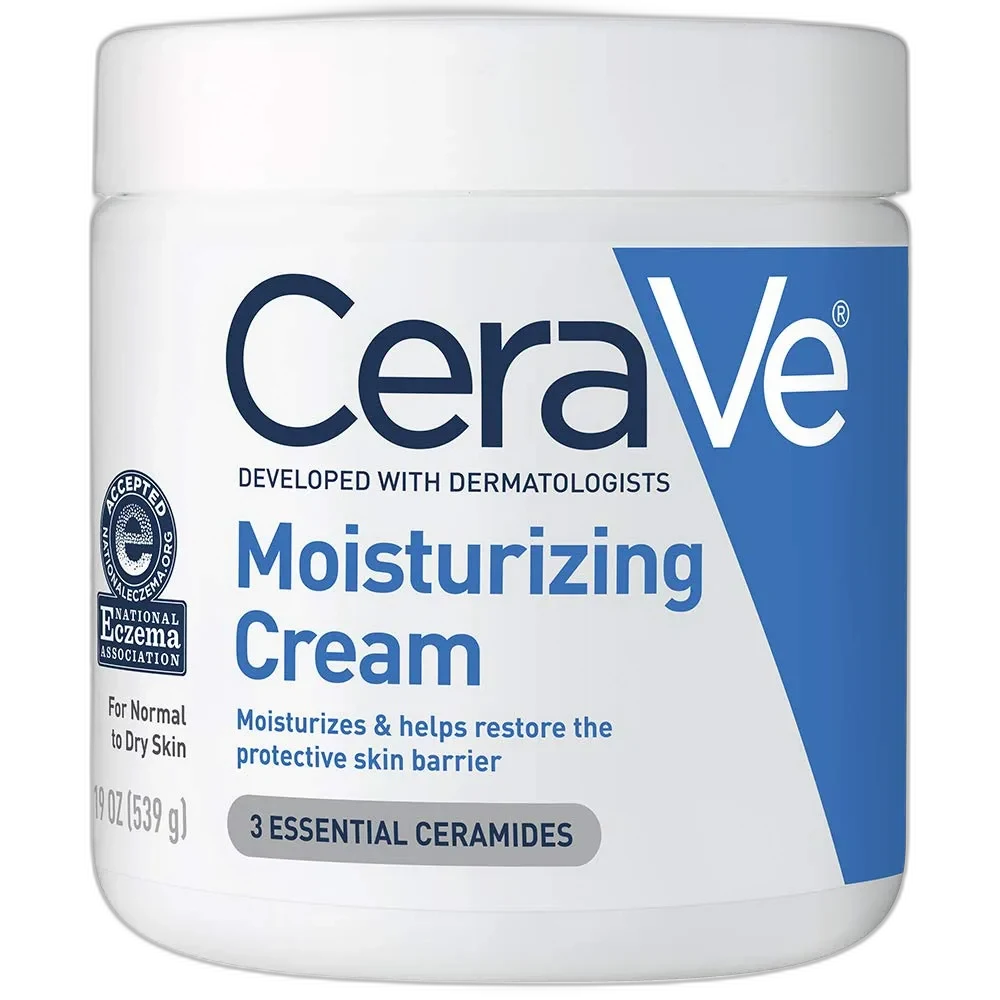
This cream uses minimal ingredients—only 21 compared to 30-50+ in most Western barrier creams. It repairs the barrier using the Panthensoside complex instead of the multi-ceramide approach used by brands like CeraVe. This philosophy works well for highly reactive skin that cannot tolerate complex formulas.
What the community says.
"Calms irritated and sensitive skin remarkably quickly"
"Lightweight texture despite rich moisture delivery"
"Minimal ingredient list gives confidence for reactive skin"
"Excellent value for a research-backed barrier repair cream"
"Works beautifully as a buffer cream over retinoids"
"Can feel slightly tacky immediately after application before settling"
"May be too heavy for oily skin in humid climates"
"Tube packaging can get messy with continued use"
"Some users report pilling under certain sunscreens"
"60 mL size feels small for face and body use"