Sun Drops SPF 50
Luxury Serum Sunscreen
 Verified reviewer
Pros & cons.
- +Modern European UV filter blend for broad-spectrum coverage
- +Serum-format texture feels lighter than traditional SPF
- +No white cast on any skin tone
- +Layers cleanly under makeup without pilling
- +Soothing purslane base relevant to sunscreen function
- +Includes modern filters not approved by FDA domestically
- −Price per application actively discourages correct dosing
- −30ml bottle runs out quickly with proper daily use
- −Fragrance inclusion questionable in a sunscreen
- −European-standard SPF testing differs from FDA methodology
- −Mid-tier alternatives with equivalent filters exist for far less
- −Sensitive skin may react to multi-filter blend
The full review.
Expensive sunscreens face a practical problem unique to their category, and this problem defines Sun Drops. Dermatologists agree that sunscreen effectiveness depends on applying enough: roughly a quarter teaspoon for face and neck, plus reapplication every two hours during sustained sun exposure. Under-application is why real-world sunscreen performance fails to meet the SPF on the bottle. When a product costs 160 dollars for 30 milliliters, the per-application cost psychologically incentivizes users to stretch the bottle and use less than the tested amount. Under-applying a sunscreen due to financial caution is worse than using a cheaper sunscreen generously. This is the most consistent dermatologist critique of luxury sunscreen pricing.
Aside from that, Sun Drops is one of the more interesting products Sturm has made. The UV filter blend uses European-style filters, including Uvinul A Plus (diethylamino hydroxybenzoyl hexyl benzoate) and Uvinul T 150 (ethylhexyl triazone), which are not currently FDA-approved active sunscreen ingredients in the United States. In Europe and much of the rest of the world, these filters are the gold standard for UVA coverage and photostability. The gap between European and American sunscreen technology is an open secret in skincare. Customers seeking the latest UV filter technology have crossed regulatory borders for years to access filters that FDA approval processes haven’t reached. Sun Drops sells in the US under European cosmetic regulation, which allows these newer filters but uses different SPF testing standards than FDA-approved sunscreens.
The filter blend is substantial and well-designed: homosalate and octisalate for UVB absorption, avobenzone for UVA coverage, octocrylene for photostability and as a solvent for avobenzone, Uvinul T 150 for UVB and short UVA, and Uvinul A Plus for long UVA. This multi-filter architecture follows modern sunscreen science for broad-spectrum protection without over-relying on one filter. It delivers SPF 50 protection with full broad-spectrum coverage in a texture that feels like a skincare serum rather than a traditional sunscreen lotion.
The soothing base under the filters is standard Sturm: purslane extract for anti-inflammation, panthenol for barrier recovery, sodium hyaluronate for hydration, and vitamin E as an antioxidant backup. While some Sturm products use a decorative soothing base, this one has a clear purpose—UV exposure triggers inflammation, so the anti-inflammatory layer adds value under a sunscreen. The fragrance is present; it remains the one formulation choice difficult to justify for a brand built on anti-inflammation, especially in a sunscreen used on potentially irritated skin.
The texture is the main practical win. Sun Drops absorbs within a minute, leaves no white cast on any skin tone, feels neither heavy nor greasy, and layers under makeup without pilling. For those who avoided high-SPF sunscreen due to texture or finish, this is a meaningful improvement over traditional formats. It makes daily sunscreen use feel like a skincare step rather than an obligation. This psychological shift improves compliance.
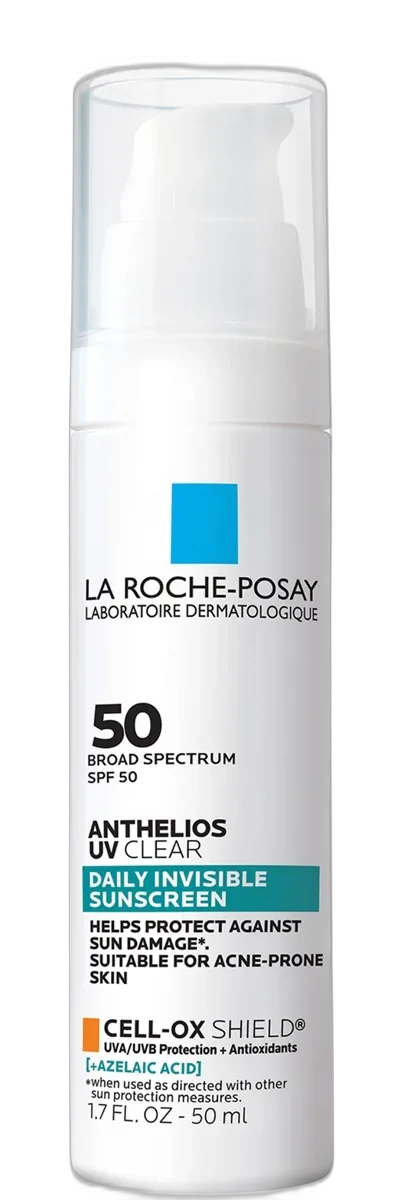
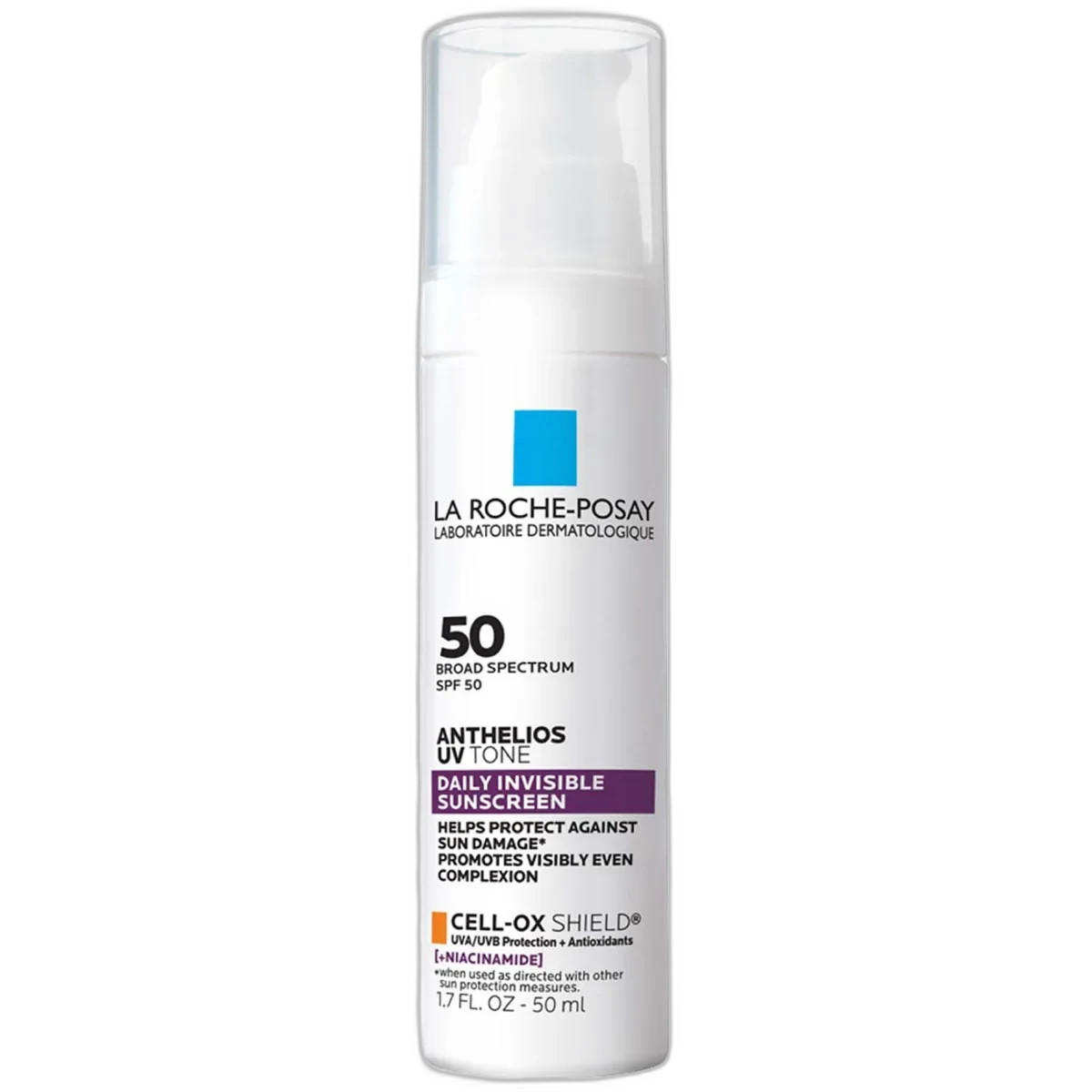
But price undermines compliance. A 30-milliliter bottle, used at the correct dose for face and neck (roughly one gram per application), lasts about 30 applications. At 160 dollars per bottle, that is more than 5 dollars per application—and reapplying twice during a day outdoors costs 10 dollars in sunscreen for one day. Most users seeing that math will apply less, dropping the real-world SPF below the tested value. The 30-dollar EltaMD UV Clear, the 20-dollar La Roche-Posay Anthelios, and the 15-dollar Beauty of Joseon Relief Sun all deliver excellent broad-spectrum protection at prices that encourage generous application instead of conservation.
For customers who can afford 160 dollars per bottle of sunscreen without hesitation, Sun Drops is a well-formulated option that delivers modern European filter technology in a Sturm-brand sensory package. For everyone else, it shows how paying more in this specific skincare category can work against your desired result.
Formula
Formula
Ingredient analysis.
Full INCI list · pH 5.5
Aqua, Homosalate, Ethylhexyl Salicylate, Butyl Methoxydibenzoylmethane, Octocrylene, Ethylhexyl Triazone, Diethylamino Hydroxybenzoyl Hexyl Benzoate, Propanediol, Glycerin, Caprylic/Capric Triglyceride, Cetearyl Alcohol, Glyceryl Stearate, Portulaca Oleracea Extract, Panthenol, Sodium Hyaluronate, Tocopheryl Acetate, Allantoin, Bisabolol, Xanthan Gum, Disodium EDTA, Phenoxyethanol, Ethylhexylglycerin, Parfum
Skin match.
The science.
The Science
Sun Drops uses a UV filter architecture that meets modern European sunscreen formulation standards. The blend uses homosalate and ethylhexyl salicylate to absorb UVB in the 295-315nm range, butyl methoxydibenzoylmethane (avobenzone) for UVA coverage in the 320-400nm range, and octocrylene as a secondary UVB filter and photostabilizer for avobenzone. It also includes ethylhexyl triazone (Uvinul T 150) as a highly effective UVB and short UVA filter, and diethylamino hydroxybenzoyl hexyl benzoate (Uvinul A Plus) for long UVA wavelengths relevant to photoaging. This multi-filter approach follows current sunscreen research: combinations of complementary filters provide better broad-spectrum protection than high concentrations of single filters. Uvinul T 150 and Uvinul A Plus are well-studied in European cosmetic science but the FDA does not currently approve them as active sunscreen ingredients. This explains why they appear in European formulations but not in American sunscreens using FDA monograph pathways. Regulatory discussions regarding the gap between European and American approved UV filters have continued for years. UVA exposure drives photoaging and UV-induced hyperpigmentation; historically, UVA coverage was the weakest part of US-formulated sunscreens because they relied on avobenzone alone. European filter blends like the one in Sun Drops fix this gap. The anti-inflammatory base — purslane, panthenol, centella, bisabolol — adds value because these ingredients help moderate the inflammatory cascade triggered by UV exposure. Current best practice supports both the filter selection and the inflammation-targeting approach, though European brands offer these same filter combinations and architectures in much cheaper products.
Dermatologist Perspective
Dermatologists generally favor modern European-style chemical sunscreens over older American filter blends, especially for UVA protection and photoaging prevention. The filter blend in Sun Drops matches current dermatologic best practice for broad-spectrum protection. Board-certified dermatologists always state that generous, consistent application is the most important factor in sunscreen effectiveness. They also note a specific risk with expensive sunscreens: high cost can deter application, which reduces real-world protection. This is a valid option for patients who can afford the luxury price and still apply it generously. For most patients, dermatologists recommend affordable European-formulated alternatives like Beauty of Joseon, La Roche-Posay Anthelios (European versions), Bioderma Photoderm, or Avène — all use comparable filter technology at prices that encourage proper use. Sunscreen is the one category where paying more can backfire.
Guidance
Where it fits in your routine.
Apply this as your final morning step, after cleanser, serums, and moisturizer. Use at least a quarter teaspoon (roughly one gram) for face and neck; this is the dose used in SPF testing. Massage gently until absorbed. Wait one or two minutes before applying makeup. Reapply every two hours during sustained sun exposure, or more often after swimming or heavy sweating. Apply even on cloudy days or during winter because UVA wavelengths penetrate clouds and windows. Use only in the morning and remove thoroughly at night with a gentle cleanser. Store away from direct sunlight and heat to preserve filter stability.
At 160 dollars for 30 milliliters, Sun Drops is among the most expensive sunscreens per milliliter in luxury skincare. The 30ml bottle provides about 30 applications at the correct dose for face and neck, making the per-application cost over 5 dollars. For users who reapply during the day, daily sunscreen costs reach 10 to 15 dollars. Consistent daily use for one year totals nearly 2,000 dollars in sunscreen. Comparable European-filter sunscreens from Beauty of Joseon, La Roche-Posay, Bioderma, and Avène offer equivalent protection for 15 to 45 dollars per bottle. Sun Drops only makes sense if the brand experience justifies a 5x-to-10x multiple over clinically equivalent options. For customers concerned about correct sunscreen dosing — which every customer should prioritize as the most important factor in real-world protection — this price point is counterproductive.
This suits customers who want modern European UV filters in a serum-format sunscreen, apply generous daily amounts regardless of per-dose cost, and value the Sturm brand experience.
Skip this if the price makes you under-apply sunscreen — that is the worst way to use any SPF product. Skip it if you can buy equivalent European-filter sunscreens from mid-tier brands for much less, as most people can. Fragrance-sensitive or reactive skin should look elsewhere.
Product details.
Thin, slightly emulsion-like serum
Soft floral-powdery parfum
Frosted glass bottle with glass dropper
Sinks in within a minute without a heavy film. The sunscreen feel is light, acting more like a moisturizer than a traditional SPF formulation. It leaves no white cast on any skin tone.
After 1 month of daily correct-dose face application — the small bottle limits practical use
12 months
All Year
The backstory.
Sun Drops launched around 2021 as Sturm's entry into the sunscreen category, designed to fit cohesively into the brand's serum-heavy aesthetic. The product leveraged European cosmetic regulation's more extensive UV filter approvals — filters like Uvinul A Plus and Uvinul T 150 are not currently FDA-approved in the US, which makes European-formulated sunscreens like this one attractive to customers seeking modern filter technology.
About Dr. Barbara Sturm
Established Brand (5–20 years)Sun Drops launched around 2021 as Sturm's serum-like chemical sunscreen. It has retailer reviews but is newer than the brand's core range. Its SPF claim uses European testing standards instead of FDA-approved testing.
Common myths.
Serum-format sunscreens offer less protection than lotion-format sunscreens.
Filter concentration and application dose determine protection, not texture format. A serum-format sunscreen with the correct filter concentration delivers the same SPF as a lotion. However, thin textures cause users to apply less than the tested dose, which reduces real-world protection.
FAQ.
Is this FDA-approved in the US?
The product sells in the US but uses European UV filters, including Uvinul A Plus, which the FDA does not approve as active sunscreen ingredients. European cosmetic regulation classifies the product, allowing these newer filters while using different SPF testing methodology than the FDA.
Will it leave a white cast?
No — this chemical sunscreen lacks zinc oxide or titanium dioxide, so it leaves no white cast on any skin tone. This is a primary selling point of the format.
Is it enough for daily sun protection?
Yes, if you use the right amount (about a quarter teaspoon for face and neck) and reapply every two hours during sustained outdoor exposure. High per-dose costs for expensive sunscreen often cause users to under-apply.
Can I layer it over moisturizer?
Yes — apply it last in your morning routine, after serums and moisturizer. The lightweight texture layers cleanly without pilling.
Is it worth the price?
The formulation uses modern European filters, but sunscreen value matters most because correct dosing and frequent reapplication are critical. At 160 dollars for 30ml, the high cost per application leads to under-use, which negates the effectiveness of the sunscreen.
Is it pregnancy-safe?
Yes — this filter blend contains no ingredients flagged for pregnancy concerns. Some people prefer mineral sunscreens during pregnancy, but this chemical formulation has no established contraindications.
What the community says.
"serum-like texture"
"no white cast"
"doesn't feel like traditional sunscreen"
"plays well under makeup"
"extraordinarily expensive for sunscreen"
"fragrance"
"small bottle requires frequent repurchase"
"encourages under-application at high per-ml cost"
People also looked at.