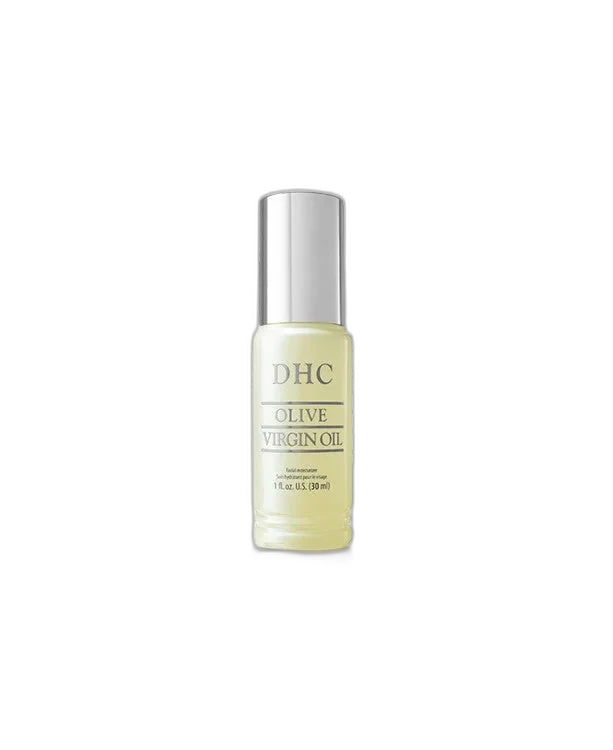
Olive Virgin Oil
DHC Signature Oil
 Verified reviewer
Pros & cons.
- +Single-ingredient purity with only olive oil and stabilizing vitamin E
- +Cold-extracted from organic Spanish olives and ultra-purified in Japan
- +Fragrance-free with no additives beyond the vitamin E stabilizer
- +Genuinely effective on dry, mature, or barrier-compromised skin
- +Absorbs faster than culinary olive oil thanks to the purification process
- +Glass dropper bottle protects the oil from air and light
- +A little goes a long way — small bottle lasts 4-6 months
- +Pregnancy-safe with no questionable ingredients
- −Expensive at $44 for 1 oz compared to cosmetic olive oil alternatives
- −Comedogenic potential makes it a poor choice for oily or acne-prone skin
- −Olive squalane offers a lighter, less comedogenic alternative at a fraction of the price
- −Narrow suitability — really only shines on dry or mature skin
- −Not cruelty-free certified in all markets
- −Value case is brand-philosophy-dependent rather than formulation-driven
Ingredient analysis.
Full INCI list
Olea Europaea (Olive) Fruit Oil, Tocopherol
Skin match.
The science.
The Science
Olive fruit oil is one of the most studied topical oils in cosmetic and dermatological literature. Oleic acid dominates its fatty acid profile (typically 55-83% depending on olive variety and growing conditions), followed by linoleic acid (5-20%), palmitic acid, and smaller amounts of stearic and palmitoleic acids. It also contains natural squalene (chemically identical to the squalene produced by human sebaceous glands), phytosterols, and polyphenolic antioxidants like oleuropein, hydroxytyrosol, tyrosol, and oleocanthal. Published studies show olive oil supports barrier lipids on dry and compromised skin, with small controlled trials measuring improved hydration and reduced transepidermal water loss. Research investigates the polyphenolic content for anti-inflammatory and antioxidant effects, though most evidence comes from in vitro and dietary studies rather than topical trials. Comedogenicity is a real concern. Published rabbit-ear comedogenicity testing shows high-oleic oils have moderate to high comedogenic potential compared with high-linoleic oils — and clinical experience reproduces this pattern, even if the rabbit ear test is a crude model. Published research shows acne-prone skin has lower-than-average linoleic acid content in sebum, which may cause abnormal keratinization in the follicle. Adding more oleic acid via a topical oil can worsen this. Vitamin E in this product acts primarily as a formulation stabilizer to protect polyunsaturated fatty acids from oxidation, though it also provides a modest topical antioxidant effect. The ultra-purification process DHC uses removes aromatic and color compounds that can cause irritation but does not change the oil's fatty acid or antioxidant composition. This product is a higher-grade version of the same ingredient available more cheaply elsewhere — the question is if the grade justifies the premium.
Dermatologist Perspective
Dermatologists view cosmetic olive oil as a reasonable choice for very dry or mature skin but caution against use on acne-prone, oily, or seborrheic-dermatitis-prone complexions. Board-certified dermatologists note that olive oil's high oleic acid content increases comedogenic potential and can worsen breakouts in susceptible users. For dry or compromised skin, especially during winter or post-procedure, olive oil works as a supportive barrier layer when used with a well-formulated moisturizer. Dermatologists also note that olive-derived squalane is often more tolerable for users wanting the olive-oil connection without the full-spectrum oleic acid load, and that barrier creams with ceramides and cholesterol typically outperform pure oils for structural barrier repair. This product fits users interested in single-ingredient formulations and the j-beauty philosophy DHC represents.
Where it fits in your routine.
Apply 2-3 drops to clean skin after water-based serums and before your moisturizer. Warm the oil between your fingertips and press it into the face, neck, and décolletage. For an extra occlusive layer at night, press a drop over your moisturizer before bed. Use it on very dry body areas, cuticles, and dry hair ends, though the price makes face-only use more economical. Do not apply to active breakouts or areas prone to fungal acne or seborrheic dermatitis. Store the bottle away from direct sunlight and close the dropper firmly after each use to prevent air exposure and oxidation.
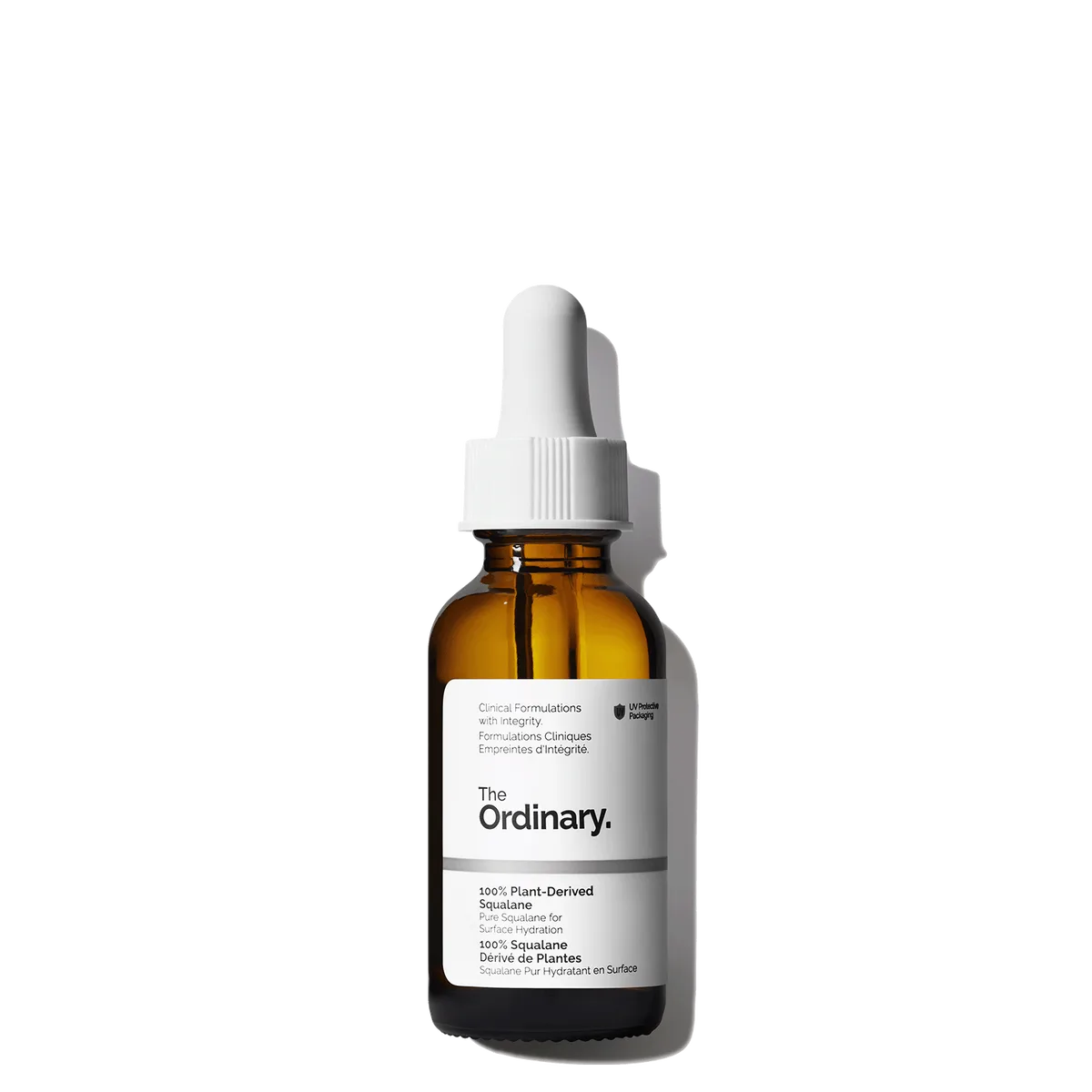
At $44 for 1 oz, this single-ingredient product is expensive. Other brands sell cosmetic-grade olive oil for much less, and olive-derived squalane — a lighter, more stable alternative — costs even less from brands like The Ordinary or Biossance. DHC's value comes from its sourcing (organic handpicked Spanish olives), its purification (done in Japan to a higher standard than most cosmetic olive oils), its brand heritage (DHC's 30+ years of olive oil formulation), and its specific formulation philosophy. The premium makes sense for users who trust those factors. Users who just want effective olive oil on their face can find cheaper alternatives. The 1 oz bottle lasts 4-6 months using 2-3 drops daily, which brings the effective per-use cost to around 20-30 cents.
Choose this if you have very dry, mature, or winter-parched skin and want a pure, single-ingredient face oil from a j-beauty brand. It suits users who value DHC's sourcing and purification standards and prefer a full-spectrum olive oil profile over a lighter squalane alternative.
Oily, combination, or acne-prone skin types face documented comedogenic potential. Budget-conscious shoppers seeking effective olive oil without the brand premium can use alternative cosmetic olive oils or olive-derived squalane. Users with fungal acne or seborrheic dermatitis should avoid it, because Malassezia yeasts feed on oleic acid.
Product details.
Clear, pale-gold oil absorbs faster than culinary olive oil because of the ultra-purification process.
It is fragrance-free because the purification process removes the olive oil aroma.
Small glass dropper bottle — this format protects single-ingredient oils by limiting air exposure.
The first application soothes dry or flaking skin immediately. This oil absorbs faster than most pure face oils and leaves a soft dewy glow instead of a greasy film. It causes no tingling or stinging. Users with very dry or barrier-compromised skin report near-instant relief.
One small bottle lasts 4-6 months using 2-3 drops daily. The small size is offset by the low amount used per application.
12 months
fall winter
The backstory.
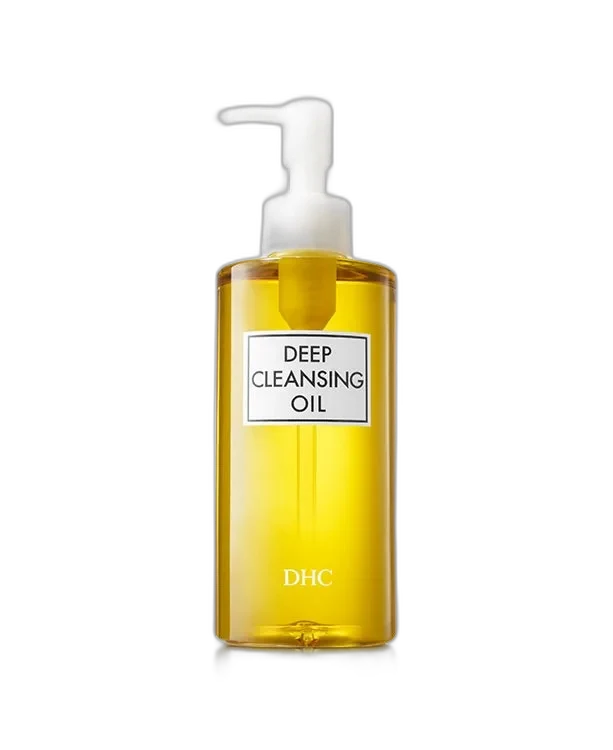
DHC's founder, Yoshiaki Yoshida, discovered olive oil as a skincare ingredient during a 1980s business trip to Spain and built the entire skincare line around it — first with Deep Cleansing Oil in 1995, then expanding into a full range built on the same olive oil heritage. Olive Virgin Oil was added to the line as the purest expression of that philosophy, essentially selling the same organic Spanish olive oil DHC uses across its products in its unadulterated face-oil form.
About DHC
Legacy Brand (20+ years)DHC is an original Japanese olive oil skincare brand. Olive Virgin Oil is the brand's single-ingredient flagship. It reflects the formulation philosophy used since the company pivoted from translation services to cosmetics in the mid-1990s. Japan processes the oil, which comes from organic Spanish olives harvested by hand.
Common myths.
You can just use kitchen olive oil on your face instead
Culinary olive oil has color compounds, flavor compounds, and particulates that irritate skin and oxidize faster than ultra-purified cosmetic olive oil. This product isolates the skin-compatible fraction and stabilizes it with vitamin E. However, the price premium over a well-sourced cosmetic olive oil remains significant.
Olive oil is good for all skin types
Olive oil contains high levels of oleic acid (55-83%). This makes it more comedogenic and more disruptive to the skin barrier than oils high in linoleic acid (like grapeseed or rosehip). This high-oleic profile benefits dry and mature skin. However, it causes breakouts for acne-prone, oily, or seborrheic-dermatitis-prone skin.
FAQ.
Why is it so expensive?
The price reflects the sourcing (organic handpicked Spanish olives), the ultra-purification process (done in Japan), and DHC's brand positioning. It costs more than comparable cosmetic olive oils from other brands — the premium covers brand and philosophy as much as the product itself.
Can I use it on acne-prone skin?
Generally not recommended. Olive oil has high oleic acid, making it more comedogenic than lighter oils like squalane or grapeseed. It can worsen breakouts in acne-prone users. Anyone with active acne or a history of fungal acne should avoid it.
How is this different from squalane?
Squalane is the saturated, stable form of squalene, a component of olive oil. Squalane is lighter, more stable, and less comedogenic than whole olive oil. However, Squalane lacks the polyphenolic antioxidants and linoleic acid found in olive oil. These substances serve different purposes.
Is it fragrance-free?
Yes. The ultra-purification process removes the olive aroma, leaving an odorless oil.
Is it safe during pregnancy?
Yes. Pure olive oil with a trace of vitamin E has no ingredients that raise pregnancy safety concerns.
Can I use it on my body or hair?
Yes. It works well on hair ends, cuticles, and very dry body areas. However, most users use it for the face and choose cheaper oils for body and hair due to the price.
What the community says.
"pure ingredient list"
"incredible on dry skin"
"light for an oil"
"no scent"
"multi-use on face and body"
"very expensive for essentially olive oil"
"too rich for combination or oily skin"
"can clog pores in acne-prone users"
"small 1 oz bottle for the price"