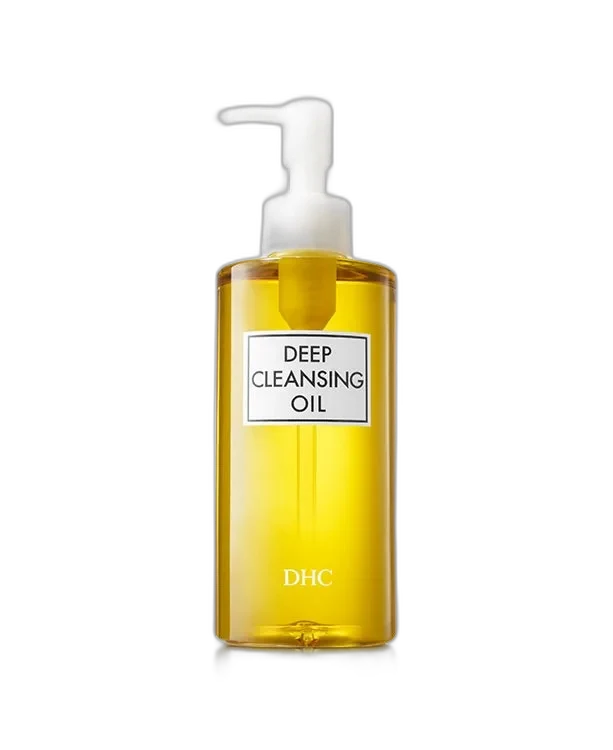
Deep Cleansing Oil
J-Beauty Gold Standard
 Verified reviewer
Pros & cons.
- +Olive oil base dissolves water-resistant sunscreen and makeup more thoroughly than any surfactant cleanser
- +Emulsifies into a clean, milky rinse without leaving residue or greasy film
- +Gentle enough for nightly use on all skin types including sensitive
- +6.7 oz bottle lasts 4-6 months, delivering excellent per-ounce value
- +Four decades of formulation consistency from the brand that defined the category
- +Suitable for eye makeup removal including waterproof mascara
- +Works for blackhead-prone skin by softening and lifting sebum buildup over time
- −Added fragrance makes it unsuitable for fragrance-sensitive or rosacea-prone users
- −Olive oil can trigger breakouts in a small subset of reactive acne-prone users
- −Not fungal-acne safe due to olive oil's ability to feed malassezia
- −Pump dispenser can drip or malfunction on older bottles
The full review.
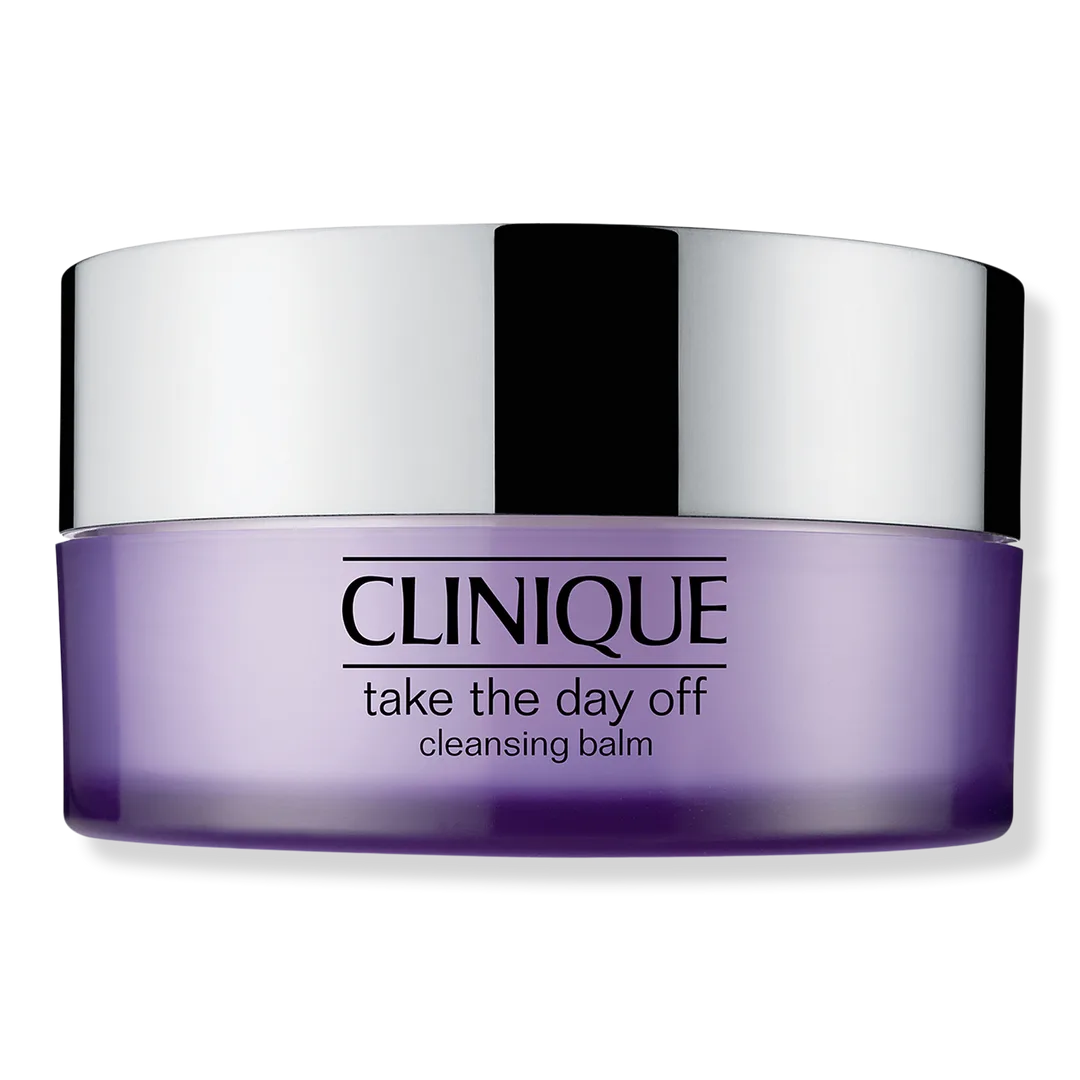
If you’ve ever double-cleansed, you owe a small debt to a 1984 bottle of golden oil from Tokyo. DHC Deep Cleansing Oil is the product that made the double-cleanse method mainstream outside of Japan. Before its global expansion in the early 2000s, American and European skincare shoppers treated cleansing oil as a niche product — something stage actresses used to remove heavy foundation. Japanese women had been using olive-oil-based cleansers as the first step of a nightly routine for decades, but the technique didn’t cross the Pacific until J-beauty started showing up in Sephora and DHC’s Deep Cleansing Oil became the reference point. Most of the cleansing oils now lining the shelves at Ulta — Banila Co Clean It Zero, Tatcha Pure One Step, Then I Met You Living Cleansing Balm, Clinique Take The Day Off — are descendants of this product, or at minimum responses to it.
The formula is almost stubbornly simple. It’s mostly olive oil, stabilized with vitamin E and rosemary extract, emulsified with PEG-20 glyceryl triisostearate, preserved with phenoxyethanol, and perfumed lightly enough that some users don’t even register it as scented. There are no exotic actives, no peptides, no ceramides, no retinoid derivatives. It’s a cleanser, and it knows it’s a cleanser. What makes it work is the chemistry of the emulsifier: when you massage the oil onto dry skin and then add water, the PEG-20 ester bridges the oil and water phases and turns the whole thing into a milky white emulsion that rinses clean. Without that emulsifier, you’d have a greasy residue. With it, you get the distinctive DHC experience that has a million beauty YouTubers filming the color change at the bathroom sink.
The olive oil chemistry is the real work. Lipid-based makeup, silicone-based sunscreens, water-resistant mascara, and sebum all dissolve into olive oil through simple like-dissolves-like chemistry far more effectively than they dissolve into a surfactant solution. That’s why you can melt a full face of SPF 50 in 45 seconds of massaging without scrubbing, and that’s why the users most devoted to this product are people who wear mineral sunscreen every single day — nothing else removes it this thoroughly. For people with blackheads or congested pores around the nose and chin, the regular lipid-dissolving action of a nightly oil massage is genuinely effective at softening and lifting sebum buildup over the course of two to four weeks of use. It’s not a treatment product, but it does more for congestion than most users expect.
The formula has flaws, and an honest review has to name them. The biggest one is added fragrance. It’s a soft, herbal-floral scent and most users don’t find it bothersome, but if you have rosacea or active fragrance sensitization, this isn’t the cleansing oil for you. Fortunately the market has evolved since 1984 and there are now plenty of fragrance-free alternatives from brands like Kose, Senka, and Muji. The second concern is olive oil’s comedogenic reputation. In a rinse-off product this is largely a non-issue for most users — the oil doesn’t stay on the skin long enough to clog pores — but a small subset of reactive acne-prone users do report breakouts. Patch test on the jawline for a week if you’re in that category. Finally, olive oil can feed the yeast that causes malassezia folliculitis (fungal acne), so if you suffer from that specific condition, skip this and use a mineral-oil-based or synthetic-ester-based cleansing oil instead.
Texture-wise, this is one of the most cosmetically elegant cleansing oils you can buy. It’s a clear golden liquid, light on the fingers, and it emulsifies more cleanly than almost any competitor — no sticky residue, no film, no need to follow with an astringent toner to feel ‘clean.’ The pump dispenser controls dosage well, though a few users report drip issues with older bottles. The 6.7 oz size is enormous relative to smaller indie cleansing oils and lasts four to six months with nightly use, which makes the $30 price tag actually quite reasonable on a per-ounce basis. A smaller travel size is also available, and DHC frequently sells bundle packs that bring the per-ounce cost down further.
Value is where this product wins most decisively. At roughly $30 for 6.7 ounces, the per-ounce cost is a fraction of what you’d pay for a comparable product from Tatcha, Then I Met You, or Shiseido Clé de Peau. You’re getting the brand with the longest track record in the category, a formula that has remained remarkably consistent for forty years, and a cleansing experience that every reviewer with an opinion worth listening to has called the benchmark. If you’ve been curious about whether to try a cleansing oil and you’re put off by the $40-60 price tags of luxury J-beauty cleansing balms, start here. Once you know the method, you can experiment with more specialized options if the fragrance or the olive oil doesn’t suit you.
Formula
Texture
Texture-wise, this is one of the most cosmetically elegant cleansing oils you can buy. It’s a clear golden liquid, light on the fingers, and it emulsifies more cleanly than almost any competitor — no sticky residue, no film, no need to follow with an astringent toner to feel ‘clean.’ The pump dispenser controls dosage well, though a few users report drip issues with older bottles. The 6.7 oz size is enormous relative to smaller indie cleansing oils and lasts four to six months with nightly use, which makes the $30 price tag actually quite reasonable on a per-ounce basis. A smaller travel size is also available, and DHC frequently sells bundle packs that bring the per-ounce cost down further.
Scent
The formula has flaws, and an honest review has to name them. The biggest one is added fragrance. It’s a soft, herbal-floral scent and most users don’t find it bothersome, but if you have rosacea or active fragrance sensitization, this isn’t the cleansing oil for you. Fortunately the market has evolved since 1984 and there are now plenty of fragrance-free alternatives from brands like Kose, Senka, and Muji.
Best for
For people with blackheads or congested pores around the nose and chin, the regular lipid-dissolving action of a nightly oil massage is genuinely effective at softening and lifting sebum buildup over the course of two to four weeks of use. It’s not a treatment product, but it does more for congestion than most users expect.
Works for
The olive oil chemistry is the real work. Lipid-based makeup, silicone-based sunscreens, water-resistant mascara, and sebum all dissolve into olive oil through simple like-dissolves-like chemistry far more effectively than they dissolve into a surfactant solution. That’s why you can melt a full face of SPF 50 in 45 seconds of massaging without scrubbing, and that’s why the users most devoted to this product are people who wear mineral sunscreen every single day — nothing else removes it this thoroughly.
Not ideal for
The formula has flaws, and an honest review has to name them. The biggest one is added fragrance. It’s a soft, herbal-floral scent and most users don’t find it bothersome, but if you have rosacea or active fragrance sensitization, this isn’t the cleansing oil for you. Fortunately the market has evolved since 1984 and there are now plenty of fragrance-free alternatives from brands like Kose, Senka, and Muji. The second concern is olive oil’s comedogenic reputation. In a rinse-off product this is largely a non-issue for most users — the oil doesn’t stay on the skin long enough to clog pores — but a small subset of reactive acne-prone users do report breakouts. Patch test on the jawline for a week if you’re in that category. Finally, olive oil can feed the yeast that causes malassezia folliculitis (fungal acne), so if you suffer from that specific condition, skip this and use a mineral-oil-based or synthetic-ester-based cleansing oil instead.
Ingredient analysis.
Full INCI list
Olea Europaea (Olive) Fruit Oil, PEG-20 Glyceryl Triisostearate, Caprylic/Capric Triglyceride, Pentylene Glycol, Sorbeth-30 Tetraoleate, Fragrance, Tocopherol, Rosmarinus Officinalis (Rosemary) Leaf Extract, Phenoxyethanol.
Skin match.
The science.
The Science
Oil cleansing uses the lipid-solvation principle: lipid-based substances on the skin — sebum, silicone-based sunscreens, waterproof makeup — dissolve into lipid carriers instead of water-and-surfactant systems. A 2014 review in the Journal of Cosmetic Dermatology compared surfactant cleansers with oil-based cleansers on ex-vivo skin samples. It found oil cleansers removed a higher percentage of silicone-based residues and disrupted the stratum corneum lipid barrier less than sodium lauryl sulfate-based cleansers.
The PEG emulsifier in this formula has a specific role. PEG-20 glyceryl triisostearate is a non-ionic surfactant with a hydrophilic-lipophilic balance (HLB) value that creates an oil-in-water emulsion when water is added after application. This turns the oil from a standalone occlusive film into a rinsable cleanser. Without the emulsifier, olive oil alone leaves a significant residue; with it, tape stripping studies measuring residual oil on the stratum corneum show rinse performance is measurably cleaner.
The olive oil contains oleic acid, linoleic acid, and squalene — lipids found in human sebum, which makes olive oil feel biocompatible on the skin. However, some in vitro studies show high concentrations of oleic acid temporarily increase stratum corneum permeability, a theoretical concern for leaving olive oil on skin for long periods. Because this is a rinse-off cleanser with short contact time, this concern is significantly attenuated compared to leave-on olive-oil products.
The added vitamin E and rosemary extract act as antioxidants to prevent olive oil rancidity during the product's shelf life, while providing minor secondary antioxidant effects on skin during cleansing.
References
- Impact of oil-based cleansers on skin barrier — Journal of Cosmetic Dermatology (2014)
Dermatologist Perspective
Dermatologists often recommend oil-based first cleansers like this one for patients wearing daily sunscreen or makeup, especially mineral sunscreens, which surfactant-only cleansers struggle to remove. In clinical practice, board-certified dermatologists note that a thorough first cleanse reduces the need for aggressive scrubbing or repeat cleansing, which can disrupt the barrier and worsen rosacea or eczema. Dermatologists are typically comfortable with oil cleansers in a double-cleanse routine for patients with active acne, provided a water-based second cleanse follows. The fragrance in this specific formula is a consideration for patients with known fragrance sensitivities or compromised barriers; dermatologists often suggest fragrance-free cleansing oil alternatives for those patients.
Where it fits in your routine.
Use at night as the first step of a double cleanse. Pump 2-3 times onto dry palms. Massage onto a dry face for 30-60 seconds to break down makeup, sunscreen, and congestion-prone areas like the nose and chin. Massage gently over closed eyes to dissolve eye makeup. Add warm water and massage; the oil turns milky white as it emulsifies. Rinse thoroughly with lukewarm water. Use a gentle water-based cleanser as the second cleanse. In the morning, most skin types only need a water rinse or a single gentle cleanse.
At approximately $30 for 6.7 ounces, this cleansing oil offers high value from a brand with four decades of continuous manufacturing. The per-ounce cost is roughly half of most premium J-beauty cleansing balms and cleansing oils. One bottle lasts four to six months with nightly full-face use. A smaller travel size costs around $12 for 2.3 ounces; the per-ounce cost is higher, but it works for testing the product. DHC also offers bundle discounts on its site. Because of the formulation consistency, brand heritage, and documented effectiveness on water-resistant sunscreens and makeup, the value is strong and justifies the slight premium over generic drugstore cleansing oils.
This works for anyone wearing daily sunscreen, especially mineral SPF, or regular makeup, who wants a cleansing oil that removes everything without stripping the skin. It is a strong pick for those new to double cleansing who want the category's benchmark product at a reasonable price.
Skip this if you have active rosacea, malassezia folliculitis (fungal acne), or high fragrance sensitivity. Use a fragrance-free or synthetic-ester-based cleansing oil instead. Also skip if you are among the small subset of acne-prone users who react to olive oil.
Product details.
Clear golden-yellow oil, light and slippery on the fingers.
Soft, slightly herbal fragrance — noticeably perfumed but not overpowering.
Clear plastic bottle with pump dispenser. Large 200 mL/6.7 oz size lasts months.
On dry skin, the oil feels slippery and lightweight. It is not a thick castor-oil cleanser like some Western brands. Massage for 30-60 seconds to dissolve makeup and sunscreen. Add warm water and massage to emulsify the mixture into a milky white liquid. Rinse to leave skin soft, not tight or greasy.
4-6 months with nightly use on full face.
12 months
All Year
The backstory.
Founder Yoshiaki Yoshida discovered olive oil's cleansing properties during a European business trip in the early 1980s, while DHC was still a university translation service. He brought the idea back to Tokyo, reformulated it with a PEG emulsifier so it could rinse clean with water, and launched Deep Cleansing Oil in 1984. Within a decade it was one of Japan's top-selling cosmetic products. When J-beauty exploded into Western markets in the 2000s and the 'double cleanse' method went mainstream, DHC's Deep Cleansing Oil was the product most beauty editors credited with starting it all.
About DHC
Legacy Brand (20+ years)DHC launched in Tokyo in 1983 and released Deep Cleansing Oil in 1984 — the product that built the company. It has stayed among Japan's top-selling cosmetic items for over three decades and is credited with globalizing the J-beauty double-cleanse method.
Common myths.
Oil cleansers break out acne-prone skin.
Most well-formulated oil cleansers, including this one, rinse off without leaving comedogenic residue. The risk of olive oil clogging pores applies to leave-on products, not rinsed-off cleansers. Highly reactive acne-prone users can use a non-olive-based cleansing oil to be safe.
You need to double-cleanse every time you wash your face.
Double cleansing works best at night to remove sunscreen, makeup, and sebum buildup. In the morning, most skin types only need a water rinse or a gentle water-based cleanser.
FAQ.
Does DHC Deep Cleansing Oil remove waterproof sunscreen and makeup?
Yes — this is its strength. The olive oil base dissolves water-resistant silicone-based sunscreens and waterproof eye makeup better than surfactant cleansers. This makes it the standard for users who wear SPF 50+ daily. Massage on dry skin first, then emulsify with water.
Can I use DHC Cleansing Oil on acne-prone skin?
Yes, for most acne-prone users. The PEG emulsifier rinses the oil off the skin instead of leaving a comedogenic film. Highly reactive users with active breakouts should patch test first or use a non-olive oil cleanser instead.
Do I need to follow this with a second cleanser?
Use this as the 'first cleanse' in a double-cleanse routine at night. Follow with a gentle water-based cleanser to remove emulsified residue and clean the skin surface. In the morning, a water rinse or single gentle cleanse works.
Is DHC Deep Cleansing Oil fragrance-free?
No. This formula has added fragrance and smells when applied. Users with fragrance sensitivity or rosacea should use a fragrance-free cleansing oil alternative.
How do I use DHC Cleansing Oil correctly?
Pump 2-3 times onto dry hands. Massage onto a dry face for 30-60 seconds, focusing on makeup and sunscreen. Add warm water and massage more; the oil turns milky white as it emulsifies. Rinse with lukewarm water and use your second cleanser.
Is this cleansing oil safe for the eye area?
Yes, people use it as an eye makeup remover. Close your eyes and massage a small amount over closed lids to dissolve mascara and liner, then rinse thoroughly. Do not get undiluted oil directly into the eye.
How long does a bottle of DHC Deep Cleansing Oil last?
A 6.7 oz bottle lasts 4-6 months with nightly use, depending on your per-cleanse amount. The pump dispenser controls portions easily.
What the community says.
"Melts off even the most water-resistant sunscreen"
"Doesn't leave skin tight or stripped"
"Gentle enough for daily use around the eyes"
"A little goes a long way — bottle lasts months"
"Considered the gold-standard J-beauty cleansing oil"
"Added fragrance bothers fragrance-sensitive users"
"Olive oil can clog pores on reactive skin"
"Pump can drip"
"Pricier than many competitors"
Featured in.
People also looked at.