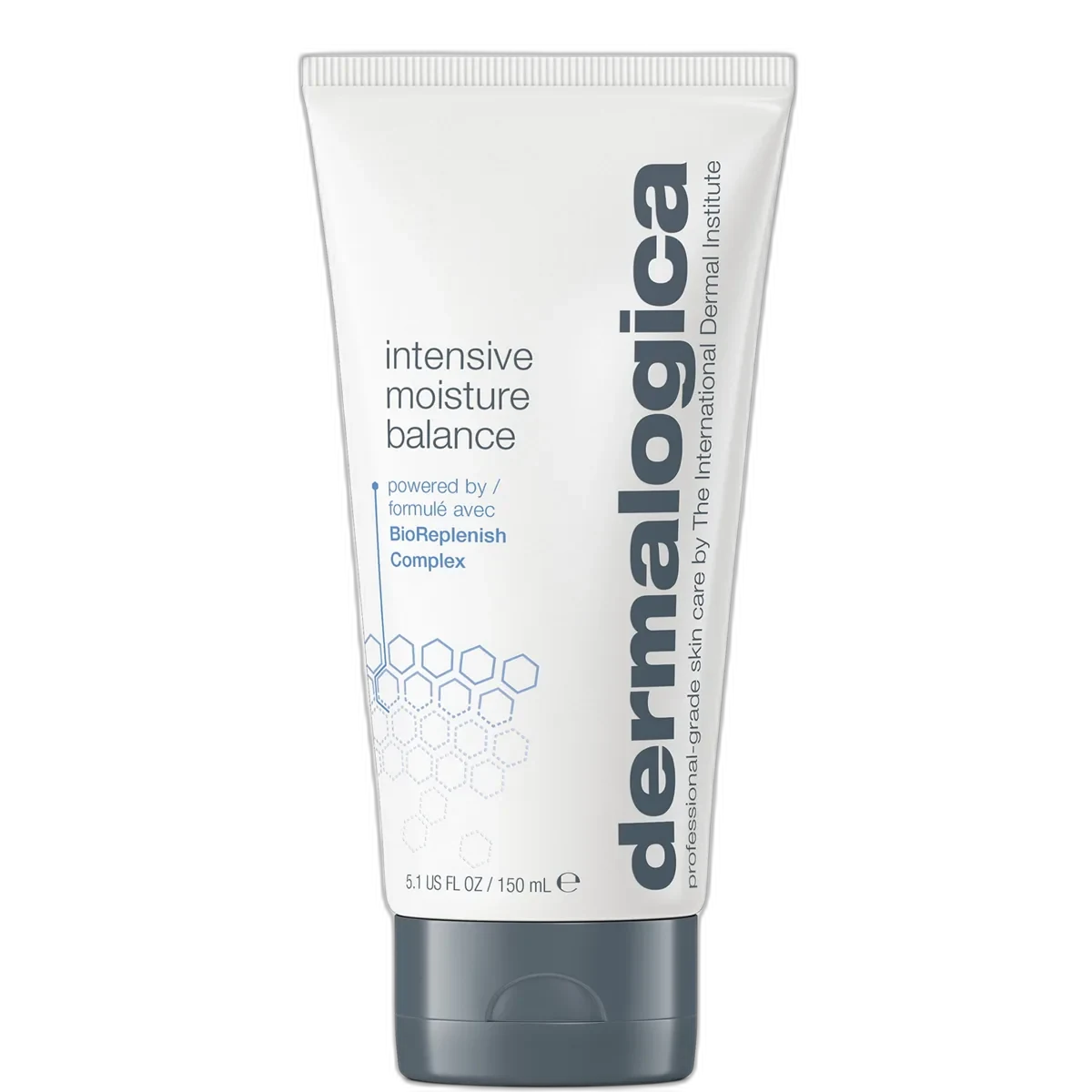
Intensive Moisture Balance
Esthetician's Workhorse
 Verified reviewer
Pros & cons.
- +BioReplenish Complex delivers ceramides alongside phytosterols and fatty acids in a barrier-mimicking ratio
- +Dual-weight hyaluronic acid provides both surface and deeper hydration in one formula
- +Completely fragrance-free and essential-oil-free after reformulation
- +Elegant texture absorbs quickly without greasiness, works beautifully under makeup
- +A little goes a long way — standard tube lasts 3-4 months of twice-daily use
- +Prebiotic chlorella extract adds microbiome support beyond standard barrier repair
- +Gentle enough for post-treatment and sensitized skin
- −Premium price point is hard to justify against drugstore ceramide moisturizers with similar ingredients
- −Contains several moderately comedogenic ingredients that may trigger breakouts in acne-prone skin
- −Not suitable for fungal acne — contains sunflower oil and fatty acids that feed Malassezia
- −Dimethicone-based finish may feel too silicone-heavy for some users
- −Not moisturizing enough for severely dry skin despite the 'Intensive' name
The full review.
There is a particular kind of trust that comes from longevity. When a skincare product survives in professional treatment rooms for decades — not on Instagram shelves, not in subscription boxes, but in the hands of licensed estheticians who stake their reputations on results — that tells you something. Dermalogica’s Intensive Moisture Balance has been that product for countless skin therapists since the brand’s early years, and its recent reformulation reveals a company that’s paying attention to where the science has moved.
The reformulated version centers around what Dermalogica calls the BioReplenish Complex: ceramide NP paired with phytosterols, linoleic acid, and linolenic acid. This isn’t just a ceramide-in-a-jar situation. The combination is designed to replicate the skin’s natural lipid matrix, and the research supports the approach — topical application of physiological lipids in ratios that mirror the stratum corneum has been shown to accelerate barrier recovery more effectively than any single lipid applied alone. The addition of dual-weight hyaluronic acid (standard sodium hyaluronate plus a hydrolyzed form for deeper penetration) means the formula delivers water to the skin while simultaneously giving it the lipid architecture to hold that water in place.
What’s notably absent from the reformulated version is equally telling. Dermalogica stripped out the retinyl palmitate from the original formula, along with fragrance allergens like citronellol and linalool. This is a brand that listened — to the science on retinyl palmitate’s questionable topical efficacy, and to the growing cohort of consumers and professionals who want effective skincare without unnecessary sensitizers. The resulting formula is genuinely fragrance-free, which is a meaningful distinction from ‘unscented.’
The texture is where this cream earns its daily-use credentials. Despite the rich ingredient profile, it applies like a lightweight cream rather than a heavy salve. There’s a silky, almost velvet quality to it — you can thank the dimethicone for that — and it absorbs within about a minute, leaving behind a satin finish that doesn’t interfere with makeup application or sunscreen layering. A pea-sized amount covers the entire face comfortably, which helps justify the price point somewhat: that 1.7 oz tube genuinely lasts months.
The chlorella vulgaris extract is an interesting addition that speaks to the microbiome-aware direction in modern formulation. As a prebiotic, it’s designed to support the skin’s natural bacterial ecosystem rather than just treating surface symptoms. The evidence base for topical prebiotics is still developing, but the concept is scientifically sound, and it adds a layer of sophistication to what could otherwise be a fairly standard ceramide moisturizer.
Centella asiatica rounds out the formula with anti-inflammatory and wound-healing properties that make this cream particularly well-suited for post-treatment use — which, given Dermalogica’s professional roots, makes perfect sense. There’s research showing centella inhibits hyaluronidase, the enzyme that breaks down hyaluronic acid, which means it may actually extend the hydrating effects of the dual-weight HA in the formula. Sodium ascorbyl phosphate adds stable antioxidant protection without the fussiness of pure vitamin C.
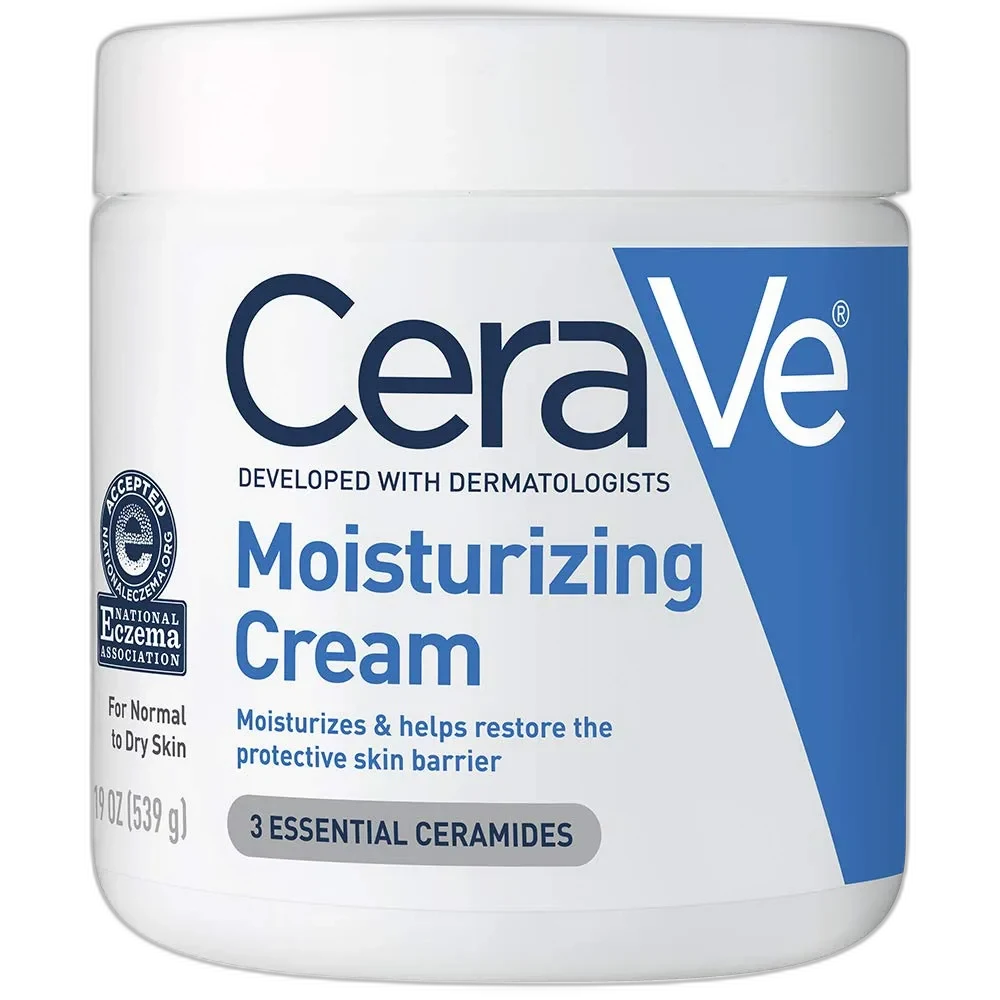
Here’s where honesty matters: at forty-nine dollars for 1.7 ounces, this moisturizer sits in a competitive price bracket where it needs to justify itself against both luxury and pharmacy options. The ingredient list, while thoughtfully composed, doesn’t contain anything you couldn’t find in products at half the price. CeraVe’s approach to ceramide delivery, for example, uses a patented MVE technology at a fraction of the cost. What you’re paying for with Dermalogica is the formulation expertise — the specific ratios, the texture engineering, the overall elegance of the product experience — and the confidence that comes from a brand built on esthetician education rather than marketing hype.
The formula does contain several ingredients with moderate comedogenic ratings — myristic acid, glyceryl stearate SE, and stearic acid among them. If your skin is acne-prone or oily, this is probably not your cream, and the user reviews consistently bear that out. Some acne-prone users report congestion within a week or two. It’s also not fungal acne safe, with sunflower seed oil and various fatty acids that can feed Malassezia.
For its target audience — dry, normal, and sensitive skin types looking for reliable barrier support — this cream does exactly what it promises. It hydrates without heaviness, repairs without drama, and layers without complaint. It’s the kind of product that doesn’t make waves because it doesn’t need to. The skin just gets better, quietly, the way a well-maintained garden thrives without anyone noticing the work.
The reformulation was the right call. By stripping away the questionable inclusions and leaning into barrier science, Dermalogica has modernized a classic without losing what made it a professional favorite. Whether it’s worth the premium over its drugstore competitors depends on how much you value texture, finish, and the brand’s professional pedigree. For many estheticians and their clients, that value has been clear for decades.
Ingredient analysis.
Full INCI list
Water/Aqua/Eau, Ethylhexyl Hydroxystearate, Butylene Glycol, Cetearyl Ethylhexanoate, Cetyl Caprylate, Stearic Acid, PEG-8, Octyldodecanol, Dimethicone, Glyceryl Stearate SE, PEG-100 Stearate, Sodium Hyaluronate, Hydrolyzed Sodium Hyaluronate, Sodium Ascorbyl Phosphate, Chlorella Vulgaris Extract, Ceramide NP, Phytosterols, Centella Asiatica Extract, Linoleic Acid, Echinacea Purpurea Extract, Aloe Barbadensis Extract, Palmitic Acid, Myristic Acid, Rosa Centifolia Flower Extract, Lactic Acid, Linolenic Acid, Propanediol, Tocopherol, Potassium Cetyl Phosphate, Helianthus Annuus (Sunflower) Seed Oil, Tetrasodium Glutamate Diacetate, Ethylhexylglycerin, Cetyl Alcohol, Carbomer, Hydroxystearic Acid, Aminomethyl Propanol, Sodium Hydroxide, Phenoxyethanol
Skin match.
The science.
The Science
The BioReplenish Complex uses a multi-lipid approach to barrier repair backed by research. Ceramide NP is a primary ceramide in the human stratum corneum. A 2021 study in the International Journal of Molecular Sciences shows that lipid mixtures with ceramide NP and diverse-chain-length fatty acids improve barrier recovery rate and stratum corneum hydration more than single-lipid applications. Phytosterols and linoleic acid join the ceramide mimics to match the physiological lipid ratios of healthy skin barriers.
The dual-weight hyaluronic acid approach uses standard sodium hyaluronate and a hydrolyzed form. Research in Clinical, Cosmetic and Investigational Dermatology (2017) found that formulations combining hyaluronic acid with Centella asiatica extract increased skin hydration by 59% after one hour and by 29% at 24 hours. The study also showed reduced transepidermal water loss, meaning the combination improves both surface hydration and barrier function.
Sodium ascorbyl phosphate, the vitamin C derivative in this formula, has antioxidant and antimicrobial properties. A 2005 study in the International Journal of Cosmetic Science shows that even at 1% concentration, SAP has antimicrobial activity against P. acnes and reduces UVA-induced sebum oxidation by up to 40%. In this barrier-repair formula, antioxidant protection helps prevent oxidative damage to the repaired lipid matrix.
The prebiotic approach uses chlorella vulgaris extract, following research on the skin microbiome's role in barrier health. Clinical evidence for topical prebiotics is still developing, but the theory is sound: supporting beneficial bacteria on the skin surface complements the structural repair from the ceramide-lipid complex.
References
- Lipid Mixtures Enriched with Synthetic Ceramide NP with Diverse Acyl Chain Lengths Improve Skin Barrier Function — International Journal of Molecular Sciences (2021)
- Efficacy of a Hyaluronic Acid and Centella Asiatica-Based Moisturizer on Skin Hydration and Barrier Function — Clinical, Cosmetic and Investigational Dermatology (2017)
- In vitro and in vivo antimicrobial activity of sodium ascorbyl phosphate against Propionibacterium acnes — International Journal of Cosmetic Science (2005)
Dermatologist Perspective
Dermatologists and estheticians often recommend Intensive Moisture Balance for patients with compromised barriers, especially those using chemical peels or microdermabrasion. The ceramide-phytosterol-fatty acid combination matches the physiological lipid replacement approach used in dermatological literature for atopic dermatitis or post-procedure recovery. Board-certified dermatologists note the fragrance-free, essential-oil-free reformulation is safer for reactive and sensitized skin than many professional-line moisturizers. The dual-weight hyaluronic acid system provides both immediate surface comfort and sustained deeper hydration for dehydrated skin.
Where it fits in your routine.
Apply a pea-sized amount to clean skin after serums and treatments, morning and evening. Press it into the face and neck using upward, outward motions; do not rub vigorously. In the morning, wait 60-90 seconds for full absorption before you apply sunscreen. Use it on damp skin after a hydrating toner to increase absorption. Apply a thicker layer as a sleeping treatment on extra-dry areas.
At $49 for 1.7 oz (with 3.4 oz and 5.1 oz sizes offering better per-ounce value), this sits in the upper-middle moisturizer price tier. The formulation is well-composed but lacks proprietary or rare ingredients that justify a premium. You pay for Dermalogica's formulation expertise, the elegant texture, and the brand's professional pedigree—a legacy built on esthetician education rather than influencer campaigns. The price is reasonable for those who value the product experience and trust the professional channel. Budget-conscious shoppers can find similar ceramide-HA barrier repair for less, though the formulation elegance may differ.
Dry and normal skin types can use this fragrance-free barrier repair moisturizer for professional-grade formulation. It works well for sensitized skin, compromised barriers, or people using active treatments like retinol who need a supportive moisturizer.
Oily and acne-prone skin types will find this unsuitable — the moderately comedogenic ingredients and thick texture can cause congestion. People with fungal acne should also avoid this formula because it contains fatty acid and sunflower oil.
Product details.
Fragrance-free and contains no essential oils. Botanical extracts leave a faint, neutral scent that vanishes immediately upon application.
Standard Dermalogica silver-gray squeeze tube with a flip-top cap. The design is clean and professional. This hygienic tube format protects the formula from air.
Skin feels softer and plumper after the first application. Most users experience no tingling or adjustment period. The cream absorbs in 60-90 seconds and leaves a smooth, non-tacky finish. Results build over the first two weeks as barrier function improves.
3-4 months with twice-daily application to face and neck
12 months
All Year
The backstory.
Born from Dermalogica's roots as a professional skincare education brand, this moisturizer was designed to be the kind of product estheticians could trust to repair and maintain skin between treatment appointments. Its recent reformulation dropped retinyl palmitate and fragrance allergens, modernizing a formula that had earned decades of loyalty in treatment rooms worldwide.
About Dermalogica
Legacy Brand (20+ years)Jane Wurwand founded Dermalogica in 1986. It has been a staple in professional esthetician training for nearly four decades. Over 100,000 skin therapists worldwide use the brand, and dermatologist-curated retailers carry it widely.
Common myths.
Professional-grade skincare has higher potency and higher irritation than consumer products.
This formula is gentle. Dermalogica designed it for post-treatment use when skin is most vulnerable. The ingredient list is soothing rather than aggressive.
Use a separate barrier repair cream if you use this moisturizer.
The BioReplenish Complex with ceramide NP, phytosterols, and fatty acids works as a barrier repair system. This cream provides enough lipid replenishment for most people with compromised barriers.
FAQ.
Is Dermalogica Intensive Moisture Balance good for oily skin?
This moisturizer works best for dry to normal skin. The thick ceramide-based formula uses dimethicone and fatty acids. It feels too heavy for oily skin and can cause congestion because myristic acid and glyceryl stearate have moderate comedogenic ratings.
Can I use Dermalogica Intensive Moisture Balance with retinol?
Yes — this pairing works well. The ceramide NP, phytosterols, and dual-weight hyaluronic acid buffer retinol irritation and support the barrier while retinol works. Apply retinol first, wait a few minutes, then layer this cream on top.
Does Dermalogica Intensive Moisture Balance contain fragrance?
The current reformulated version is fragrance-free and essential-oil-free. Earlier versions used fragrance components like citronellol and linalool, but the reformulation that introduced the BioReplenish Complex removed them.
Is Dermalogica Intensive Moisture Balance safe during pregnancy?
The current formula lacks retinoids, salicylic acid, or other common pregnancy ingredients. The earlier formulation had retinyl palmitate, but the brand removed it. Always confirm with your healthcare provider.
How long does a tube of Dermalogica Intensive Moisture Balance last?
The standard 1.7 oz tube lasts about 3-4 months if used twice daily on face and neck. A pea-sized amount works for most applications. Larger 3.4 oz and 5.1 oz sizes offer better per-ounce value.
What is Dermalogica's BioReplenish Complex?
BioReplenish Complex is Dermalogica's proprietary blend of ceramide NP, phytosterols, and essential fatty acids (linoleic and linolenic acid). It mimics the skin's natural lipid barrier. This blend replaces depleted barrier lipids to restore moisture retention and protect against environmental stressors.
Is Dermalogica Intensive Moisture Balance fungal acne safe?
No — this formula contains ingredients that feed Malassezia yeast, such as sunflower seed oil, chlorella vulgaris extract, and various fatty acids. If you have fungal acne, use a fungal-acne-safe moisturizer instead.
What the community says.
"Intensely hydrating without feeling greasy or heavy"
"Absorbs quickly and leaves skin silky-soft"
"A little goes a long way — excellent product economy"
"Works well under makeup without pilling"
"Long-time users report 10-20 years of loyalty to this product"
"Helps calm sensitive, reactive skin"
"Premium price feels high relative to ingredient complexity"
"Not moisturizing enough for severely dry skin types"
"Can trigger breakouts in acne-prone or oily skin"
"Some users find the dimethicone finish too silicone-heavy"
"Tube packaging makes it hard to gauge remaining product"