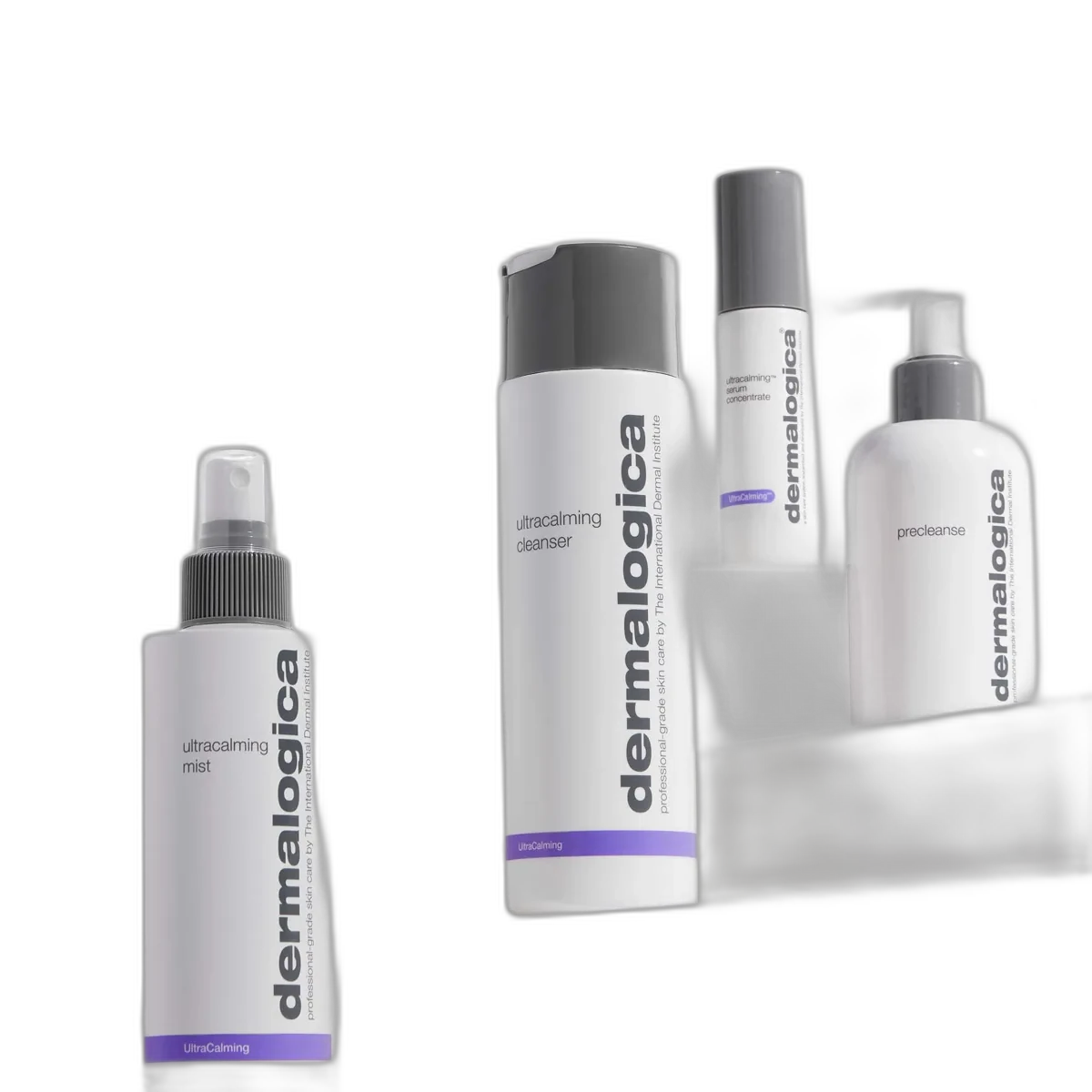
Calm Water Gel
Sensitive Skin MVP
 Verified reviewer
Pros & cons.
- +Gel-to-fluid texture transformation provides barrier protection without any heaviness or suffocation
- +Dual molecular weight hyaluronic acid delivers multi-depth hydration
- +Dipotassium glycyrrhizate actively calms inflammation and redness in reactive skin
- +Generous aloe vera concentration provides immediate soothing comfort
- +Oil-free formula won't exacerbate breakouts in sensitive acne-prone skin
- +Hygienic tube packaging prevents contamination of a product for compromised skin
- −Lavender extract and its components (linalool, limonene) are questionable in a sensitive-skin product
- −Not moisturizing enough for very dry skin without additional layering
- −$52-59 is a premium price for a relatively simple ingredient list
- −Contains dimethicone, which some sensitive-skin users prefer to avoid
- −Lightweight formula may feel insufficient in cold, dry winter climates
The full review.
People with sensitive skin know the frustration: you find a product with the right calming ingredients, but it is a thick, occlusive cream that sits on your face like a mask. You feel every layer. It traps heat. Your already irritated skin feels suffocated. You abandon the cream, return to nothing, and the cycle repeats.
The Dermalogica Calm Water Gel addresses this. Its main achievement is not just the solid ingredient list, but the texture engineering that makes you forget you are wearing a moisturizer. The gel turns into a silky fluid on contact, absorbs within seconds, and leaves a weightless barrier. Your skin feels immediately calmer and more hydrated.
The dual hyaluronic acid system provides the hydration. Standard sodium hyaluronate attracts and holds moisture at the skin surface for immediate quenching. Hydrolyzed sodium hyaluronate has a smaller molecular weight, so it penetrates deeper to hydrate from within. This two-depth approach provides more sustained hydration than a single molecular weight.
Dipotassium glycyrrhizate — the licorice root derivative — handles calming. This ingredient has documented anti-inflammatory properties; it inhibits prostaglandin and leukotriene synthesis to reduce redness and reactivity. In a formula for the most sensitized skin on the market, it does the most therapeutic work. The aloe vera, listed third at a high concentration, adds a soothing complex of over 75 active compounds — salicylates, glycoproteins, and polysaccharides — that complement the licorice.
The cactus pear extract adds a desert-botanical touch. Opuntia ficus-indica shows antioxidant and anti-inflammatory properties in research, and its water-retention ability fits a hydration-focused gel. This inclusion adds value beyond marketing novelty.
Dimethicone forms the protective layer. In this lightweight formula, it does not create the heavy, occlusive barrier of a traditional cream. Instead, it deposits a breathable film that shields sensitized skin from environmental irritants while allowing normal moisture exchange. It acts like a transparent raincoat rather than a winter parka.
The issue in the calming room is lavender. Dermalogica includes Lavandula Angustifolia Flower Extract in a product for reactive, sensitized skin — the same skin professional dermatological guidance often warns against exposing to essential oils. Lavender contains linalool, which oxidizes upon air exposure and is a common fragrance allergen in Europe. The formula also lists linalool and limonene separately as trailing ingredients. Most sensitive-skin users will not have issues. However, for those sensitive to lavender, a reaction from a ‘Calm’ line product is frustrating.
Dermalogica markets this as free of artificial fragrances, which is technically accurate. But the lavender provides a noticeable natural scent, and the allergens are present. If you want this for its sensitive-skin positioning, remember that ‘no artificial fragrance’ does not mean ‘no potential sensitizers.’
The performance trade-off is clear: this gel excels at lightweight calming and hydration but lacks the deep moisturization severely dry skin needs. Users in humid or temperate climates, those with normal to combination skin, and those using this after professional treatments rate it highly. Users in dry climates or with parched skin must layer a richer product on top. This is a design choice — the gel format that makes it comfortable for reactive skin is inherently less moisturizing than the creams it replaces.
At $52 for 1.7 ounces from Dermalogica direct (up to $59 at some retailers), the price reflects professional positioning rather than ingredient complexity. The formula is elegant but simple — glycerin, aloe, hyaluronic acids, licorice, silicone, and cactus extract. You pay for the texture technology, professional heritage, and clinical positioning.
With over 2,600 reviews averaging 4.5 stars across nearly eight years on the market, the Calm Water Gel has a loyal following in the sensitive-skin category. Users describe it with the devotion usually reserved for products that solve long-term problems. This loyalty comes from consistent performance on skin that punishes inconsistency.
Formula
Ingredient analysis.
Full INCI list
Water/Aqua/Eau, Glycerin, Aloe Barbadensis (Aloe) Leaf Juice, Dimethicone, Butylene Glycol, Pyrus Malus (Apple) Fruit Extract, 1,2-Hexanediol, Diethylhexyl Carbonate, Opuntia Ficus-Indica Stem Extract, Sodium Hyaluronate, Dipotassium Glycyrrhizate, Hydrolyzed Sodium Hyaluronate, Lavandula Angustifolia (Lavender) Flower Extract, Stearyl Heptanoate, Cetyl PEG/PPG-10/1 Dimethicone, Hydroxyacetophenone, Sea Salt, Dimethicone Crosspolymer, Stearyl Caprylate, Lauryl PEG-9 Polydimethylsiloxyethyl Dimethicone, Potassium Sorbate, Citric Acid, Sodium Benzoate, Disodium Phosphate, Linalool, Limonene
Skin match.
The science.
The Science
The dual hyaluronic acid technology uses a validated approach to hydrate multiple skin depths. Standard sodium hyaluronate (molecular weight typically 1,000-1,800 kDa) forms a moisture-retaining film on the skin surface, which reduces transepidermal water loss and provides immediate hydration. Hydrolyzed sodium hyaluronate (molecular weight typically 50-100 kDa) penetrates deeper into the stratum corneum to deliver hydration at the cellular level. Research in the Journal of Drugs in Dermatology shows that multi-molecular-weight hyaluronic acid formulations provide better hydration and skin barrier function than single-weight formulations.
Dipotassium glycyrrhizate, the disodium salt of glycyrrhizic acid from licorice root, is a well-documented anti-inflammatory agent in cosmetic dermatology. It inhibits cyclooxygenase and lipoxygenase pathways, reducing prostaglandin and leukotriene synthesis. It targets the same inflammatory mediators as topical corticosteroids but lacks the side effects. This is useful for chronic sensitized skin conditions requiring long-term anti-inflammatory support without steroid-related skin thinning.
Research extensively studied Dimethicone as a barrier former. Studies confirm it creates a breathable semi-occlusive film that reduces TEWL by approximately 20-30% while allowing normal skin respiration. For post-procedure and sensitized skin, this film shields the compromised barrier from environmental irritants while natural repair mechanisms work; research shows this significantly accelerates barrier recovery.
The lavender extract inclusion creates formulation tension. While Lavandula angustifolia has anxiolytic and anti-inflammatory properties in aromatherapy research, topical application introduces linalool. This terpene alcohol auto-oxidizes into hydroperoxides, which are potent contact allergens. The European Commission's Scientific Committee on Consumer Safety identifies linalool as a fragrance allergen that requires declaration above 0.001% in leave-on products.
Dermatologist Perspective
Dermatologists would see this as a reasonable lightweight moisturizer for patients with sensitive, reactive, or post-procedure skin who cannot tolerate heavier formulations. The dual hyaluronic acid and glycyrrhizate combination follows evidence-based approaches to sensitive skin management. However, board-certified dermatologists would likely note the tension between the product's sensitive-skin positioning and the lavender extract—a known sensitizer that contradicts dermatological guidance to minimize essential oil exposure in reactive skin. This product is not recommended for patients with confirmed contact sensitivity to linalool, despite its otherwise appropriate formulation.
Where it fits in your routine.
Apply a generous amount to clean skin every morning before sunscreen (AM) or every evening as the final step (PM). The gel turns into a fluid on contact — spread it gently over the face and neck, including areas of redness or irritation. For very dry skin, layer it over a hydrating serum and follow with a thicker cream if needed. Apply more often during the day to post-procedure or acutely irritated skin for more relief.
At $52 for 1.7 oz from Dermalogica direct (some retailers charge $59), the cost is roughly $31 per ounce. Authorized channels sell a professional 6.0 oz size, which offers better per-ounce value for frequent users. The simple ingredient list — glycerin, aloe, dual HA, licorice, dimethicone — does not justify the premium price, but the texture engineering and professional heritage add perceived value. Using it twice daily lasts 2-3 months per tube, so the monthly cost is $17-26 depending on price and application.
This works for sensitive, reactive, or rosacea-prone skin needing a lightweight daily moisturizer that calms without suffocating. It suits post-procedure skin recovery, combination-sensitive skin types needing hydration without heaviness, and anyone who rejected heavier calming creams for being too occlusive. It is a strong choice for spring and summer when users prefer lighter textures.
People sensitive to lavender, linalool, or limonene should avoid this product. The gel is insufficient as a standalone moisturizer for dry skin in cold climates. The natural lavender scent and allergens disqualify this option for those seeking a fragrance-free product for sensitive skin. Budget-conscious consumers can find simpler calming gel moisturizers for less.
Product details.
This lightweight water-gel turns into a silky fluid when applied, melting into skin like water. This gel-to-fluid texture shift defines the experience — it feels substantial in the jar but nearly weightless on the face.
Lavandula Angustifolia Flower Extract provides a light lavender scent. The formula has no synthetic fragrance, but the natural lavender note is detectable. Dermalogica markets this as free of artificial fragrances, but the lavender components (linalool, limonene) are recognized allergens.
A white Coex 5-layer tube uses an EVOH barrier to protect the product. It has a PP cap. This hygienic tube format prevents contamination better than jar packaging. It comes in 1.7 oz retail and 6.0 oz professional sizes.
The gel-to-fluid transformation is immediate — the product feels like a gel on your fingers but melts into a water-like texture on contact with skin. It provides instant cooling and calming, which helps irritated or post-procedure skin. There is no stinging or tingling, only relief. Dry skin types will find it absorbs quickly but lacks lasting moisture without a layered serum underneath.
2-3 months with twice-daily facial application
12 months
spring summer
The backstory.
Developed as part of Dermalogica's UltraCalming line (now simply 'Calm'), this gel moisturizer was created to solve a common problem faced by professional skin therapists: clients with sensitized, reactive skin who rejected heavier calming creams because they felt suffocating or greasy. The water-gel format was designed to deliver serious barrier protection and soothing in a texture that sensitive-skin clients would actually enjoy using daily.
About Dermalogica
Legacy Brand (20+ years)Jane Wurwand founded Dermalogica in 1986 in Los Angeles, developing it with the International Dermal Institute. Over 100,000 professional skin therapists worldwide use the brand, and Unilever has owned it since 2015.
Common myths.
Gel moisturizers lack enough hydration for sensitive skin.
This gel uses dual molecular weight hyaluronic acid, glycerin, aloe, and dimethicone to hydrate multiple skin depths and form a protective barrier. The gel format suits many sensitive skin types better than heavy creams, which trap heat and increase redness.
Lavender is always soothing for sensitive skin.
Lavender has documented calming properties, but it also contains linalool. This compound oxidizes when exposed to air and becomes a contact allergen. This ingredient choice is debated for products designed for sensitized skin. Most users tolerate it well, but those with known lavender sensitivity should patch test first.
FAQ.
Is the Dermalogica Calm Water Gel good for rosacea?
Many rosacea sufferers report this gel calms and hydrates without triggering flares. The dipotassium glycyrrhizate (licorice derivative) and aloe actively reduce inflammation. However, the lavender extract and its linalool component can trigger sensitivity in some rosacea patients — a patch test is recommended.
Can I use Calm Water Gel as my only moisturizer?
The dual hyaluronic acid and dimethicone barrier provides enough hydration and protection for normal to combination skin in temperate climates. For dry skin or harsh winter conditions, layer it over a hydrating serum and add a thicker cream to provide the occlusion this gel lacks.
Is the Dermalogica Calm Water Gel fragrance-free?
No — Dermalogica claims no artificial fragrances, but this product contains Lavandula Angustifolia Flower Extract and its natural fragrance components linalool and limonene. These are recognized allergens. This is not a fragrance-free option for those with strict fragrance sensitivity.
Can I use this after a chemical peel or laser treatment?
This gel targets post-procedure skin. Its calming botanicals, protective dimethicone barrier, and lightweight format work for recently resurfaced skin that cannot tolerate heavy products. Ask your practitioner about timing, but many skin therapists recommend it for post-treatment recovery.
How does this compare to the Dermalogica Barrier Repair moisturizer?
Calm Water Gel is lightweight, gel-textured, and focused on immediate calming and hydration for reactive skin. Barrier Repair is a richer, silicone-based formula designed to rebuild the skin barrier over time. Choose the Water Gel for daily lightweight use and Barrier Repair for intensive overnight barrier restoration.
Community
What the community says.
"Extremely lightweight and non-greasy — absorbs almost instantly"
"Very soothing and calming for reactive and rosacea-prone skin"
"Good hydration without heaviness — layers well under makeup and sunscreen"
"Strong repurchase loyalty — many users call it their holy grail moisturizer"
"Cooling refreshing sensation on application provides immediate comfort"
"Not moisturizing enough for very dry skin or harsh winter climates"
"Contains lavender extract which can sensitize the very skin it claims to calm"
"Linalool and limonene are fragrance allergens despite no artificial fragrance claims"
"Price is high for a relatively simple ingredient list"
"Some combination skin users find it slightly dewy in the T-zone"