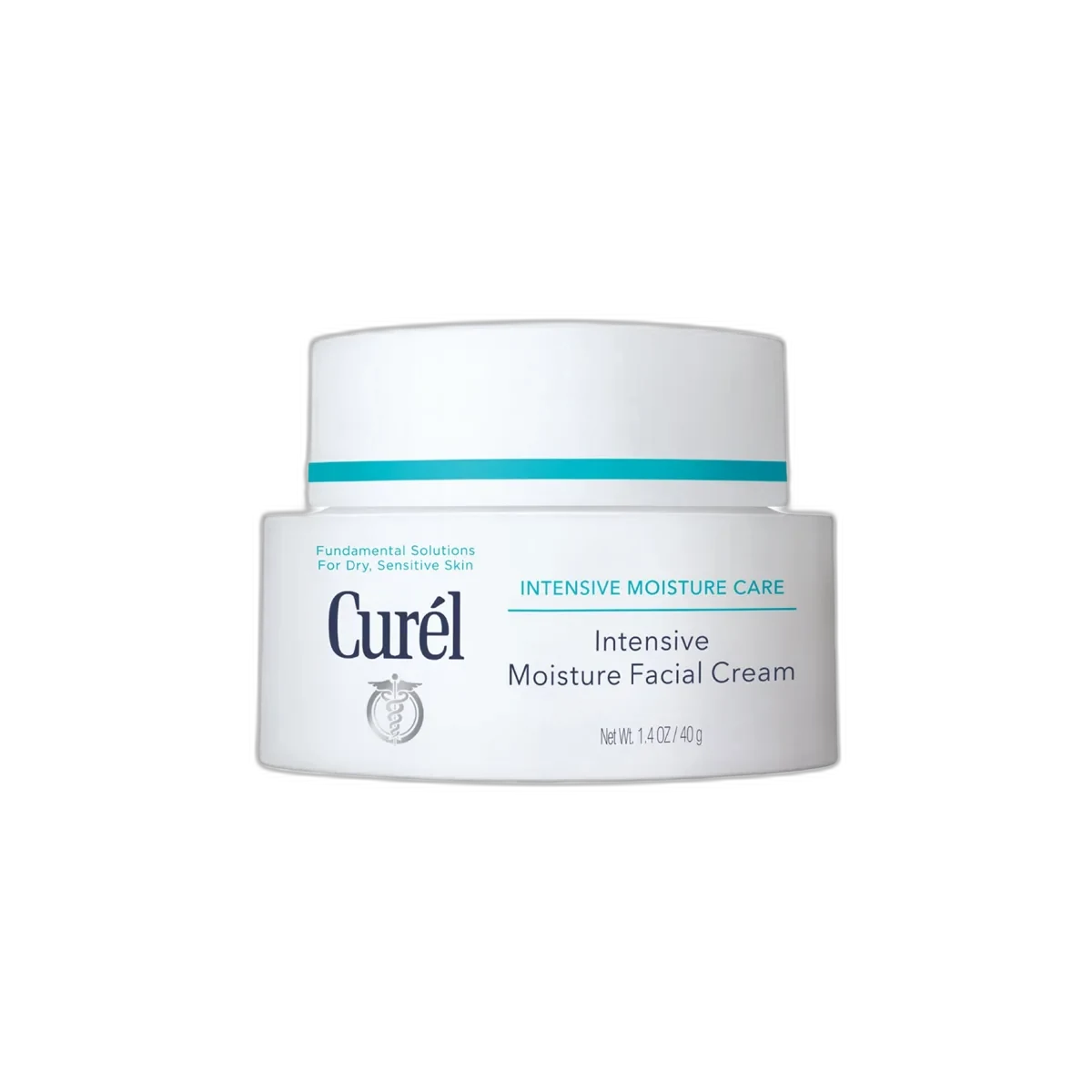
Intensive Moisture Facial Cream
J-Beauty Ceramide Essential
 Verified reviewer
Pros & cons.
- +Kao's proprietary pseudo-ceramide backed by 30+ years of research integrates into the skin's lipid barrier
- +Exceptionally lightweight texture absorbs instantly without heaviness or greasiness
- +Minimal 17-ingredient formula with zero fragrance, essential oils, or unnecessary additives
- +Layers flawlessly under makeup without pilling or interference
- +Dual ceramide strategy: exogenous pseudo-ceramide plus eucalyptus-stimulated endogenous production
- +Near-universal tolerability — suitable for eczema, rosacea, and post-procedure skin
- −Small 40g jar lasts only 6-8 weeks with twice-daily facial use
- −Contains methylparaben as preservative
- −Jar format is less hygienic than tube or pump
- −May require layering with a hydrating toner for very dry skin
- −Limited US retail availability — primarily available through Asian beauty retailers and Amazon
The full review.
You can divide the history of moisturizers into two eras: before we understood ceramides, and after. For most of the twentieth century, moisturizing meant coating the skin with something heavy enough to prevent water from escaping. Petrolatum, lanolin, mineral oil — occlusives that sat on top of the skin like plastic wrap, trapping whatever moisture happened to be there. They worked, after a fashion, but they never addressed why the skin was losing moisture in the first place.
Then, in the 1980s, researchers including those at Kao Corporation began to map the intercellular lipid matrix — the microscopic mortar between the bricks of the stratum corneum. They discovered that ceramides, cholesterol, and free fatty acids form organized lamellar structures that are responsible for the skin’s ability to retain water and resist irritants. When these lipids are depleted — through aging, harsh cleansing, cold weather, or genetic conditions like eczema — the barrier fails, and no amount of surface occlusion fully compensates.
Kao became the first company to synthesize ceramide functional ingredients in 1987. Twelve years later, they launched Curél, a brand built entirely on this science. The Intensive Moisture Facial Cream is the purest expression of that mission: seventeen ingredients, each serving a defined purpose, centered on a pseudo-ceramide that has been refined through three decades of iterative research.
Texture
The texture is the first surprise. Anyone expecting a thick, balm-like cream will find instead a lightweight, almost airy formula that spreads with the slippery ease of silicone. The trisiloxane and dimethicone base give it that characteristic J-beauty slip — the product glides across the face without tugging, settles into a nearly invisible film, and disappears. Within thirty seconds of application, your skin feels simply like well-hydrated skin. Not coated, not glossy, not heavy. Just comfortable.
Reality
Beneath that elegant delivery system, the pseudo-ceramide (Cetyl-PG Hydroxyethyl Palmitamide) is doing molecular-level work. Research from Kao’s laboratories has demonstrated that this synthetic analog mimics the structure of Ceramide NS, one of the most abundant ceramides in healthy skin. When applied topically, it integrates into the existing lamellar lipid structure, essentially filling the gaps left by ceramide depletion. The result is not just temporary moisturization but actual structural repair of the barrier.
Glycerin supports this process as the primary humectant, pulling water into the epidermis where the restored barrier can retain it. Eucalyptus globulus leaf extract adds a second dimension to the ceramide strategy by promoting the skin’s own ceramide synthesis — supply from outside, stimulation from within. Allantoin provides gentle anti-inflammatory and cell-renewal support. Tocopherol (vitamin E) contributes antioxidant protection.
Common Praise
What makes this cream remarkable is not any single ingredient but the disciplined restraint of the overall formula. Seventeen ingredients. No fragrance. No essential oils. No botanical extracts beyond eucalyptus. No trendy actives competing for attention. Every component serves the singular goal of ceramide-based barrier repair. In a market where moisturizers routinely contain thirty to fifty ingredients, Curél’s minimalism is radical and, for sensitive skin, revelatory.
The clinical performance matches the formulation intent. Users with chronic dryness, reactive skin, and conditions like mild eczema or perioral dermatitis consistently report that this cream does what heavier, more complicated moisturizers could not: it makes their skin feel normal. Not transformed, not glowing, not Instagram-ready — just normal. For someone who has spent years managing sensitized skin, normalcy is the highest compliment.
Works for
The cream layers impeccably under makeup without pilling — the silicone base creates a smooth canvas that primers and foundations adhere to well. It works in both dry and humid climates, providing enough moisture for cold-weather dryness without becoming oily in summer heat. The versatility is another expression of the formulation’s balance.
Common Complaints
The limitations are practical rather than formulation-related. The 40-gram jar is small; at twice-daily use on the face and neck, it lasts about six to eight weeks. The jar format requires finger-dipping. Methylparaben is present as a preservative. And for some users with very dry or mature skin, this cream alone may not provide sufficient moisture without layering over a hydrating toner or serum.
Best for
But within its intended purpose — gentle, effective barrier repair for sensitive facial skin — this cream is as close to perfect as Japanese ceramide science has produced. It is the product that built Curél into Japan’s number-one sensitive skin brand, and for the millions of people whose skin barrier simply needs to be fixed, it remains the gold standard.
Ingredient analysis.
Full INCI list
Water/Aqua, Glycerin, Cetyl-PG Hydroxyethyl Palmitamide, Trisiloxane, Dimethicone, Hydrogenated Polydecene, PEG-3 Dimethicone, Allantoin, Magnesium Sulfate, Butylene Glycol, Isostearyl Glyceryl Ether, PEG-12 Dimethicone, Succinic Acid, Sodium Hydroxide, Eucalyptus Globulus Leaf Extract, Tocopherol, Methylparaben
Skin match.
The science.
The Science
Kao Corporation engineered Cetyl-PG Hydroxyethyl Palmitamide, a pseudo-ceramide that mimics the structure and function of Ceramide NS (Ceramide 2), a common ceramide in the human stratum corneum. X-ray diffraction studies by Kao researchers show this molecule forms organized lamellar phases in lipid mixtures mimicking the stratum corneum, proving it joins the barrier's lipid architecture.
Ceramide supplementation is clinically significant. A landmark study in the Journal of Clinical Investigation shows stratum corneum ceramide levels correlate directly with barrier function measured by TEWL. Later research in the British Journal of Dermatology confirmed topical ceramide application improves barrier function in atopic dermatitis patients, lowering both TEWL and clinical severity scores.
Eucalyptus globulus leaf extract targets the de novo ceramide synthesis pathway. Kao research identifies specific eucalyptus compounds that upregulate serine palmitoyltransferase (SPT), the rate-limiting enzyme in ceramide biosynthesis. This formula provides immediate and self-sustaining barrier support by stimulating endogenous production and adding exogenous supplementation.
The silicone delivery system (trisiloxane, dimethicone) provides cosmetic elegance and better penetration. Volatile silicones spread the pseudo-ceramide evenly across the skin surface before evaporating, ensuring uniform incorporation into the lipid matrix. Non-volatile dimethicone stays as a light occlusive layer that reduces TEWL while the ceramide integrates.
Dermatologist Perspective
Board-certified dermatologists globally use ceramide-based moisturizers more often to treat sensitive and barrier-compromised skin. Curél's Intensive Moisture Facial Cream is highly valued in Asian dermatological practice, where barrier-centric approaches have been mainstream longer than in Western medicine. Dermatologists find the lightweight texture and minimal ingredient list make this cream versatile; they recommend it for post-laser, post-peel, retinoid-induced sensitivity, and chronic conditions like mild eczema and rosacea. Because it lacks common sensitizers (fragrance, essential oils, multiple botanical extracts), dermatologists can recommend it without fear of exacerbating existing inflammation.
Where it fits in your routine.
Cleanse skin and apply serums or hydrating toners first. Warm a pearl-sized amount between fingertips. Press the amount into the face and neck; do not rub or pull. Use morning and evening. Apply sunscreen in the morning. For more hydration, layer over Curél Intensive Moisture Lotion or a hyaluronic acid serum.
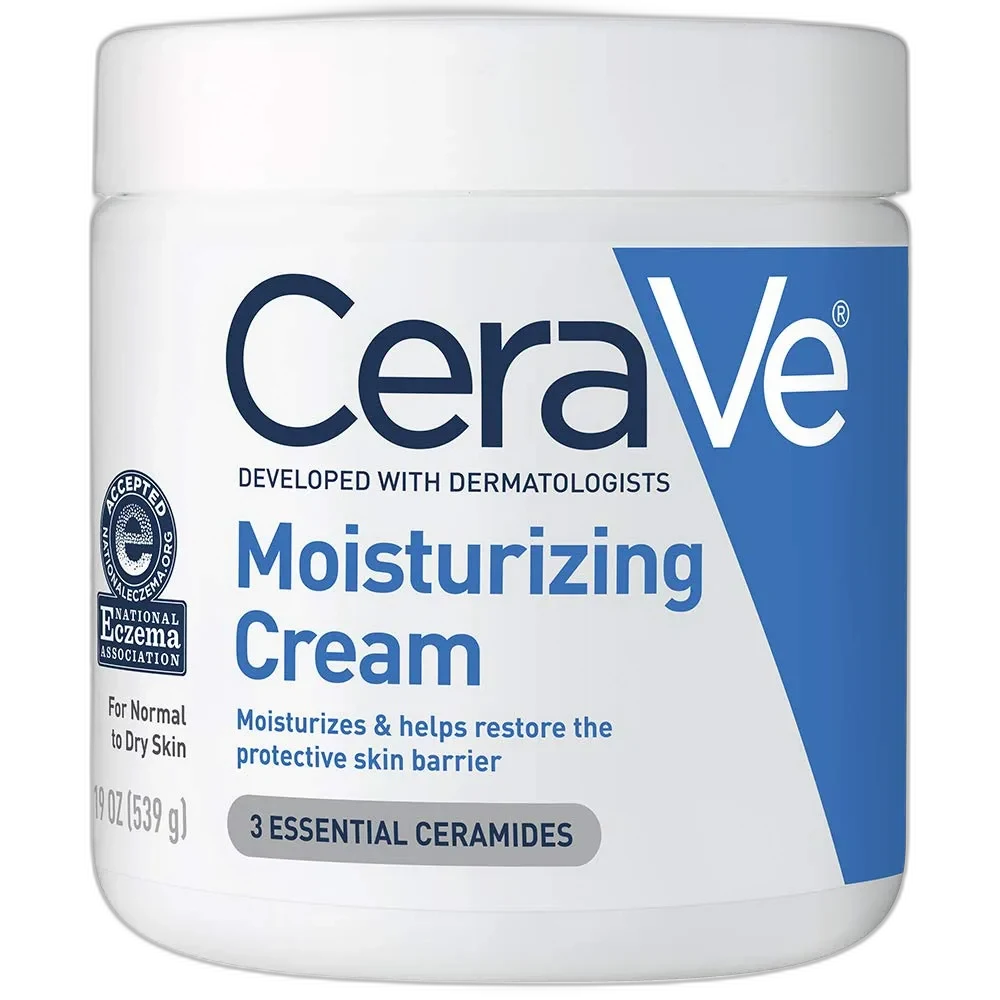
At $22 for 40g, the Intensive Moisture Facial Cream is mid-premium. It costs more per ounce than CeraVe's ceramide moisturizers but competes with J-beauty imports. The price covers Kao's proprietary technology and Japanese manufacturing. One jar lasts 6-8 weeks using it twice daily, making the monthly cost roughly $12-15. For sensitive skin that has failed with many products, consistent results provide value beyond the per-ounce price. CeraVe is the budget-friendly ceramide alternative, but uses a different formulation approach.
This moisturizer works for dry, sensitive, or barrier-compromised facial skin that needs a reliable daily option without triggering reactions. It is useful for people using retinoids or other sensitizing treatments, those with mild eczema or rosacea on the face, and anyone who has struggled to find a moisturizer their skin tolerates.
Oily skin types preferring light gel moisturizers, budget shoppers seeking CeraVe ceramide care at a lower price, or anyone avoiding parabens or silicones.
Product details.
Lightweight, silicone-smooth cream absorbs instantly and leaves a thin satin finish
Fragrance-free; no detectable scent
Small jar with screw-top lid; Japanese pharmaceutical aesthetic
The first application surprises users used to heavy barrier creams. The texture is light like a serum but provides immediate moisturization. The dimethicone base creates a smooth finish for healthy, dewy skin without shine. It has no stinging, no fragrance, and no fuss.
6-8 weeks with twice-daily facial application
12 months
All Year
The backstory.
When Curél expanded internationally from its Japanese base, the Intensive Moisture Facial Cream became one of the brand's most popular exports. It represents the core promise that built Curél into Japan's #1 sensitive skin brand: provide ceramide-based barrier repair in a formula so gentle that virtually no skin will react to it. The cream has become a cult favorite in the Asian beauty community and a frequent recommendation in dermatological forums.
About Curél
Established Brand (5–20 years)Kao Corporation launched Curél in 1999, after pioneering ceramide functional ingredients in 1987. Curél has been Japan's #1 brand for dry, sensitive skin since 2008, using three decades of ceramide barrier research.
Common myths.
Lightweight moisturizers do not hydrate dry skin enough.
This cream works through its mechanism, not its weight. The pseudo-ceramide repairs the moisture-retaining barrier, and glycerin pulls hydration into the skin. A thick cream that sits on the surface feels more moisturizing but often does less for long-term hydration than a barrier-repairing formula.
All ceramide creams are essentially the same
Ceramide formulations vary. Kao's Cetyl-PG Hydroxyethyl Palmitamide is a synthetic analog that mimics Ceramide NS and integrates into the lamellar lipid structure. Brands use different ceramide species, ratios, and delivery systems, which changes performance.
FAQ.
Is Curél Intensive Moisture Facial Cream good for acne-prone skin?
The formula is non-comedogenic and fragrance-free, so it is generally safe for acne-prone skin. But the silicone base and thick ceramide content work better for dry and sensitive skin. Oily, acne-prone skin may prefer a lighter, gel-based moisturizer.
Can I use Curél Intensive Moisture Facial Cream with retinol?
Yes — this cream works well with retinol. The pseudo-ceramide restores the barrier retinoids can compromise, which reduces dryness and irritation and supports retinol efficacy. Apply retinol first, let it absorb, then apply this cream.
How does Curél's pseudo-ceramide compare to CeraVe's ceramides?
CeraVe uses three natural ceramide species (1, 3, 6-II) via MVE technology. Curél uses Cetyl-PG Hydroxyethyl Palmitamide, a single synthetic ceramide analog from Kao's proprietary research. Both approaches restore barrier function using different formulation strategies.
Is the Japanese version of Curél better than the US version?
The core pseudo-ceramide technology is identical. The Intensive Moisture Facial Cream sold internationally uses the same formulation as the Japanese version. However, the Japanese domestic line has products, such as the Aging Care range, that US retail channels do not carry.
Why is Curél Intensive Moisture Facial Cream so expensive for 40g?
The price covers Kao's proprietary ceramide technology, Japanese manufacturing, and the specialized formulation process. At approximately $22 for 40g, it competes well in the J-beauty moisturizer category. CeraVe offers a budget alternative using different ceramide technology at a much lower price-per-ounce.
What the community says.
"Light-as-air texture that hydrates deeply without heaviness"
"Instantly calms and comforts sensitive, reactive skin"
"Layers beautifully under makeup without pilling"
"Fragrance-free and minimally formulated"
"Rich enough for dry skin yet light enough for humid climates"
"Small 40g jar doesn't last long"
"Contains methylparaben"
"Jar format less hygienic than tube"
"May not be rich enough for very dry or mature skin without layering"
"Limited US retail availability"