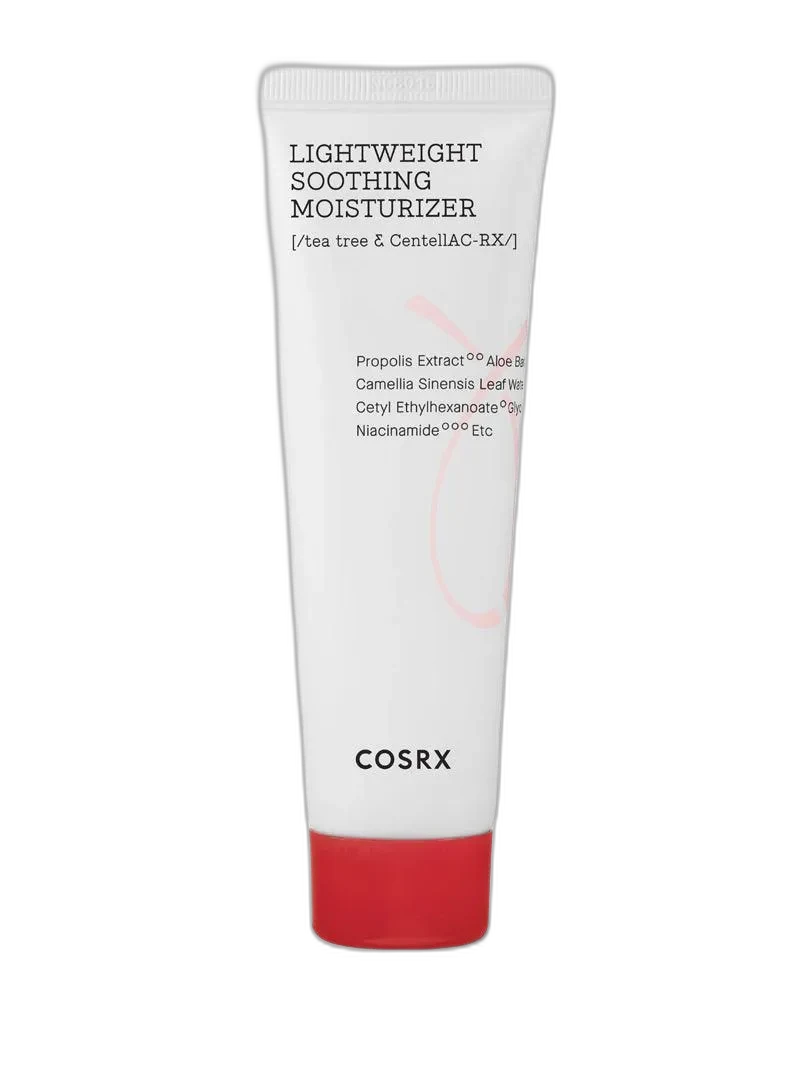
AC Collection Lightweight Soothing Moisturizer
K-Beauty Acne Soother
 Verified reviewer
Pros & cons.
- +Propolis-first formula with documented antibacterial and anti-inflammatory properties
- +Purified centella triterpenes provide more targeted soothing than generic centella extract
- +Multi-mechanism acne approach with niacinamide, zinc PCA, and betaine salicylate
- +Lightweight gel-cream absorbs quickly without clogging pores
- +Excellent companion for drying acne treatments like retinoids and benzoyl peroxide
- +Affordable at $19 for a 2-3 month supply of a multi-active moisturizer
- +Fragrance-free, paraben-free, and dermatologist tested
- −Not hydrating enough for dry skin or harsh winter conditions
- −Dewy finish may be too glazed for very oily skin during daytime
- −Not fungal acne safe — contains cetyl ethylhexanoate
- −Not vegan due to propolis (bee-derived ingredient)
- −Menthyl lactate and mint extract may tingle on very sensitive or compromised skin
The full review.
Western acne treatment uses a war metaphor: attack bacteria, blast oil, and nuke pimples. Korean skincare assumes acne-prone skin is in distress. It focuses on calming inflammation, repairing the barrier, and restoring balance. The COSRX AC Collection Lightweight Soothing Moisturizer follows this philosophy in an 80-milliliter tube.
Propolis—the resinous compound bees produce from tree sap to seal and sterilize hives—is the top ingredient. This is not honey. Propolis has antibacterial and anti-inflammatory properties; research shows it inhibits Cutibacterium acnes, the bacterium linked to inflammatory acne. Using it as the primary ingredient is a typical COSRX move: they build the formula around a well-researched natural compound instead of using it as a marketing footnote at the bottom of the list.
The aloe vera and green tea waters create a soothing, antioxidant-rich base. This moisturizer does not feel clinical or medicinal. It feels cooling, calming, and gentle—qualities that matter when skin is irritated by breakouts and acne treatments.
The centella component is smart. Instead of generic centella asiatica extract—which varies in potency based on sourcing—the formula uses three isolated triterpenes: asiaticoside, asiatic acid, and madecassic acid. These specific compounds drive centella’s therapeutic effects. Asiaticoside promotes collagen synthesis. Asiatic acid strengthens the skin barrier. Madecassic acid calms inflammation. Using purified compounds instead of whole-plant extract ensures more consistent, predictable results.
Niacinamide and zinc PCA act as an oil-control duo. Niacinamide regulates sebum production through one pathway while zinc PCA uses another. Both offer extra benefits: niacinamide brightens post-inflammatory hyperpigmentation and zinc provides antimicrobial support. This ingredient pairing separates well-formulated products from jars of trending ingredients.
Betaine salicylate sits near the end of the ingredient list, suggesting a low concentration. This gentler BHA derivative provides mild exfoliation within pores without the irritation of pure salicylic acid. It is not a primary exfoliant, but it helps maintain pore clarity.
The texture is a lightweight milky gel-cream that absorbs in under a minute. It leaves a soft, slightly dewy finish. Most people like this, though very oily skin types may find it too glazed for daytime use without a mattifying sunscreen. For an acne-prone skin moisturizer, the finish is reasonable; it is less dewy than a snail mucin essence but more luminous than a matte gel moisturizer.
The limitation is hydration depth. This is a truly lightweight moisturizer. It provides adequate moisture for oily and combination skin, especially in warm or humid climates, but it will not satisfy dry skin. If you use aggressive acne treatments like tretinoin or high-concentration benzoyl peroxide that strip moisture, layer a hyaluronic acid serum underneath or pair this with a richer night moisturizer.
Menthyl lactate and mint extract deliver a subtle cooling sensation. This feels refreshing for most users. For very reactive or compromised skin, these ingredients can cause a mild tingle. This is not irritation, but users with a stressed skin barrier should note it.
At nineteen dollars for 80 milliliters, this is affordable K-beauty. One tube lasts two to three months with twice-daily use, costing roughly six to nine dollars per month. For a moisturizer with propolis, purified centella triterpenes, niacinamide, zinc PCA, panthenol, and hyaluronic acid, the value is strong. Western moisturizers rarely offer this many well-chosen actives at this price.
This product will not clear severe cystic acne or substitute for prescription treatments. It creates an environment for acne-prone skin to heal and stay calm by reducing inflammation, supporting barrier repair, managing oil, and gently exfoliating with non-comedogenic moisture. It is a skincare ceasefire: stop attacking the skin, provide what it needs to recover, and let specialized treatments do the heavy lifting.
Formula
Ingredient analysis.
Full INCI list
Propolis Extract, Aloe Barbadensis Leaf Water, Camellia Sinensis Leaf Water, Butylene Glycol, Cetyl Ethylhexanoate, Glycerin, 1,2-Hexanediol, Niacinamide, Hydroxyethyl Acrylate/Sodium Acryloyldimethyl Taurate Copolymer, Cyclomethicone, Cetearyl Olivate, Betaine, Cetearyl Alcohol, Sorbitan Olivate, Panthenol, Ethylhexylglycerin, Allantoin, Xanthan Gum, Dimethicone/Vinyl Dimethicone Crosspolymer, Sodium Hyaluronate, Arginine, Zinc PCA, Betaine Salicylate, Mentha Haplocalix Extract, Menthyl Lactate, Citric Acid, Melaleuca Alternifolia (Tea Tree) Leaf Oil, Asiaticoside, Asiatic Acid, Madecassic Acid
Skin match.
The science.
The Science
The formula uses multiple evidence-based pathways to fight acne. Propolis extract acts as the primary ingredient; in vitro studies show it has antibacterial activity against Cutibacterium acnes. Its flavonoid and phenolic acid components provide direct antimicrobial and anti-inflammatory effects. A 2024 systematic review and meta-analysis in Biomedical Research evaluated Centella asiatica for acne management. It found a statistically significant pooled mean difference of -0.54 in acne lesion counts, proving centella is an effective, well-tolerated treatment for acne vulgaris.
Three isolated centella triterpenes in this formula target distinct mechanisms. Asiaticoside stimulates type I collagen synthesis via TGF-beta signaling to support wound healing in acne lesions. Asiatic acid and madecassic acid modulate inflammatory cascades like NF-kB and MAPK pathways, per a 2021 review in the Journal of Inflammation Research. Using these isolated compounds instead of whole-plant extract ensures more consistent bioactivity.
Clinical data supports niacinamide's role in acne management. A 2006 study in the International Journal of Dermatology showed that 4% topical niacinamide gel performs similarly to 1% clindamycin gel at reducing inflammatory acne lesions over eight weeks. Niacinamide also strengthens the lipid barrier by stimulating ceramide synthesis and reduces post-inflammatory hyperpigmentation by inhibiting melanosome transfer.
Zinc PCA (zinc pyrrolidone carboxylate) combines zinc's sebum-regulating properties with PCA, a component of the skin's natural moisturizing factor. Zinc ions show anti-inflammatory activity in skin by modulating toll-like receptor signaling and providing direct antimicrobial effects against C. acnes. Betaine salicylate, a complex of salicylic acid and betaine, offers gentler keratolytic activity than free salicylic acid while remaining comedolytic.
References
- Pharmacological effects of Centella asiatica on skin diseases: Evidence and possible mechanisms — Journal of Inflammation Research (2021)
- A nicotinamide-containing treatment reduces redness and inflammation in acne vulgaris — International Journal of Dermatology (2006)
Dermatologist Perspective
Dermatologists value moisturizers that support acne-prone skin without causing comedone formation or irritation. The combination of propolis, centella-derived triterpenes, niacinamide, and zinc PCA follows evidence-based acne management by reducing inflammation and supporting barrier function alongside antimicrobial treatment. Dermatologists often recommend this lightweight, non-comedogenic moisturizer to patients using prescription acne medications—specifically retinoids and benzoyl peroxide—that can dry the skin and compromise the skin barrier. The gentle BHA component (betaine salicylate) adds mild exfoliation without the irritation risk of standalone salicylic acid.
Guidance
Where it fits in your routine.
Apply a small amount to the face and neck after cleansing and applying serums or acne treatments. Use twice daily, morning and evening. In the AM, follow with sunscreen SPF 30+. In the PM, apply after your acne treatment absorbs (wait 1-2 minutes after benzoyl peroxide or retinoids). If using with the COSRX AC Collection line, use in this order: cleanser, toner, spot treatment, then this moisturizer.
At $19 for 80 mL, this moisturizer provides high value for its ingredients. One tube lasts 2-3 months using it twice daily, making the monthly cost $6-9. The formulation uses well-researched actives — propolis, purified centella triterpenes, niacinamide, zinc PCA, panthenol, and hyaluronic acid — that cost more in standalone products. The ingredient profile is more sophisticated than Western acne moisturizers at similar or higher prices. The only value concern is the small 80 mL tube compared to COSRX's larger 150 mL peptide serum.
People with oily or combination skin and mild to moderate acne want a moisturizer that heals instead of just hydrating. It works for those using drying acne treatments who need a lightweight, non-comedogenic buffer. K-beauty enthusiasts can use this acne moisturizer in a multi-step routine.
Dry skin needing substantial hydration will find this too lightweight. Those with fungal acne should avoid it because of cetyl ethylhexanoate. Vegans should skip it due to the propolis. People with severe cystic acne need prescription-level treatment instead of a supportive moisturizer.
Product details.
This lightweight milky gel-cream spreads smoothly and absorbs quickly. It is slightly translucent and leaves a soft, non-sticky finish. It is lighter than most Western moisturizers but thicker than a gel.
Fragrance-free formula. Tea tree oil and mint extract leave a faint herbal scent that disappears moments after application.
White squeeze tube with screw cap and COSRX AC Collection branding. Compact 80 mL size is hygienic and travel-friendly.
The gel-cream feels cool and calming because of the menthyl lactate, aloe, and propolis base. It absorbs in 30-60 seconds and leaves a soft, slightly dewy finish. Most users feel immediate comfort. Users with very sensitive skin may feel a mild tingle from the menthyl lactate that subsides quickly.
2-3 months with twice-daily use
12 months
spring summer
The backstory.
The AC Collection launched in 2019 as COSRX's dedicated acne line, designed around the Korean dermatological approach to acne — treat, soothe, and repair rather than strip and dry. The 2021 renewal reformulation refined the ingredient list, upgrading the centella component to isolated triterpenes and adding propolis as the first ingredient. The name 'AC' stands for 'Acne Clear,' and the line has become one of COSRX's most popular outside of their flagship snail mucin products.
About COSRX
Established Brand (5–20 years)COSRX launched in South Korea in 2013 and is now a top global K-beauty brand. Known as Korea's number one dermatologist-recommended dermocosmetic brand, COSRX uses minimalist formulations with well-researched actives. The AC Collection line underwent a renewal reformulation in 2021.
Common myths.
Moisturizers make acne worse by clogging pores.
This gel-cream is non-comedogenic and targets acne-prone skin. Skipping moisturizer can worsen acne by triggering compensatory oil production and weakening the barrier acne treatments already affect. You need a moisturizer that is lightweight, non-comedogenic, and contains acne-soothing actives.
Propolis is just honey and doesn't do anything for acne.
Propolis differs from honey. Bees make this resinous compound from tree sap. It has antibacterial, antifungal, and anti-inflammatory properties. Research shows propolis inhibits Cutibacterium acnes (the bacterium linked to acne) and reduces inflammation in acne lesions.
FAQ.
Is COSRX AC Collection Moisturizer good for acne?
Yes — it targets acne-prone skin using propolis (antibacterial), centella triterpenes (anti-inflammatory), niacinamide (sebum-regulating), zinc PCA (oil control), and betaine salicylate (mild BHA exfoliation). It calms inflammation and supports skin healing instead of aggressively treating active breakouts.
Can I use this with retinol or prescription acne treatments?
Yes — the soothing, barrier-supportive formula works well with drying acne treatments like retinoids and benzoyl peroxide. Apply your treatment first, let it absorb, then layer this moisturizer on top to buffer irritation and maintain hydration.
Is the COSRX AC Collection Moisturizer vegan?
No — propolis, the first ingredient, comes from bees. COSRX is cruelty-free (not tested on animals), but this product is not vegan. The COSRX 6 Peptide Skin Booster Serum is a vegan alternative from the same brand.
Is this moisturizer enough for dry skin?
This lightweight gel-cream targets oily and combination skin. It lacks enough moisture for dry skin; users with dry skin need a hydrating serum or a thicker moisturizer. In humid summer weather, it works for mildly dry skin.
What is the difference between the original and renewal formula?
The 2021 renewal formula replaces raw centella extract with three isolated triterpenes (asiaticoside, asiatic acid, madecassic acid) for targeted anti-inflammatory action. It also moves propolis extract to the first ingredient position. The philosophy is the same, but the reformulation provides more potent soothing and healing benefits.
Is this fungal acne safe?
No — the formula contains cetyl ethylhexanoate, an ester that feeds Malassezia yeast linked to fungal folliculitis. People prone to fungal acne should use a fungal-acne-safe moisturizer instead.
Does this moisturizer contain salicylic acid?
It contains betaine salicylate, a gentler salicylic acid derivative. This provides mild exfoliation inside pores but has less potency than pure salicylic acid. The low concentration makes it a supporting ingredient rather than a primary exfoliant.
What the community says.
"Lightweight texture absorbs quickly without heaviness or greasiness"
"Effectively calms redness and soothes irritated acne-prone skin"
"Non-comedogenic — does not trigger new breakouts for most users"
"Works well as a summer moisturizer for oily skin"
"Pairs perfectly with other COSRX AC Collection products"
"Affordable entry into K-beauty acne care"
"Not hydrating enough for dry skin — may need layering with additional products"
"Dewy finish can feel slightly glazed for daytime wear on very oily skin"
"Faint tea tree scent may bother scent-sensitive users"
"Does not significantly improve active inflammatory breakouts on its own"
"Not fungal acne safe due to cetyl ethylhexanoate"