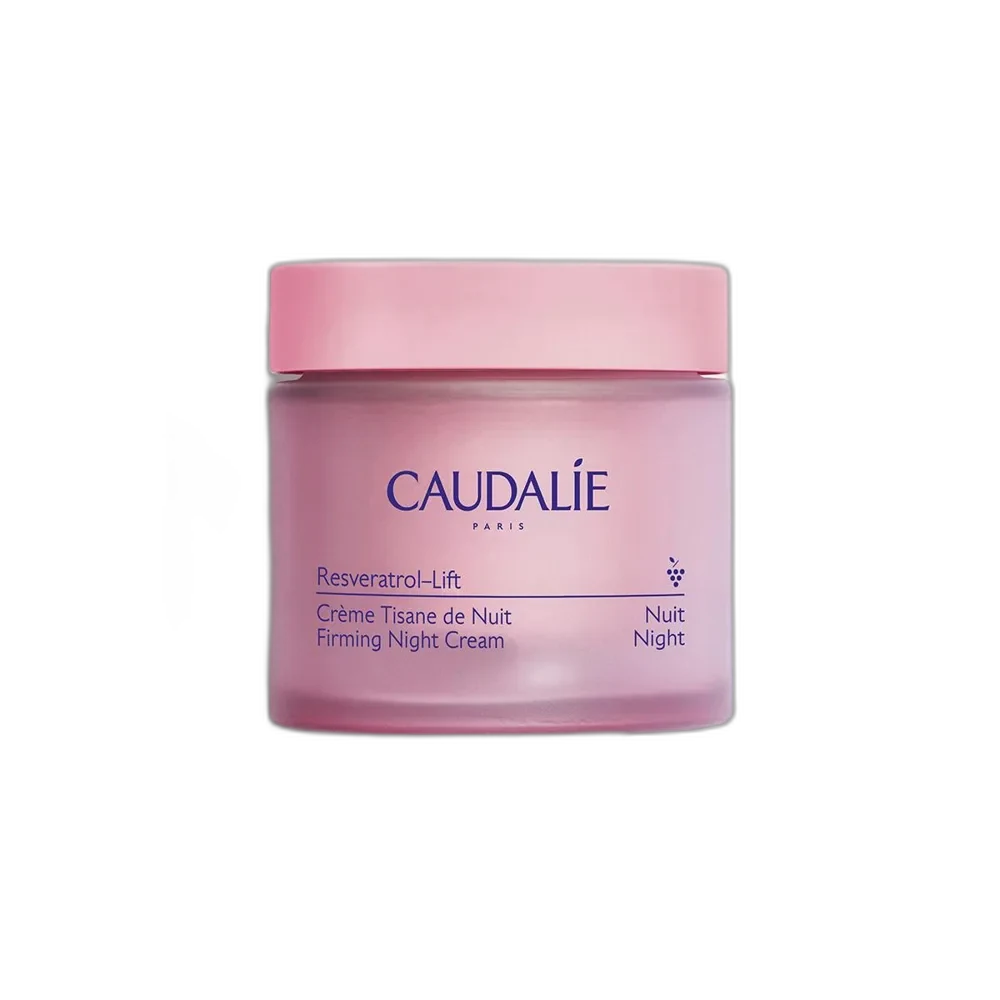
Resveratrol-Lift Firming Night Cream
Mid-Tier Anti-Aging Night Cream
 Verified reviewer
Pros & cons.
- +Thoughtful combination of resveratrol, hyaluronic acid, ceramide NP, and adenosine
- +Rich but non-greasy texture that wears well overnight
- +Visible overnight plumping and softer morning skin
- +Cruelty-free, vegan, and pregnancy-safe
- +Works well layered over a retinoid
- +Legitimately better formulation than drugstore gel-cream options
- −Expensive compared to drugstore creams with similar actives
- −Fragrance with multiple declared allergens
- −Jar packaging suboptimal for antioxidant and peptide stability
- −Too rich for oily skin in warmer months
- −Doesn't dramatically outperform cheaper alternatives on skin outcomes
The full review.
There’s a specific kind of skincare shopper this cream is aimed at: someone who has graduated past drugstore moisturisers, is starting to care seriously about fine lines and firmness, has a retinoid somewhere in their routine, and wants a night cream that feels like a genuine step up from a Neutrogena jar but isn’t ready to commit to La Mer pricing. Caudalie built the entire Resveratrol-Lift range for that shopper, and the night cream is where most people enter the line. It’s worth taking honestly, on its own merits, rather than as either the cheap alternative to Premier Cru or the expensive alternative to CeraVe.
The formulation is thoughtful in a way the brand’s marketing doesn’t always sell well. Resveratrol gets the headline and the brand story, but the real working parts of this cream are the hyaluronic acid complex (high and low molecular weight versions for multi-depth hydration), ceramide NP for barrier lipids, adenosine for signal-peptide-adjacent fine line reduction, niacinamide for supporting brightness and sebum regulation, and a rich base of shea butter, squalane, and caprylic/capric triglyceride that gives the cream its overnight occlusivity. Every one of those ingredients has real evidence supporting its inclusion in an anti-aging formula, and the combination is coherent — this isn’t a cream that dumps everything on the label for marketing. It’s a cream that was built around a specific use case: applied at night, on a clean face, to deliver sustained hydration and barrier repair while the wearer sleeps.
The texture is the most immediately satisfying part of the experience. It’s rich enough to feel substantial on application — you can tell this isn’t a gel-cream or a lightweight lotion — but it blends out softer than its weight suggests and doesn’t leave a greasy film on the pillow. The Caudalie signature scent arrives on first application (the floral-herbal bouquet the brand has used consistently for decades) and dissipates within a few minutes. Skin feels soft and plumped immediately and wakes up visibly smoother the next morning. Over weeks of nightly use, users typically report meaningfully improved overall hydration, a softer appearance of fine lines, and a more even surface tone from the niacinamide and polyphenol content.
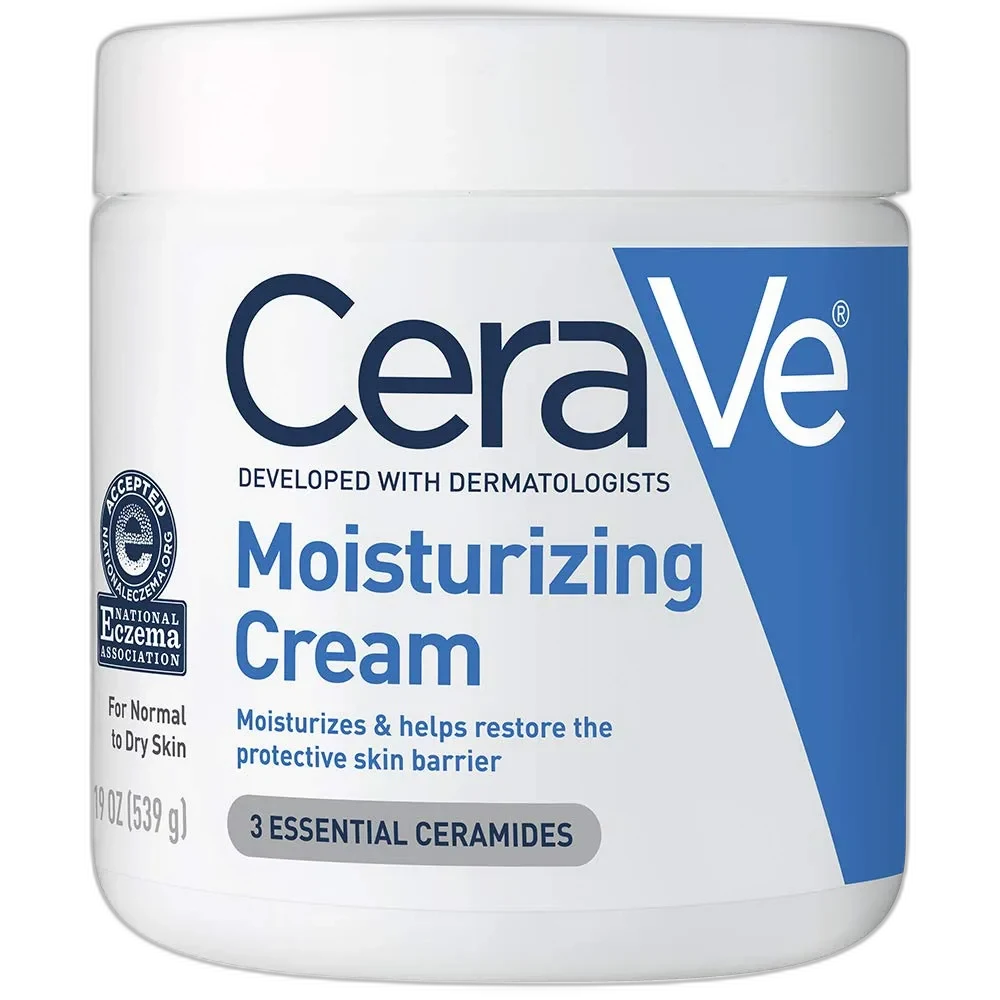
Where the cream runs into its honest ceiling is the gap between what it delivers and what an equivalent drugstore cream delivers at a third the price. CeraVe PM Facial Moisturizing Lotion contains ceramides, niacinamide, and hyaluronic acid in a non-fragranced base and costs about fifteen dollars. La Roche-Posay Toleriane Double Repair Face Moisturizer covers similar barrier-and-hydration territory for under twenty. The Caudalie cream adds resveratrol, adenosine, and a richer sensory experience, and it takes that delta and charges nearly eighty dollars. Whether that delta is worth the premium depends entirely on how you value brand story, texture, fragrance, and the overall ritual of using a cream that feels more luxurious. For some users, those factors genuinely matter; for others, they’re irrelevant next to clinical outcomes.
The fragrance content is the main limiter on tolerability. Four declared allergens — linalool, limonene, geraniol, citronellol — plus the general parfum mean this is not a cream for sensitive, rosacea-prone, or reactive skin. It’s also not the best pairing for users whose primary anti-aging strategy is a prescription retinoid and a vitamin C serum: in that setup, a fragrance-free barrier cream like Vanicream or Avene Tolerance will serve the moisturising role better without adding potential irritants. The jar packaging is the usual Caudalie aesthetic choice — it looks beautiful on a vanity and exposes the antioxidants to air and light on every use. At this price point, a tube or airless pump would be a more functional choice.
Value-wise, this sits in the awkward mid-tier where the pricing is hard to fully defend on ingredient merit but also isn’t outrageously luxurious. It’s a legitimately good night cream that’s probably overpriced by about thirty percent relative to what the formula delivers — which is more or less the Caudalie brand tax across the range. For committed Caudalie customers wanting the flagship night cream without going up to Premier Cru, it’s the right pick. For everyone else, a honest assessment is: the cream works, it’s not a rip-off, but several cheaper alternatives will get you to roughly the same skin outcome with less fragrance and more ceramide value per dollar.
Formula
Texture
The texture is the most immediately satisfying part of the experience. It’s rich enough to feel substantial on application — you can tell this isn’t a gel-cream or a lightweight lotion — but it blends out softer than its weight suggests and doesn’t leave a greasy film on the pillow.
Scent
The Caudalie signature scent arrives on first application (the floral-herbal bouquet the brand has used consistently for decades) and dissipates within a few minutes.
Common Praise
Skin feels soft and plumped immediately and wakes up visibly smoother the next morning. Over weeks of nightly use, users typically report meaningfully improved overall hydration, a softer appearance of fine lines, and a more even surface tone from the niacinamide and polyphenol content.
Common Complaints
The fragrance content is the main limiter on tolerability.
Conflicts With
It’s also not the best pairing for users whose primary anti-aging strategy is a prescription retinoid and a vitamin C serum: in that setup, a fragrance-free barrier cream like Vanicream or Avene Tolerance will serve the moisturising role better without adding potential irritants.
Packaging
The jar packaging is the usual Caudalie aesthetic choice — it looks beautiful on a vanity and exposes the antioxidants to air and light on every use. At this price point, a tube or airless pump would be a more functional choice.
Best for
For committed Caudalie customers wanting the flagship night cream without going up to Premier Cru, it’s the right pick.
Works for
It’s a legitimately good night cream that’s probably overpriced by about thirty percent relative to what the formula delivers — which is more or less the Caudalie brand tax across the range.
Not ideal for
Four declared allergens — linalool, limonene, geraniol, citronellol — plus the general parfum mean this is not a cream for sensitive, rosacea-prone, or reactive skin.
Ingredient analysis.
Full INCI list · pH 5.5
Aqua (Water), Dicaprylyl Carbonate, Glycerin, Cetearyl Alcohol, Butyrospermum Parkii (Shea) Butter, Caprylic/Capric Triglyceride, Cetearyl Olivate, Sorbitan Olivate, Resveratrol, Hyaluronic Acid, Micro Hyaluronic Acid, Ceramide NP, Tocopheryl Acetate, Squalane, Vitis Vinifera (Grape) Seed Oil, Adenosine, Niacinamide, Sodium Hyaluronate, Acacia Senegal Gum, Xanthan Gum, Phenoxyethanol, Ethylhexylglycerin, Parfum (Fragrance), Linalool, Limonene, Geraniol, Citronellol
Skin match.
The science.
The Science
The ingredient evidence for this cream is solid. Hyaluronic acid is a well-documented cosmetic humectant; studies show both high and low molecular weight forms hydrate the surface and deeper dermis. Ceramide NP has robust research showing it restores the stratum corneum's lipid matrix, especially in mature or compromised skin. Adenosine has clinical trial support for mild-to-moderate fine line reduction, including a Korean study showing visible improvement after 8 weeks of topical use. Niacinamide is a heavily studied cosmetic active for brightness, barrier support, and sebum regulation. Resveratrol has in vitro antioxidant data, but clinical outcomes for topical resveratrol are modest in published literature—bioavailability through intact skin is limited, and meaningful outcomes require higher doses than typical cosmetic concentrations. No published clinical trials exist for this specific formulation; judge efficacy by the individual ingredient evidence rather than combination-specific data.
Dermatologist Perspective
Dermatologists generally view Caudalie's Resveratrol-Lift Night Cream as a reasonable mid-tier anti-aging moisturiser. Board-certified dermatologists note the ingredient stack—hyaluronic acid, ceramides, adenosine—effectively addresses core needs of mature dry skin. The addition of resveratrol is more marketing than mechanism, but it does no harm. The common derm critique is that patients get more meaningful anti-aging benefit from a prescription retinoid and daily SPF than from any night cream, regardless of price. For patients wanting a thick night cream who aren't fragrance-sensitive, this is a defensible choice in the prestige category.
Where it fits in your routine.
Apply a pea-sized amount to clean skin after serums and treatments in your evening routine. Massage it into the face and neck. If you use retinol, apply the retinol first, wait 10-15 minutes, then apply this cream. Use nightly. Store the jar away from direct sunlight and keep the lid tightly closed.
At around $78 for 50ml, this sits in the prestige mid-tier. Kiehl's Midnight Recovery Concentrate (around $70) and Clarins Extra-Firming Night Cream (around $90) are comparable night creams with similar ingredient sophistication. Drugstore alternatives like CeraVe PM, La Roche-Posay Toleriane Double Repair, and Cetaphil Rich Hydrating Night Cream provide similar hydration-and-ceramide benefits for less, though they lack the resveratrol marketing or luxury experience. Caudalie's Premier Cru version costs twice as much for extra peptides. This is the sensible middle option for Caudalie loyalists; drugstore alternatives offer better value.
Dry and normal skin in the mature anti-aging category, comfortable with fragrance, and wanting a rich overnight cream with a resveratrol and ceramide story. Committed Caudalie customers choosing between the mid-tier and flagship lines. Users who layer retinol and want a buffering cream on top.
Sensitive, rosacea-prone, or fragrance-allergic skin. Oily skin in warm climates. Users seeking clinical anti-aging results — a retinoid and sunscreen routine works better. Value-conscious shoppers can get similar hydration and barrier support from drugstore ceramide creams.
Product details.
Rich cream with a dense cushiony feel that softens on application
Signature Caudalie herbal-floral
Twist-top jar
The thick texture blends out softer than expected. A strong floral scent hits on application and fades within minutes. Most users experience no stinging or redness.
About 3 months with nightly face and neck use
6 months
fall winter
The backstory.
The Resveratrol-Lift range launched as Caudalie's response to demand for a more accessible firming line positioned between the entry-level Vinosource range and the luxury Premier Cru tier. The night cream became one of the brand's best-selling anti-aging products and remains the starting point most new Caudalie customers buy into when exploring the resveratrol story.
About Caudalie
Established Brand (5–20 years)Caudalie launched in 1995 and has long-standing research ties to grape-polyphenol science through Bordeaux's pharmacy institutions. The Resveratrol-Lift line is the brand's core anti-aging range and costs less than the Premier Cru tier.
Common myths.
Night creams do not need high prices to provide anti-aging benefits.
This cream uses resveratrol, hyaluronic acid, ceramide NP, and adenosine. Drugstore and mid-tier formulations use these same ingredients to deliver similar outcomes. The Caudalie premium price pays for brand experience, texture, and the vineyard-story aesthetic.
FAQ.
Is this different enough from Premier Cru to justify buying both?
No. Both formulations use the same core actives — resveratrol, hyaluronic acid, and ceramide NP — but Premier Cru adds peptides and viniferin. Most users get better value by picking one tier.
Can I use it with retinol?
Yes, these pair well. Apply retinol first, wait 10-15 minutes, then layer this cream on top. The ceramide and lipid content buffers retinol irritation.
Is it too heavy for combination skin?
The thick texture works for most combination users in winter. In summer or humid climates, it feels heavy on oily zones. Switch to a lighter night moisturiser during warmer months.
Is the fragrance problematic?
For sensitive or rosacea-prone skin, yes — the declared allergens include linalool, limonene, geraniol, and citronellol, and the added parfum is noticeable. Fragrance-free users should look at alternatives like CeraVe PM or La Roche-Posay Toleriane.
How does it compare to Premier Cru The Cream?
Premier Cru adds peptides and viniferin for a much higher price. This cream covers the core actives — resveratrol, HA, ceramides, adenosine — at roughly half the cost. Most users do not need both.
Is it safe in pregnancy?
Yes. The formula lacks retinoids, salicylic acid, or essential oils often restricted during pregnancy. The added fragrance is the only mild consideration.
What the community says.
"noticeable overnight plumping"
"rich but not greasy"
"elegant scent"
"expensive compared to drugstore options"
"contains fragrance"
"rich texture may be too much for oily skin"