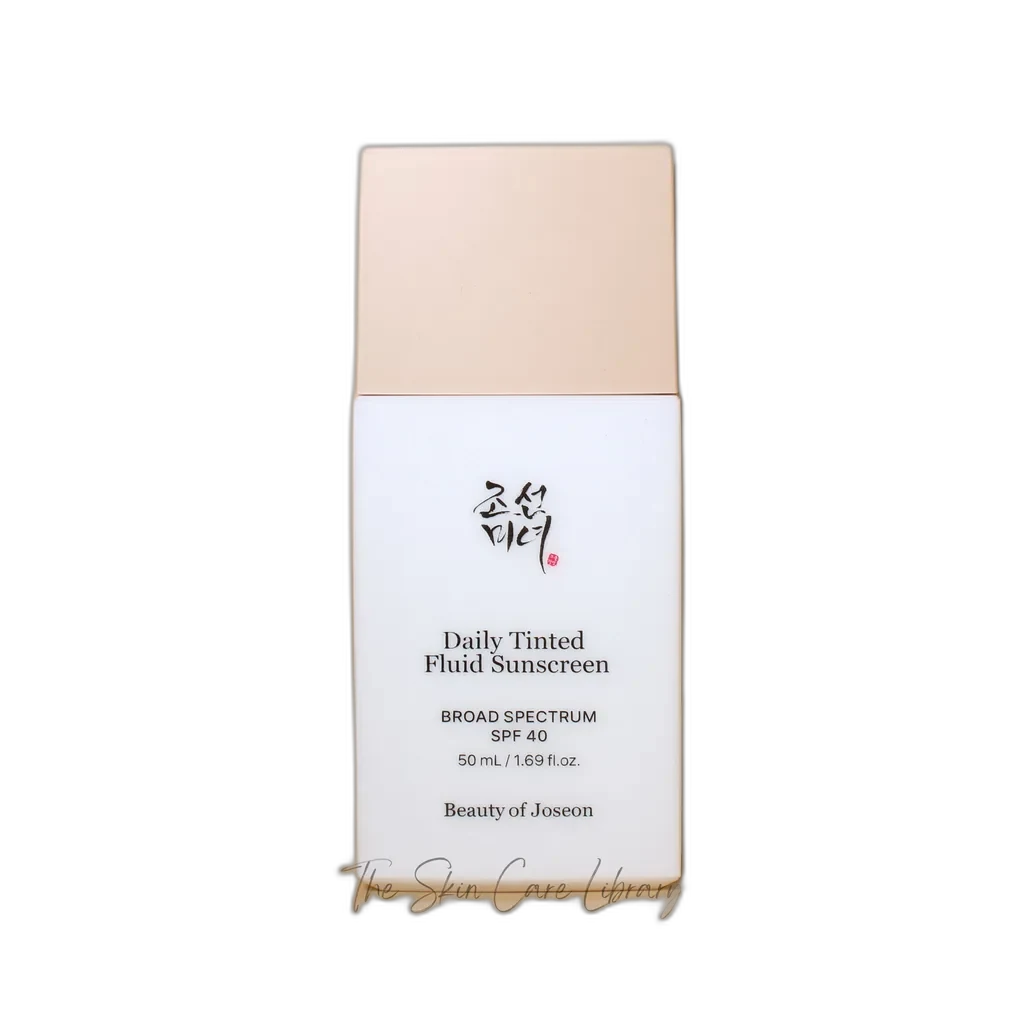
Daily Tinted Fluid Sunscreen SPF 40
K-Beauty Tinted SPF Trailblazer
 Verified reviewer
Pros & cons.
- +100% mineral (zinc oxide only) with no chemical UV filters — pregnancy-safe and reef-friendly
- +12 shades across light, medium, and deep ranges with multiple undertone options
- +Iron oxides provide bonus visible light and blue light protection beyond UV filtering
- +Remarkably lightweight fluid texture for a formula with 20.90% zinc oxide
- +No white cast — the tint completely neutralizes the mineral sunscreen chalkiness
- +Natural satin finish that works beautifully alone or as a makeup base
- +Competitive pricing at $20 compared to Western tinted mineral sunscreens at $30-40
- −Contains alcohol denat which can dry out and irritate sensitive or dry skin types
- −SPF 40 is below the SPF 50 tier that maximum-protection seekers prefer
- −UVA protection level not specified beyond 'broad spectrum' in US labeling
- −Application technique-dependent — can look patchy without a sponge or brush
- −50ml size runs out quickly with proper daily application and reapplication
The full review.
About Beauty of Joseon
For years, K-beauty sunscreens had a shade problem: one pale shade with a white cast. Beauty of Joseon’s Relief Sun followed this trend despite its popularity. When the brand launched a tinted mineral sunscreen in twelve shades from light to deep, it acknowledged that K-beauty serves a global audience.
Formula
The formula uses one UV filter: zinc oxide at 20.90%. This is a bold choice. Most tinted mineral sunscreens combine zinc oxide and titanium dioxide to reach their SPF rating. Using only zinc oxide at this concentration provides broad-spectrum protection across the full UVA and UVB range, as zinc oxide is the only single ingredient that covers both. However, it creates a formulation challenge. Twenty percent zinc oxide usually sits on skin as a thick white paste. Making it a weightless tinted fluid requires advanced cosmetic chemistry.
The solution uses several methods. Iron oxide pigments (CI 77491, CI 77492, CI 77499) provide the tint to neutralize the white cast and protect against visible light and blue light—a benefit untinted sunscreens lack. Alcohol denat helps the formula dry quickly to a non-greasy finish. A blend of lightweight esters (coco-caprylate/caprate, neopentyl glycol diheptanoate, ethylhexyl isononanoate) creates the slip and spreadability of a serum.
Alcohol denat will divide users. It allows a 20.90% zinc oxide formula to feel lightweight and improves dry-down time. But denatured alcohol can irritate dry or compromised skin, and its long-term effects on barrier function are debated. If you have resilient, normal-to-oily skin, the alcohol works well. If your skin is dry, eczema-prone, or easily irritated, use a hydrating moisturizer underneath.
Best for
The shade range is notable. Twelve shades with pink, yellow, and neutral undertones across light, medium, and deep ranges offer inclusivity most K-beauty brands lack. The coverage means the shade does not need to be a perfect match; it evens skin tone rather than masking it, allowing for approximate shade selection. However, buying online without swatching remains a gamble, and the brand needs a shade-matching guide.
Texture
This is one of the most elegant mineral sunscreens at any price point. It flows like a thin fluid—shake before each use because pigments settle—and spreads easily. The finish is a natural satin, neither matte nor dewy. It looks like evenly toned skin, not sunscreen. On a scale from “I can feel this” to “did I apply anything,” it sits in the latter camp.
How to Use
Application technique matters. Some reviewers report patchiness when using only fingers. A damp beauty sponge or a foundation brush distributes the tinted pigments more evenly. Apply in thin layers instead of one thick application for a natural finish.
Pairs Well With
The mugwort (Artemisia capillaris) extract connects this product to the Beauty of Joseon botanical identity. It does not single-handedly calm reactive skin, but it provides mild anti-inflammatory support within this gentle formula. Tocopherol and ascorbyl palmitate provide antioxidant backup; vitamins E and C work with the zinc oxide to neutralize free radicals that pass the mineral filter.
Price
At $20 for 50ml, the price is reasonable. Comparable tinted mineral sunscreens from Western brands (Elta MD UV Elements, Australian Gold Botanical) cost $25-40 for similar volumes. The per-ounce cost increases with reapplication—one tube lasts six to eight weeks with daily use of the recommended amount—but the mineral protection, shade diversity, and cosmetic elegance justify the cost.
Limitations
The limitation is the SPF rating. SPF 40 blocks about 97.5% of UVB rays, close to SPF 50’s 98%. However, it does not reach the SPF 50+ tier for those seeking maximum protection. US labeling also does not disclose the UVA protection rating (only “broad spectrum”), leaving a gap for users wanting confirmed high UVA protection.
Overall
This product matters. It shows K-beauty taking shade inclusivity seriously in the sunscreen category, where one-shade-fits-all has been the default. The execution is not flawless, but the ambition and the formula deserve credit.
Ingredient analysis.
Full INCI list
Active Ingredient: Zinc Oxide 20.90%. Inactive Ingredients: Water, Butyloctyl Salicylate, Isopropyl Myristate, Coco-Caprylate/Caprate, Caprylic/Capric Triglyceride, Neopentyl Glycol Diheptanoate, Ethylhexyl Isononanoate, Alcohol Denat, Polyglyceryl-3 Polyricinoleate, Butylene Glycol, C12-15 Alkyl Benzoate, Propanediol, Silica, Methyl Methacrylate Crosspolymer, Stearic Acid, Polyglyceryl-4 Diisostearate/Polyhydroxystearate/Sebacate, Stearalkonium Hectorite, Undecane, 1,2-Hexanediol, Polyglyceryl-6 Polyhydroxystearate, Polyglyceryl-6 Polyricinoleate, Hydroxyacetophenone, CI 77492, Tridecane, Hydrogenated Olive Oil Unsaponifiables, Polyglycerin-6, CI 77491, CI 77499, Artemisia Capillaris Extract, Isopropyl Titanium Triisostearate, Tocopherol, Ascorbyl Palmitate
Skin match.
The science.
The Science
Zinc oxide at 20.90% provides broad-spectrum protection by absorbing and scattering UV radiation across the 290-400nm range. Zinc oxide works physically; particles sit on the skin surface and deflect UV photons, unlike chemical UV filters that absorb specific wavelengths. A 2019 study in the Journal of the American Academy of Dermatology by Lyons and colleagues confirmed zinc oxide provides the most comprehensive single-ingredient UV coverage available, especially in the UVA range where chemical filters like avobenzone often fail.
The iron oxides in this formula (CI 77491, 77492, 77499) do more than tint. A 2020 study in the Journal of Cosmetic Dermatology by Dumbuya and colleagues showed iron oxide-containing tinted sunscreens outperform non-tinted mineral sunscreens at protecting against visible light-induced pigmentation. This matters for melasma management, as visible light triggers hyperpigmentation alongside UV exposure. The combination of zinc oxide and iron oxides creates 'broad-spectrum plus' protection, covering UV, visible light, and high-energy visible (HEV/blue light) ranges.
Ascorbyl palmitate and tocopherol act as antioxidants to add a biological defense layer to the physical UV blocking. A 2005 study in the Journal of Investigative Dermatology by Lin and colleagues showed topical vitamins C and E in combination provide greater photoprotection than either vitamin alone, reducing UV-induced erythema and thymine dimer formation by up to fourfold compared to unprotected skin.
Dermatologist Perspective
Dermatologists often recommend tinted mineral sunscreens for patients with melasma, post-inflammatory hyperpigmentation, and other pigmentary conditions. Board-certified dermatologists note that iron oxide pigments in tinted formulas protect against visible light wavelengths that untinted sunscreens miss—a key factor in preventing and managing hyperpigmentation. The 100% zinc oxide formula fits the dermatologist-recommended pregnancy sunscreen category, where users typically avoid chemical UV filters as a precaution. Dermatologists note the alcohol denat content requires monitoring in patients with dry or barrier-compromised skin, and the SPF 40 rating works for daily urban use with proper reapplication.
Where it fits in your routine.
Shake the tube vigorously before each use because pigments settle. Apply a generous amount (approximately two finger-lengths for the face) to skin after moisturizer. Use a damp beauty sponge or foundation brush instead of fingers for an even finish. Let the formula set for 2-3 minutes before applying makeup. Reapply every 2 hours during extended sun exposure. For removal, use an oil-based cleanser or cleansing balm as the first step of double cleansing.
At $20 for 50ml, this tinted mineral sunscreen offers high value. Comparable tinted mineral sunscreens — EltaMD UV Elements ($39/48ml), Australian Gold Botanical Tinted Face ($16/89ml, but fewer shades), and Colorescience Sunforgettable ($45/30ml) — cost more per unit, have fewer shades, or both. K-beauty pricing makes daily tinted mineral sunscreen use affordable, but the 50ml volume requires monthly repurchasing for diligent users. If used as a light-coverage foundation alternative, the value improves because it replaces both sunscreen and a sheer foundation step.
This mineral-only tinted sunscreen leaves no white cast. It suits melanin-rich skin tones often underserved by K-beauty sunscreens. It works for pregnant individuals, melasma-prone skin, and anyone wanting light coverage and UV protection in one step.
People with very dry or eczema-prone skin who react to alcohol denat. Users needing maximum SPF 50+ protection for long outdoor activities. Those wanting fuller-coverage tinted products—this is sheer by design.
Product details.
Thin, fluid consistency feels more like a tinted serum than a traditional sunscreen. It is lightweight and runny; shake before use to mix pigments evenly.
Fragrance-free with a faint mineral sunscreen base note that is barely noticeable
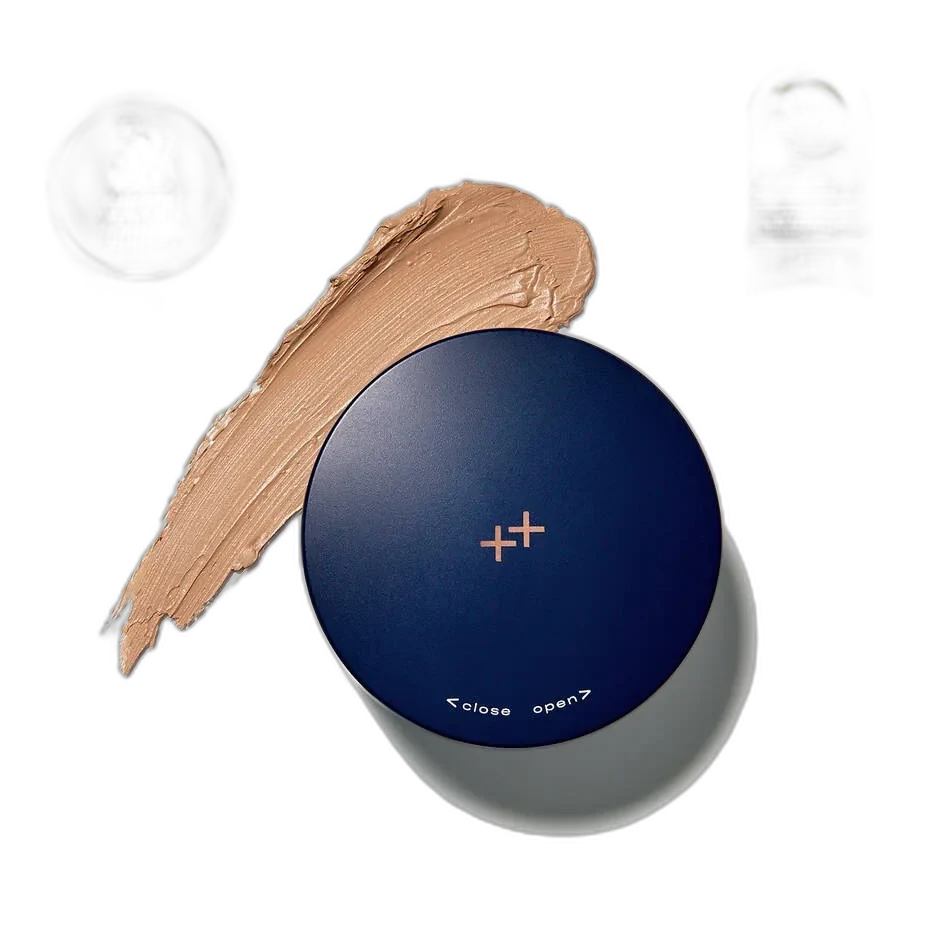
Slim, travel-friendly squeeze tube has a narrow opening for controlled dispensing. The design matches the brand's clean aesthetic and clearly displays the shade number.
Shake the tube well before use; the fluid separates if left sitting. Dispense onto fingers or a sponge and blend across the face. The sheer tint evens skin tone without masking it. It provides a natural, skin-like finish instead of full coverage. The alcohol denat helps it dry quickly to a satin finish. Dry skin types may feel slight tightness after 20-30 minutes; a hydrating moisturizer underneath resolves this.
6-8 weeks with daily facial application at proper SPF amount
12 months
All Year
The backstory.
Beauty of Joseon's Relief Sun SPF 50 became one of the best-selling K-beauty sunscreens globally, but its chemical UV filters and single shade limited its appeal. This tinted fluid answers two persistent requests from the brand's community: mineral-only protection (preferred during pregnancy and by those avoiding chemical filters) and shade options for diverse skin tones — a long-overdue move for K-beauty, which has historically defaulted to one-shade-fits-all sunscreens.
About Beauty of Joseon
Established Brand (5–20 years)Sumin Lee founded Beauty of Joseon in 2016 in South Korea. The brand uses hanbang ingredients and Joseon dynasty beauty traditions. Relief Sun SPF 50 became a K-beauty bestseller, building UV protection credibility before this tinted follow-up launched.
FAQ.
How many shades does the Beauty of Joseon Tinted Sunscreen come in?
The sunscreen comes in 12 shades, from very light to deep tones. Shade codes use a prefix system (LP for light-pink, LN for light-neutral, MP for medium-pink, MY for medium-yellow, MN for medium-neutral, DY for deep-yellow, DN for deep-neutral, DP for deep-pink). Sheer coverage makes exact shade matching less critical than foundation; most people fit within 1-2 shades of their ideal match.
Is this sunscreen safe for pregnancy?
Yes. This 100% mineral sunscreen uses zinc oxide as its only UV filter. Dermatological guidelines call this the safest sunscreen choice during pregnancy. It has no chemical UV filters, no retinoids, and no ingredients flagged for pregnancy concerns. The zinc oxide stays on the skin surface and does not undergo systemic absorption.
Why does the SPF say 40 instead of 50?
Achieving SPF 50 with zinc oxide alone requires high concentrations that ruin cosmetic elegance. At 20.90% zinc oxide, this product provides SPF 40 broad-spectrum protection and stays a lightweight, fluid texture for daily wear. The difference between SPF 40 (blocking ~97.5% of UVB) and SPF 50 (blocking ~98%) is minimal — application amount and reapplication matter more than the SPF number.
Does this sunscreen work well under makeup?
Yes. The fluid texture and satin finish create a smooth base for foundation, concealer, or powder. The tint provides enough coverage that some users skip foundation and use only this sunscreen and concealer for a natural look. Let it set for 2-3 minutes before applying makeup.
Does this product contain alcohol?
The formula contains alcohol denat (denatured alcohol) to help the product dry quickly to a non-greasy finish. While alcohol denat improves the texture and wearability of this high-zinc formula, it can dry out some skin types. If you have very dry or eczema-prone skin, use a hydrating moisturizer underneath. ---
What the community says.
"No white cast despite being 100% mineral — the tint completely eliminates it"
"Feels like skincare rather than sunscreen — lightweight and comfortable"
"12 shade range is impressive for a K-beauty sunscreen"
"Sheer enough to layer without looking cakey or heavy"
"Skin looks naturally even-toned and healthy with just this product"
"SPF 40 with zinc oxide only — UVA protection rating not disclosed for US version"
"Can look patchy when applied with fingers — sponge or brush works better"
"Contains alcohol denat which may dry out already-dry skin"
"Shade matching is tricky without in-person testing"
"Only 50ml for $20 — runs out fast with proper reapplication"
People also looked at.