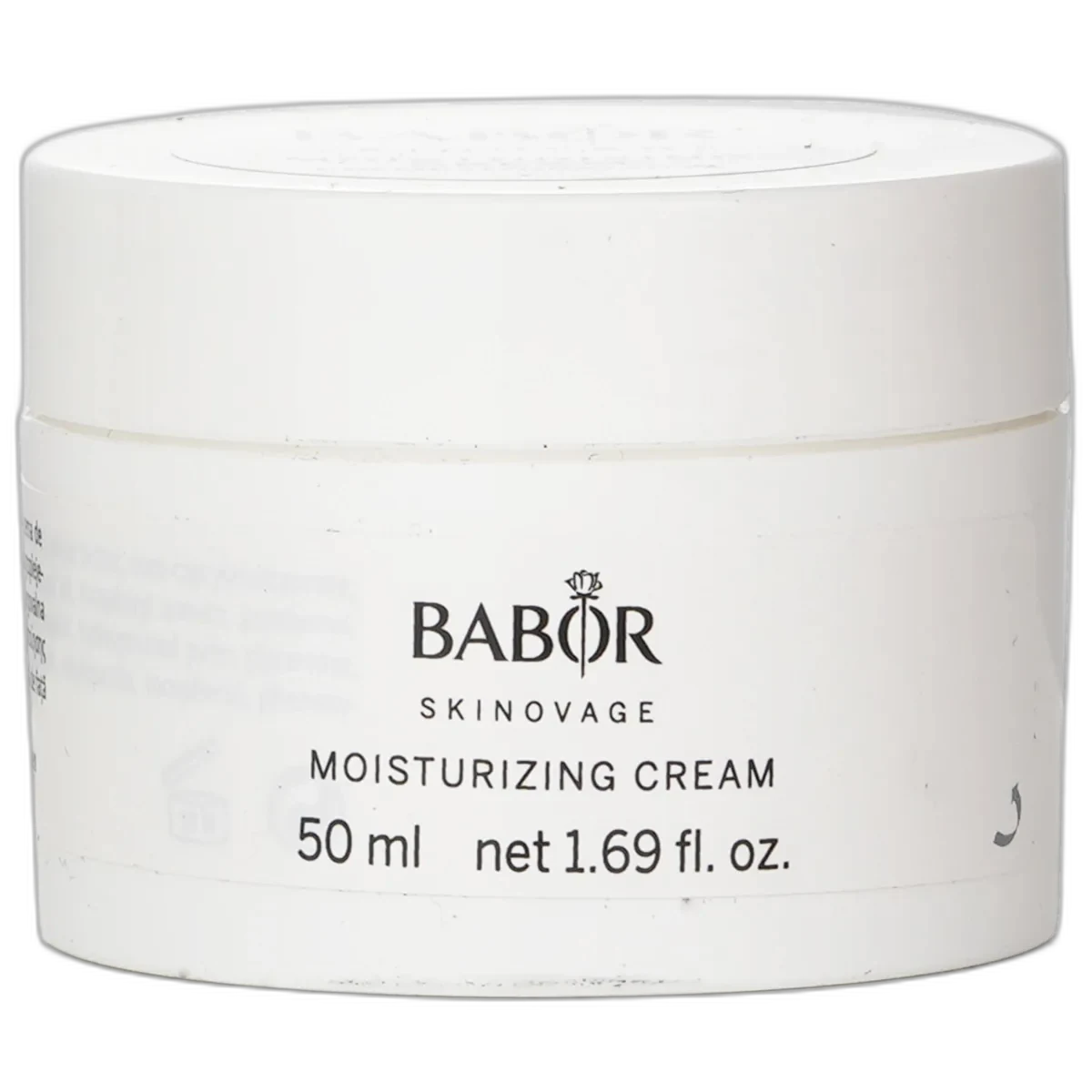
Skinovage Moisturizing Cream
European Spa Legacy Cream
 Verified reviewer
Pros & cons.
- +Sensible ceramide-cholesterol-phytosterol lipid matrix
- +Rich, cushiony texture suited to dry and mature skin
- +Backed by nearly seventy years of German professional skincare heritage
- +Works coherently with Babor's ampoule and professional treatment system
- +Pleasant, traditional European spa fragrance (for those who want that)
- +Reliable long-term formulation consistency
- −Fragrance content excludes reactive, rosacea, and sensitive skin
- −Premium price reflects professional-channel positioning more than ingredient cost
- −Jar packaging is less hygienic than airless alternatives at this price
- −Less innovative than newer indie ceramide creams
- −Availability outside professional spa channels and select luxury retailers is limited
The full review.
Certain skincare brands sit on European day spa shelves that Americans rarely notice. In small salons in Vienna, Munich, or Milan, Babor, Maria Galland, Dr. Grandel, Anne Semonin, and others sit on back counters alongside ampoule sets and professional tools. These brands have existed since before most US skincare consumers were born. They use legacy esthetician distribution, heritage manufacturing in German or French regions, and an aesthetic that favors sensory experience, light fragrance, and ritual over the clinical-minimalism of current English-language skincare. Dr. Michael Babor founded Babor in Aachen, Germany, in 1956. The Skinovage line is one of its longest-running families, and the Moisturizing Cream is its core hydration entry.
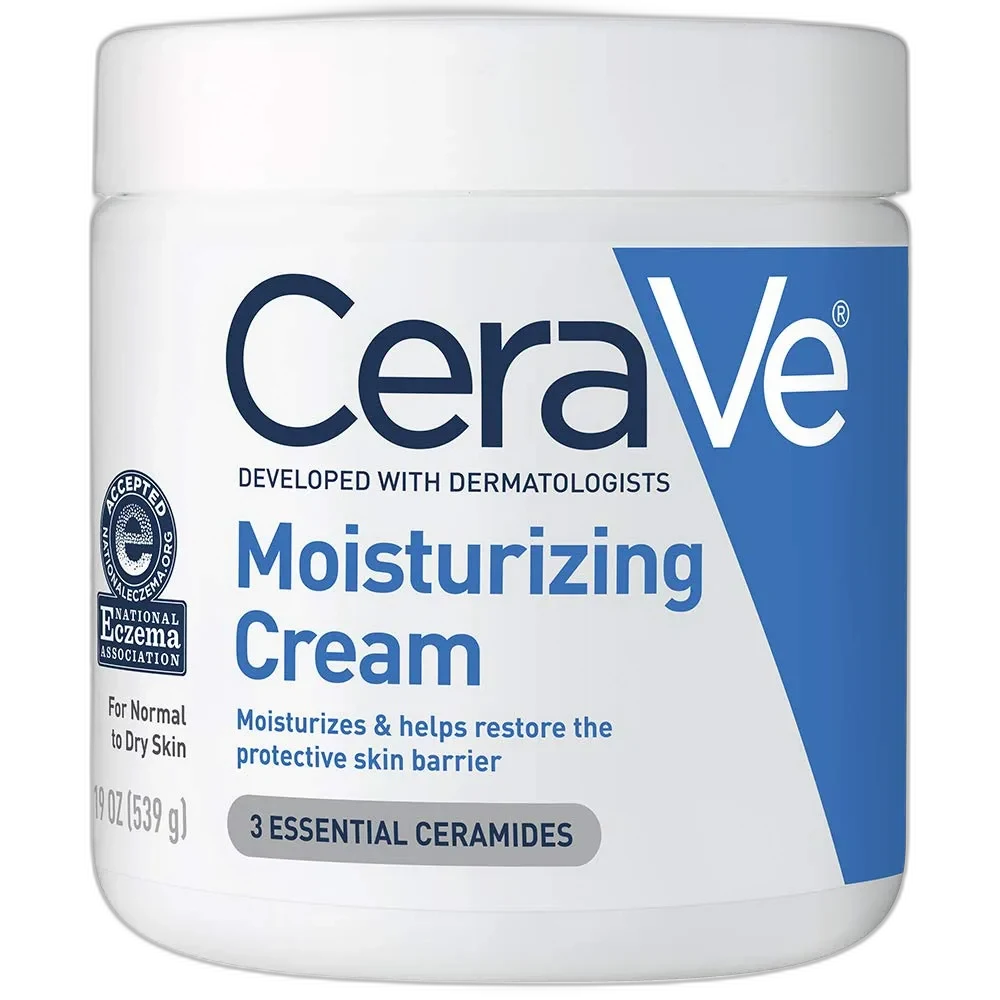
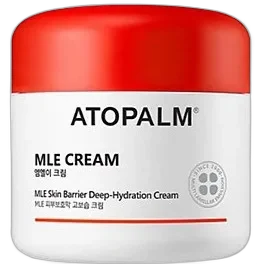
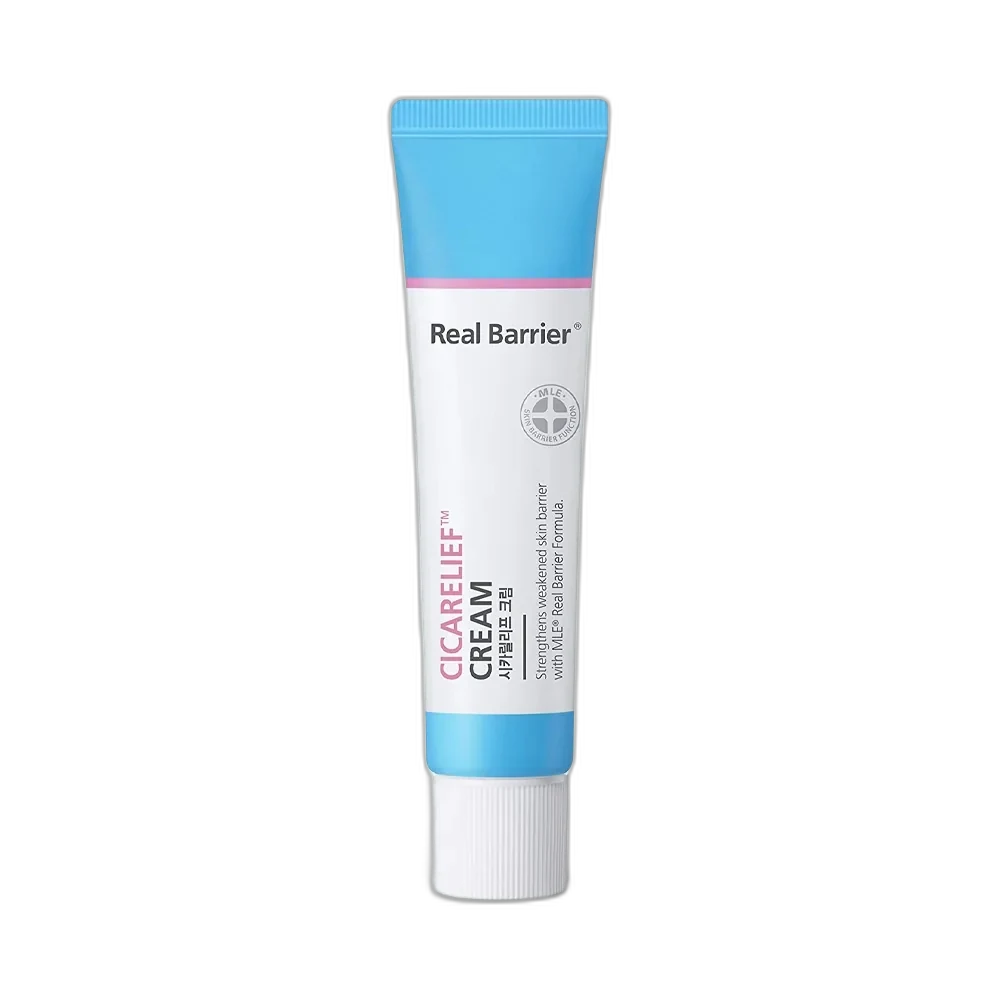
Evaluating this cream by its INCI list alone misses half the sale. The ingredients are fine: a base of sunflower oil, caprylic/capric triglyceride, shea butter, squalane, and glycerin, plus ceramide NP, cholesterol, phytosterols, panthenol, adenosine, niacinamide, and soothing agents. The 2020 Skinovage relaunch updated the lipid chemistry to match modern ceramide-cholesterol formulations, which is a legitimate improvement. A formulator seeing this list without the Babor name would call it a well-built moisturizer for dry skin, suitable for everyday use in a normal-to-dry demographic. They would also say it lacks innovation—most actives have been on the market for years, and brands like CeraVe, Atopalm, and Real Barrier execute the ceramide-cholesterol story more cheaply and cleverly.
With Babor, you buy the aesthetic and ritual. The texture is thick and cushiony, the finish is satin, the fragrance is a light European spa parfum that feels sophisticated rather than perfumed, and the glass-and-metal jar fits a hotel vanity in Baden-Baden. It feels made for a slow spa facial rather than a five-minute Brooklyn morning. For buyers with a Babor-trained esthetician, those who travel to Europe for treatments, or those who value this specific aesthetic, this provides meaningful value. The cream is part of a system including Babor ampoules, Babor cleansers, Babor professional treatments, and a network of trained estheticians.
The limitations are clear. The fragrance is the main issue—parfum plus limonene, linalool, geraniol, and citronellol on the INCI means this cream is not for reactive, rosacea-prone, or barrier-compromised skin. European spa brands use more fragrance than US dermocosmetic brands, and Babor is no exception. If you are sensitive to fragrance, skip this. The jar packaging is traditional but less hygienic than airless packaging at this price. At eighty-two dollars for 50ml, the price is luxury-adjacent and hard to justify by ingredient cost alone. The price supports the esthetician distribution network and heritage positioning rather than formulation cost.
On the skin, this works like a well-made German moisturizer. It absorbs easily, leaves a satin finish, works under makeup or during sleep, and provides steady hydration that dry skin responds to over weeks. It offers no dramatic overnight transformation or Instagram-worthy before-and-after. It is simply a cream that works like a competent professional moisturizer, which is a relief in a market full of hype.
Who should buy it? Existing Babor customers staying in the brand ecosystem. Dry-skin European-tradition enthusiasts who value fragrance and spa aesthetics. Mature skin needing a thick, cushiony daily cream with ceramide support. Who should skip it? Anyone reactive to fragrance. Anyone seeking peak value-per-dollar ceramide chemistry. Anyone preferring minimalist, clinical skincare over sensorial rituals.
Formula
Who should buy it?
Existing Babor customers who want to stay within the brand ecosystem. Dry-skin European-tradition enthusiasts who value fragrance and spa aesthetics. Mature skin looking for a rich, cushiony daily cream with ceramide support.
Who should skip it?
Anyone reactive to fragrance. Anyone looking for peak value-per-dollar ceramide chemistry. Anyone whose skincare philosophy is minimalist and clinical rather than sensorial and ritualistic.
Ingredient analysis.
Full INCI list
Aqua (Water), Caprylic/Capric Triglyceride, Cetearyl Alcohol, Helianthus Annuus (Sunflower) Seed Oil, Glycerin, Glyceryl Stearate, Butyrospermum Parkii (Shea) Butter, Squalane, Cetearyl Glucoside, Panthenol, Tocopheryl Acetate, Glyceryl Stearate Citrate, Sodium Hyaluronate, Ceramide NP, Cholesterol, Phytosterols, Adenosine, Bisabolol, Allantoin, Niacinamide, Hydrogenated Lecithin, Xanthan Gum, Sodium Stearoyl Glutamate, Disodium EDTA, Citric Acid, Phenoxyethanol, Ethylhexylglycerin, Parfum (Fragrance), Limonene, Linalool, Geraniol, Citronellol
Skin match.
The science.
The Science
The formulation uses a studied mix of ceramide NP, cholesterol, and phytosterols to mimic the physiological lipid profile of healthy stratum corneum. Decades ago, research by Man, Elias, and colleagues at the University of California San Francisco showed that topical ceramides, cholesterol, and free fatty acids in physiological ratios repair the barrier better than non-lipid moisturizers. This foundational work appears in the Journal of Investigative Dermatology and the Archives of Dermatology. Phytosterols add plant-derived lipids to stabilize and support the barrier.
Squalane has a large research base as a lightweight, non-comedogenic lipid. It integrates into the stratum corneum without the occlusive heaviness of mineral oil or petrolatum. Squalane helps the cream feel comfortable despite its thick lipid matrix.
Niacinamide, panthenol, adenosine, and allantoin are well-characterized cosmetic actives with clinical evidence. Clinical trials show niacinamide at modest concentrations (typically 2-5%) supports barrier function, modulates pigmentation, and aids anti-aging. Adenosine has regulatory approval as a wrinkle-reducing active in several jurisdictions at concentrations around 0.04-0.1%.
The fragrance complex in this cream — parfum plus specific allergens like limonene, linalool, geraniol, and citronellol — causes contact sensitization in some users. European Cosmetics Regulation requires disclosing these compounds because of their sensitization potential. This is the formula's main scientific limitation.
Dermatologist Perspective
European dermatologists often see Babor and similar professional-channel brands in patient routines; the Skinovage line is a well-built range. Board-certified dermatologists note the core lipid chemistry — ceramides, cholesterol, phytosterols — is sound for dry and mature skin. The main clinical concern with Babor products is the fragrance content. Dermatologists treating rosacea, eczema, and contact dermatitis patients usually recommend fragrance-free alternatives over fragranced European spa brands. For patients who tolerate fragrance and want a sensorial daily moisturizer with legacy credentials, this cream is a reasonable pick. For patients prioritizing clinical efficacy per dollar, dermatologists more often recommend CeraVe Moisturizing Cream, La Roche-Posay Toleriane, or Atopalm as better value alternatives.
Where it fits in your routine.
Apply a small scoop with a spatula or clean fingers to cleansed, toned skin as your final moisturizing step. Use twice daily: in the morning before SPF and in the evening as your last leave-on product. The cream layers on top of Babor ampoules and serums. If using the full system, apply your ampoule first, wait one minute for absorption, then apply this cream. Use a spatula instead of fingers to scoop from the jar for better hygiene.
At eighty-two dollars for 50ml, this cream is a luxury-professional product. This price matches Babor's brand positioning and traditional European spa distribution. Per ounce, it costs more than three times CeraVe Moisturizing Cream and roughly double Real Barrier Intense Moisture Cream. Both of those products offer comparable or stronger ceramide-cholesterol stories. The premium price reflects the professional-channel business model, the seventy-year heritage, and the sensorial European spa aesthetic rather than raw ingredient efficacy. The price is defensible for buyers who value these intangibles or use the Babor ecosystem. It isn't for pure value-seekers.
Existing Babor customers who use the brand's ampoule-and-cream ecosystem. Dry or mature skin types that want a thick, cushiony texture and traditional European spa aesthetics. Buyers who value fragrance and sensorial ritual in their skincare. People with access to Babor-trained estheticians who recommend this during professional treatments.
People reactive to parfum or natural fragrance compounds. Those with Rosacea, eczema, or barrier-compromised skin seeking fragrance-free alternatives. Value-conscious buyers wanting maximum ceramide chemistry per dollar. Minimalist skincare users preferring airless packaging and clinical aesthetics over legacy spa traditions.
Product details.
Rich, cushiony cream that absorbs into a comfortable semi-satin finish
Light European-spa parfum with herbal notes
Classic glass jar with metal lid — hygienic concerns typical of jar packaging apply
The first application feels comforting on dry or tight skin. The texture is thick but not heavy. The fragrance is noticeable but stays below European spa standards. People sensitive to parfum should skip this; everyone else will find it a pleasant, cushiony cream.
2-3 months with twice-daily face and neck application
12 months
fall winter
The backstory.
Babor was founded in Aachen, Germany in 1956 by Dr. Michael Babor and became one of the foundational brands of the European professional skincare industry. The Skinovage line is one of the brand's longest-running product families, originally developed as a professional-channel home care range for clients of Babor-trained estheticians. The 2020 relaunch modernized the formulations with updated ceramide and lipid chemistry while preserving the classic Babor spa sensibility.
About Babor
Legacy Brand (20+ years)Dr. Michael Babor founded Babor in Germany in 1956 for estheticians and spas. The brand has nearly seven decades of experience in professional cabin treatments and works widely in European day spas. Babor relaunched the Skinovage line in 2020 to modernize their long-standing professional-care range.
Common myths.
European professional brands have higher quality than US or K-beauty alternatives.
Professional channel brands have legacy, training networks, and spa distribution, but you must evaluate formulations on their own merits. This cream is well-built but lacks meaningful superiority over many ceramide creams at a fraction of the price — the premium pays partly for heritage and the distribution model.
FAQ.
What is Babor Skinovage?
Skinovage is one of Babor's longest-running professional skincare lines, originally developed for clients of Babor-trained European estheticians. It was relaunched in 2020 with modernized formulations centered on ceramide and cholesterol lipid chemistry, and the Moisturizing Cream is the line's core hydration product for normal-to-dry skin.
Is this worth the $82 price?
It depends on your priorities. The formulation works well but lacks a major advantage over ceramide creams costing a third as much. The price makes sense if you value the European professional spa heritage, the coherence with Babor's ampoule system, and the brand's nearly seventy-year track record. Other options offer a better efficacy-to-cost ratio.
How does it compare to CeraVe or La Roche-Posay Cicaplast?
The ceramide-cholesterol mechanism is similar, but Babor uses fragrance, a thick texture, and a professional-channel aesthetic. CeraVe and La Roche-Posay are fragrance-free, better for sensitive skin, and much cheaper. Babor differentiates through aesthetics and heritage, not formulation.
Is it safe for sensitive skin?
No. The formula contains parfum and several fragrance compounds (limonene, linalool, geraniol, citronellol), which are common sensitizers. Reactive, rosacea-prone, or barrier-compromised skin needs a fragrance-free alternative.
Can I use it with Babor ampoules?
Yes — the Skinovage cream works as the moisturizer for Babor's ampoule serum system. Apply the ampoule first, let it absorb, then use this cream. This follows the traditional European spa approach to layered care.
Is it pregnancy-safe?
Yes — the formula lacks retinoids, salicylic acid, or other pregnancy-caution actives. Ceramides, cholesterol, panthenol, and niacinamide are the primary ingredients, and all are pregnancy-safe.
What the community says.
"Rich, comfortable texture for dry skin"
"Plays nicely with the broader Babor ampoule system"
"Professional-grade feel and packaging"
"Long shelf life from established formula"
"Fragrance content limits use on sensitive skin"
"Price is high for the ingredient profile"
"Less innovation than newer ceramide creams from younger brands"