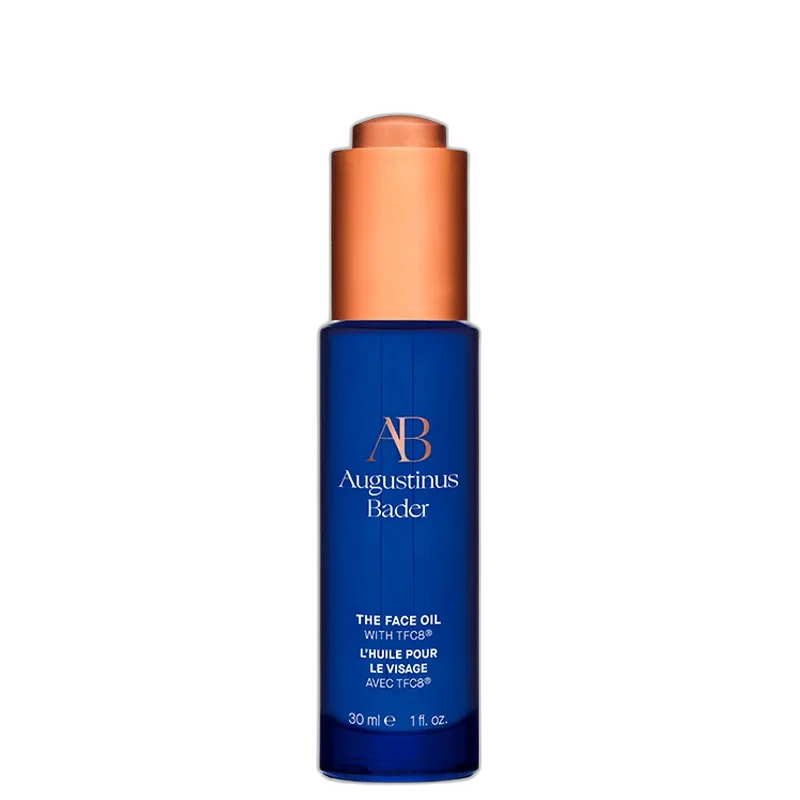
The Face Oil
Luxury Multi-Oil Glow
 Verified reviewer
Pros & cons.
- +Seven cold-pressed oils chosen for fatty acid diversity
- +Linoleic-rich top oils make it tolerable for combination skin
- +Layered botanical antioxidant package
- +Truly fragrance-free — rare at the luxury oil tier
- +Includes TFC8 amino acid complex via emulsifying carrier
- +Lightweight satin-glow finish without heavy slick
- +Cruelty-free and vegan formulation
- −Price is impossible to justify on ingredient cost alone
- −Visible-results gap from cheaper multi-oil blends is small
- −Plant oils make it not reliably fungal-acne safe
- −Hazelnut oil rules it out for tree nut allergies
- −30ml glass bottle is breakable and empties faster than expected
The full review.
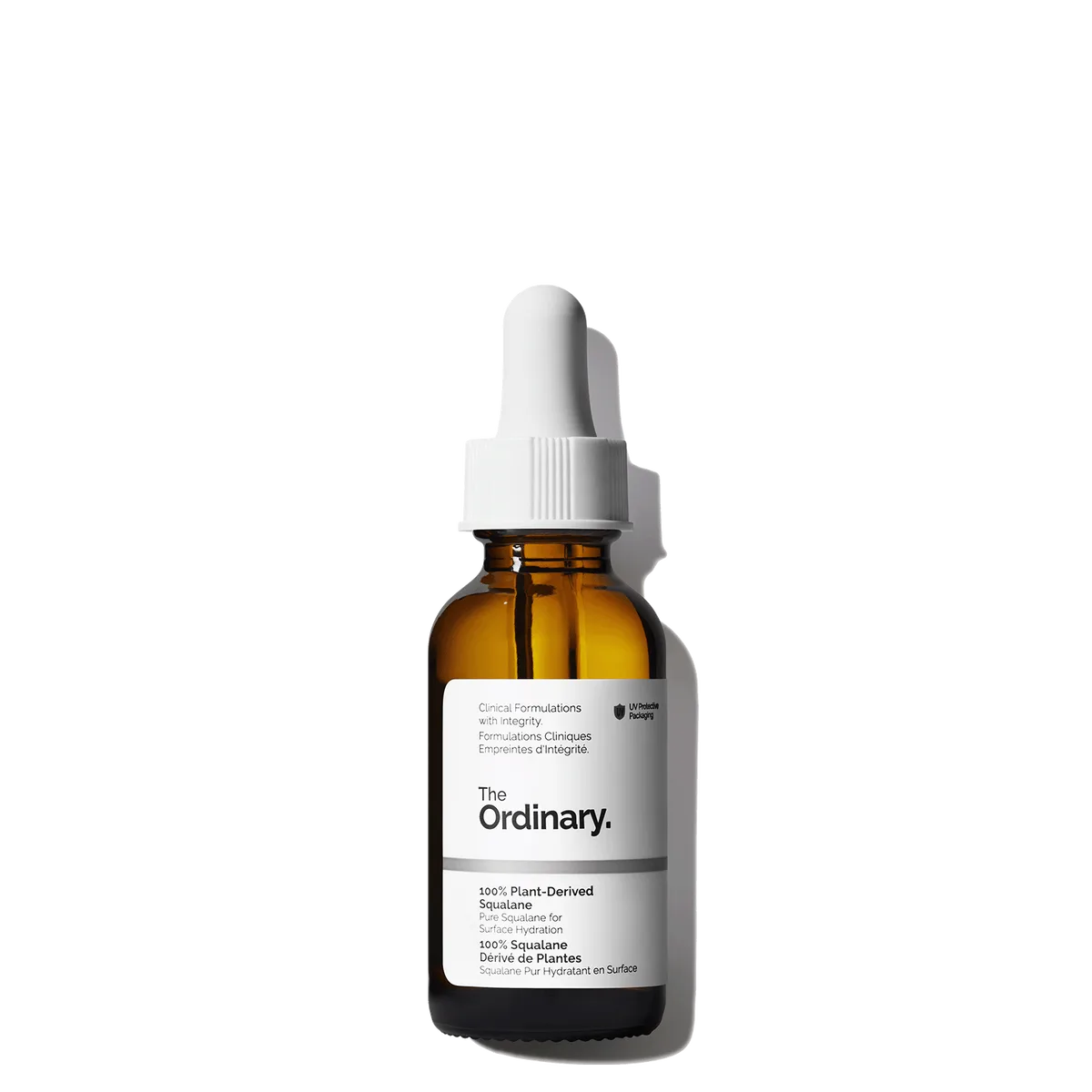
A specific grammar defines the luxury face oil category, established when Vintner’s Daughter Active Botanical Serum launched premium oils in 2014. The pattern is consistent: select a hero plant oil, build a founder’s discovery backstory, add twenty botanicals for scent and texture, use heavy essential oil doses for a spa scent, and use a $185 for 30ml frosted glass bottle. Vintner’s Daughter, May Lindstrom, In Fiore, Maya Chia, and Kahina all follow these rules, and they work. Luxury oil customers want sensory experiences alongside ingredients. Augustinus Bader’s Face Oil breaks these rules. It launched in 2020 as the brand expanded from creams into oils using a different approach: stack seven cold-pressed plant oils at the top of the ingredient list for fatty acid diversity instead of narrative drama, skip essential oils, and let formulation chemistry drive the experience. The result is a face oil that feels different from luxury peers—more clinical, more restrained, and harder to market. This review asks if the difference justifies $230. The seven-oil base is the foundation. Grape seed oil is first—high in linoleic acid, lightweight, and well-tolerated by acne-prone skin. Babassu oil is second, providing lightweight slip and a fatty acid profile similar to coconut oil but with less comedogenic risk. Jojoba is third; it mimics skin sebum to help the formula sit on the skin without disrupting the natural lipid balance. Argan, hazelnut, sunflower, and cranberry round out the top oils based on fatty acid character. Argan adds oleic-acid richness for dry skin. Hazelnut adds linoleic acid and an astringent character. Sunflower adds linoleic acid and vitamin E. Cranberry seed oil is the outlier—it has a balanced omega-3-to-omega-6 ratio rare in face oils and adds antioxidant capacity. The cumulative effect creates fatty acid diversity no single-oil hero can match. As a nutritional profile rather than a spa product, this is more complete than most cult favorites. The supporting cast reveals the formula’s other goals. Sea buckthorn fruit extract is a rich source of omega-7 fatty acids and carotenoids, adding antioxidant load. Pomegranate seed extract contains punicic acid, a rare conjugated fatty acid with anti-inflammatory effects. Karanja oil provides mild antimicrobial and anti-inflammatory function and modest UV-absorbing capability. Horse chestnut, licorice root, chamomile, carrot root, and rosemary complete the botanical antioxidant package. Vitamin E in two forms anchors the antioxidant defense. These ingredients work together to create a multi-pathway antioxidant system that mirrors how skin defends against oxidative damage. The TFC8 amino acid complex appears in trimmed form—alanyl glutamine, arginine, oligopeptide-177, oligopeptide-6—dispersed via the lecithin and pentylene glycol carrier system. Including water-soluble actives in an oil requires specific emulsifying chemistry; this inclusion connects the oil to the broader Augustinus Bader narrative. Texture delivers the experience. The oil dispenses from the glass dropper as a lightweight golden liquid, spreads thin, and absorbs within minutes to a satin-glow finish without the heavy slick of cheaper oils. There is no fragrance—no rosehip-jasmine-sandalwood essential-oil cocktail—only the faint earthy scent of cold-pressed plant oils. It is a rare fragrance-free luxury option. Value is the final question. At $230 for 30ml or $85 for 10ml, this is one of the most expensive face oils. At $7.67 per ml, it costs more than Vintner’s Daughter Active Botanical Serum ($6.17 per ml), Kahina Beauty Argan Oil ($4.13 per ml), Indie Lee Squalane Facial Oil ($1.40 per ml), or The Ordinary 100% Plant-Derived Squalane (under $0.40 per ml). The structural ingredients for skin softness, antioxidant defense, and fatty acid replenishment are not unique to Augustinus Bader. You pay for the seven-oil sophistication, the fragrance-free luxury formulation, the TFC8 complex, the brand experience, and the academic research pedigree. The seven-oil approach is more sophisticated than cheaper alternatives, and the fragrance-free profile is rare at this tier, but they do not provide a 5x value gap in visible results. For a buyer who wants a luxury, fragrance-free, multi-oil face product and can afford the cost, this is a defensible option. For value-driven buyers, mid-range multi-oil blends deliver similar visible benefits for less. Note: the plant oil content means it is not reliably fungal-acne safe; those with Malassezia folliculitis should avoid it. Hazelnut oil makes it unsuitable for those with tree nut allergies. The 30ml bottle lasts two to three months at three to five drops twice daily, representing a high annual spend. The glass bottle breaks easily and the dropper is slow. Augustinus Bader’s project is to commercialize thoughtful formulation at the luxury tier, and the Face Oil supports this. The seven-oil approach is sophisticated, the fragrance-free profile is meaningful, and the formulation feels considered. At this price, the brand and experience must carry the math. If you can afford it and want it, it is a good product. If not, you are not missing much.
Formula
Ingredient analysis.
Full INCI list
Vitis Vinifera (Grape) Seed Oil, Orbignya Oleifera (Babassu) Seed Oil, Simmondsia Chinensis (Jojoba) Seed Oil, Argania Spinosa Kernel Oil, Corylus Avellana (Hazelnut) Seed Oil, Helianthus Annuus (Sunflower) Seed Oil, Vaccinium Macrocarpon (Cranberry) Seed Oil, Hippophae Rhamnoides (Seabuckthorn) Fruit Extract, Punica Granatum (Pomegranate) Seed Extract, Pongamia Glabra (Karanja) Seed Oil, Tocopheryl Acetate, Bisabolol, Aesculus Hippocastanum (Horse Chestnut) Seed Extract, Glycyrrhiza Glabra (Licorice) Root Extract, Chamomilla Recutita (Matricaria) Flower Extract, Daucus Carota Sativa (Carrot) Root Extract, Lecithin, Glycerin, Rosmarinus Officinalis (Rosemary) Leaf Extract, Water, Hydrolyzed Rice Protein, Lithothamnion Calcareum Extract, Pentylene Glycol, Alanyl Glutamine, Arginine, Brassica Alba Oil, Oligopeptide-177, Oligopeptide-6, Potassium Sorbate, Sodium Hydroxide, Tocopherol
Skin match.
The science.
The Science
Multi-oil face blends work because plant oils act as topical emollients and antioxidant carriers. A 2018 review in the International Journal of Molecular Sciences by Lin and colleagues examined common cold-pressed plant oils. They concluded that fatty acid composition drives oil performance: linoleic-rich oils support barrier function and suit acne-prone skin, while oleic-rich oils provide the occlusion dry skin needs. This product's seven-oil blend spans both ends of that spectrum to cover more skin types. For acne-prone skin, a 1986 study by Letawe, Boone, and Pierard in Clinical and Experimental Dermatology found that acne patients have less linoleic acid in their sebum. Topical linoleic acid application reduced microcomedone size, explaining why linoleic-rich oils do not necessarily worsen acne. Punicic acid in Pomegranate seed oil has anti-inflammatory effects, according to a 2017 review in Phytotherapy Research summarizing in vitro and in vivo evidence. Multiple cosmetic chemistry papers characterize Sea buckthorn's carotenoid content and omega-7 fatty acids. Karanja oil has a longer history in traditional Indian medicine than in peer-reviewed cosmetic literature, but studies exist for its terpene content. Vitamin E (tocopheryl acetate and tocopherol) is a highly studied topical antioxidant with decades of cosmetic and dermatological research. This oil's structural effects—fatty acid replenishment, antioxidant support, and barrier emolliency—rely on known ingredient chemistry, while the seven-oil diversity and the TFC8 complex are the brand's specific formulation contributions.
References
- Anti-Inflammatory and Skin Barrier Repair Effects of Topical Application of Some Plant Oils — International Journal of Molecular Sciences (2018)
- Digital image analysis of the effect of topically applied linoleic acid on acne microcomedones — Clinical and Experimental Dermatology (1998)
Dermatologist Perspective
Dermatologists view multi-oil face blends like this one as legitimate luxury moisturizers, especially for dry, normal, and combination skin that benefits from layered fatty acids. Board-certified dermatologists note the fragrance-free formulation is a clear advantage over most luxury face oils, which often use sensitizing essential oils. They also emphasize that prescription retinoids, sunscreen, and in-office treatments deliver more dramatic anti-aging results than any face oil at any price. This oil is a defensible choice for supplementing very dry skin routines, adding antioxidant support, or finding a fragrance-free luxury option. Caution is advised for confirmed fungal acne and tree nut allergies, as the plant oil and hazelnut content would be problematic.
Where it fits in your routine.
Apply 3-5 drops to clean, damp skin after serum and before moisturizer to increase absorption, or as the final step over moisturizer for a satin-glow finish. Press the oil into the skin; do not rub. The oil is concentrated, so use a small amount and avoid over-applying. Use it morning, night, or both. Layer sunscreen on top in the morning. The brand often pairs the Face Oil with The Cream or The Rich Cream for a full Augustinus Bader routine.
At $230 for 30ml or $85 for 10ml, this face oil costs more than most, matching Vintner's Daughter and luxury indie oil brands. The price is $7.67 per ml, while Indie Lee Squalane Facial Oil is roughly $1.40 per ml and The Ordinary 100% Plant-Derived Squalane is under $0.40 per ml. Many quality multi-oil blends from Kahina, Indie Lee, Maya Chia, and other reputable brands provide the same fatty acid replenishment, antioxidant support, and skin softness for much less. The extra cost covers the seven-oil sophistication, the fragrance-free luxury formulation, the TFC8 complex, the brand pedigree, and the experience. This oil is a defensible luxury option for users who value that specific combination and can afford the price. Value-driven buyers get most structural benefits from almost any well-formulated mid-range face oil for far less.
This fragrance-free face oil suits dry, normal, or combination skin types seeking multi-oil chemistry and can afford the price. It layers well over Augustinus Bader's creams for a branded routine. It also fits users who value the brand's academic research pedigree.
Oily and acne-prone skin, confirmed fungal acne, tree nut allergies (hazelnut content), budget-conscious shoppers, and those who want a Kahina, Indie Lee, or Maya Chia multi-oil blend for half the price.
Product details.
This formula is fragrance-free and has a faint, inherent earthy-botanical scent from the cold-pressed plant oils.
Heavy frosted glass bottle with a glass dropper applicator — premium and elegant but breakable Finish dewynaturalglowy What to Expect on First Use The first application feels like a high-end multi-oil blend — substantial but not heavy. It absorbs within a couple of minutes and leaves a soft satin glow instead of an oily slick. The fragrance-free profile stands out against most luxury face oils, which use essential oils for scent.
About 2-3 months with twice-daily face application of 3-5 drops
12 months
fall winter
Common myths.
Face oils break out everyone with oily or combination skin.
Linoleic-acid-rich oils like grape seed, sunflower, and hazelnut work well for combination and some oily skin types. Research shows acne-prone skin often lacks linoleic acid, so applying linoleic-rich oils supports barrier function instead of worsening it. The Face Oil uses linoleic-heavy ingredients in its top three, which expands its skin-type breadth.
An expensive face oil must perform better than a cheaper one.
Luxury face oils use higher-quality cold-pressed sources and more diverse oil blends than drugstore alternatives, but a well-formulated mid-range blend shows similar visible results. The Face Oil is sophisticated and well-built, but it is not 5x more effective than a $40 multi-oil from a reputable indie brand.
FAQ.
Is it worth the price?
Not by formulation alone—Indie Lee, Kahina, and other quality brands offer well-built multi-oil face blends for much less. Based on experience, brand pedigree, and the seven-oil formulation with TFC8, it works for users who want that specific combination and can afford it. It is not a value purchase. As a luxury indulgence, it is defensible.
When should I apply it?
Apply after serum and before moisturizer for better absorption, or over moisturizer for a glowing finish. Both methods work. Apply before sunscreen in the morning. Use it as the last step in your night routine.
Will it break me out?
Unlikely, even for combination skin — the top oils are linoleic-rich, and linoleic-rich oils usually work well for acne-prone skin. Very oily or actively breaking-out skin may not suit a face oil format. This oil is not for confirmed fungal acne because its plant oils can feed Malassezia.
Is it safe during pregnancy?
Yes — the formula contains no ingredients flagged for pregnancy avoidance, including the TFC8 components. Its fragrance-free profile makes it safer than most luxury face oils during pregnancy.
How is this different from Vintner's Daughter Active Botanical Serum?
Vintner's Daughter uses a 22-botanical infusion with a grape seed base and has a cult following and herbal-medicinal scent. Augustinus Bader's Face Oil is fragrance-free, has fewer botanicals, and includes the brand's TFC8 amino acid complex. Both are luxury multi-oil products for different users: Vintner's Daughter offers a spa-aromatherapy experience, while Augustinus Bader's Face Oil targets those seeking a fragrance-free profile and a science narrative.
Why is it fragrance-free when most luxury oils use essential oils?
Augustinus Bader has made its entire line fragrance-free since launch, which is unusual for luxury brands. This approach maximizes tolerance and avoids sensitization. This choice sets Augustinus Bader apart from most luxury skincare brands.
How many drops should I use?
Three to five drops usually cover the full face. The oil is concentrated; over-applying only creates a heavier finish without adding more benefit.
What the community says.
"instant glow effect"
"fragrance-free and well-tolerated"
"absorbs without leaving heavy slick"
"feels luxurious without being greasy"
"price is steep even by luxury oil standards"
"30ml empties faster than expected"
"results not dramatically different from cheaper multi-oil blends"
People also looked at.