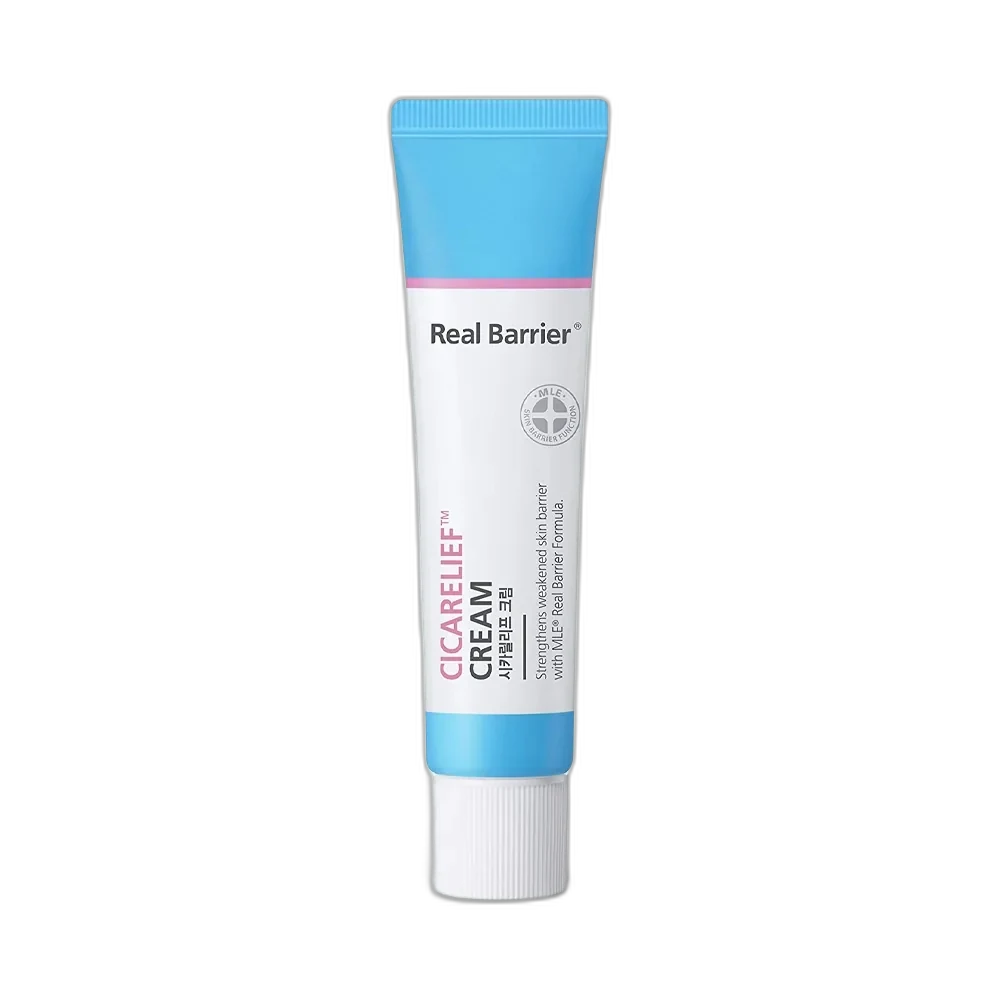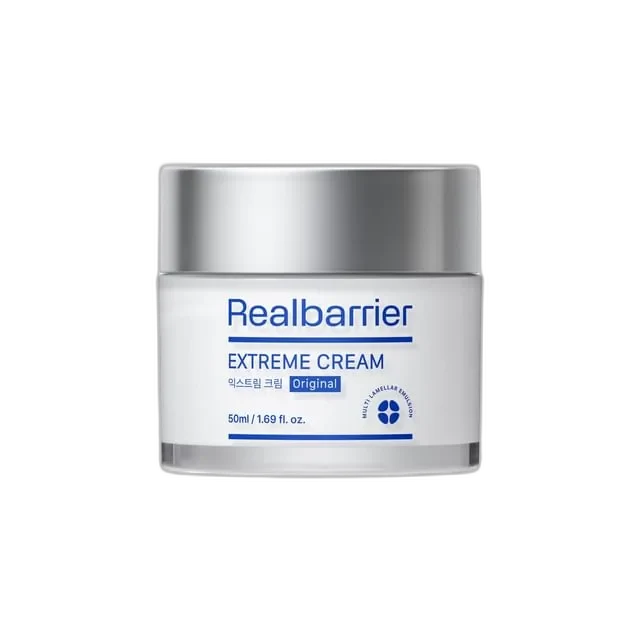
Real Barrier Extreme Cream
Winter Barrier MVP
 Verified reviewer
Pros & cons.
- +Rich shea-and-squalane base delivers genuine winter-weight occlusion
- +MLE ceramide lamellar technology for structural barrier repair
- +Full centella and panthenol soothing support
- +Fragrance-free and essential-oil-free
- +Excellent for eczema and compromised skin recovery
- +Strong value compared to Western alternatives
- +Works as a buffering layer over retinoids
- −Too rich for oily, acne-prone, or fungal-acne-prone skin
- −Shea butter may trigger comedogenic reactions in sensitive users
- −Tub packaging exposes ceramides to gradual oxidation
- −Too heavy for summer and humid climates
The full review.
Most people who care about skincare have had the experience of a perfectly good daily moisturizer suddenly failing them in November. Temperatures drop, indoor heating kicks on, humidity crashes, and whatever combination of lightweight gel-creams and mid-weight lotions you were running through October simply stops being enough. Your cheeks tighten by mid-morning, flaky patches appear around your nose, and the retinoid you were tolerating fine a month ago now feels like sandpaper. This is the specific problem Real Barrier Extreme Cream was built to solve, and it solves it with more clinical sophistication than most of its competitors in the heavy-cream category.
NeoPharm had an interesting challenge with this product. The Real Barrier line’s reputation is built on MLE technology — the patented Multi-Lamellar Emulsion system that arranges ceramides, cholesterol, and fatty acids in a structured lipid matrix modeled on the skin’s native stratum corneum architecture. MLE works well in lightweight gel-creams because the lamellar lipid structure doesn’t need a heavy oil base to function. But the problem with lightweight creams is that they simply don’t deliver enough occlusion for severely compromised winter skin, no matter how good the ceramide technology is. The Extreme Cream’s solution was to keep the MLE architecture intact and build a significantly richer emollient base around it — shea butter sitting second on the INCI list, supported by squalane, argan oil, macadamia oil, and caprylic/capric triglyceride. The result is a cream that delivers both the occlusion heavy-dry skin needs and the structural barrier repair that lighter creams can’t provide.
The texture honors the naming convention. Scoop out a nickel-sized amount and it comes out as a thick, dense, genuinely rich cream — the kind where you can feel the shea butter content before you even start rubbing it in. Warm it between your fingers and it softens into a more workable cream that absorbs to a soft satin finish in one to two minutes. There’s no sticky residue, no heavy film, but there’s also no pretending this is a lightweight product. It feels substantial because it is substantial, and that’s the point. For users who have been chasing diminishing returns from thinner creams, the first application often feels like genuine relief — the skin stops tightening, the flaky patches start softening within hours, and the low-grade discomfort that comes with winter barrier compromise disappears.
The supporting cast of actives continues the Real Barrier tradition. Panthenol sits high on the INCI list for barrier hydration and inflammation reduction. Madecassoside and centella asiatica provide the anti-inflammatory and wound-healing support that makes this cream genuinely soothing despite the heavier texture. Beta-glucan adds immunomodulatory and wound-healing effects. Niacinamide drives endogenous ceramide synthesis in parallel with the topical MLE delivery. Bisabolol, Scutellaria root, and licorice root layer additional anti-inflammatory botanicals. Sodium hyaluronate handles surface hydration. The formula is fragrance-free, essential-oil-free, and alcohol-free, which is essential because compromised skin doesn’t need fragrance and heavy creams don’t need any additional irritation triggers.
The honest limitations are predictable. This cream is emphatically not for oily, acne-prone, or fungal-acne-prone skin. The shea butter content is high enough that users sensitive to it will have problems, and the oil-rich base could theoretically exacerbate malassezia folliculitis in users prone to that condition. It’s also too rich for summer use on anything but the driest climates and skin types — in warm or humid weather, most users should rotate to the Real Barrier Aqua Soothing Gel Cream. The tub packaging exposes the ceramide payload to some gradual oxidation over the jar’s life, which is a minor negative for a product whose actives matter.
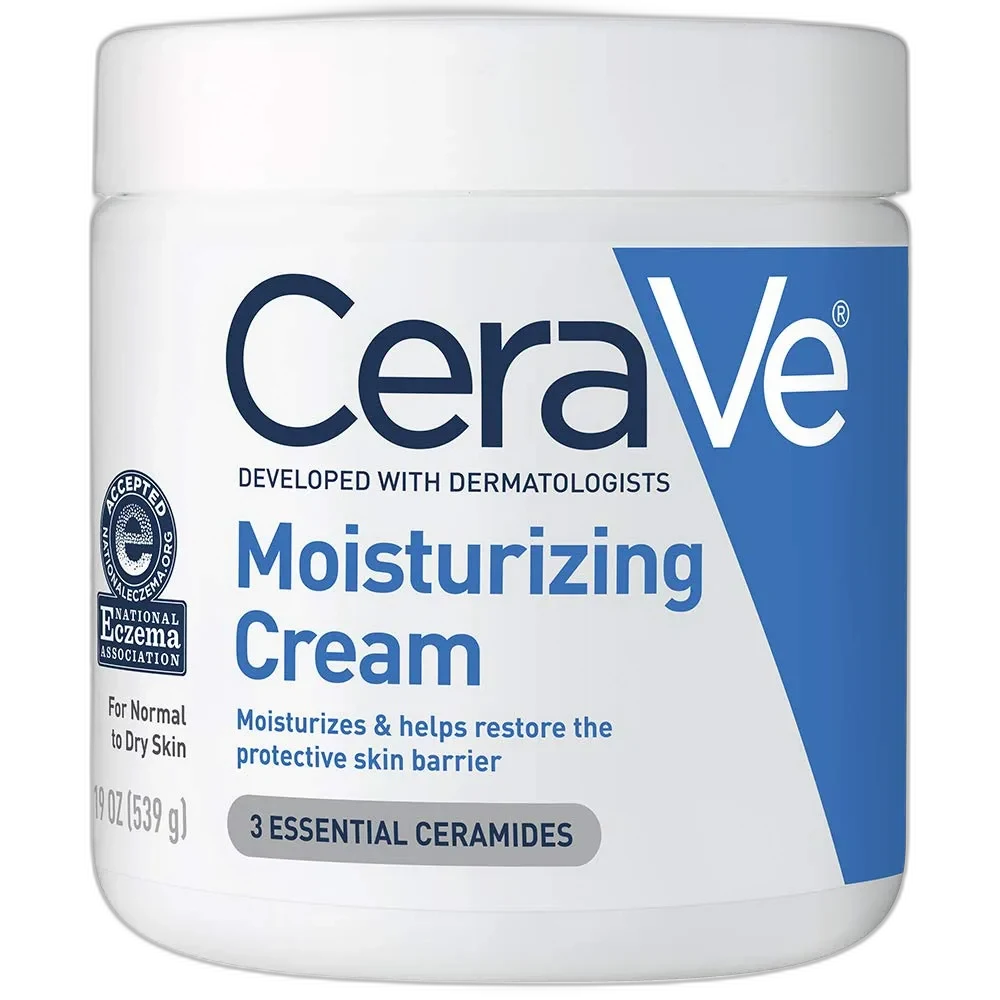
The value math is strong. At around $30 for 50ml, this cream delivers clinical-tier barrier repair technology at a mid-range price. Compared to Western alternatives like La Roche-Posay Lipikar Baume, CeraVe Healing Ointment, or Avene Cicalfate+, the formulation is arguably more sophisticated for barrier repair specifically — the MLE technology adds a structural dimension to ceramide delivery that simpler ceramide creams don’t have. Larger tube formats offer better per-unit value for heavy users or families sharing the product. A bottle lasts two to three months with twice-daily face use, which is reasonable for a winter-weight cream.
Brand heritage works in Real Barrier’s favor here. NeoPharm has been operating since 1999, the MLE research base extends more than two decades, and the Real Barrier line has been available since the mid-2010s with thousands of reviews and clinical use in Korean dermatology. This is an established brand with real track record, not a hype-cycle indie. You can trust that the formulation represents considered pharmaceutical research rather than trend-chasing, and the results speak to that heritage.
For dry, compromised, winter-stressed, or cold-climate skin, this is one of the strongest consumer moisturizers on the market. For oily or acne-prone skin, look elsewhere. For the middle ground — combination users in winter, retinoid users in winter, rosacea patients year-round — it can be an excellent anchor product in a well-thought-out routine.
About Real Barrier
Brand heritage works in Real Barrier’s favor here. NeoPharm has been operating since 1999, the MLE research base extends more than two decades, and the Real Barrier line has been available since the mid-2010s with thousands of reviews and clinical use in Korean dermatology. This is an established brand with real track record, not a hype-cycle indie. You can trust that the formulation represents considered pharmaceutical research rather than trend-chasing, and the results speak to that heritage.
Texture
The texture honors the naming convention. Scoop out a nickel-sized amount and it comes out as a thick, dense, genuinely rich cream — the kind where you can feel the shea butter content before you even start rubbing it in. Warm it between your fingers and it softens into a more workable cream that absorbs to a soft satin finish in one to two minutes. There’s no sticky residue, no heavy film, but there’s also no pretending this is a lightweight product. It feels substantial because it is substantial, and that’s the point. For users who have been chasing diminishing returns from thinner creams, the first application often feels like genuine relief — the skin stops tightening, the flaky patches start softening within hours, and the low-grade discomfort that comes with winter barrier compromise disappears.
Scent
The formula is fragrance-free, essential-oil-free, and alcohol-free, which is essential because compromised skin doesn’t need fragrance and heavy creams don’t need any additional irritation triggers.
Best for
For dry, compromised, winter-stressed, or cold-climate skin, this is one of the strongest consumer moisturizers on the market. For oily or acne-prone skin, look elsewhere. For the middle ground — combination users in winter, retinoid users in winter, rosacea patients year-round — it can be an excellent anchor product in a well-thought-out routine.
Works for
This is the specific problem Real Barrier Extreme Cream was built to solve, and it solves it with more clinical sophistication than most of its competitors in the heavy-cream category.
Not ideal for
The honest limitations are predictable. This cream is emphatically not for oily, acne-prone, or fungal-acne-prone skin. The shea butter content is high enough that users sensitive to it will have problems, and the oil-rich base could theoretically exacerbate malassezia folliculitis in users prone to that condition. It’s also too rich for summer use on anything but the driest climates and skin types — in warm or humid weather, most users should rotate to the Real Barrier Aqua Soothing Gel Cream.
Common Praise
For users who have been chasing diminishing returns from thinner creams, the first application often feels like genuine relief — the skin stops tightening, the flaky patches start softening within hours, and the low-grade discomfort that comes with winter barrier compromise disappears.
Common Complaints
The tub packaging exposes the ceramide payload to some gradual oxidation over the jar’s life, which is a minor negative for a product whose actives matter.
Pairs Well With
The supporting cast of actives continues the Real Barrier tradition. Panthenol sits high on the INCI list for barrier hydration and inflammation reduction. Madecassoside and centella asiatica provide the anti-inflammatory and wound-healing support that makes this cream genuinely soothing despite the heavier texture. Beta-glucan adds immunomodulatory and wound-healing effects. Niacinamide drives endogenous ceramide synthesis in parallel with the topical MLE delivery. Bisabolol, Scutellaria root, and licorice root layer additional anti-inflammatory botanicals. Sodium hyaluronate handles surface hydration.
Conflicts With
The honest limitations are predictable. This cream is emphatically not for oily, acne-prone, or fungal-acne-prone skin. The shea butter content is high enough that users sensitive to it will have problems, and the oil-rich base could theoretically exacerbate malassezia folliculitis in users prone to that condition. It’s also too rich for summer use on anything but the driest climates and skin types — in warm or humid weather, most users should rotate to the Real Barrier Aqua Soothing Gel Cream.
AM routine
The supporting cast of actives continues the Real Barrier tradition. Panthenol sits high on the INCI list for barrier hydration and inflammation reduction. Madecassoside and centella asiatica provide the anti-inflammatory and wound-healing support that makes this cream genuinely soothing despite the heavier texture. Beta-glucan adds immunomodulatory and wound-healing effects. Niacinamide drives endogenous ceramide synthesis in parallel with the topical MLE delivery. Bisabolol, Scutellaria root, and licorice root layer additional anti-inflammatory botanicals. Sodium hyaluronate handles surface hydration.
PM routine
The supporting cast of actives continues the Real Barrier tradition. Panthenol sits high on the INCI list for barrier hydration and inflammation reduction. Madecassoside and centella asiatica provide the anti-inflammatory and wound-healing support that makes this cream genuinely soothing despite the heavier texture. Beta-glucan adds immunomodulatory and wound-healing effects. Niacinamide drives endogenous ceramide synthesis in parallel with the topical MLE delivery. Bisabolol, Scutellaria root, and licorice root layer additional anti-inflammatory botanicals. Sodium hyaluronate handles surface hydration.
Ingredient analysis.
Full INCI list · pH 5.8
Water, Butyrospermum Parkii (Shea) Butter, Glycerin, Caprylic/Capric Triglyceride, Butylene Glycol, Cetearyl Alcohol, Glyceryl Stearate, Sorbitan Stearate, Dipropylene Glycol, Panthenol, Ceramide NP, Cholesterol, Hydrogenated Lecithin, Stearic Acid, Palmitic Acid, Squalane, Madecassoside, Centella Asiatica Extract, Niacinamide, Sodium Hyaluronate, Hydrogenated Polydecene, Allantoin, Beta-Glucan, Argania Spinosa Kernel Oil, Macadamia Ternifolia Seed Oil, Scutellaria Baicalensis Root Extract, Glycyrrhiza Glabra Root Extract, Tocopherol, Bisabolol, Xanthan Gum, Ethylhexylglycerin, Disodium EDTA, 1,2-Hexanediol
Skin match.
The science.
The Science
The formulation uses several evidence-based streams. NeoPharm's research team spent over two decades developing and publishing MLE ceramide delivery. This technology arranges ceramides, cholesterol, and free fatty acids into a structured lamellar architecture that mimics the stratum corneum's native intercellular lipid matrix. Published studies show improvements in barrier function metrics — transepidermal water loss, skin hydration, and visual scoring — in patients with atopic dermatitis and dry skin compared to conventional ceramide-containing creams. Pairing MLE with shea butter is rational; shea butter provides triterpene alcohols, vitamin E, and fatty acids with published evidence for anti-inflammatory and emollient effects. Squalane is a well-characterized non-comedogenic hydrocarbon that mimics native sebum and has strong safety and efficacy data. Argan and macadamia oils add fatty acid profiles with good skin compatibility. Centella asiatica has one of the longest dermatological research histories of any botanical active, with documented anti-inflammatory, wound-healing, and collagen-stimulating effects. Madecassoside specifically has been studied for barrier recovery and inflammation reduction in atopic contexts. Panthenol has well-established data for barrier hydration and post-procedure recovery. Beta-glucan shows immunomodulatory and wound-healing activity in multiple studies. Niacinamide upregulates endogenous ceramide synthesis in keratinocytes, creating a dual mechanism alongside the topical MLE delivery. This formulation applies pharmaceutical research to a consumer winter-weight moisturizer, performing well in a category where many products rely on emollient feel rather than functional barrier repair.
Dermatologist Perspective
Dermatologists often recommend thick ceramide-based creams for patients with dry, compromised, or atopic skin, especially in winter. Board-certified dermatologists who use Korean products generally recognize the Real Barrier line as a credible clinical option and note that MLE technology has stronger published support than generic ceramide creams. This cream is a good choice for patients with winter-related barrier compromise, mild to moderate eczema, or rosacea flares caused by cold weather. For patients with oily, acne-prone, or fungal-acne-prone skin, dermatologists typically recommend the lighter Aqua Soothing Gel Cream variant instead.
Where it fits in your routine.
Apply a nickel-sized amount to clean, damp skin after toning, essence, and any serums, morning and evening during cold seasons. Warm it between your fingers and press it into the face, neck, and décolleté for one to two minutes until absorbed. In the AM, follow with sunscreen. In the PM, use it as the final step or layer it over a retinoid as a buffering cream. In extreme winter climates or for very dry skin, use it as an occlusive top layer over a lighter daily moisturizer. Avoid the immediate waterline of the eye, though the formula is safe for the surrounding eye area. Use clean fingers or a spatula and keep the lid tightly sealed; finish within twelve months of opening.
At $30 for 50ml, this cream offers strong value as a winter-weight barrier repair moisturizer using pharmaceutical-grade technology. One jar lasts two to three months with twice-daily use; larger tube formats provide better per-unit pricing for heavy users. The formulation is more sophisticated than Western alternatives in this category — La Roche-Posay Lipikar, Avene Cicalfate+, CeraVe Healing Ointment — because it uses MLE lamellar architecture and full centella support, though Western alternatives are easier to find. The value is excellent for users seeking clinical-tier barrier repair for winter or compromised skin.
Dry, normal, sensitive, and mature skin types in cold climates or winter seasons. It works well for eczema, rosacea, compromised skin barriers, or skin that reacts to cold weather. It also works as a winter buffer cream for retinoid users and for those recovering from over-exfoliation or post-procedure protocols.
Oily, acne-prone, and fungal-acne-prone users should use the lighter Aqua Soothing Gel Cream variant instead. This feels too heavy for daily use in warm or humid climates year-round. Users with known shea butter sensitivities should patch test or choose a different cream.
Product details.
Thick, dense cream that softens on contact and melts into a deeply emollient layer
Fragrance-free; plant oils and shea butter provide a subtle natural scent
Plastic tub with inner seal; larger tube formats also available
The cream is thick and dense. It feels nourishing on dry, tight, or winter-compromised skin. It absorbs to a soft satin finish in one to two minutes without sticky residue. It does not sting or tingle. Users usually see visible softness and comfort after the first application.
2. 5 to 3 months with twice-daily face use
12 months
fall winter
The backstory.
The Extreme Cream was developed as the winter-weight anchor of the Real Barrier line, specifically for users in cold climates, eczema-prone patients, and anyone whose skin didn't respond well to the lighter gel-cream formats. NeoPharm drew on its atopic dermatitis research heritage to build a richer formula that didn't sacrifice the MLE technology or the clinical soothing support.
About Atopalm
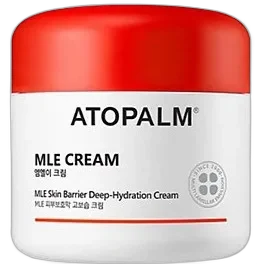
Established Brand (5–20 years)NeoPharm, a Korean pharmaceutical company founded in 1999, produces the Real Barrier line. They developed the patented MLE (Multi-Lamellar Emulsion) ceramide delivery system. The Extreme Cream is the thickest, winter-weight formulation in the line and uses the same clinical research base as the rest of the collection.
Common myths.
Rich creams always clog pores.
Cream oiliness does not predict comedogenicity. This formula uses squalane and macadamia oil, which are low on the comedogenic scale, but the shea butter content can cause issues for acne-prone users.
You don't need a ceramide cream if you use a facial oil.
Facial oils mostly deliver fatty acids and antioxidants but do not replicate the structured lamellar lipid matrix of healthy skin. MLE-based creams do, and they restore barrier function in ways oils cannot.
FAQ.
Is this too rich for summer use?
Yes, for most users. The shea butter and oil-rich base works for fall, winter, and cold climates. Use the Real Barrier Aqua Soothing Gel Cream as a lighter daily moisturizer in summer or humid weather.
Will it clog pores?
The formula uses low-comedogenic squalane and macadamia oil, but the shea butter content may cause issues for acne-prone or fungal-acne-prone users. Patch test on the jawline first if you have concerns.
How does this compare to La Roche-Posay Lipikar Balm?
Both are serious barrier creams for dry skin. Lipikar uses shea butter, glycerin, and niacinamide but lacks a structured ceramide delivery system. Real Barrier Extreme adds the MLE ceramide lamellar architecture and full centella soothing complex, which makes it more sophisticated for barrier repair specifically.
Is this safe for eczema?
Yes. The combination of MLE ceramides, centella, panthenol, and beta-glucan makes this a top consumer cream for mild to moderate eczema. Severe eczema requires prescription treatment, but this cream provides excellent supportive care.
Can I use it around my eyes?
Yes — the fragrance-free, essential-oil-free formula is safe for the eye area. Its thick emollience works well for dry under-eye patches in winter.
Can I layer it over a retinoid?
The thick ceramide-and-emollient base works as an ideal buffer over retinoids, especially during winter when retinoid dryness peaks.
Community
What the community says.
"saves skin in winter"
"rich but not greasy"
"heals dry patches fast"
"too rich for oily skin"
"summer use feels heavy"
"shea butter may not suit acne-prone"