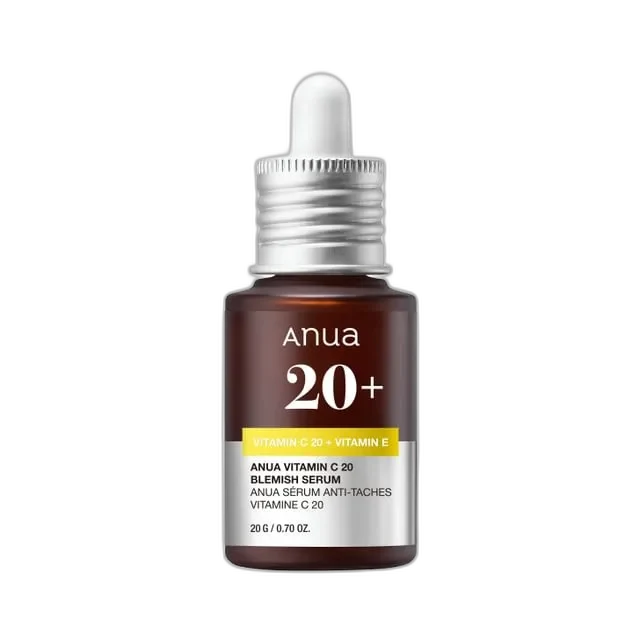
Green Lemon Vita C Blemish Serum
High-Potency Vitamin C
 Verified reviewer
Pros & cons.
- +20% L-ascorbic acid at the clinically optimal concentration for brightening and collagen stimulation
- +Gold-standard C+E+Ferulic antioxidant combination backed by landmark research
- +56% green lemon extract provides a naturally vitamin-C-rich base beyond standard water formulations
- +Glutathione adds multi-pathway brightening through melanin type conversion
- +Vita-barrier capsule delivery system enhances penetration of soothing agents
- +Visible dark spot reduction reported within 2-4 weeks of consistent use
- +Significantly more affordable than comparable C+E+Ferulic serums from Western brands
- −Must be refrigerated and used within 3 months of opening — no exceptions
- −20ml is small for daily use — lasts only 1-2 months
- −Multiple citrus essential oils (bergamot, grapefruit) may irritate sensitive skin
- −Bergamot oil contains furanocoumarins that increase photosensitivity
- −Tingling on application may concern first-time vitamin C users
- −Not suitable for those with eczema, rosacea, or compromised barriers
The full review.
Vitamin C serums fall into two groups: those using L-ascorbic acid and those using everything else. The “everything else” group—ascorbyl glucoside, magnesium ascorbyl phosphate, ethyl ascorbic acid, and sodium ascorbyl phosphate—exists because pure L-ascorbic acid is difficult. It is unstable, pH-dependent, potentially irritating, and requires refrigeration. However, L-ascorbic acid is the only form with extensive clinical research showing it stimulates collagen synthesis, inhibits tyrosinase directly, and enhances photoprotection. If you want the vitamin C found in dermatology textbooks, you want L-ascorbic acid.
Anua’s Green Lemon Vita C Blemish Serum uses L-ascorbic acid at 20%. This matches the concentration the landmark 2005 Duke University study (published in the Journal of Investigative Dermatology) identified as the optimal ceiling for topical vitamin C efficacy. Research shows that exceeding 20% yields diminishing returns and increases irritation. Crucially, Anua’s Green Lemon Vita C Blemish Serum does not use ascorbic acid alone; it includes ferulic acid and vitamin E (tocopherol). This recreates the antioxidant trio the Duke study showed can provide up to eight-fold protection against UV-induced oxidative stress.
The green lemon twist differentiates Anua in a crowded category. The formula uses 56% green lemon extract, using fruit harvested before full ripening to retain higher vitamin C concentrations and unique flavonoid profiles. This creates a naturally vitamin-C-rich base that supplements the synthetic ascorbic acid. Whether the botanical vitamin C in the lemon extract adds measurable benefit beyond the 20% pure ascorbic acid remains an open question, as research on green lemon extract specifically is limited. However, it gives the formula a distinctive identity and adds citric acid and flavonoid antioxidants absent from standard water-based vitamin C serums.
The vita-barrier capsule system delivers glutathione, panthenol, and bisabolol through the skin barrier alongside the vitamin C. Glutathione is a master antioxidant that also brightens skin by inhibiting tyrosinase and redirecting melanin synthesis toward lighter pheomelanin rather than darker eumelanin. Panthenol soothes and supports barrier repair, which is vital in a high-concentration acid formula. Bisabolol (derived from chamomile) adds anti-inflammatory calming. This delivery system addresses the main weakness of potent vitamin C serums: irritation potential.
The texture is a lightweight, slightly viscous serum with a pale yellow tint that spreads smoothly via a cyclopentasiloxane base. The citrus scent is unmistakable—a blend of orange flower, litsea cubeba, grapefruit, bergamot, and spearmint oils that smells like a fresh lemon grove. Some will like it; others will note that these citrus essential oils—particularly bergamot—contain furanocoumarins that increase photosensitivity. Diligent sunscreen use is non-negotiable. For sensitive skin, these essential oils are the most concerning part of the formula.
Performance is where this serum earns its keep. Users consistently report visible brightening within the first week and measurable dark spot reduction within two to four weeks of daily use. Post-acne marks and sun spots respond well to the dual approach of ascorbic acid (inhibiting new melanin production) and glutathione (redirecting melanin type). The immediate glow upon application is not just cosmetic; antioxidant activity begins the moment the serum hits the skin.
Practical limitations are significant. Twenty milliliters is small for a daily serum and lasts one to two months with conservative application. Mandatory refrigeration is required; L-ascorbic acid at this concentration oxidizes rapidly at room temperature, and a darkened serum is wasted. The three-month shelf life means you must use it consistently or discard the product. These are not design flaws, but the inherent consequences of using an unstable active ingredient at a high concentration. Every L-ascorbic acid serum faces these challenges; Anua’s is not unique.
At approximately $22 for 20ml, the cost per use is moderate for a potent vitamin C serum. The SkinCeuticals C E Ferulic—which uses a nearly identical C+E+Ferulic approach—costs $182 for 30ml. Anua delivers the same core chemistry at roughly one-sixth the price. Whether Anua’s specific formulation, stability, and delivery match the clinical validation of SkinCeuticals is unknown, as no independent head-to-head comparison exists. But the active ingredient profile is scientifically equivalent.
This serum is not for everyone. The 20% ascorbic acid, citrus essential oils, refrigeration requirement, and short shelf life require a commitment. But for those who manage these demands, the reward is a potent, evidence-based vitamin C formulation at a K-beauty price point that delivers the same core antioxidant combination dermatologists have recommended for two decades.
Ingredient analysis.
Full INCI list
Citrus Limon (Lemon) Fruit Extract, Ascorbic Acid, Propanediol, Butylene Glycol, Dipropylene Glycol, Cyclopentasiloxane, 1,2-Hexanediol, Cyclohexasiloxane, Sodium Hydroxide, C12-14 Alketh-12, Alpha-Bisabolol, Sodium Polyacryloyldimethyl Taurate, Water, Polyacrylate Crosspolymer-6, Dimethicone/Vinyl Dimethicone Crosspolymer, Xanthan Gum, Ethylhexylglycerin, Allantoin, Glycerin, Glutathione, Citrus Aurantium Dulcis (Orange) Flower Oil, Litsea Cubeba Fruit Oil, Adenosine, Citrus Paradisi (Grapefruit) Peel Oil, Disodium EDTA, Citrus Aurantium Bergamia (Bergamot) Fruit Oil, Mentha Viridis (Spearmint) Leaf Oil, Tocopherol, Ferulic Acid, Barosma Betulina Leaf Extract, N-Butyl Alcohol, Hydrogenated Lecithin, Polyglyceryl-10 Stearate, Sorbitol, Panthenol, Beta-Glucan, Sodium Hyaluronate, Sodium Ascorbyl Phosphate, Caprylic/Capric Triglyceride, Helianthus Annuus (Sunflower) Seed Oil, Hyaluronic Acid, Sucrose
Skin match.
The science.
The Science
A 2005 Sheldon Pinnell study at Duke University, published in the Journal of Investigative Dermatology, shows that 15% L-ascorbic acid, 1% alpha-tocopherol, and 0.5% ferulic acid provide up to eight-fold more protection against solar-simulated UV-induced erythema and thymine dimer formation than unprotected skin. The study shows ferulic acid stabilizes the vitamin C+E combination and doubles its photoprotective capacity — making the C+E+Ferulic trio the gold standard in topical antioxidant formulation.
L-ascorbic acid brightens skin by directly inhibiting tyrosinase — the rate-limiting enzyme in melanin biosynthesis. Research in the Journal of the American Academy of Dermatology confirms 10-20% concentrations work best; 20% is the saturation point where skin penetration stops increasing meaningfully.
A 2017 randomized controlled trial in Clinical, Cosmetic and Investigational Dermatology documented glutathione's brightening effects, showing topical glutathione reduced melanin index and increased skin lightness after 10 weeks. It works by inhibiting tyrosinase and converting eumelanin (dark pigment) synthesis toward pheomelanin (lighter pigment) — a pathway independent from L-ascorbic acid's tyrosinase inhibition that adds to the brightening effect.
L-ascorbic acid stability is a known issue. Research in the International Journal of Pharmaceutics shows ascorbic acid degrades rapidly at pH levels above 3.5 and temperatures above 25°C, forming dehydroascorbic acid and eventually erythrulic acid (the cause of brown discoloration). Ferulic acid slows this degradation, but refrigeration is essential to maintain potency during the product's lifespan.
References
- Ferulic acid stabilizes a solution of vitamins C and E and doubles its photoprotection of skin — Journal of Investigative Dermatology (2005)
- Glutathione and its antiaging and antimelanogenic effects — Clinical, Cosmetic and Investigational Dermatology (2017)
Dermatologist Perspective
Board-certified dermatologists recommend 15-20% L-ascorbic acid as the most evidence-based topical antioxidant for photoprotection, brightening, and collagen stimulation. Dermatologists note the combination with ferulic acid and vitamin E has the strongest clinical evidence of any topical antioxidant formulation. However, dermatologists warn that patients with rosacea, atopic dermatitis, or contact dermatitis may not tolerate 20% ascorbic acid. The citrus essential oils in this specific product add sensitization risk, so patch testing is necessary. Dermatologists state sunscreen use is mandatory when using any vitamin C product, especially those containing photosensitizing bergamot oil.
Guidance
Where it fits in your routine.
In the morning, cleanse and tone, then press 3-4 drops into your face and neck. Wait 1-2 minutes for absorption before you apply moisturizer and sunscreen. Mild tingling is normal and ends quickly. Use daily. Store in the refrigerator at 3-10°C after opening. Use within 3 months. Discard the serum if it turns dark orange or brown; this shows oxidation and loss of potency.
At about $22 for 20ml, this serum provides the C+E+Ferulic gold standard for much less than SkinCeuticals C E Ferulic at $182 for 30ml. The per-milliliter cost ($1.10/ml vs $6.07/ml for SkinCeuticals) is much lower. However, the 20ml size and 3-month shelf life mean you should view the cost as a ~$22 quarterly expense (or $44 for twice the volume if one bottle is not enough). This offers strong value for those wanting clinical-grade vitamin C at an accessible price.
This is for people with dark spots, post-acne marks, sun damage, or dull skin who want clinical-strength L-ascorbic acid at a K-beauty price. It works for normal to combination skin types that tolerate active ingredients and can commit to refrigeration and consistent daily use.
People with sensitive, rosacea-prone, or eczema-prone skin that reacts to high-concentration acids or essential oils. Users who won't refrigerate the product and use it within 3 months. Anyone preferring fragrance-free formulations — the citrus essential oil blend has a distinct scent.
Product details.
This lightweight, slightly viscous serum has a pale yellow tint. It absorbs in 1-2 minutes and leaves no heavy residue. The silicone base makes application feel smooth.
Lemon extract and citrus essential oils (orange, bergamot, grapefruit) create a noticeable citrus scent. It smells like fresh citrus.
20ml small glass dropper bottle. Opaque packaging protects ascorbic acid from light degradation. Refrigerate after opening.
The serum is a slightly viscous, pale yellow liquid with a fresh citrus scent. 20% L-ascorbic acid often causes mild tingling on first use because the low pH is active. This tingling stops within 1-2 minutes. Skin looks brighter immediately after application. Use it every other day if you are new to vitamin C serums.
1-2 months with daily use (must finish within 3 months of opening regardless)
3 months
All Year
The backstory.
Vitamin C serums are the most crowded category in K-beauty, and Anua entered the market with a deliberate differentiator — using unripe green lemon extract as the formula's foundation rather than standard purified water. The theory is that green lemons, harvested before ripening, retain higher vitamin C concentrations and unique flavonoids that mature fruit loses. Whether this botanical advantage translates to measurable skin benefits beyond the 20% synthetic ascorbic acid is debatable, but it gives the product a distinctive identity in a sea of nearly identical vitamin C formulations.
About Anua
Emerging Brand (2–5 years)Anua launched in 2019 and expanded globally, joining Ulta Beauty in 2025. This vitamin C serum uses a 20% L-ascorbic acid formula stabilized with ferulic acid and vitamin E — a combination dermatological research shows works well.
Common myths.
Avoid vitamin C in the morning because it increases skin sensitivity to the sun.
The opposite is true. L-ascorbic acid is a potent antioxidant that increases sunscreen protection by neutralizing UV-generated free radicals. Applying vitamin C under SPF in the morning provides more photoprotection than sunscreen alone. The landmark study on C+E+Ferulic shows enhanced UV protection.
If a vitamin C serum tingles, it is damaging your skin.
Low pH L-ascorbic acid serums cause mild tingling as the active form works on the skin. This sensation usually stops within 1-2 minutes and fades with continued use. Persistent burning, redness, or peeling indicates over-concentration or sensitivity and requires stopping use.
FAQ.
Does this vitamin C serum need to be refrigerated?
Yes — 20% L-ascorbic acid is unstable and oxidizes (turns brown and loses potency) at room temperature. Refrigerate the serum immediately after opening and use within 3 months. Discard the serum if it turns dark orange or brown.
Can I use this with retinol?
Do not use them in the same routine. Vitamin C works best at low pH, but retinol works best at a slightly higher pH. Using both together reduces the efficacy of each. Use vitamin C in the morning under SPF and retinol in the evening for optimal results.
Is 20% vitamin C too strong for beginners?
20% is the highest common concentration and causes tingling for first-time vitamin C users. Apply every other day for the first 1-2 weeks, then use daily as your skin acclimates. If irritation persists, use a lower-concentration vitamin C derivative product instead.
What makes the green lemon extract different from regular lemon extract?
Green lemons are harvested before they ripen fully. This timing keeps vitamin C and unique flavonoids higher than in mature yellow lemons. The 56% green lemon extract provides a naturally vitamin-C-rich base, but the 20% synthetic L-ascorbic acid drives the primary brightening efficacy.
Why does this serum contain bergamot oil?
Citrus essential oils (bergamot, orange, grapefruit) scent the serum and provide trace antioxidant benefits. Bergamot oil contains furanocoumarins that increase photosensitivity, so you must use SPF with this product. People with sensitive skin may avoid formulas containing these oils.
What the community says.
"Visible reduction in dark spots within 2-4 weeks of consistent use"
"Effective brightening and glow without excessive drying"
"C+E+Ferulic combination at an accessible K-beauty price"
"Lightweight texture absorbs well under moisturizer and sunscreen"
"Must be refrigerated and used within 3 months of opening"
"20ml size is small for daily use — runs out quickly"
"Multiple citrus essential oils may irritate sensitive skin"
"Can cause tingling or mild stinging on application — especially at first"
Featured in.
People also looked at.