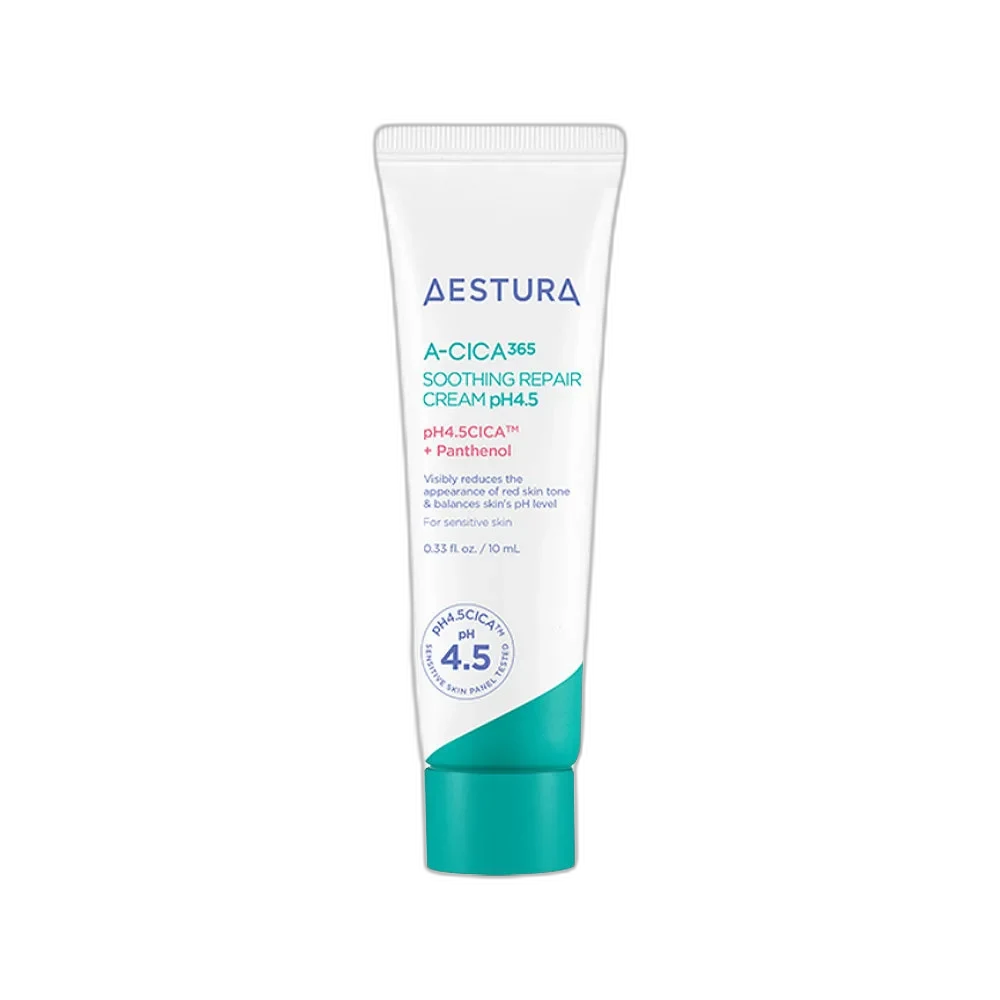
A-Cica 365 Calming Cream
Korean Derm Office Staple
 Verified reviewer
Pros & cons.
- +Confirmed 5% panthenol concentration at the upper end of the studied range
- +Isolated madecassoside rather than vague centella extract
- +Layered CICA BPM complex (beta-glucan, phytosterols, madecassoside) for repair and calming
- +Completely fragrance-free with empty allergen list
- +Lightweight gel-cream texture suits all skin types
- +Fungal-acne safe and pregnancy-friendly
- +Excellent value for the formulation quality
- +Backed by Amorepacific's significant R&D infrastructure
- +Top-selling dermocosmetic at Korean dermatology clinics
- −60 ml jar disappears in 2-3 months at twice-daily use
- −Lightweight texture insufficient for very dry winter skin without layering
- −Open-jar packaging exposes formula to air
- −Limited US retail availability outside K-beauty specialty stores
- −Counterfeit risk on third-party platforms
The full review.
Formula
The cica cream category has been noisy in K-beauty for nearly a decade. Centella asiatica became the standard marketing ingredient for “calming” moisturizers. Many brands rushed in with formulas containing vague centella extract mid-INCI, green packaging, and little else to support soothing claims. Most of these products work because centella has real evidence, but many underdeliver. Active concentrations are uncontrolled, and the formulations often include irritation vectors that undercut the calming goal. Aestura’s A-Cica 365 Calming Cream is a rare, serious entry. It justifies the dermatology-clinic placement that makes it Aestura’s best-known product.
Brand context matters. Amorepacific owns Aestura. Amorepacific is South Korea’s largest beauty conglomerate and runs one of Asia’s largest cosmetic R&D infrastructures. Aestura is the company’s dermocosmetic brand, designed for dermatology clinics rather than mass retail. This positioning shapes the formulation philosophy. The product does not compete with TikTok-driven indie brands on aesthetic novelty. It is the moisturizer a Korean dermatologist hands to a patient with over-exfoliation, retinoid flares, rosacea, or post-procedure inflammation who needs a moisturizer that won’t worsen these conditions. Aestura earned its placement, and the formula explains why.
The INCI shows immediate discipline. Water and propanediol open the formula. Panthenol is third. Aestura confirms a 5 percent concentration of panthenol, which is at the upper end of the well-studied range and provides a functional dose. Glycerin is fourth, and squalane is fifth; the lipid layer uses a skin-identical molecule that absorbs cleanly without heaviness. The ‘CICA BPM’ active complex appears further down: madecassoside (the most-studied centella asiatica active), phytosterols (plant-derived cholesterol analogs that fit the skin’s natural barrier lipid matrix), and beta-glucan (a polysaccharide humectant with documented soothing activity). Each ingredient has published evidence, arrives in isolated form rather than vague extract, and has a distinct role in the calming-and-repair strategy.
What the formula lacks is just as important. There is no fragrance—no added perfume or aromatic essential oils. There is no alcohol denat. There are no PEGs flagged for sensitization. There are no older-generation problematic preservatives. The disclosed allergens list at the bottom of the INCI is empty. For sensitive skin, this absence of irritation vectors is as meaningful as the active load. It allows application to severely reactive skin without worsening conditions. The contrast with the Aesop products in this batch is clear: Aesop’s formulations almost always include an essential oil load that limits sensitive-skin use, while Aestura’s formulation is built for the demographic that reacts to fragrance.
Texture is another quiet success. It applies as a lightweight, gel-cream emulsion that absorbs in seconds, leaving a satin finish with no greasiness. There is no stickiness, no white residue, and no pilling under sunscreen or makeup. This format benefits combination and oily skin types who find calming creams too rich. For dry skin in moderate climates, it provides enough daily hydration alone. Very dry skin in cold winter conditions may need to layer it under a more occlusive overnight balm; the texture is intentionally light and not heavy enough for severe dehydration without help.
Results deliver on the formulation’s promises. The first application is immediately cooling and softening. Within one to two days of consistent use, reactive or flushed skin typically shows a visible reduction in redness—a meaningful drop, not the placebo-level change seen in many calming creams. Within one to two weeks, sustained calming becomes the skin’s default state. Over four to six weeks, barrier function and comfort improve so that skin reactivity is less of a concern. These are cumulative results expected from a properly-dosed panthenol-and-centella formula in a clean base, and Aestura delivers because the formulation is built to.
The real test is how it handles harder cases: patients on prescription retinoids, post-procedure recovery, rosacea, eczema, or perioral dermatitis. Aestura earns its derm-office placement here. The 5 percent panthenol dose supports active barrier repair during retinoid acclimation. Madecassoside contributes anti-inflammatory activity, with published evidence supporting its use in wound healing and post-procedure care. The fragrance-free profile means the cream goes on irritated skin without compounding problems. Korean dermatologists frequently dispense this product alongside prescription routines because it doesn’t fight the prescription work.
The value math is simple. At around $34 for 60 ml, A-Cica 365 is a mid-range price that is fair for the formulation quality. Cheaper calming creams are less well-formulated, and more expensive ones do not outperform it. Nothing in this category offers this combination of clinical-grade actives, fragrance-free formulation, and Amorepacific R&D backing at this price. Compared to the Aesop products in this batch, the contrast is significant: Aestura does more sophisticated work for less money with a more current formulation. This is what you find in the dermocosmetic segment Korean derm clinics have built for years.
Limitations are minor. Sixty milliliters is a small jar for twice-daily use; applying to the face and neck will last two to three months. The open-jar packaging is functional but not ideal, as every opening exposes the formula to air; a tube would be an improvement. US availability is more limited than mainstream Korean brands like COSRX or Innisfree, so you often buy from K-beauty specialty retailers or international Amazon sellers. You must source from reputable sellers to avoid counterfeits. These are not dealbreakers, but they are worth noting.
Application is straightforward. After cleansing and treatment serums, apply a small amount to the face and neck morning and evening by pressing rather than rubbing. The lightweight texture absorbs in seconds. Layer additional products—sunscreen in the morning or occlusive balms at night—on top without delay. The cream is compatible with almost any active routine, including prescription retinoids, AHAs, BHAs, and benzoyl peroxide; it pairs well with these as a recovery layer. Most users do not need a patch test, though anyone with a confirmed contact allergy to an ingredient should test on the inner forearm first.
Routine fit depends on your goals. For reactive or compromised skin, it can be the primary AM and PM moisturizer. For those in active retinoid acclimation, it is the recovery layer that makes irritation tolerable. For post-procedure use, it is the daily moisturizer that supports recovery without interference. For healthy, non-reactive skin, it is a capable daily moisturizer that is effectively risk-free for irritation. The breadth of fit is a strength; almost no skin type would find this cream the wrong choice.
A-Cica 365 shows why dermocosmetic K-beauty is an interesting segment of the global market. It results from significant R&D, dermatologist collaboration, ingredient discipline, and a lack of the sensorial flourishes common in Western luxury brands. The result is unglamorous and excellent. For sensitive skin, post-procedure recovery, or anyone tired of paying luxury prices for ineffective formulas, this cream is a legitimate addition to a routine and one of the best-value purchases in the calming category.
Ingredient analysis.
Full INCI list · pH 5.5
Purified Water, Propanediol, Panthenol, Glycerin, Squalane, Cetearyl Alcohol, 1,2-Hexanediol, Diisostearyl Malate, Glyceryl Stearate Citrate, Acrylate/C10-30 Alkyl Acrylate Crosspolymer, Hydroxyethyl Acrylate/Sodium Acryloyldimethyl Taurate Copolymer, Tromethamine, Glyceryl Stearate, Cetearyl Glucoside, Hydrogenated Lecithin, Glyceryl Caprylate, Stearic Acid, Polyglyceryl-3 Methylglucose Distearate, Palmitic Acid, Ethylhexylglycerin, Disodium EDTA, Sorbitan Isostearate, Madecassoside, Phytosterols, Beta-Glucan, Glucose, Myristic Acid, Lauric Acid, Tocopherol.
Skin match.
The science.
The Science
A-Cica 365 uses four well-supported components: panthenol, madecassoside, beta-glucan, and phytosterols, in a fragrance-free base with squalane as the primary lipid. Panthenol (provitamin B5) is a widely studied humectant and barrier-support agent. Published evidence shows that 1 to 5 percent concentrations improve skin hydration, reduce transepidermal water loss, and accelerate healing of compromised skin. Aestura's 5% concentration sits at the top of this studied range and provides a functional dose. Madecassoside is one of four major triterpenoid actives in centella asiatica (alongside madecassic acid, asiaticoside, and asiatic acid) and is the most-studied for anti-inflammatory and wound-healing effects. Research supports its ability to modulate inflammatory pathways, support collagen synthesis during wound repair, and reduce post-procedural inflammation. Aestura uses isolated madecassoside instead of crude centella extract to ensure reliable dosing of the active compound—a choice that separates high-quality cica products from generic ones. Beta-glucan is a polysaccharide humectant from oats or yeast; research supports its surface hydration, soothing, and barrier-modulating effects. Phytosterols are plant-derived sterols that mimic the cholesterol in the skin's natural barrier lipid matrix. Together with squalane (a skin-identical lipid with documented emollient and barrier-supporting effects) and the fatty acids in the formula (stearic, palmitic, myristic, and lauric acids), they create a layered lipid restoration strategy. The formula is fragrance-free, alcohol-free, and has no disclosed allergens, which reduces the contact-sensitization risk found in many other moisturizers at this price. The pH is around 5.5, matching healthy skin physiology to support barrier function. This formulation philosophy—confirmed dosing of well-studied actives, a clean preservative system, no fragrance, and a lightweight emulsion base—is more disciplined than the broader cica-cream category and explains why Korean dermatology clinics use this product.
Dermatologist Perspective
Dermatologists view well-formulated calming creams with confirmed panthenol and centella concentrations as useful tools for patients with reactive skin, rosacea, post-procedure recovery, or retinoid acclimation. Board-certified dermatologists often recommend 5% panthenol for barrier repair, and the use of isolated madecassoside rather than vague centella extract shows formulation discipline. The fragrance-free, alcohol-free profile suits patients with rosacea, eczema, perioral dermatitis, or contact dermatitis. Korean dermatology often uses dermocosmetic products like Aestura in clinical practice; the brand's status as a top-seller at Korean derm clinics reflects dermatologist endorsement based on patient outcomes. US patients seeking similar barrier-repair formulations with comparable clinical credentials may also use La Roche-Posay Cicaplast Baume B5+ or Avène Cicalfate, which both use a panthenol-centric strategy. As a daily moisturizer, this cream works with almost all prescription routines and supports recovery from treatment-related irritation.
Where it fits in your routine.
Apply a small amount to a clean face and neck every morning and evening after treatment serums. Press the product into the skin instead of rubbing. This lightweight gel-cream absorbs in seconds and leaves a satin finish that layers under sunscreen or makeup. Always follow with a broad-spectrum SPF 30 or higher in the morning. The cream works with almost any active routine — including prescription retinoids, AHAs, BHAs, and benzoyl peroxide — and works well as a recovery layer after irritating actives. If you have a known contact allergy to any specific ingredient, patch test on the inner forearm for 24 hours before first full use; this is rarely necessary due to the clean profile. Finish the product within twelve months once opened.
At approximately $34 for 60 ml, A-Cica 365 sits at a mid-range price that matches its formulation quality. Cheaper K-beauty mass market calming creams exist, but most lack this product's confirmed panthenol dose, isolated madecassoside, or fragrance-free discipline. More expensive luxury calming creams do not outperform it. Amorepacific R&D, Korean derm clinic placement, and clinical-grade active load make this one of the strongest value propositions in the sensitive-skin moisturizer category. Compared to Aesop's products in the same batch, the formulation-per-dollar math favors Aestura — it is a more current formula, more disciplined for sensitive skin, and a fraction of the price.
Most people can use this cream; its wide suitability is a quiet strength. It works well for sensitive, reactive, or compromised skin; those acclimating to retinoids; post-procedure recovery; rosacea, eczema, or perioral dermatitis; pregnancy skin; and anyone tired of paying luxury prices for fragranced moisturizers that underdeliver. The lightweight texture and barrier-repair active profile also benefit combination, oily, and normal skin.
Few people need this, except those with severely dry skin in cold winter conditions who want a heavy occlusive cream without layering. Anyone with a confirmed contact allergy to a specific listed ingredient should patch test. Otherwise, the formula works for even the most reactive skin types.
Product details.
The lightweight, gel-cream texture absorbs fast and feels weightless once settled.
Scentless — has no added fragrance and no perceptible essential oil notes.
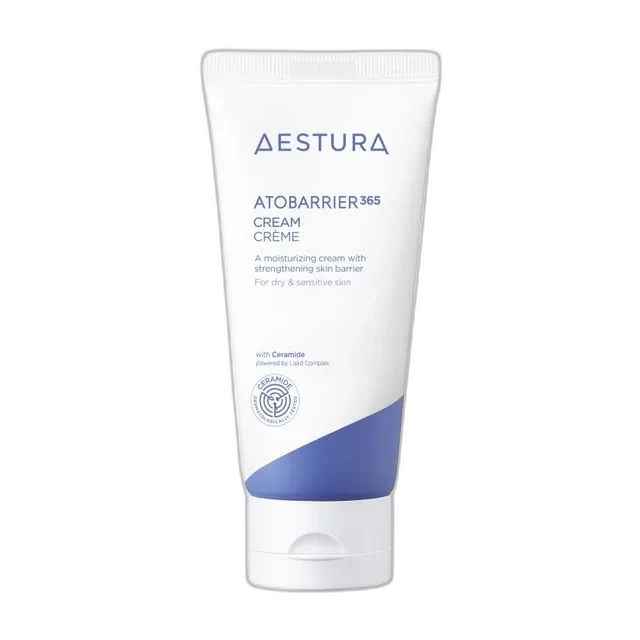
White plastic jar with a screw cap. It is functional, not decorative, matching the brand's clinical positioning. The open-jar format exposes the formula to air during use.
The first application feels cooling and weightless. Skin looks softer within minutes, and consistent use reduces redness in reactive or flushed skin within one or two days. The formula has no purging period, no sting, and no adjustment phase; it works for even the most reactive skin.
Approximately 2-3 months with twice-daily face and neck application.
12 months
All Year
The backstory.
Aestura is owned by Amorepacific, the largest beauty conglomerate in South Korea, and was developed specifically for the dermocosmetic segment serving Korean dermatology clinics. The A-Cica 365 line launched in 2022 and quickly became a top-seller at Korean derm offices, where it's frequently dispensed for sensitive skin, post-procedure recovery, and as a base moisturizer alongside prescription routines. Its global rollout has been gradual, and it remains better known among K-beauty enthusiasts than the broader US market.
About Aestura
Established Brand (5–20 years)Aestura is an Amorepacific dermocosmetic brand. Amorepacific is South Korea's largest beauty conglomerate. Aestura focuses on barrier repair and sensitive skin, developed with Korean dermatologists. It is the top-selling dermocosmetic brand at Korean dermatology clinics. Korean dermatologists widely recommend Aestura because its formulations use the parent company's R&D infrastructure to meet clinical-style claims.
Common myths.
All cica creams are basically the same.
Centella formulations vary widely. Some use crude centella extract at unspecified concentrations; others use isolated madecassoside or asiaticoside at confirmed doses. Aestura uses isolated madecassoside in a fragrance-free formulation, placing it at the higher-quality end of the category.
Calming creams lack enough actives to work.
A well-formulated calming cream uses effective concentrations of repair actives like panthenol (here at 5%), madecassoside, beta-glucan, and phytosterols while remaining tolerable. Aestura's formula shows this works.
FAQ.
Is Aestura A-Cica 365 good for sensitive skin?
This is one of the best calming creams for sensitive and reactive skin. The fragrance-free, alcohol-free formula uses clinically-supported repair actives — 5% panthenol, madecassoside, beta-glucan, and phytosterols — at meaningful concentrations. It sells well at Korean dermatology clinics because it works for skin that reacts to most other moisturizers.
Can I use it after retinol or chemical exfoliation?
Yes, and it works well for that purpose. The high panthenol concentration and centella derivatives calm irritation from retinoid use or AHA/BHA exfoliation. Many users layer it as a recovery step on nights they apply actives.
Is it strong enough for very dry skin in winter?
The texture is lightweight, not thick, so very dry skin in cold conditions may need to layer it under a more occlusive overnight balm. For most users, including dry skin in moderate climates, the formulation provides enough hydration alone.
How does it compare to CeraVe Moisturizing Cream?
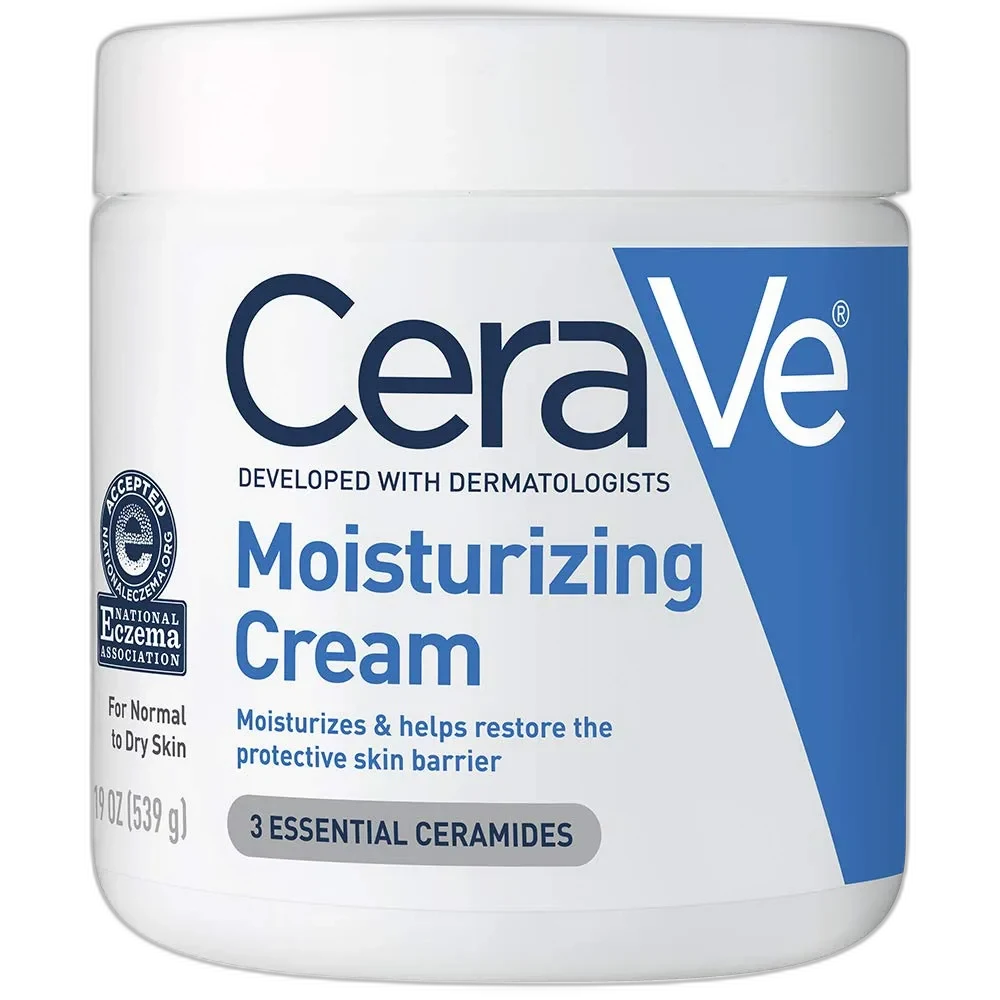
CeraVe uses a ceramide and hyaluronic acid backbone for daily hydration. Aestura A-Cica 365 uses centella and panthenol to calm reactive skin. Both work well in their categories: Aestura A-Cica 365 suits sensitive or post-procedure skin, while CeraVe is the more versatile daily moisturizer.
Is it pregnancy-safe?
Yes. The fragrance-free formulation and barrier-repair active profile contain no ingredients typically restricted during pregnancy. It is a good choice for pregnancy skin, which often becomes more reactive.
Where can I buy it in the US?
Availability is more limited than mainstream Korean brands. Check K-beauty specialty retailers like YesStyle, Olive Young Global, DODO Skin, and specific Amazon sellers. Buy from reputable sources to avoid counterfeits, which are common with popular K-beauty products.
Is it fungal-acne safe?
Yes. The formula has no comedogenic plant oils or known Malassezia food sources. This makes it suitable for people with fungal acne or seborrheic dermatitis.
Community
What the community says.
"Genuinely calms reactive and red skin within days"
"Lightweight gel-cream texture suits all skin types"
"Fragrance-free formulation feels gentle"
"Supports recovery after retinoid irritation"
"Excellent value for the formulation quality"
"Pairs well with active routines"
"60 ml jar runs out faster than expected for daily use"
"Gel-cream texture may feel insufficient for very dry skin in winter"
"Open-jar packaging exposes formula to air"
"Limited US retail availability outside K-beauty specialty stores"