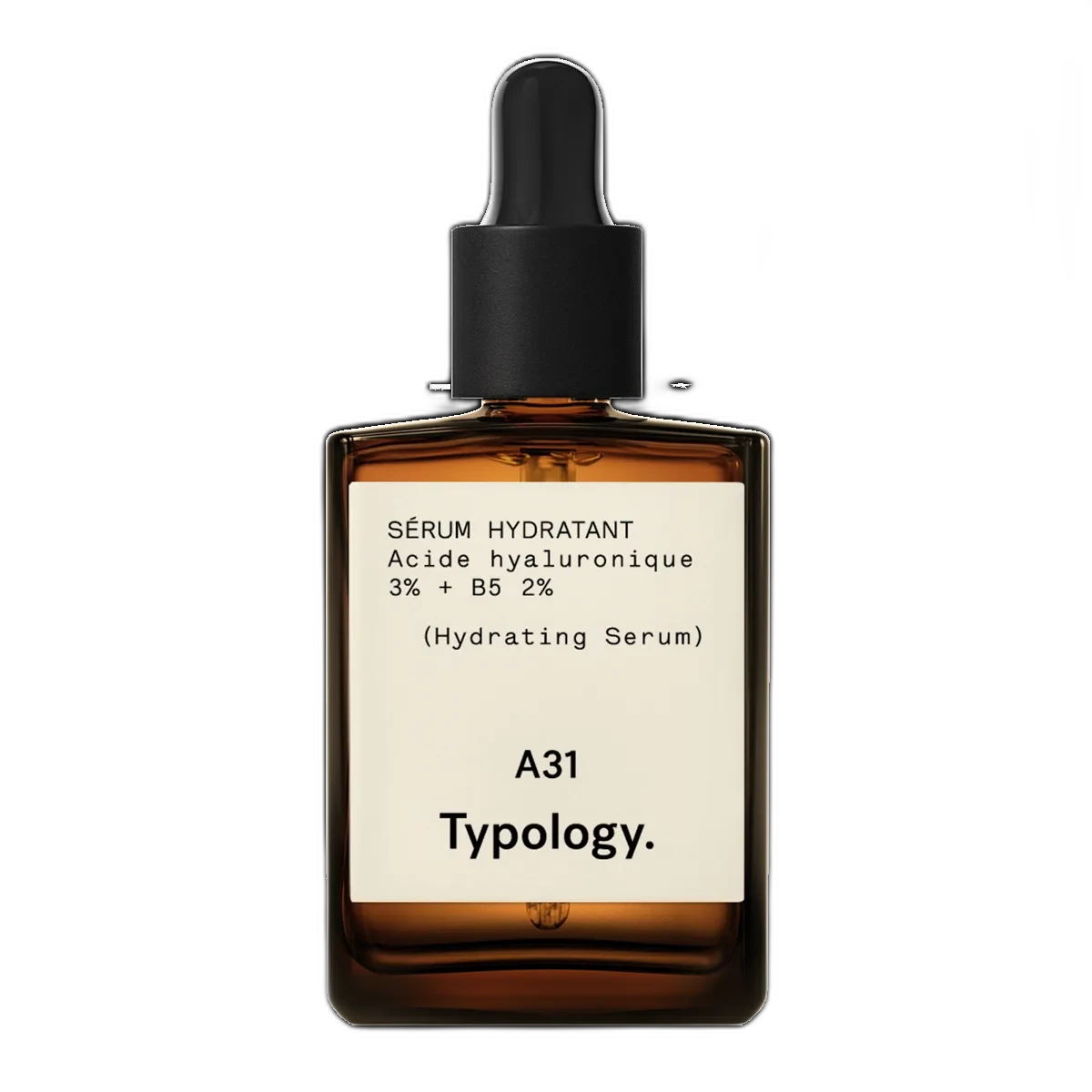
Hyaluronic Acid 2% + Vitamin B5 Serum
Universal Hydrator
 Verified reviewer
Pros & cons.
- +Multi-weight HA blend hydrates surface and deeper layers
- +Meaningful 2% panthenol concentration, not a token amount
- +Aquaxyl complex stimulates endogenous HA production
- +Universally compatible with all actives and skin types
- +Fragrance-free with minimal preservative system
- +Sits beautifully under sunscreen and makeup
- +Pregnancy and breastfeeding safe
- −Benzyl alcohol can mildly sting compromised barriers
- −Roughly three times the price of The Ordinary's HA serum
- −Dropper cap can occasionally clog with residue
- −Six-month PAO is short due to the clean preservative system
The full review.
Most hyaluronic acid serums on the market do exactly one thing: deposit a thin film of sodium hyaluronate on the surface of the skin and hope ambient humidity does the rest. It’s the simplest possible mechanism — HA is a humectant, water binds to it, skin looks plumper for a few hours. The Ordinary built an empire on this premise at $7 a bottle, and almost every brand from drugstore to luxury has followed the same template since. What separates the actually-good HA serums from the merely competent ones is whether they bother to address the second half of the equation: the skin’s own ability to make and retain hyaluronic acid.
Typology’s hydrating serum quietly does both. It uses a multi-molecular-weight blend of sodium hyaluronate so that some molecules sit on the surface and form a humectant film, while smaller fragments slip into the upper epidermis to hydrate from underneath. That’s table stakes for a thoughtful HA formulation. What makes this serum more interesting is the addition of 2% panthenol — pro-vitamin B5 — at a concentration that’s actually meaningful, plus a 1% inclusion of Aquaxyl, a sugar-derived complex that has been shown in supplier studies to upregulate the skin’s endogenous hyaluronic acid synthesis. In other words, this serum doesn’t just give your skin water; it nudges your skin to hold onto water better long after the bottle is empty.
About Typology
Typology itself is the brainchild of Ning Li, the French entrepreneur who built Made.com before pivoting to skincare in 2019. The hydrating serum was one of the brand’s launch products, and it has remained one of its top three sellers since day one. With over four thousand verified reviews and a 4.4-star average, it’s the closest thing the brand has to a genuine hero product — the formulation that converts curious shoppers into repeat buyers.
Formula
The ingredient list is gratifyingly short for a hydration product. Water, sodium hyaluronate, panthenol, the Aquaxyl complex, and a minimal preservative system built around benzyl alcohol and dehydroacetic acid. No fragrance, no essential oils, no glycols, no fillers. The benzyl alcohol is worth flagging because it’s the one ingredient that occasionally bothers very compromised or freshly exfoliated skin — most users won’t notice it at all, but if you’ve been overdoing actives and your barrier is in pieces, it may produce a faint tingle on application. That’s a known limitation of any preservative system that wants to keep clean of parabens and methylisothiazolinones, and benzyl alcohol is one of the gentler trade-offs available.
Texture
Texture-wise, this is a slightly viscous water-gel that absorbs almost instantly. There’s no stickiness, no rubbery film, no tackiness sitting on the surface waiting for moisturizer. Four to five drops cover the whole face and neck comfortably. The first application produces an immediate plumping effect that’s particularly visible around fine lines under the eyes and at the corners of the mouth — not a permanent fix, but the kind of hydration that shows up in a mirror selfie an hour later. Within three to seven days of consistent use, surface dryness around the nose, forehead, and cheeks visibly diminishes. Within four to six weeks, the cumulative effect of the panthenol on barrier function becomes noticeable as a general resilience — skin doesn’t get tight after cleansing, doesn’t flake in cold weather, doesn’t react as strongly to harsh products in the rest of the routine.
Pairs Well With
One thing this serum gets right that many HA products don’t is universal compatibility. Because there are no exfoliating or irritating actives in the formula, you can layer it with anything — retinol, vitamin C, niacinamide, peptides, exfoliating acids — without worrying about pH conflicts or stability issues. It also sits under sunscreen and foundation cleanly, which makes it one of the better HA serums to use as a base layer for the daytime routine. That’s a small thing on paper, but if you’ve ever tried to apply a tacky HA serum under a chemical SPF and watched everything pill, you know how rare it is to find one that genuinely plays well with others.
How to Use
The application detail that matters most is moisture. Hyaluronic acid is a humectant, which means it draws water from wherever water is available. In a humid environment, that water comes from the air. In a dry environment — which is most heated indoor air in winter and most air-conditioned offices in summer — there’s less ambient moisture to pull from, and HA can actually draw water out of deeper skin layers if there’s nothing else available. The fix is simple: apply this serum to skin that’s still slightly damp from cleansing, and follow immediately with a moisturizer that contains some occlusive ingredients like ceramides or squalane to seal everything in. Skip either step and you’re not getting the full benefit.
Best for
Where this serum lands in the broader market is interesting. The Ordinary’s Hyaluronic Acid 2% + B5 is the obvious competitor and runs about $9 for the same size. The Typology version is roughly three times that price for what is, on paper, a similar concept. What you’re paying for is the addition of Aquaxyl, the meaningful 2% panthenol concentration (rather than a token amount), and the cleaner overall preservative system. Whether that’s worth the price difference depends on your priorities. For someone who wants the absolute cheapest functional HA serum, The Ordinary still wins. For someone who wants a more layered formulation in cleaner packaging from a brand that publishes its full ingredient lists openly, Typology earns the upgrade.
Not ideal for
The limitations are mild. The benzyl alcohol may bother the most reactive skin types. The 30ml size is generous but not enormous. The dropper cap can occasionally clog with dried serum residue, though wiping it after each use solves the problem. There’s nothing here that disqualifies the serum from any skin type or condition — which is rare for any skincare product, and one of the strongest selling points of the formula.
Who Should Buy
For anyone building a routine from scratch and looking for a clean, universally compatible hydrating serum that will play well with whatever active treatment you eventually layer on top, this is one of the easier picks. It’s not the cheapest HA serum on the market, but it’s one of the most thoughtfully constructed at this price point.
Ingredient analysis.
Full INCI list · pH 5.5
Aqua/Water, Sodium Hyaluronate, Panthenol, 1,2-Hexanediol, Xylitylglucoside, Anhydroxylitol, Benzyl Alcohol, Xylitol, Citric Acid, Glucose, Sodium Hydroxide, Dehydroacetic Acid
Skin match.
The science.
The Science
Dermatology well-establishes hyaluronic acid's role in skin hydration. As a glycosaminoglycan that holds up to 1,000 times its weight in water, sodium hyaluronate works as a topical humectant and, in lower molecular weight forms, penetrates the upper epidermis to hydrate beneath the surface. Formulation studies show multi-molecular-weight HA blends outperform single-weight versions on transepidermal water loss measurements. Panthenol — the precursor to vitamin B5 — has extensive studies for its barrier-supporting effects. A 2017 review in the Journal of Drugs in Dermatology by Camargo et al. summarized clinical evidence that topical panthenol improves stratum corneum hydration, accelerates wound healing, and reduces transepidermal water loss across multiple study designs. At 2% concentration, panthenol sits at the upper end of most cosmetic formulations, making Typology's version more functional than typical token inclusions. The Aquaxyl complex (xylitylglucoside, anhydroxylitol, xylitol) is a supplier-developed ingredient; manufacturer studies show increased hyaluronic acid synthesis in skin cells, though independent clinical validation outside of supplier-sponsored research is limited. Combining surface humectancy, deep delivery, barrier support, and endogenous stimulation produces a more comprehensive hydration approach than topical HA alone. The minimal preservative system using benzyl alcohol and dehydroacetic acid avoids parabens and methylisothiazolinones that can sensitize skin over time.
References
- Skin barrier function: a critical appraisal of methods and emerging concepts — Journal of Drugs in Dermatology (2017)
Dermatologist Perspective
Dermatologists consistently recommend hyaluronic acid serums as a foundational hydration step in nearly every skincare routine. Board-certified dermatologists note that multi-molecular-weight HA formulations outperform single-weight versions, and that panthenol at meaningful concentrations adds genuine barrier support beyond simple humectancy. This serum's clean preservative system and absence of fragrance make it a frequent recommendation for sensitive skin, post-procedure care, and patients managing barrier compromise. The benzyl alcohol content is generally tolerated but may be a consideration for the most reactive patients. Application technique matters: dermatologists typically advise patients to apply HA serums to damp skin and immediately seal with a moisturizer to prevent reverse-osmotic water loss in low-humidity environments.
Guidance
Where it fits in your routine.
Apply morning and night to skin that is still slightly damp from cleansing. Press 4-5 drops into the face and neck. Do not rub hard; the gel texture absorbs better with gentle pressing. Follow immediately with a moisturizer to seal in hydration; skipping this step in dry environments reduces the benefit. This works with all other actives — apply this first if water-based, or after treatment serums if you use oils. Always finish with SPF 50 in the morning routine.
At $30 for 30ml, this serum sits firmly in the mid-market HA category — about three times the price of The Ordinary's Hyaluronic Acid 2% + B5, but cheaper than nearly every department-store equivalent. With twice-daily use of 4-5 drops, the bottle lasts roughly three to four months. A larger size is also available for better per-ml value. What you're paying for over the budget alternatives is the Aquaxyl complex, the meaningful 2% panthenol dose, and Typology's transparent ingredient sourcing. Whether that justifies the upgrade depends on whether you value those formulation upgrades or prioritize lowest cost.
People with dehydrated, dry, or normal skin seeking a clean, universally compatible HA serum at a reasonable price. It works well for sensitive and post-procedure skin, or for anyone building a layered routine that needs a foundational hydration step compatible with retinoids, vitamin C, or exfoliating acids.
Skip this if you have benzyl alcohol sensitivity or want the cheapest functional HA serum — The Ordinary's version costs about a third of this price for similar core mechanics. Also skip if you prefer single-active formulas without supplementary humectants.
Product details.
Lightweight, slightly viscous water-gel that absorbs cleanly without tackiness.
Completely fragrance-free.
Amber glass dropper bottle in Typology's signature minimalist apothecary style.
The first application provides immediate plumping and a soft dewy finish. It causes no tingling or stinging. Most users see improved surface hydration within the first few days, especially in winter or dry climates.
3-4 months with twice-daily use of 4-5 drops on the full face.
6 months
All Year
The backstory.
The hydrating serum was one of Typology's launch products in 2019 and has remained in the brand's top three sellers ever since. Aquaxyl was selected specifically to differentiate the formula from The Ordinary's HA serum, which had defined the budget HA category but relied entirely on topical molecules without endogenous stimulation.
About Typology
Emerging Brand (2–5 years)Typology launched in 2019 as a French direct-to-consumer brand by Made.com founder Ning Li. The hyaluronic acid serum is one of its longest-running heroes with thousands of verified reviews, but the brand lacks the long-term clinical track record of legacy pharmacy lines.
Common myths.
Higher hyaluronic acid percentages always increase hydration.
At concentrations above 2-3%, extra HA pulls moisture from deeper skin layers in dry environments. Multi-weight blends matter more than raw percentage.
HA serums work the same on dry and damp skin.
HA needs water to bind. If you apply it to dry skin in a low-humidity room, HA pulls moisture out of the skin instead of into it. Always apply HA to damp skin and seal it with moisturizer.
FAQ.
Is Typology Hyaluronic Acid Serum better than The Ordinary's?
The approach differs. The Ordinary uses three molecular weights of HA at a lower price. Typology adds 2% panthenol and Aquaxyl to stimulate endogenous HA production. Typology has a more layered formulation if you want more than topical hydration.
Can I use this serum twice a day?
Yes — this is a hydrating serum with no exfoliating or irritating actives, so morning and night use is fine for nearly all skin types.
Does this serum sting or burn?
It uses benzyl alcohol as a preservative. This can cause a mild tingle on freshly exfoliated or very compromised skin. Most users feel no sensation.
Should I apply this to wet or dry skin?
Damp skin. Pat your face after cleansing. Leave skin slightly moist, press in 4-5 drops, and apply moisturizer immediately. This locks in maximum hydration.
Can I layer this with retinol or vitamin C?
Yes — HA and panthenol are inert and work with everything. Apply this serum first, then your active treatment, then moisturizer.
Is this serum pregnancy-safe?
Yes. None of the ingredients are flagged for pregnancy or breastfeeding, and dermatologists frequently recommend HA serums during this period.
Does it sit well under sunscreen and makeup?
Yes — it absorbs cleanly and leaves a hydrated, non-tacky finish. This makes it a top HA serum to use as a base layer under SPF and foundation.
What the community says.
"Immediate plumping effect"
"Plays well under everything"
"No fragrance or sticky finish"
"Generous 30ml size for the price"
"Benzyl alcohol may bother very sensitive skin"
"Cap design can clog the dropper"
People also looked at.