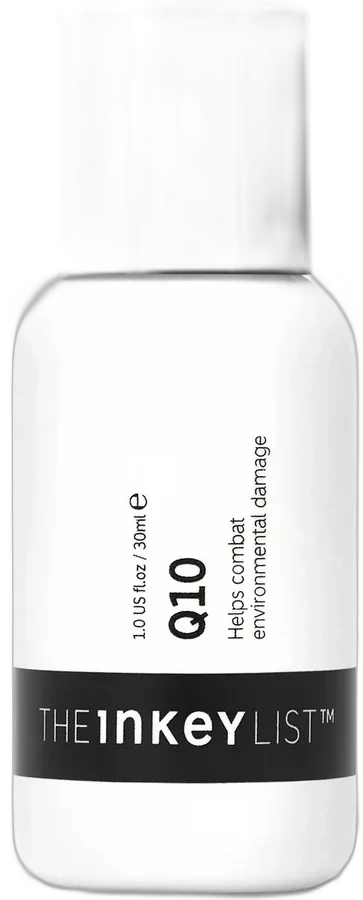
Q10 Serum
Budget Anti-Aging Entry Point
 Verified reviewer
Pros & cons.
- +Five anti-aging actives (CoQ10, peptide, squalane, HA, vitamin E) in one under-$10 serum
- +CoQ10 and vitamin E work synergistically for enhanced antioxidant protection
- +Syn-Tacks peptide targets the dermal-epidermal junction for structural support
- +Fragrance-free and gentle enough for virtually all skin types
- +Silky texture absorbs well under moisturizer and SPF
- +Excellent preventive anti-aging option for younger skin
- −Anti-aging results are subtle and require months to become noticeable
- −Contains soybean oil and soy-derived ingredients — allergen concern
- −Active ingredient concentrations are not disclosed and likely conservative
- −Contains dimethicone which some users prefer to avoid
- −Not vegan due to lecithin content
The full review.
Coenzyme Q10 has been a cornerstone of Japanese anti-aging skincare since the early 2000s, when DHC’s CoQ10 products became a phenomenon that sold millions of units. In Western markets, CoQ10 has been slower to catch on — overshadowed by the louder marketing of retinol, vitamin C, and peptides. The INKEY List’s Q10 Serum makes a case for revisiting this underappreciated antioxidant, particularly at a price point that removes any financial barrier to trying it.
Ubiquinone — CoQ10’s INCI name — is a fat-soluble molecule that naturally exists in every cell in your body, concentrated in the mitochondria where it plays a critical role in cellular energy production. In the skin, it serves double duty as both an energy cofactor and an antioxidant that neutralizes free radicals generated by UV exposure and pollution. The catch: CoQ10 levels in the skin begin declining from your mid-20s, which correlates with the gradual decrease in the skin’s ability to repair environmental damage. Topical application aims to replenish what time takes away.
The INKEY List pairs CoQ10 with Palmitoyl Dipeptide-5 Diaminobutyroyl Hydroxythreonine — marketed as Syn-Tacks — a peptide complex that targets the dermal-epidermal junction (DEJ). This is the structural connection between the outer skin (epidermis) and inner skin (dermis), and its degradation is associated with the sagging and loss of firmness that characterize aging skin. While peptide results are subtler and slower than retinoids, the DEJ-targeting approach is a sophisticated choice for an under-$10 serum.
Squalane provides the vehicle for CoQ10’s delivery. As an oil-soluble antioxidant, CoQ10 needs a lipophilic carrier to penetrate effectively, and squalane — which mimics the skin’s natural sebum — serves this function while also providing its own lightweight emollient hydration. Hyaluronic acid adds a humectant layer, and tocopheryl acetate (vitamin E) creates a synergistic antioxidant pairing with CoQ10 — research suggests that the two work better together than either does alone, as CoQ10 helps regenerate oxidized vitamin E molecules.
Texture
The texture is a medium-weight gel serum with a silky slip from the dimethicone. It’s thicker than a watery serum but lighter than a cream, absorbing within about a minute to leave a soft, satiny finish.
Scent
There’s zero scent. The application experience is unremarkable in the best sense — smooth, comfortable, and completely inoffensive.
Best for
Results from this serum operate on two timelines. The immediate effect — hydrated, soft, slightly luminous skin — comes from the squalane, glycerin, and dimethicone. This is the cosmetic payoff you notice from day one. The long-term effect — improved cellular antioxidant defense, subtle firming from the peptide, reduced oxidative damage accumulation — develops gradually over 8-12 weeks and is essentially invisible on a day-to-day basis. You won’t see dramatic before-and-after differences. What you will notice, over months, is that your skin looks consistently healthy, less fatigued, and more resilient.
Works for
This is prevention skincare, not correction skincare. If you have visible fine lines, established sun damage, or significant loss of firmness, a CoQ10 serum alone won’t reverse these concerns — you’d need retinoids, vitamin C, or professional treatments for that. But if you’re in your 20s or 30s building a routine to slow down the aging process, or if you’re looking for a gentle antioxidant complement to a retinol regimen, this serum delivers genuine protective value.
Conflicts With
The formula does contain dimethicone (silicone), which some users prefer to avoid, and soybean oil, which is a concern for soy-allergic individuals. The presence of lecithin and phospholipids — both soy-derived — reinforces the soy content in this formula. These are worth noting but are standard cosmetic ingredients with well-established safety profiles.
Price
At $9.99 for 30ml, the Q10 Serum is essentially the cheapest way to add a multi-active anti-aging step to your routine. CoQ10, a peptide complex, squalane, hyaluronic acid, and vitamin E — five functional anti-aging ingredients — for under ten dollars. The concentrations are likely modest (INKEY List doesn’t disclose percentages for all actives), but even at conservative levels, the synergistic combination provides a meaningful antioxidant and protective layer that most budget serums don’t attempt.
This is the kind of product that doesn’t generate excitement on Instagram but quietly earns its place in a thoughtful routine through consistency and compounding value.
Ingredient analysis.
Full INCI list
Water (Aqua/Eau), Propanediol, Butylene Glycol, Glycerin, Dicaprylyl Carbonate, Dimethicone, Caprylic/Capric Triglyceride, Phenoxyethanol, Hydroxyethyl Acrylate/Sodium Acryloyldimethyl Taurate Copolymer, Caprylyl Glycol, Squalane, Phospholipids, Lecithin, Glycine Soja (Soybean) Oil, Carbomer, Polysorbate 60, Ubiquinone, Tocopheryl Acetate, Leuconostoc/Radish Root Ferment Filtrate, Hyaluronic Acid, Tocopherol, Palmitoyl Dipeptide-5 Diaminobutyroyl Hydroxythreonine
Skin match.
The science.
The Science
Coenzyme Q10 (ubiquinone) is an endogenous antioxidant that drives mitochondrial electron transport and cellular energy production. A BioFactors study (Hoppe et al., 1999) shows topical CoQ10 reduces wrinkle depth and protects human keratinocytes from UVA-mediated oxidative stress. The study also shows skin CoQ10 levels drop significantly with age, justifying topical use.
Biochemistry shows CoQ10 and vitamin E work together. CoQ10 recycles oxidized vitamin E (alpha-tocopherol) in lipid membranes to restore its antioxidant capacity. This regeneration cycle provides more sustained antioxidant protection than either molecule alone.
The Syn-Tacks peptide (Palmitoyl Dipeptide-5 Diaminobutyroyl Hydroxythreonine) targets the dermal-epidermal junction (DEJ), where collagen VII and laminin-5 anchor the epidermis to the dermis. In vitro studies from the peptide's developer show increased synthesis of these anchoring proteins, which improves skin firmness and resilience. While independent clinical validation of this specific peptide is limited, cosmetic science recognizes DEJ-targeting as a relevant anti-aging approach.
Squalane acts as an emollient and an enhancer for oil-soluble actives like CoQ10. Because Squalane is structurally similar to human sebum, it integrates into the skin's lipid barrier and helps lipophilic ingredients penetrate.
Dermatologist Perspective
Dermatologists recognize CoQ10 as a legitimate antioxidant with solid mechanistic support, but retinoids and vitamin C have more clinical evidence for anti-aging. Board-certified dermatologists would see this serum as a reasonable supplementary antioxidant for patients wanting extra protection, especially those who cannot tolerate vitamin C. The peptide component offers theoretical firmness support, though dermatologists note peptide results are modest compared to prescription retinoids. The formula's gentleness and lack of irritants make it suitable for sensitive skin or patients on retinoid therapy who need a calming, protective companion product.
Where it fits in your routine.
Apply 2-3 drops to clean skin every morning and evening. Use it after water-based serums (hyaluronic acid, niacinamide) and before moisturizer. The gel texture spreads easily; a small amount covers the full face and neck. In the AM, follow with moisturizer and SPF 30+. In the PM, layer it under or over retinol.
At $9.99 for 30ml, this serum provides more anti-aging actives per dollar than almost any competitor. Individual ingredient concentrations are likely modest, but the mix of CoQ10, a peptide complex, squalane, hyaluronic acid, and vitamin E shows real formulation effort at a price that allows daily use. For anyone building an affordable anti-aging routine, this serum offers protective value that compounds over months and years of consistent use.
People in their mid-20s or older seeking affordable preventive anti-aging. Users wanting a gentle antioxidant serum to pair with a retinol or vitamin C routine. Budget-conscious consumers wanting multi-active anti-aging without premium prices.
People with soy allergies must avoid this product because it contains soybean oil, lecithin, and phospholipid. This serum works for prevention and maintenance, not correction; use retinoids or professional treatments for dramatic anti-aging results.
Product details.
Medium-weight gel serum with a slightly silky, cushiony feel — thicker than watery serums but thinner than cream serums
None — fragrance-free with no detectable smell
Small white squeeze tube with minimalist INKEY List branding
The first application feels silky and cushiony because dimethicone creates a smooth glide. It absorbs within a minute. Skin feels soft and slightly satiny without greasiness. No adjustment period, purging, or sensitivity occurs.
2-3 months with twice-daily use on face
12 months
All Year
The backstory.
CoQ10 has been a staple in Japanese and Korean anti-aging skincare for decades, but it's often been confined to expensive treatment products in Western markets. The INKEY List brought it to the budget segment by pairing it with a complementary peptide and standard hydrating ingredients, making preventive anti-aging accessible to younger consumers who are beginning to think about skin aging but aren't ready for $50+ serums.
About The INKEY List
Emerging Brand (2–5 years)The INKEY List launched in 2018 to make effective skincare accessible. The Q10 Serum is an original product that combines coenzyme Q10, peptides, and squalane at one of the lowest prices in the antioxidant serum category.
Common myths.
CoQ10 is only for mature skin
Skin CoQ10 levels decline starting in your mid-20s. Using a CoQ10 product early prevents damage. It supports the skin's natural antioxidant defenses and cellular energy before visible aging starts, instead of reversing damage after it appears.
Peptides in skincare are just marketing hype
The Syn-Tacks peptide in this formula targets the dermal-epidermal junction, a specific skin structural component. Peptide results are subtler and slower than retinoids, but they offer a gentler way to support skin firmness, especially for those who cannot tolerate retinol.
FAQ.
What does CoQ10 do for skin?
Coenzyme Q10 (ubiquinone) is a natural antioxidant that supports mitochondrial energy production in skin cells. CoQ10 levels decline with age, so topical application neutralizes free radicals, supports cellular repair, and protects against environmental damage. In this serum, Coenzyme Q10 works with vitamin E to increase antioxidant protection.
Is The INKEY List Q10 Serum good for beginners?
Yes — this is an excellent entry point for anti-aging skincare. The formula is gentle, fragrance-free, and unlikely to cause irritation. CoQ10 and peptides work well for almost all skin types. This makes it a safe first step for anyone in their mid-20s or older starting preventive anti-aging.
Can I use The INKEY List Q10 Serum with retinol?
Yes — CoQ10 and peptides complement retinol. Apply the Q10 Serum before or after retinol in your PM routine. CoQ10 antioxidants help protect skin from the oxidative stress retinol treatment temporarily increases, while squalane provides soothing hydration.
When should I start using CoQ10 in my skincare?
Skin CoQ10 levels decline starting in your mid-20s. Using a CoQ10 product in your mid-to-late 20s prevents aging by supporting natural antioxidant defenses before visible signs appear. CoQ10 benefits skin at any age.
How long does it take to see results from The INKEY List Q10 Serum?
Hydration and skin softness improve within the first week. Radiance and skin tone show subtle changes over 4-6 weeks. The peptide and CoQ10 anti-aging benefits are progressive and cumulative, showing more results over 8-12 weeks of consistent twice-daily use.
Community
What the community says.
"Incredibly affordable anti-aging serum"
"Silky gel texture absorbs well"
"Leaves skin soft and hydrated"
"Gentle enough for sensitive skin"
"Anti-aging results are subtle and slow to appear"
"Small bottle for the price point"
"Soybean oil may concern those with soy allergies"
"Contains dimethicone which some users prefer to avoid"
Featured in.
People also looked at.